Are Car Keys Magnetic? What You Need To Know
Most modern car keys themselves are not strongly magnetic. However, the internal components of a key fob, like the battery and some electronic parts, can interact with magnets. It’s generally safe for keys to be near magnets briefly, but prolonged exposure or strong magnets could potentially affect the electronics.
The Science Behind Your Car Keys
Car keys have changed a lot. Old keys were just metal. You could use a magnet on them all day.
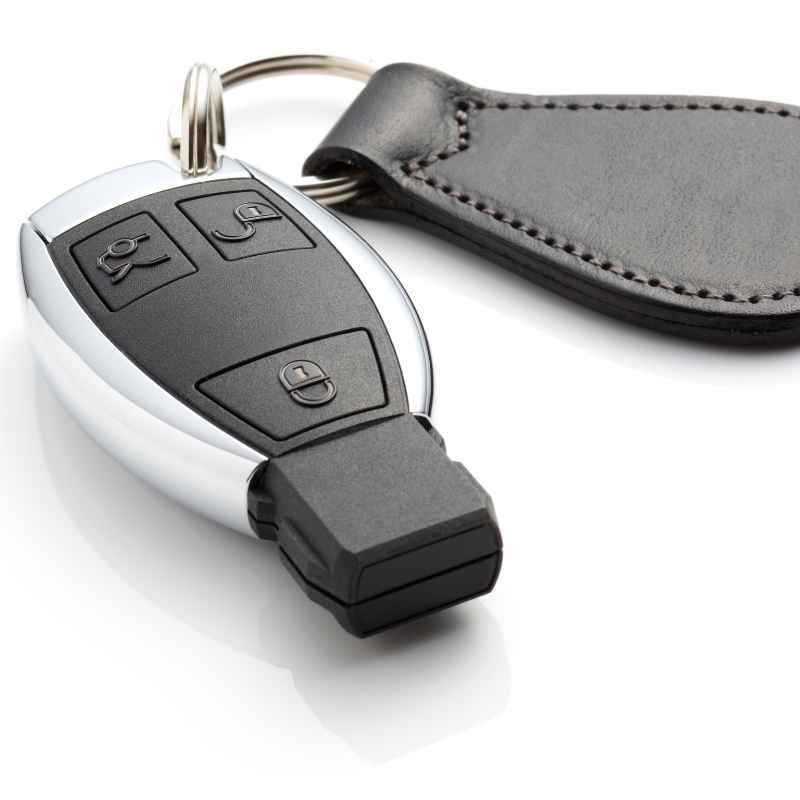
Modern keys are different. They are called key fobs or transponders. They have electronics inside.
This is what makes them smart. They talk to your car. This lets you unlock doors.
It also lets you start the engine.
So, are car keys magnetic? The metal part of your key, the part you the magic happens. Inside that plastic shell are tiny electronic bits.
There’s a small chip. There’s also a battery. Sometimes there’s even a tiny coil of wire.
These electronic parts can sometimes behave in ways that seem magnetic. This is because some components, like the battery itself, have electrical currents flowing through them. Any electrical current creates a small magnetic field.
Also, some internal components might use small amounts of ferrous material, which is magnetic. This means your key fob might weakly react to a magnet.
My Own Close Call with a Magnet
I remember this one time when I was helping a friend move. We were packing up his workshop. He had tons of tools and gadgets.
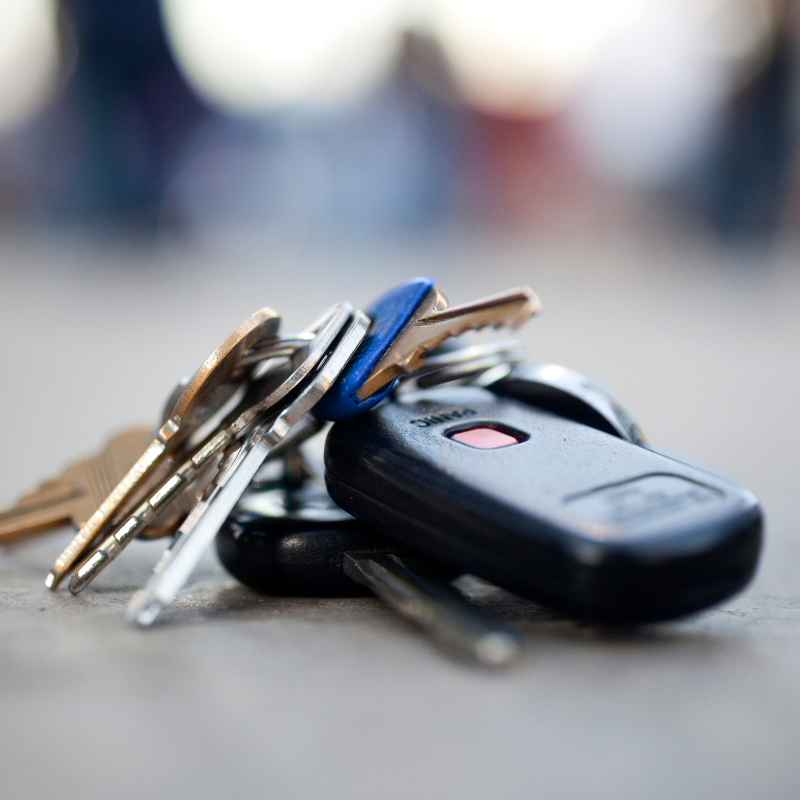
I had my car keys in my pocket. As I was picking up a strong magnetic tool holder, my keys suddenly felt… weird. They seemed to cling to it for a second.
My heart did a little flip. I immediately pulled them away. Was I going to fry my car’s computer?
I started to panic a little. I thought about all the times I’d tossed my keys near my fridge magnets. Had I been damaging them all along?
It was a moment of pure, silly worry. I quickly checked my car. It started up just fine.
The doors unlocked. The panic subsided. But it made me want to understand exactly what was happening.
This experience made me realize how much we rely on these small pieces of technology. And how little we actually know about them. It’s easy to take them for granted until something seems off.
That’s when the questions start. And that’s why we’re here to answer them.
Car Key Fob Components & Magnets
Internal Parts:
- Transponder Chip: Tiny computer. Not magnetic itself.
- Battery: Creates electrical current. This field can interact.
- Circuit Board: Contains electronic traces. Can have weak magnetic effects.
- Coil/Antenna: Used for communication. May contain small magnetic elements.
Metal Key Blade:
- Usually brass or nickel. Not magnetic.
How Key Fobs Work (The Simple Version)
Think of your key fob as a tiny radio. When you press a button, it sends a signal. This signal is like a secret code.
Your car is listening for this code. When it hears the right code, it unlocks the doors or starts the engine. The battery in the fob powers this transmission.
The battery’s energy creates an electrical pulse. This pulse creates a very weak electromagnetic field. That’s the part that can interact with magnets.
The car has a receiver. This receiver is also electronic. It’s designed to pick up the specific signal from your fob.
It ignores other signals. This system is pretty robust. It needs a strong, direct interaction to cause problems.
A quick pass by a fridge magnet is usually no big deal. It’s like a tiny whisper to a loud conversation. The car’s system just doesn’t hear it.
The transponder chip inside the key is often passive. This means it doesn’t need its own power source. It’s powered by the car’s reader when you get close.
This chip stores the car’s unique immobilizer code. Without this code, the car won’t start, even if you have the right metal key. This chip itself isn’t magnetic.
It’s more like a tiny data storage device.
Quick Scan: Key Fob vs. Magnet
| Scenario | Effect on Key Fob |
|---|---|
| Fob near a fridge magnet (briefly) | Minimal to none. Fob might feel a slight pull. No known damage. |
| Fob in direct contact with a strong magnet (prolonged) | Potential risk. Could disrupt battery or internal electronics. May cause temporary issues. |
| Metal key blade near a magnet | No effect. Metal blade is not magnetic. |
Real-World Scenarios: Where Magnets Might Show Up
You might be surprised where magnets can be. They are everywhere! Think about your home.
You have magnets on your refrigerator. Many people keep them there. They hold notes or kids’ artwork.
Then there are magnetic closures on purses or bags. Sometimes, these can be quite strong. Speaker systems also use magnets.
Even some toys have magnets.
In your car, there are magnetic components too. The speakers in your car doors are powered by magnets. The latch mechanisms might use small magnetic parts — and a lot of drivers use that same magnetism on purpose, see our guide to using a magnetic lock box to hide a spare key.
Even the hood latch can have a magnetic sensor. It’s not like your car is a giant magnet factory. But magnetic fields are present.
The key fob is designed to work around these. It needs to be safe inside the car.
What about workshops or garages? This is where magnets can be more powerful. Many tools are magnetic.
Toolboxes often have magnetic latches. Magnetic pickup tools are common for dropping screws or bolts. If you work with electronics, you might have magnetic screwdrivers.
These stronger magnets are more likely to cause a noticeable interaction with a key fob.
I once saw someone’s car keys get stuck to a magnetic toolbox. It was a large, heavy-duty one. The keys wouldn’t budge easily.
They had to pull pretty hard to get them off. This definitely made me think twice about where I put my keys down. It’s good to be aware of your surroundings.
Common Places for Magnets
- Kitchen: Fridge magnets, cabinet latches.
- Office/Home: Desk organizers, magnetic boards.
- Bags/Purses: Magnetic closures.
- Electronics: Speakers, some chargers.
- Workshops: Toolboxes, magnetic pickup tools, power tools.
When Magnets Could Potentially Cause Issues
While brief contact is usually fine, there are situations where strong magnets could potentially cause problems for your key fob. The main concern is interfering with the delicate electronics. A very strong magnet held very close to the fob for an extended period could disrupt the battery’s output.
It might also interfere with the signals between the chip, the battery, and the antenna.
What does this disruption look like? It could mean your fob temporarily stops working. You might press the unlock button and nothing happens.
Or the car might not recognize the key when you try to start it. This doesn’t mean the key is permanently broken. It might just be temporarily confused by the magnetic field.
Moving the key away from the magnet might fix it.
Another concern is the battery itself. Batteries have internal components. Strong magnetic fields can sometimes affect how batteries perform.
This is rare for typical key fob batteries, which are small. But if you’re dealing with industrial-strength magnets, the risk increases. It’s always better to err on the side of caution.
Keep strong magnets away from your car keys.
I heard a story from a mechanic once. He said a customer came in with a car that wouldn’t start. The car had a keyless entry system.
It turned out the customer’s new phone case had a very strong magnet. He always put his phone and keys together. The magnet was right next to the fob.
The car thought the key wasn’t there. It was a simple fix once they found the cause.
Contrast: Normal vs. Concerning Magnet Exposure
Normal Exposure:
- Keys near fridge magnets for a few minutes.
- Keys in a bag with a magnetic closure.
- Keys briefly touching a speaker.
- Result: Usually no noticeable effect on key fob function.
Concerning Exposure:
- Holding a very strong neodymium magnet directly against the fob for minutes.
- Storing keys on or inside a powerful magnetic tool holder for long periods.
- Accidentally dropping keys onto a large, powerful industrial magnet.
- Result: Potential for temporary or, in rare cases, permanent damage to electronics.
What This Means for Your Car Keys Day-to-Day
So, what’s the takeaway? Should you freak out every time you walk past a magnet? Probably not.
For most people, the way you use your car keys is perfectly safe. The metal key part is never affected. The fob part is pretty resilient to casual magnetic exposure.
Think about how often you’ve used your keys without issue, even if they’ve been near magnets.
However, it’s wise to be mindful. If you work in a place with strong magnets, like a metal fabrication shop or an electronics lab, take extra care. Don’t leave your keys sitting right next to powerful magnetic equipment.
If you have a very strong magnet at home, like a rare-earth magnet, keep it a little distance from your car keys. This is especially true for the fob itself.
If you notice your key fob acting strange after being near a magnet, don’t immediately assume it’s broken. Try moving the key away from the magnet. Take the batteries out and put them back in.
Sometimes a simple reset can fix things. If the problem persists, then it might be time to consider other issues, like a dead battery or a faulty fob.
I always try to keep my keys in my jacket pocket when I’m around strong magnets. This way, they aren’t directly touching the magnetic source. It’s a small habit that offers some peace of mind.
It also helps me avoid accidentally dropping them.
Key Fob Health Check: Quick Tips
- Battery Check: If your fob is acting up, a low battery is the most common cause. Try replacing it.
- Range Test: Does your fob work from a distance? If not, it could be a signal issue or damage.
- Physical Damage: Inspect the fob for cracks or water damage.
- Magnet Exposure: If you’ve had recent strong magnet exposure, give the fob some distance.
Can Magnets Damage Car Key Fobs?
Yes, in extreme cases, strong magnets can potentially damage car key fobs. It’s not a common occurrence for the average driver. But it’s good to know the risks.
The sensitive electronic components inside the fob are the parts that could be affected. These include the transponder chip, the microchip that stores your car’s code, and the circuit board.
A powerful magnetic field can create unwanted electrical currents within these components. This can lead to errors in the data stored on the chip. It can also disrupt the signal pathways.
Imagine trying to have a quiet conversation in a rock concert. The noise (the magnetic field) drowns out your message (the key fob signal). This is similar to what happens.
The battery itself could also be affected. While not a direct magnetic effect on the battery chemistry, the magnetic field might interfere with the battery’s terminals or internal connections. This could lead to a temporary loss of power or a weaker signal.
In very rare and severe instances, the magnetic surge could permanently fry sensitive electronic circuits.
I once helped a neighbor whose car wouldn’t start. She was convinced it was the key. Turns out, she had a new, very strong magnetic phone mount that she always placed her phone and keys on.
The keys were sitting directly on top of the magnet for hours each day. Once she moved them, the car started fine. It was a good lesson for her.
Risk Assessment: Magnet Strength Matters
Low Strength Magnets (e.g., fridge magnets):
- Risk of damage: Very Low
- Interaction: Slight pull, usually temporary.
Medium Strength Magnets (e.g., some speaker magnets, magnetic clasps):
- Risk of damage: Low
- Interaction: May cause brief electronic confusion if held very close.
High Strength Magnets (e.g., rare-earth magnets, industrial magnets):
- Risk of damage: Moderate to High
- Interaction: Can cause significant electronic interference, potential for permanent damage.
Frequently Asked Questions About Car Keys and Magnets
Are car key fobs waterproof?
Click to expand
Most car key fobs are not fully waterproof. They can usually handle a splash of water or light rain. However, submerging them in water for an extended period can damage the internal electronics.
If your fob gets wet, dry it thoroughly as soon as possible. Some newer key fobs are designed with better water resistance.
Can a dead battery cause my key fob to stop working?
Click to expand
Yes, a dead battery is the most common reason for a key fob to stop working. The battery powers the transmitter that sends signals to your car. When it runs out of power, the fob can no longer communicate with the vehicle.
Replacing the battery usually solves the problem.
How far away from a magnet should I keep my car keys?
Click to expand
For typical household magnets, you don’t need to worry much. Just avoid prolonged, direct contact with very strong magnets. If you have powerful rare-earth or industrial magnets, keeping them at least a foot or two away from your key fob is a good idea.
This ensures there’s no interference with the electronics.
What if my car key fob is not working after being near a magnet?
Click to expand
First, move the key fob away from the magnet. If the fob still doesn’t work, try replacing the battery. Sometimes, electronics can be temporarily affected and need a simple reset.
If the issue continues after trying these steps, there might be another problem with the fob or your car’s receiver.
Can magnets erase the chip in my car key?
Click to expand
It is highly unlikely that a typical magnet can erase the chip in your car key. The transponder chip is designed to be durable. It stores a unique code that is programmed into it.
Strong magnetic fields can interfere with electronics, but ‘erasing’ the chip’s core data is a much rarer outcome, especially with common magnets.
Does the metal part of the car key have any magnetic properties?
Click to expand
No, the metal key blade itself is not magnetic. It’s usually made from non-ferrous metals like brass or nickel silver. These materials do not respond to magnetic fields.
Magnets will not stick to the metal key blade, and the blade will not affect magnets.
In Conclusion: Keep Your Keys Safe, But Don’t Overstress
So, to wrap things up: are car keys magnetic? Not really, but their electronic components can interact with magnets. The metal key blade is never magnetic.
The fob, with its battery and chips, can be weakly affected by magnetic fields. For everyday use, you’re likely safe. That quick pass by the fridge magnet won’t hurt your fob.
However, if you encounter very strong magnets, especially for extended periods, it’s wise to keep your key fob at a safe distance. Think of it as being careful with any small electronic device. A little awareness goes a long way.
If your fob acts up after magnet exposure, try simple fixes like moving it away or changing the battery. Most of the time, your key fob is more robust than you think.
Products related to this article
Sponsored / affiliate links. As an Amazon Associate I earn from qualifying purchases. I may earn additional commission from eligible campaigns.
 SALEX Flat Magnetic Phone Mounts 2 Pack. Black Cell Phone Holder for Car Dashboard, Wall, Truck. Universal Stick on iPad Wall Magnet Mount Kit for Tablets, Smartphones. Magnetic Phone Mount for iPhone
 Scosche MPQ6DV-SP Magnetic Phone Holder for Car Dashboard/Vent, 15W Wireless Fast Car Charger Phone Stand, Hands Free Cell Phone Mount Compatible with iPhone 17/16/15/14/13/12 Series & MagSafe Case