5 Best Car Detailing Brushes (2026): We Compared
Choose detailing brushes by surface: soft boar or flagged-synthetic brushes for paint and trim, medium synthetic for wheels and grilles, and long, narrow nylon or microfiber brushes for vents and crevices. Use the wrong bristle and you can scratch clear coat, haze piano black trim, or push grit deeper into seams. This guide matches brush type, shape, and stiffness to paint, plastic, leather, wheels, and engine-bay-adjacent areas.
The best all-around pick is the MVEQRRN 6-piece set, because it gives you boar hair and softer brushes in one kit for safer use across trim, vents, and light exterior contamination without forcing one brush to do every job.
Quick comparison
| Product | Badge | Best for | Price | ||
|---|---|---|---|---|---|
 |
Amazon Basics Microfiber Wheel Cleaner Brush, for RimAmazon Basics | Our pick | 16.54" · Gray · Microfiber | $9.34
Price as of 25 Oct 2026
|
View |
 |
CARCAREZ 10" Car Wash Brush Head with Soft Bristle for AutoCARCAREZ | Budget pick | 10" · Yellow · Soft Bristle | $16.99
Price as of 25 Oct 2026
|
View |
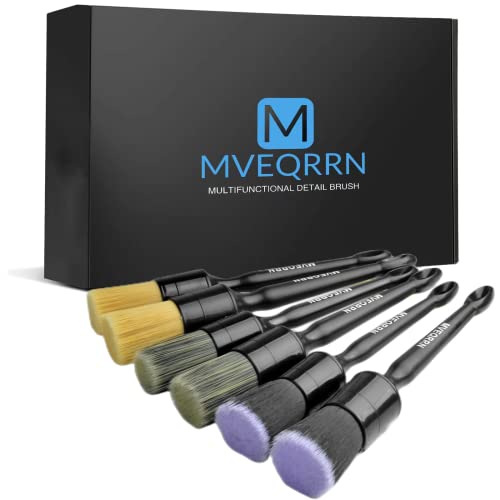 |
MVEQRRN 6 Pcs Car Detailing Brush Set, Boars Hair & SoftMVEQRRN | Upgrade pick | 6 Pcs · Boars Hair · Detailing Set | $16.53
Price as of 25 Oct 2026
|
View |
 |
Mothers Wheel Barrel Brush, 16-Inch Wheel Cleaning BrushMothers | Also great | 16-Inch · Red/Black · Polypropylene | $11.99
Price as of 25 Oct 2026
|
View |
 |
vioview Windshield Cleaner Tool, Car Interior Cleaning Kitvioview | Pair with it | 8-in-1 · Blue · Microfiber Kit | $9.99
Price as of 25 Oct 2026
|
View |
This comparison puts surface risk first, not price. A brush that works on wheel barrels can be the wrong tool for piano black trim or leather grain.
Use the table to match the brush to the contamination first, then narrow by handle length, stiffness, and how often you will need to replace it.
How we chose
We compared each brush across five points: bristle safety, stiffness, shape and reach, handle comfort, and cleanability. The aim is straightforward. A detailing brush should move dirt off a surface, not carry old grit into the next one.
We also weighed contamination risk. A brush for brake dust, baked-on grime, or rust needs a different failure margin than one used on emblems, vents, or touchscreens.
Finally, we looked at ownership cost. A cheap brush that sheds, bends out of shape, or holds residue can cost more over time than a better-made one that stays useful longer.
Detailing brush decision matrix
| Surface | Contamination type | Safest bristle material | Recommended stiffness | Ideal brush shape or length | Failure risk if misused |
|---|---|---|---|---|---|
| Clear coat and painted trim | Dust, light road film, polish residue | Natural boar hair or ultra-soft synthetic | Very soft | Short, compact head for precise control | Micro-scratches, haze, and dirt drag across the panel |
| Piano black interior trim | Finger oils, dust, light crumbs | Ultra-soft synthetic | Very soft | Thin, short brush with a narrow tip | Visible swirls and dulling |
| Leather grain | Body oils, seat dust, embedded residue | Soft horsehair or ultra-soft synthetic | Soft | Small round brush | Glossing, finish wear, or pushed grime in the grain |
| Textured plastic | Dust, dried dressing, trapped grit | Ultra-soft synthetic | Soft to medium-soft | Medium round brush or short angled head | Tip wear on the texture and dirty residue left behind |
| Wheel face | Brake dust, film, road grit | Synthetic or microfiber | Medium | Short-to-medium head with good reach | Brake dust transfer to paint and finish scuffs on polished surfaces |
| Wheel barrel | Baked-on brake dust, heavy grime | Durable synthetic | Medium | Long handle or barrel brush | Missed dust, contact with caliper hardware, or finish damage on polished barrels |
| Vent slats and button gaps | Dust, lint, crumbs | Microfiber or very soft nylon | Very soft | Thin profile or dual-head brush | Snagging, scratching, and trapped fibers |
| Rust, grille, heavy-duty metal | Oxidation, stuck debris | Nylon or brass wire, only on suitable substrate | Firm | Short utility brush | Scratching paint, polished trim, and coated surfaces |
| Brush type | Retire when you see | Main reason to replace |
|---|---|---|
| Boar hair | Persistent shedding, bent tips, or a dirty smell after washing | Shedding and contamination transfer |
| Ultra-soft synthetic | Frayed filaments, collapsed head shape, or residue that will not rinse out | Deformation and chemical wear |
| Wheel brush | Flattened edge, discolored fibers, or trapped brake dust after cleaning | Loss of cleaning safety and transfer risk |
| Vent or crevice brush | Split tips, bent neck, or snagging on trim | Loss of control in tight spaces |
| Wire brush | Loose wires, bent strands, or corrosion on the ferrule | Safety risk and substrate damage |
| Cleaning gel | Visible dirt saturation, loss of tack, or residue left behind | Contamination transfer and poor pickup |
MVEQRRN 6-piece set: best for mixed interior and exterior use
This set is the best all-around choice for most DIY detailers because it combines boar hair and softer brushes in one kit. Based on the listed specs and buyer feedback, it fits the common need to move from emblems to vents to light exterior trim without using one harsh brush everywhere.
It fits well if you want one purchase for interior hard surfaces and soft surfaces, which matches how many detail jobs actually unfold. Dual Autocare’s split between interior hard surfaces and soft surfaces is a useful way to think about that workflow.
The drawback is simple. A mixed kit rarely gives you the best specialist brush for every task. One brush may work on trim but not suit deep wheel barrels or delicate piano black.
Amazon Basics microfiber wheel brush: best for wheel-safe reach
This is the safer pick when wheel finish matters more than aggressive scrubbing. Its microfiber cover and 16.54" length make it better suited to wheel faces, barrel access, and tight spoke gaps where you want reach without hard bristles on painted or polished surfaces.
It works well for brake dust on everyday wheels, especially when you want a gentler touch on clear-coated or polished finishes. The long ergonomic handle also helps keep your knuckles away from the wheel face.
The tradeoff is cleaning power. Microfiber is less aggressive than a firmer nylon wheel brush, so baked-on contamination may take more passes and more cleaner.
Mothers wheel barrel brush: best for brake dust and deep barrels
This brush is the strongest fit for deep wheel barrels and heavy brake dust. The 16-inch length and chemical-resistant polypropylene bristles are aimed at hard-to-reach barrel surfaces where you need agitation more than softness, and the textured grip adds control.
It is a sensible choice for wheel-first buyers who clean a lot of lower-profile wheels or deeper barrel designs. Home Hygia’s note that wheel brushes often use long handles lines up with the access this type provides.
The drawback is surface risk. A firmer wheel brush can mark sensitive polished areas if you press too hard or carry grit from one wheel to the next.
CARCAREZ 10-inch soft bristle brush head: best for large exterior washing
This brush head makes sense for broad exterior washing where coverage matters more than detail work. The quad-sided head and hose-compatible design help cover larger panels, RV parts, truck exteriors, and other broad surfaces without constant repositioning.
It is best when you need a soft bristle tool for larger, less delicate exterior jobs. That makes it more of a wash tool than a precision detailing brush.
The drawback is precision. A 10-inch brush is not the right size for emblems, switchgear, or narrow trim gaps, and it can be awkward around tight bodywork.
Vioview windshield and interior kit: best for vents and glass corners
This kit is a good fit when you need a thin-profile interior tool for vents, corner glass edges, and small crevices. The extendable handle and microfiber pads add reach, while the included interior detailing brush covers the cramped areas many larger brushes miss.
It works well for modern interiors with screens, capacitive buttons, and glossy trim because the brush task stays small and controlled. That matters more than brute force in the cabin.
The drawback is that it is a general kit, not a dedicated vent-only brush. For heavy dust build-up in HVAC vents, a more purpose-built thin brush may still feel easier to control.
Which one should you buy?
If you want one brush set for most jobs, start with the MVEQRRN 6-piece set. It covers the widest mix of surface risk, and it gives you more than one bristle style for interior and exterior work.
If your priority is wheel care, buy the Mothers barrel brush first. If your wheels are polished or especially sensitive, the Amazon Basics microfiber wheel brush is the safer companion.
If you are on a budget and mostly wash larger exterior areas, the CARCAREZ brush head is the simplest buy. It is not a precision detailing tool, but it covers a lot of surface quickly.
If you clean vents, screens, and cabin crevices often, the vioview kit is the better fit. For mixed-use buyers, a small set plus one dedicated wheel brush usually beats one oversized general tool.
Say your car has piano black console trim, a dusty badge, and lightly soiled door pockets. A soft synthetic brush is the right first move for the console, while a slightly firmer but still soft brush can handle the badge without dragging grit across the gloss finish.
Suppose your wheels are coated but the barrels hold baked-on brake dust. Use a long barrel brush there, then switch to a separate, cleaner brush for painted trim. That one change avoids moving wheel contamination onto the body.
What are the best car detailing brushes for paint and trim?
For paint and trim, the safest choices are natural boar hair or ultra-soft synthetic brushes. Boar hair works well for delicate exterior work and trim, while ultra-soft synthetics are better when you want very soft, chemically resistant filaments for repeated interior and exterior use.
Do not use a firmer brush on clean paint just because it feels efficient. A dirty or stiff brush can put micro-scratches into clear coat and leave visible haze on gloss trim.
Which detailing brush bristles are safest for car interiors?
Ultra-soft synthetic filaments are the safest general choice for interiors because they balance softness with chemical resistance. Soft horsehair is also a solid option for leather care, especially when you want a gentler touch on grain and stitched surfaces.
For modern cabins, the safest brush is the one that stays soft and stays clean. Dusty bristles can still mar piano black trim or drag grit into soft-touch plastics.
What brush should I use for wheels and lug nuts?
Use a wheel brush with enough stiffness to move brake dust, plus a long handle or barrel reach for deeper wheel areas. For lug nuts and tight spokes, a smaller, pointed brush or narrow wheel brush helps reach recesses without forcing the bristles sideways.
For painted or polished wheels, choose the least aggressive brush that still clears contamination. A microfiber wheel brush is safer for finish protection, while a firmer polypropylene barrel brush is better for heavy dust.
How do you clean vents and interior crevices without scratching?
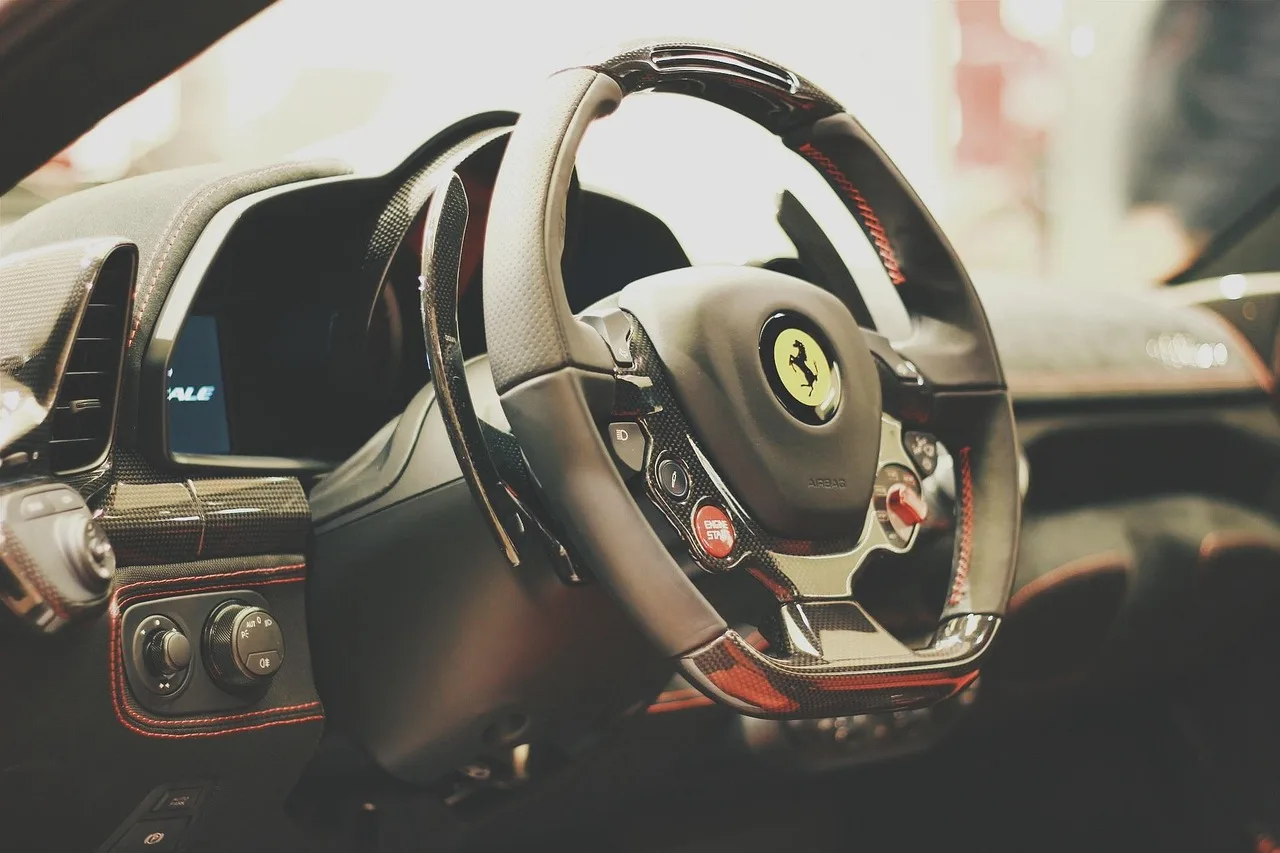
Use a vent brush with a thin profile, microfiber elements, or very soft nylon. The goal is to lift dust from slats, buttons, and seams without snagging the surface or pushing grit deeper into the gap.
A cleaning gel can help with button gaps and vent openings, but it is not permanent. It should be replaced when it picks up visible contamination or leaves residue behind.
Vent brushes and thin-profile tools
Dual-head brushes and narrow interior tools work best in HVAC vents, stitched seams, and around controls. A tight profile reduces contact with adjacent trim, which matters on glossy screens and soft-touch panels.
Keep one brush reserved for the cabin. That lowers the risk of moving wheel dust, rust particles, or exterior grit into the interior.
Cleaning gel for buttons and gaps
Cleaning gel molds into small spaces and pulls out dust where a brush cannot fit well. It works best on button clusters, vent gaps, and textured knobs, but it should be treated as a disposable contaminant collector.
The drawback is residue and transfer risk. Once the gel is dirty or loses tack, replace it instead of pressing it deeper into trim seams.
Interior-safe bristle choices
Inside the car, softer is safer only when the surface matches the dirt load. A very soft brush is right for piano black and screens, while slightly firmer synthetic bristles can be better for textured plastic and dried debris.
Brass or wire brushes do not belong here. They are for rust and heavy-duty metal work, not dashboards, switches, or leather grain.
Ferrules and handles to look
Look for reinforced ferrules, non-corrosive builds, and a handle that does not flex when you change direction. An ergonomic, non-slip grip matters because better control reduces accidental contact with adjacent paint or trim.
All-plastic construction can be a practical choice in wet, chemical-heavy work because it resists corrosion. It also tends to be easier to rinse clean after wheel or bay use.
- Match the brush to the surface first.
- Reserve one brush for wheels and another for interior use.
- Rinse or wipe the brush after each dirty panel.
- Retire brushes that shed, deform, or hold residue.
- Use the smallest effective brush for badges, vents, and crevices.
Do detailing brushes shed bristles onto paint?
Yes, some do. Lower-quality brushes can shed onto paint, trim, or wheel faces, and that matters more on black paint where stray fibers stand out immediately. Shed-resistant construction is worth paying for because loose bristles can also carry old dirt into the next surface.
Boar hair usually sheds less than a cheap loose-packed brush, but no brush should be trusted forever. Once the tips split or fibers start dropping, it stops being safe for delicate surfaces.
Are boar hair detailing brushes better than synthetic brushes?
Neither is universally better. Boar hair is often preferred for delicate trim, emblems, and paint-safe work because it is soft and shed resistant, while ultra-soft synthetic brushes are better when you want chemical resistance and broad interior compatibility.
Choose boar hair when the finish is fragile and the debris is light. Choose synthetic when the cleaner is stronger, the job is more repetitive, or the surface changes from trim to plastic to leather.
What size detailing brush do you need for badges and emblems?
Use a small brush head for badges and emblems so you can reach around raised lettering without forcing the bristles into the edge of the trim. A compact round brush gives better control than a large head, especially when dirt is trapped around adhesive edges.
The size should be small enough to work around the badge perimeter, not across it. That reduces the chance of dragging grime across painted surfaces.
What makes a detailing brush safe for delicate surfaces?
A delicate-surface brush is soft, clean, and shaped for control. The safest options are natural boar hair or ultra-soft synthetic filaments in the 0.1–0.3 mm range, because the smaller filament size helps reduce abrasion while still lifting light contamination.
Shape matters as much as softness. A narrow head, good balance, and a non-slip handle help you keep the brush on target instead of across the adjacent finish.
Frequently asked questions
How do I clean air vents and tight crevices without scratching?
Use a thin-profile vent brush, a microfiber tool, or a soft nylon brush with a narrow head. For button gaps, cleaning gel can work well, but it should be replaced once it becomes dirty or starts leaving residue behind.
Products related to this article
Sponsored / affiliate links. As an Amazon Associate I earn from qualifying purchases. I may earn additional commission from eligible campaigns.
 15-Piece Car Detailing Brush Set for Wheels, Bumpers, Air Vents – Includes 5 Detailing Brushes, 3 Wire Brushes, 1 Wheel Brush, PP Material
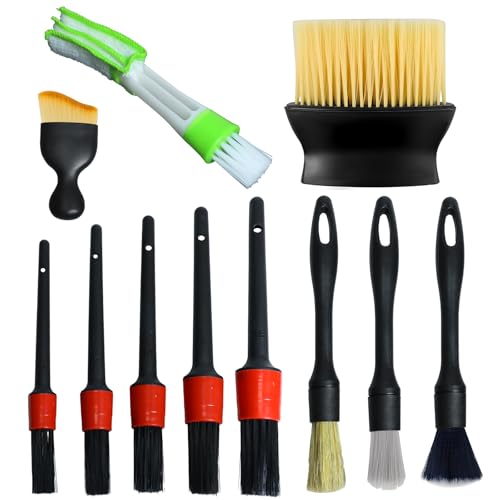 11 Pcs Car Interior Detailing Brush Set, Car Interior Soft Cleaning Brush for Interior Automotive Air Vent, Dashboard, Leather, Wheel, Air-Conditioning Outlet Cleaning