Best Car Maintenance Cleaners for Engine Bays (2026): we compared
Pick a water-based APC for light grime, a citrus degreaser for medium grease, and a solvent-safe engine cleaner for heavy oil; if plastic, sensors, or fresh paint are exposed, start with the mildest product first. Wrong chemistry stains plastics, softens hoses, strips labels, and sends you back in for repeat cleaning or misfire checks. This guide matches cleaner type to dirt level, bay materials, spray method, and the products worth buying for each job.
Best car maintenance cleaner for engine bays: top pick for most DIY jobs
The best overall cleaner is the one that clears mixed grime without beating up plastics, rubber, or sensors. For most DIY engine bays, that means a water-based, low-residue cleaner first, then a stronger step only when grease really calls for it.
That is the right way to approach engine-bay cleaning. Light dust tends to need a wipe-friendly cleaner, oily film may need more wetting power, and baked-on grease often benefits from foam, dwell time, and brush agitation. A heavy degreaser on a lightly dirty bay creates residue, streaking, and extra cleanup.
Why this pick wins for mixed grime and mixed materials
A water-based cleaner is the safest starting point when the bay has plastic covers, wiring, rubber hoses, and painted panels in the same space. It usually rinses or wipes off more easily, which matters when you are working around exposed connectors, aftermarket intakes, and open filters.
When a different cleaner is the better call
If the bay is packed with tight seams and oily buildup, a foaming engine degreaser is the better tool. If the engine bay has heavy grease but the owner wants lower odor and easier disposal, a biodegradable degreaser is worth a look. For frequent maintenance, a solvent-free cleaner is often the safer long-term choice on plastics and rubber.
According to Top Engine Bay Cleaners for a Deep, Safe Clean 2026 — WD-40 Specialist is described as a "low-residue foam" cleaner.
Quick picks
- Foaming engine degreaser: best for tight, greasy bays where the cleaner needs to cling and work into seams.
- Water-based engine cleaner: best for sensitive plastics, rubber, and mixed-material bays that need a safer first pass.
- Biodegradable degreaser: best for heavier jobs when odor, runoff handling, and disposal concerns matter.
- Solvent-free engine cleaner: best for frequent use and for reducing staining risk on plastics and rubber.
- All-purpose concentrated degreaser: best for people who want gallon-size value and one cleaner for engines, tools, and wheel wells.

Quick comparison
| Product | Badge | Best for | Price | ||
|---|---|---|---|---|---|
 |
Gunk Engine Degreaser – Original Degreaser Cleaner Spray –Gunk | Our pick | Heavy-duty spray for older, greasy engines | $15.99
Price as of 2 Oct 2026
|
View |
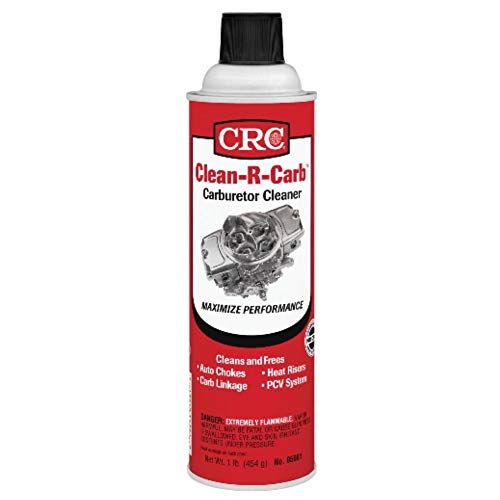 |
CRC 05081F Engine CleanerCRC | Also great | Standard CRC engine cleaner accessory | $17.49
Price as of 2 Oct 2026
|
View |
 |
Turtle Wax Fresh Interior Detailer Multi Surface CleanerTurtle Wax | Pair with it | Interior detailer with UV protection | $12.32
Price as of 2 Oct 2026
|
View |
 |
Sonax 543200-740 Engine Cold Cleaner, 500ml (Non-CarbSONAX | Upgrade pick | 500ml professional-grade engine cold cleaner | $19.99
Price as of 2 Oct 2026
|
View |
 |
Chemical Guys Grime Reaper Engine Degreaser, Heavy DutyChemical Guys | Budget pick | Heavy-duty degreaser for volume detailing work | $13.99
Price as of 2 Oct 2026
|
View |
Light dust often does well with a water-based or solvent-free cleaner rather than a strong degreaser. Oily film can go either way depending on how much plastic sits in the bay, while baked-on grease is where foam and a stronger degreaser earn their keep.
How we chose
The selection logic starts with dirt level, not brand. Light dust, oily film, and baked-on grease are different jobs in the bay.
Next comes bay sensitivity. Open electrical connectors, aftermarket intakes, exposed filters, and soft plastics push the choice toward milder chemistry and tighter spray control.
We also weighed application method. Foam helps in seams, spray-and-wipe suits lighter soil, and spray-and-rinse works best when the bay can take more water and the cleaner rinses cleanly.
Value matters, too. A one-time detail calls for a different bottle size than seasonal upkeep or cleaning more than one vehicle.
| Contamination level | Bay sensitivity | Application method | Best product type | Best use case |
|---|---|---|---|---|
| Light dust | High sensitivity, open connectors | Spray and wipe | Water-based or solvent-free engine cleaner | Routine maintenance and quick refreshes |
| Oily film | Moderate sensitivity | Foam or controlled spray, then brush | Foaming engine degreaser | Seasonal cleanups with visible grease |
| Baked-on grease | Lower sensitivity or well-covered components | Spray, dwell briefly, agitate, rinse | Heavy-duty biodegradable or concentrated degreaser | Deep cleans on neglected bays |
| Mixed grime | Mixed plastics, rubber, and wiring | Targeted spray-and-wipe | Water-based engine cleaner | Most DIY engine-bay jobs |
Which cleaner should you buy?
If the bay has light dust and the components look exposed, start with a water-based or solvent-free cleaner. That keeps residue lower and cuts the odds of streaking on plastics.
If the bay has oily film around valve covers, intake runners, or seam edges, move up to a foaming engine degreaser. Foam clings longer, which helps it work into crevices and makes brush work more effective.
If the engine bay has baked-on grease or years of road film, choose a stronger degreaser or a biodegradable heavy-duty option. If the owner wants one bottle for many jobs, an all-purpose concentrated degreaser can be diluted and used beyond the engine bay.
Foaming engine degreaser: best for tight engine bays
This type fits best when grease hides in seams, brackets, and small gaps. Foaming engine degreasers work into crevices well, and the spray lets the cleaner sit where a thin liquid would run off too fast. They are often low-residue, which helps in tight bays where wipe access is limited.
Gunk Engine Degreaser fits the heavy-duty end of that job, especially for older, greasy engines. Based on the spec sheet and owner feedback, it makes sense for hard-working bays that need a spray-on cleaner with minimal scrubbing. The drawback is simple: stronger foam is not the first choice when plastics, sensors, or open filters sit close to the grime.
Water-based engine cleaner: best for sensitive parts
This is the safer first step around plastics, rubber, and mixed electrical hardware. Water-based engine cleaners are common in consumer formulas because they are usually easier to wipe or rinse away, and they cut the chance of sticky residue building up on trim and sensor housings.
Sonax 543200-740 Engine Cold Cleaner is a practical example of that approach. Based on the listed product details, the 500 ml size suits careful spot cleaning or a moderate bay, and the cold-cleaner format fits a controlled application plan. The tradeoff is volume: it is not the bottle for repeated full-bay degreasing on multiple vehicles.
Biodegradable degreaser: best for seasonal deep cleans and all-purpose value
A biodegradable degreaser is a smart pick when the bay needs real cleaning power but odor and disposal concerns matter too. That does not make it gentle by default; it can still be a heavy-duty cleaner, so the user should treat it like a strong product and keep it off sensitive spots unless the label says otherwise.
Chemical Guys Grime Reaper fits the heavy-duty, refill-friendly role. Based on the spec sheet and reviews, it is aimed at volume detailing work and can be diluted for other tasks, which helps if the same product also gets used on tools or wheel wells. The drawback is the usual one with concentrated strength: it rewards disciplined dilution and careful application, not casual overspray.
Solvent-free cleaner: best for frequent use
Solvent-free engine cleaners are the safer everyday option when plastics, rubber, and labels are common in the bay. They reduce staining risk and make frequent maintenance less stressful, especially when the goal is to clean light grime before it hardens into a bigger job.
Sonax 543200-740 is not the only route here, but the solvent-free category is the point: use it when you want a lower-risk formula for recurring cleanups. The honest limitation is cleaning speed; solvent-free products can need more dwell time or more careful wiping on heavier deposits.
All-purpose concentrated degreaser: best for frequent multi-vehicle use
An all-purpose concentrated degreaser makes sense when one product has to serve more than one surface. It is often better value in gallon sizes, and it can be diluted for engines, tools, and wheel wells without buying a separate bottle for each task.
This is the route for owners who clean more than one vehicle or who already keep a detail kit in the garage. The drawback is simple: dilution discipline matters, and a stronger mix is not automatically safer on plastics or wiring.
What is the best cleaner for an engine bay?

The best cleaner for an engine bay is the one matched to grime and material sensitivity. For light dust, a water-based or solvent-free cleaner is usually enough. For oily film, foaming engine degreaser works well. For baked-on grease, a stronger biodegradable or concentrated degreaser is the better call.
The wrong choice causes the most problems. Too strong, and it can leave residue on sensors or streaking on plastics. Too weak, and the user scrubs longer than needed, which raises the risk of pushing grime into seams and connectors.
Can I use engine degreaser on plastics and rubber?
Yes, but only if the label says the product is safe for those materials and the cleaner is chosen conservatively. Water-based and solvent-free formulas are usually the better starting point around plastics and rubber, while aggressive solvents can stain trim, dull finishes, or soften vulnerable pieces.
The real issue is contact time and residue. A cleaner left to dry on plastic is more likely to streak or haze than one wiped promptly. Around rubber seals, controlled spray beats flooding the area.
Do I need to spray engine cleaner on a cold engine?
Yes. Cold-engine application is the safer and more effective approach because it reduces flash-drying, lowers the risk of heat-related damage, and gives the cleaner time to dwell instead of evaporating immediately. A recently overheated engine should be allowed to cool fully before any cleaning starts.
Hot surfaces can also make residue harder to remove. Cleaners may streak on plastic, dry on wiring, or leave spots on painted surfaces when the bay is still warm from driving.
What’s the safest way to clean a dirty engine bay?
The safest method is a cool-engine, controlled-application process: protect vulnerable openings, use the mildest cleaner that fits the grime, agitate gently, and avoid soaking connectors. Spray-and-wipe is safest on sensitive bays; spray-and-rinse belongs only on bays that can tolerate water and cleaner runoff.
Open electrical connectors, aftermarket intakes, and open filters deserve extra attention. They should be covered or avoided, not treated like painted sheet metal. That is where many cleanup mistakes start.
The safe engine-bay cleaning checklist
- Make sure the engine is cool before any spray touches the bay.
- Cover exposed filters, open intakes, and vulnerable openings.
- Spray the right amount, then let it dwell briefly without drying.
- Agitate seams and greasy spots with a detailing brush, then wipe with a microfiber towel.
- Rinse only if the cleaner and bay layout allow it; otherwise finish with a careful wipe-down without soaking connectors.
That order matters. Brush before wipe on stubborn seams, but do not scrub so hard that grime moves into wiring or around seals. Microfiber towel work is best for spray-and-wipe jobs because it reduces scratching on plastics and painted covers.
Should I choose a foaming engine cleaner or a spray degreaser?
Choose foam when the bay is tight, greasy, and full of crevices. Choose a spray degreaser when coverage is more open and you need quick wetting or a wipe-first method. Foam clings better; spray is easier to control around sensitive parts.
Foam usually pairs well with a detailing brush because the cleaner stays put while the brush breaks down the film in seams. Spray degreaser is often better for a light to moderate bay where the goal is controlled cleanup rather than long dwell time.
How much engine cleaner do I need for one car?
For one car, a typical sedan-sized bay usually needs far less than a full bottle if the goal is routine cleaning. The amount depends on grime level, bay size, and whether the method is spray-and-wipe or spray-and-rinse. Heavy contamination raises usage quickly.
If the cleaner is concentrated, use only what the label recommends and dilute carefully. For a one-time detail, a small bottle is often enough. For seasonal upkeep or multiple vehicles, gallon-size or refillable concentrate tends to make more sense.
Which engine cleaner is best for heavy grease versus light dust?
Heavy grease needs a stronger degreaser, usually foam or a concentrated formula with enough dwell time to break the bond. Light dust does not need that kind of chemistry; a water-based or solvent-free cleaner and a microfiber towel are usually enough.
When grime has baked on, a detailing brush becomes part of the process. When the bay is mostly dusty, brushing aggressively can do more harm than good by spreading debris into seams.
Are biodegradable engine degreasers effective?
Yes, biodegradable engine degreasers can be effective, especially on heavier grime where lower odor and easier disposal matter. Biodegradable does not mean weak, and it does not mean safe on every surface. It still needs careful use around wiring, plastics, and open filters.
The advantage is practical: for frequent detailers or owners cleaning in a garage, lower odor can make the job easier to live with. The tradeoff is that some biodegradable formulas still need dwell time and agitation to perform well.
What should I avoid when cleaning an engine bay?
Avoid cleaning a hot or recently overheated engine, avoid saturating exposed electrical connectors, and avoid using the strongest degreaser available on sensitive plastics. Also avoid letting cleaner dry on trim or sensors, because residue and streaking are common failure points.
Another mistake is using a harsh product when a lighter one would do. Overcleaning can be as messy as undercleaning, especially when it forces extra rinsing around aftermarket intakes or open filters.
Can I use an engine cleaner on wheel wells or undercarriage?
Yes, many concentrated degreasers can also be used on wheel wells or the undercarriage if the label allows it and the dilution is correct. That is one reason all-purpose concentrated degreasers are useful for owners who want a single product for more than just engine bays.
Still, wheel wells and undercarriages bring their own contamination, brake dust, and corrosion concerns. Test a small area first, especially on coated surfaces or near rubber parts, and do not assume an engine-bay mix is the right strength everywhere.
Frequently asked questions
What is the best cleaner for an engine bay?
The best cleaner is the one matched to the grime and the bay’s sensitivity. Water-based and solvent-free formulas are the safest starting point for mixed-material bays, while foaming or heavy-duty degreasers make more sense only when grease is obvious and access is tight.
Can I use engine degreaser on plastics and rubber?
Yes, if the label allows it and you keep the product mild enough for the job. Water-based and solvent-free cleaners are usually safer around plastics and rubber than aggressive solvent-heavy formulas, which can leave streaks, dull finishes, or discolor sensitive trim.
Do I need to spray engine cleaner on a cold engine?
Yes. A cool engine is safer and easier to clean because the product stays wet long enough to work. Heat speeds evaporation, increases streaking, and raises the chance of trouble around hoses, connectors, and plastic covers.
What’s the safest way to clean a dirty engine bay?
Use a cool engine, cover vulnerable openings, choose the mildest effective cleaner, and work in small sections. Agitate with a detailing brush, wipe with microfiber, and rinse only when the bay layout and cleaner choice support it.
Should I choose a foaming engine cleaner or a spray degreaser?
Choose foam for tight bays, seam-heavy areas, and grime that needs to cling before brushing. Choose spray for easier control, lighter contamination, and situations where sensitive parts make overspray a bigger concern than dwell time.
Can I use an engine cleaner on wheel wells or undercarriage?
Sometimes, yes. Concentrated degreasers are often the best bet for wheel wells and undercarriage work, but only when the dilution and surface compatibility make sense. Always check the label and test a small area first.
Products related to this article
Sponsored / affiliate links. As an Amazon Associate I earn from qualifying purchases. I may earn additional commission from eligible campaigns.