Car Maintenance Plan Review: Is It Worth the Price Today?
A prepaid car maintenance plan is worth buying only when the total contract price comes in below paying for the same scheduled services yourself, ideally by 10% to 15%, and you expect to keep the vehicle long enough to use most of it. Buy the wrong plan, and you can pay extra for oil changes, filters, and inspections you never reach. This review compares plan pricing, break-even math, actual service use, and when dealer convenience beats self-pay.
This guide is part of our Car care and upkeep guide series.
Verdict


The short version: a prepaid maintenance plan fits best when your driving pattern matches the included service window, the dealer is close enough that you will actually use it, and you compare the contract against the owner’s manual maintenance schedule, not against repair costs. Drive less than the plan assumes, sell early, move away, or finance the contract into a long loan, and the math can turn against you fast.
📊 Toyota’s new-car maintenance example in Consumer Reports is two years or 25,000 miles. Source: Prepaid Car Maintenance Plans: Are They Worth the Cost?.
Specs at a glance
| Item | What to check | Why it matters |
|---|---|---|
| Plan type | Prepaid maintenance plan | Covers scheduled services, not repairs |
| Service benchmark | Owner’s manual maintenance schedule | Manufacturer-recommended timeline based on mileage or age |
| Common inclusions | Oil changes, filter changes, inspections | These are the baseline items most plans are built around |
| Possible add-on in some factory bundles | Brake fluid service | Included in some newer factory maintenance bundles, but not all |
| Common exclusions | Brake pads, tires, wiper blades | Wear items usually stay outside the contract |
| Service location | Dealer network or contract network | Some plans restrict where service is performed |
| Factory-backed plan | Brand dealership network | Honored at dealerships that sell that brand and may require OEM parts and factory-specified oil |
| Financing | Can be bundled into an auto loan | Adds interest cost |
| Purchase timing | Can often be bought later | You do not have to decide during final paperwork |
| Transferability | May transfer to a new owner | Useful if you sell before the plan expires |
Who it is for
A prepaid maintenance plan is for drivers who will actually use the scheduled services on time and stay near a dealer or approved shop long enough to collect the benefit. Low-mileage owners can underuse the plan. High-mileage owners can use it fully, but only if the contract matches the service intervals and the location rules fit their routine.
Low-mileage drivers who may underuse the plan
Low-mileage owners are the most likely to lose value. If you drive far below the plan’s assumed annual mileage, the contract can outlast your actual service needs, and you may pay for visits that would not have been due yet under the owner’s manual maintenance schedule.
Say your sedan needs oil changes every 7,500 miles, but you drive only 6,000 miles a year. A plan built around more frequent visits can look cheap per service while still costing more than pay-as-you-go, because you never reach the full number of included visits.
Average-mileage owners near the break-even point
Average-mileage drivers sit near the line where a plan can work or miss. The deciding factors are the exact number of included services, dealer pricing for each interval, and whether the contract includes extras like brake fluid service or only the basic oil-and-filter cycle.
High-mileage drivers who may use the full benefit
High-mileage drivers usually get the best shot at value because they are more likely to use every scheduled visit during the contract term. The catch is simple: if the plan limits service by time or mileage and your ownership runs past that window, the later miles are on you.
What does a prepaid maintenance plan usually cover?
Most prepaid maintenance plans cover only regularly scheduled maintenance listed in the owner’s manual. That usually means oil changes, oil filters, and related inspections at fixed mileage or time intervals. Some factory bundles also include brake fluid service, but you need the contract to confirm that detail.
Scheduled oil changes and filter changes
Oil changes are the usual baseline for value comparison because they are frequent, easy to price, and easy to compare against the dealer’s à la carte menu. If a plan does not save money on oil changes and filters, it rarely makes up the gap with light add-ons alone.
Brake fluid service in some factory bundles
Brake fluid service can appear in newer factory maintenance bundles, but it is not a given. That matters because brake fluid service is interval-based and can be expensive enough to move the math, especially if the bundle includes it at no extra charge.
Services that are often not included
Prepaid maintenance plans usually do not cover brake pads, tires, or wiper blades. Those are wear items, and they belong in the fine print check before you sign. A contract that sounds broad can still leave the expensive parts of ownership on your dime.
What works and what does not
The main strength of a plan is predictability. You know what the scheduled visit should cost, and at a factory-backed dealer, the work is typically done with genuine OEM parts and factory-specified engine oil. The weakness is equally clear: the contract can become overpriced if your life no longer fits the dealer’s schedule or location.
Dealer convenience and predictable service costs
Dealer convenience matters when you want one place to handle scheduled service and you expect to keep the car within the same brand network. Factory-backed plans are honored at dealerships that sell that brand, which can simplify service routing and parts consistency.
How dealer distance and early resale hurt value
Distance is a real cost. If the nearest approved dealer is far away, every service visit adds time and fuel, and that friction can erase the value of a plan that looked good on paper. Early resale can do the same if you leave before the contract term ends, even when a plan is transferable.
Why financing the plan can change the math
Consumer Reports says all plans can be bundled into an auto loan, which adds interest cost. That changes the real price of the plan, because you are no longer paying just the contract amount. You are paying interest on top of it for the life of the loan.
Buyer decision matrix: when the plan pays off
This matrix uses simple example math to show the break-even logic. Replace the sample numbers with the dealer’s quote and your owner’s manual intervals before deciding. The point is not the exact dollar amount. The point is whether your ownership pattern lets you use enough covered visits to beat pay-as-you-go.
| Ownership pattern | Included services likely used | Likely exclusions | Example annual cost | Financing interest impact | Dealer-distance friction | Recommendation |
|---|---|---|---|---|---|---|
| Low-mileage | 1 oil change, 1 inspection cycle, maybe 1 filter visit | Brake pads, tires, wiper blades | Example plan: $600 over 3 years; self-pay equivalent: $360 | If rolled into a 60-month loan at any APR, the real cost rises above $600 | High if the dealer is farther than a short routine trip | Skip unless the plan is deeply discounted or transferable |
| Average-mileage | 2 to 3 oil changes, filter changes, possible brake fluid service if included | Brake pads, tires, wiper blades | Example plan: $800 over 3 years; self-pay equivalent: $720 | Even modest loan interest can erase the small gap | Medium if the dealer is on a normal commute path | Negotiate if price drops below self-pay plus a buffer |
| High-mileage | 3 or more oil changes, multiple filter visits, possible fluid service | Brake pads, tires, wiper blades | Example plan: $900 over 3 years; self-pay equivalent: $1,150 | Loan interest still matters, but the service savings may absorb it | Low if a brand dealer is nearby | Buy if coverage matches your schedule and contract limits |
For a real decision, compare service interval pricing, not just the contract sticker price. If the plan covers three oil changes and the dealer charges less than the plan’s per-visit math on the same interval, the contract is weak. If the bundle also includes a scheduled brake fluid service and your manual calls for it during ownership, the value can improve fast.
Alternatives
If the plan fails the break-even check, there are three cleaner paths: pay as you go, negotiate a lower contract price, or wait and add coverage later. The best choice depends on your mileage, your loan terms, and how often you expect to visit the same dealer.
Pay as you go using the owner’s manual schedule

The AstroAI digital tire pressure gauge is a basic alternative for owners who want to stay on top of routine maintenance without buying a prepaid contract. Based on specs and reviews, its wide pressure range and backlit screen help with regular checks, but it does nothing for oil changes, and the battery-powered design means it is still just a tool, not service coverage.
Negotiating the plan price
The ANCEL AD310 is not a maintenance plan substitute, but it can support a pay-as-you-go approach by helping you read engine codes before a visit. That can keep minor issues from being misread as major ones. The drawback is obvious: it reads and clears codes, yet it does not perform maintenance, and it will not replace scheduled service.
Adding coverage later instead of at signing
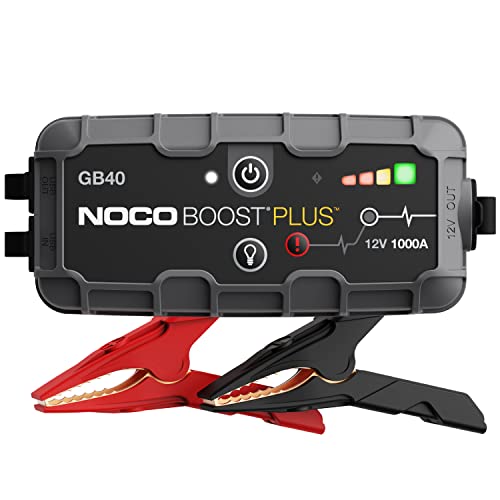
The NOCO Boost GB40 is another practical backup for owners who skip a prepaid plan and prefer to stay flexible. Based on specs and reviews, it helps with dead batteries and adds a power bank and flashlight, but it is no substitute for scheduled maintenance, and its higher price makes it less appealing if you only want a simple maintenance tool.
Should you buy it?
Buy a prepaid maintenance plan if the contract tracks your owner’s manual schedule, the dealer network is convenient, the price beats self-pay by a meaningful margin, and you expect to keep the car long enough to use most of the included visits. Skip it if you drive too little, plan to sell early, or would need to finance the plan and pay interest on it.
- Pull the owner’s manual maintenance schedule and list the visits due during your expected ownership.
- Ask the dealer for a line-by-line contract showing oil changes, filters, brake fluid service, and exclusions.
- Price each included service à la carte at the same dealer.
- Add financing interest if the plan will be rolled into the auto loan.
- Check where the service can be done and how far that dealer is from home or work.
- Ask whether the plan is transferable if you sell early.
- Buy only if the plan still wins after all of that math.
Dealer F&I managers often pitch these plans during final paperwork, when the purchase feels nearly finished. That timing is not a reason to rush. If the numbers are good, the plan will still be good after a pause. If the numbers are weak, a pause is exactly what you need.
Frequently asked questions
Are car maintenance plans worth it?
Sometimes. They are worth it when the plan price is lower than the same scheduled services bought one by one, your mileage lines up with the contract term, and the dealer network is easy to use. If you drive less or sell early, value tends to fall quickly.
Is a prepaid maintenance plan cheaper than paying as you go?
Only when the contract price undercuts the total cost of the scheduled services you will actually use. Compare oil changes, filters, and any included brake fluid service against the dealer’s menu price. If the savings are thin, loan interest and underuse can wipe them out.
What does a car maintenance plan usually cover?
Most plans cover regularly scheduled maintenance from the owner’s manual, especially oil changes and filter changes. Some factory bundles add brake fluid service. The coverage is usually limited to service, not repairs, so the contract should spell out each visit and interval clearly.
What is not covered by a maintenance plan?
Brake pads, tires, and wiper blades are usually excluded, along with most wear items and repairs. That matters because those parts can cost real money, but they are not the same as scheduled maintenance. Read the exclusions page before you assume the plan is broad.
Can you buy a maintenance plan after you buy the car?
Yes, often you can. Consumer Reports says you do not have to decide at purchase, and plans can be bought from any dealer, not only the selling dealer. That gives you time to compare prices, read the contract, and decide without signing under pressure.
Should I finance a maintenance plan with my auto loan?
Usually only if the discount is large enough to absorb the added interest. Consumer Reports says a plan can be bundled into the loan, which raises the real cost. If you finance it, compare the total paid over time against the same services bought separately.
is toyota maintenance plan worth it
Toyota’s new-car maintenance example in Consumer Reports is two years or 25,000 miles. That can be good value for drivers who will keep the car in that window and use the included visits. If you drive lightly or sell before then, the plan is easier to skip.
are car maintenance plans worth it
They are worth it only when the plan matches your mileage, service schedule, and ownership length. A plan that looks inexpensive per visit can still lose if you move, underuse the benefits, or finance it into a loan that adds interest over several years.
are prepaid car maintenance plans worth it
They can be, but only for the right buyer. The best case is a driver who will use most scheduled services, prefers dealer service, and has a contract that stays cheaper than paying each visit separately. The weak case is short ownership and low annual mileage.
Products related to this article
Sponsored / affiliate links. As an Amazon Associate I earn from qualifying purchases. I may earn additional commission from eligible campaigns.