Best Car Window Shades for Heat Protection (2026): We Compared
The best car window sun shades for legal heat protection are custom-fit reflective windshield shades, then static-cling side shades and windshield covers with light-transmission-compliant tints. Poor choices can block visibility, break state tint rules, and still leave the cabin too hot. This guide ranks options by heat reduction, UV blocking, driver visibility, window function, and on-road legality.
Quick comparison
| Product | Badge | Best for | Price | ||
|---|---|---|---|---|---|
 |
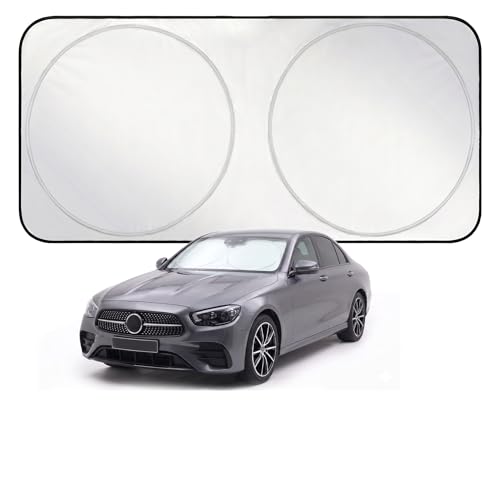
EcoNour Car Windshield Sun Shade, Front Window Sun BlockerEcoNour | Our pick | Front windshield · foldable · overlap design | $13.99
Price as of 1 Nov 2026
|
View |
 |
EzyShade Car Windshield Sun Shade. See Vehicle Size-Chart.EzyShade | Also great | Medium · foldable · Shield-X reflective | $14.99
Price as of 1 Nov 2026
|
View |
 |
Car Front Side Window Shades,2 Pack Breathable Mesh CarYayalovehomee | Also great | Front side windows · mesh · 2-pack | $13.98
Price as of 1 Nov 2026
|
View |
 |
2026 Windshield Sun Shade Umbrella, Foldable Car Sunshade,JASVIC | Also great | Large · umbrella style · 99% UV | $13.99
Price as of 1 Nov 2026
|
View |
This comparison separates parked-only heat blockers from shades that can stay useful without creating a visibility problem. The real question is which shade cuts heat and still leaves the driver’s view, mirrors, and window controls usable.
Use the table below as a compliance screen first. If a shade blocks sight lines or stops a window from working, it should stay in the parked-only column unless the product instructions and local law clearly say otherwise.
How we chose
Selection uses manufacturer specs, listing details, and published buyer feedback. The cut focused on fit range, storage style, reflective or UV-blocking claims, installation method, and whether the design is likely to create visibility or window-function problems.
That approach matters here because a shade can control heat and still be a poor road choice. The best options reduce cabin heat when parked, and they also keep the driver’s view and controls clear enough for normal use.
One common first-timer mistake is buying a windshield shade that looks “universal” but is too tall for a coupe windshield or too narrow for a truck. Another is choosing a side-window shade that fits the glass but forces the window to stay up all day.
Sun shade compliance table
| Shade type | Best use case | Visibility impact | Window roll-down | Parked only or driving use | Fit risk | Compliance check |
|---|---|---|---|---|---|---|
| Reflective windshield shade | Parked heat control, interior fade reduction, steering wheel and seat surface protection | High if left in place while driving; it belongs outside the driver’s view when the vehicle is moving | No effect when removed; blocks normal use if left installed | Parked only | Medium to high if windshield width varies by sedan, SUV, truck, or coupe | Yes for parking use only; no for driving use |
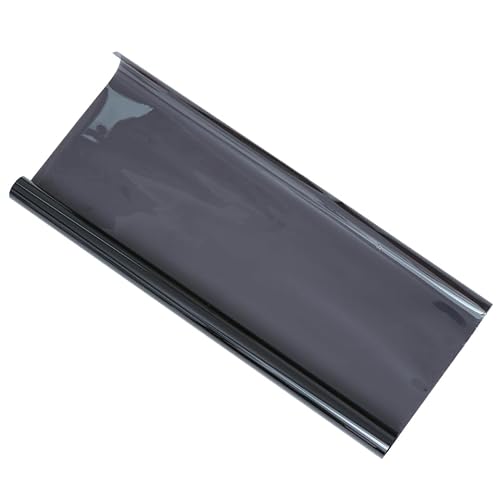
| Static-cling side-window shade | Rear-seat comfort, glare reduction, UV blocking on passenger windows | Lower when installed on side glass, but still a visibility issue if it covers the driver’s side or mirror area | Often no; some designs must come off before the window goes down | Usually parked only unless the product specifically allows driving use and local law permits it | Medium; side glass size varies less than windshields but still matters | Yes only if it does not block the driver’s view, mirrors, or controls |
| Mesh side-window screen | Passenger comfort and sun reduction on side glass | Medium; mesh still changes outward visibility through the glass | May limit roll-down depending on the mount | Best treated as parked use unless the maker says driving is allowed | Medium | Check for obstruction risk and window-control interference |
| Retractable or accordion windshield shade | Frequent parking in strong sun, quick storage, repeat use | High if left up while driving | Removed for driving; folded away for storage | Parked only | Medium | Yes for parked use if it fits the windshield without blocking cameras or sensors |
Windshield shade: best for parked heat
EcoNour Car Windshield Sun Shade is the best fit for drivers who want a simple parked-heat blocker with broad vehicle coverage. The listing says it comes in seven sizes, from 59 x 21 inches to 69 x 39 inches, and the overlap design helps improve fit across different windshield widths.
It suits sedans, SUVs, and many trucks because the sizing range is wide enough to account for windshield variation. The pop-open build and foldable format make it practical for daily parking use, and the 240T polyester construction gives it a common reflective-shade profile for heat blocking.
The drawback is the same one that affects most one-piece windshield shades: fit matters. If the size is wrong, the shade may bow, leave gaps, or press against cameras, sensors, or the rearview mirror area.
For drivers who want a straightforward windshield blocker that is easy to deploy and easy to store, this is a strong place to start. The best use is parked-only heat control, not driving use.
Side-window shade: best for passengers
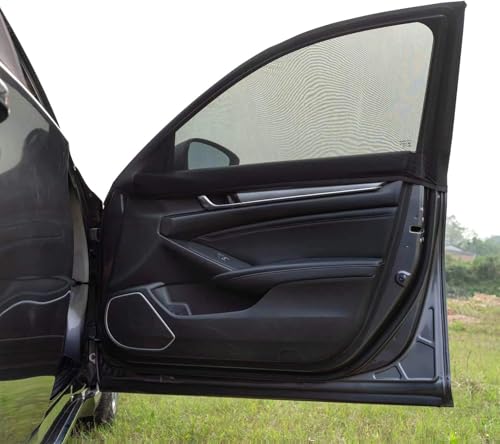
Yayalovehomee Car Front Side Window Shades fit drivers who want side-window sun control without a bulky windshield panel. The listing describes a two-pack mesh design for front side windows, with a claim that it fits many sedan cars and medium SUVs.
The biggest advantage is function: the windows can roll up or down freely, which gives it an edge over many cling or frame-mounted side shades. That makes it useful for parked comfort and for situations where the side glass needs to keep working normally.
The drawback is that mesh shade material does not act like a solid reflective windshield blocker. It reduces sun rays and glare, but it will not usually match the heat blocking of a covered windshield, and it still changes visibility through the glass.
That makes this a better choice for passengers than for a driver who needs an unobstructed view on the road. If you want side-window comfort with less window-function conflict, this is the cleaner fit.
Retractable shade: best for easy storage
EzyShade Car Windshield Sun Shade is the best choice here for drivers who want a compact, store-friendly windshield option with a more tailored fit approach. The listing says it offers three sizes for its two-piece reflective sun shade, and the pieces can overlap to adjust coverage on narrower windshields.
That overlap matters for vehicle size classes where a one-size panel often leaves gaps. It also helps when you move between a sedan, coupe, SUV, or truck with different windshield widths, as long as you check the manufacturer’s size chart for your exact model.
The drawback is that two-piece designs can take a little more attention to position correctly. If the overlap is off, the coverage may not sit evenly across the glass, and that can reduce the benefit you bought it for.
For storage, this style is hard to ignore. It folds easily, and the smaller packed size is useful if you keep a shade in the door pocket, trunk, or under a seat.
Windshield shade: best for trucks and SUVs
JASVIC 2026 Windshield Sun Shade Umbrella is the clearest truck-and-SUV pick in this group because the listing gives it a large format and a foldable umbrella-style construction. It is sized for bigger front glass and is aimed at auto windshield covers for trucks and cars.
The appeal is quick use. The umbrella format opens and closes quickly, and the compact fold makes it easier to store than many full-panel reflective shades. The listing also claims 99% UV block and heat insulation protection, which makes it a strong parked-heat option on paper.
The drawback is fit and obstruction risk. A large umbrella shade still needs to sit correctly so it does not interfere with the mirror area, dash cameras, or factory sensors. It is also a parked-only item, since it blocks forward visibility.
For large cabins and broader windshields, this design is often easier to manage than a stiff panel. It is especially useful when you want a quick deploy-and-stow routine after parking.
What is the best car window sun shade for heat protection?
The best choice for heat protection is a custom-fit reflective windshield shade, especially one sized to your exact windshield and made to block direct sun at the front glass. That gives you the most practical heat control because the windshield is the largest sun-facing opening and the biggest source of cabin heat buildup.
Reflective silver outer layers matter because they reflect sun before it enters the cabin. That helps reduce the load on the dashboard, steering wheel, and seat surfaces, which are the parts most likely to get uncomfortably hot after parking in full sun.
For side windows, static-cling and mesh shades can help with UV exposure and passenger comfort, but they are secondary tools. They are not a substitute for a good windshield blocker when the goal is to keep the cabin cooler.
Do windshield sun shades really keep a car cooler?
Yes, when the vehicle is parked in direct sun, a windshield shade can reduce heat buildup by blocking incoming sunlight through the largest piece of glass. It also helps slow interior fade and cracking from UV exposure, which matters for dashboards, screens, and trim.
The effect depends on fit and material. A reflective shade that covers the windshield well will usually do more than a loose panel with open edges, because gaps let sunlight enter and warm the cabin.
Do reflective sun shades block UV rays?
Many reflective shades are built to reduce UV exposure, but the claim varies by product and material. A reflective outer layer helps reflect sun, while polyester, mesh, and static-cling film each handle light differently. Always check the listing for the stated UV-blocking claim instead of assuming all reflective shades behave the same.
For example, the Enovoe passenger-window shade claims to block 90 percent of UV rays, while other products frame the benefit more generally as heat and sun reduction. Treat the percentage as a product-specific claim, not a universal standard.
Can a sun shade damage tint or window controls?
Yes, if the shade is the wrong type or installed in the wrong place. Static-cling film can conflict with some tint setups, and side-window shades can interfere with switches, glass travel, or the ability to roll the window down. Any shade that forces the glass to bind or rub is a bad fit.
There is also an airbag-zone issue on some doors. Keep shade hardware, hooks, and tape away from the vehicle’s controls and from any location the manual identifies as part of the airbag path. If the product changes the operation of a window or blocks a control, stop using it there.
Are side-window shades legal to use while driving?
Usually only if they do not block the driver’s view, mirrors, or window controls, and only if local law allows that kind of coverage. Many side-window shades are best treated as parked-only accessories because they change visibility through the glass or require the window to stay up.
The legal risk is not the shade label. It is the obstruction. If the product reduces outward visibility, blocks a mirror view, or covers the glass in a way that violates tint rules, it may be a bad choice for road use even if it looks harmless at first glance.
What usually creates a visibility risk
The biggest risk comes from covering the driver’s side window, the mirror area, or any glass zone needed for checking traffic. A shade can also become a problem if it blocks a camera view, distorts the glass enough to change sight lines, or hangs low enough to interfere with the shoulder check.
Mesh and static-cling products are especially worth checking because they sit directly on the glass. Even when they reduce glare, they can still make the window darker or blur the view enough that the driver should not rely on them while moving.
When to treat them as parked-only
Treat a shade as parked-only if it covers the front windshield, blocks part of the driver’s view, or prevents a window from rolling down normally. That is the safest assumption for umbrella shades, large reflective panels, and most fitted side-window covers unless the maker clearly says driving use is allowed.
Suppose a sedan owner installs a mesh side shade that fits well with the window up but cannot move with the glass. That is fine for parking and passenger comfort, but it is a poor choice if the driver needs the window to operate freely during the trip.
What to check before you buy
Check three things: where the shade sits, whether it changes outward visibility, and whether the window still works normally after installation. If the product uses hooks, tape, or a tight frame fit, confirm that those parts do not touch switches, airbags, or cameras.
Also check the product photos and text for size guidance. A windshield shade should match the glass, not the cabin in general. A side shade should match the side window without covering more area than the glass itself needs.
How do you choose a legal sun shade?
Start with the window, not the product type. Windshield shades are usually parked-only, side-window shades need more scrutiny for visibility, and rear-window or cargo-area shades can be useful only if they do not block mirrors or camera views.
The safest path is to choose a shade that protects from direct sun while leaving the driver’s sight lines intact. That means checking mirror visibility, dash-camera access, and the ability to roll the window down if your use case requires it.
Match the shade to the window
Front windshield shades should fit the exact width and height of the glass. Vehicle size classes matter here because a sedan, coupe, SUV, and truck may all need different coverage even within the same product family.
For side windows, static-cling or mesh options usually fit better than rigid panels, but they can still be wrong if the frame or adhesive points block movement. For larger windshields, a more tailored design or a size-chart system is usually the safer bet.
Check visibility and control access
If a shade covers part of the area you use to steer, signal, or check mirrors, it should not stay on while driving. That is especially important for front side windows and any product that sits near the driver’s A-pillar or mirror zone.
Also check whether the shade blocks switch access. A product that makes it hard to lower the window, use the lock switch, or adjust airflow is creating a functional problem as well as a compliance one.
Confirm fit for your vehicle size
Windshield width varies more than many shoppers expect. The same product may fit one sedan well and leave gaps on a larger SUV, or sit too high in a coupe and block the mirror area.
The A1 Shades example shows why sizing matters, since it comes in seven sizes from 59 x 21 inches to 69 x 39 inches. EzyShade uses a three-size approach with overlapping pieces, which is another way to handle windshield variation without forcing one oversized panel onto every vehicle.
Which one should you buy?
If your main goal is parked heat blocking, start with a reflective windshield shade sized to your vehicle. That gives the cleanest heat-control result and keeps the decision simple: use it when parked, remove it before driving.
If you drive an SUV or truck and want broad front-glass coverage, the large-format umbrella style is the easiest large-vehicle option in this group. If storage is the priority, the foldable one-piece or two-piece reflective designs are simpler to pack away.
If you want passenger comfort on side glass, choose the mesh two-pack only for windows that can keep working normally afterward. A common first-timer mistake is buying a side shade for front doors and then finding out it blocks the window from rolling down.
For buyers who want the most flexible windshield fit, the overlap-style two-piece design is the smartest compromise. For buyers who want a compact parked-only solution for a large vehicle, the umbrella format is the easier storage choice.
Frequently asked questions
Which car sun shade fits SUVs and trucks best?
Large reflective windshield shades and umbrella-style covers usually fit SUVs and trucks best because they are built for broader glass. The Magnelex listing is sized at 65.7 by 36.4 inches for pickup trucks and SUVs, which shows why larger vehicles often need a dedicated size rather than a generic panel.
Which car sun shade is easiest to store?
Foldable and twist-compact designs are the easiest to store. The A1 Shades model folds in half and twists into a compact package, while the JASVIC umbrella-style shade also folds down small. If trunk space is tight, compact collapse matters as much as coverage.
Products related to this article
Sponsored / affiliate links. As an Amazon Associate I earn from qualifying purchases. I may earn additional commission from eligible campaigns.