Car Laws and Compliance Guide for U.S. Vehicle Owners
Car laws and compliance guide starts with one rule: do not pay until the VIN, title status, seller ID, and any lien release all match, then file the title and registration papers, get insurance that meets your state minimums, and meet the deadline your DMV or motor vehicle agency puts on a private-party transfer, dealer sale, or temporary tag. Miss a step and you can get a citation at a traffic stop, pay late title and registration fees at the counter, lose the car to impound after an expired tag stop, fail inspection or emissions, face a denied claim for a coverage lapse, or get stuck with a car you cannot legally drive or resell. This guide covers federal rules, state registration and equipment laws, dealer duties, used-car document checks, and what changes after modifications.
My working rule is simple because it has saved me headaches at the title counter: verify the paper chain before you verify the paint. In practice, that means I compare the dashboard VIN, door label, title, buyer’s order or bill of sale, insurance draft, and any temporary tag paperwork before money changes hands. Then I verify the exact next-step rule with the agency that enforces it, usually the state DMV or motor vehicle department, the state inspection program, or the local emissions authority.
How car compliance actually works: federal rules, state rules, and dealer duties
What federal law covers at the vehicle level
Federal law mainly sets the baseline for how vehicles are built, labeled, and sold into the market. NHTSA administers federal vehicle safety authority under title 49 of the United States Code, and Federal Motor Vehicle Safety Standards are found in 49 CFR Part 571. NHTSA’s vehicle safety regulations and recall framework are the right federal starting point when you need to confirm what standards applied to a vehicle at manufacture.
That matters because FMVSS tells you what the vehicle had to meet when manufactured. Lamps, glazing, crash standards, tires, occupant protection, and labeling sit there. It does not mean an owner can modify the car any way they want after purchase. For emissions-related tampering, owners should also keep in mind that federal clean-air rules and state inspection programs can both matter, depending on the change.
What states control after the car is sold
Once the car enters ownership, states control most day-to-day legality. Title transfer, registration, plate display, inspections, emissions testing, window tint, child restraints, phone use, and many equipment-use rules are state-based. A car can be federally compliant when built and still be illegal to drive in its current condition.
Inspection and emissions get mixed up all the time. They may be separate programs, run by different agencies, and tied to registration in different ways. In one state, a failed emissions test can block renewal. In another, safety inspection is the gatekeeper. In still another, there may be no periodic safety inspection at all. That is why the exact agency matters: the DMV may control registration, while a separate state inspection authority or environmental agency controls the pass or fail record that the DMV uses.
Where dealer sales and advertising rules fit
Dealer compliance sits beside those federal and state ownership rules. It covers how the car is advertised, what gets disclosed before sale, how temporary tags are issued, and what records support the deal if the sale is later questioned by a buyer, lender, or state agency.
FTC guidance says dealer advertising must be truthful and not misleading, and financing ads that trigger Regulation Z disclosures must meet federal credit-ad rules. The FTC’s CARS Rule has been litigated, so readers should verify the current status of any dealer-specific federal advertising rule at the time they buy, but the basic federal truth-in-advertising and credit-disclosure principles still matter. Those rules shape the purchase file before the buyer ever reaches the registration counter.
What car laws do I need to follow when buying or owning a vehicle?
The answer is a chain, not a checklist: confirm the sale is lawful, transfer title correctly, register and plate the car on time, pass any required inspection or emissions test, keep legal equipment in place, and follow daily-use rules such as child-seat and hands-free laws. Most penalties come from broken handoffs between those steps.
Purchase compliance versus ownership compliance
Purchase compliance is about the validity of the deal. Was the seller allowed to sell the car? Does the title match the VIN? Are liens released? Was the Buyers Guide present if a dealer sold the car used? Were temp tags issued under state rules? If you need a deeper step-by-step on the paperwork side, see our title transfer guide and used-car buying guide.
Ownership compliance starts after money changes hands. Now the issues are registration deadlines, address changes, plate display, proof of insurance where required, inspection timing, emissions status, and whether later modifications create a road-use problem. Those questions usually continue with your registration renewal, any local emissions testing rule, and state equipment limits such as tint laws.
The compliance chain from sale to roadside stop
- Before payment, match the VIN on the dash, door label, title, and sale paperwork.
- Confirm title status, lien release, seller identity, and odometer statement where required.
- If a dealer is selling used, verify the FTC Buyers Guide and keep the sale packet.
- Get temporary tag paperwork if the car will be driven before full registration.
- Register, title, and insure the car by the state deadline.
- Complete any inspection or emissions requirement tied to first registration or renewal.
- Before modifying, check whether the change affects emissions, lighting, glazing, ride height, or plate visibility.
- Keep records in the car and at home so a roadside stop or renewal issue can be resolved fast.
The mistakes that trigger the most preventable penalties
The common failures are plain. Expired temporary tags. A signed title with missing buyer information. A VIN typo on the registration application. Tint installed before checking the state visible light transmission rule. If a catalyst is removed for a loud exhaust setup, the car may not pass emissions and may not be able to return to the road legally until it meets local rules.
Another one is moving states and assuming the old registration buys extra time. Sometimes it does for a short period. Sometimes it does not. I have seen owners trust what a seller or neighbor said, then hit a deadline that was sitting in the DMV rule the whole time. The practical fix is to verify deadlines from the receiving state’s DMV or motor vehicle code, not from forum memory.
A practical compliance checklist I actually use
Before I call a deal or a vehicle legal enough to drive home, I run this short file check:
- VIN matches on dash, door label, title, bill of sale or buyer’s order, insurance binder, and temp tag record.
- Name of seller matches photo ID or dealer entity name on the sale paperwork.
- Lien release is present if the title shows a lienholder and the state requires a separate release.
- Odometer disclosure is present if required for the vehicle’s age and title format.
- Registration deadline is identified from the state DMV or motor vehicle agency, not guessed.
- Inspection or emissions requirement is checked by ZIP code or county, not just by state name.
- Plate display, tint, lamps, mirrors, and other visible equipment are checked before the first long drive.
- Road-use papers go in the glove box; archive papers go in a folder at home the same day.

How do I know if a used car sale is compliant?

A compliant used-car sale has matching identity, title, and disclosure documents before payment is made. The buyer should see the correct VIN everywhere, confirm ownership or selling authority, receive any required dealer disclosures, and leave with paperwork that supports titling, tags, and later registration without gaps or corrections.
FTC Used Car Rule and the Buyers Guide
Most car dealers who sell used vehicles must comply with the FTC’s Used Car Rule. The FTC Buyers Guide must be displayed in every used vehicle offered for sale unless a specific exemption applies. The Buyers Guide discloses whether the vehicle is sold as-is or with a warranty.
The rule matters because it puts sale-condition language in front of the buyer before the deal closes. The FTC updated the Used Car Rule in 2023 to include a QR code option. That update did not remove the need for the disclosure itself. (ftc.gov)
For buyers, the practical move is simple: photograph or retain the Buyers Guide and make sure the final paperwork matches what was disclosed. In my own files, I keep a phone photo of the window Buyers Guide plus the signed contract packet, because that pairing resolves the usual as-is versus warranty confusion later.
As-is versus warranty disclosures at the time of sale
An as-is sale pushes repair risk to the buyer fast. A warranty sale leaves written obligations that should be stated clearly in the contract and sale packet. If the windshield sticker says one thing and the retail installment or buyer’s order says another, stop and reconcile it before signing.
The buyer should leave with the final sales contract, title assignment documents, odometer disclosure where required, and any warranty paperwork. If a dealer must provide the Buyers Guide at the time of sale under applicable rule handling, it belongs in the file too. A useful real-world document set is: Buyers Guide photo, buyer’s order, retail installment sales contract if financed, title reassignment, odometer disclosure, temporary tag receipt, and dealer contact card for titling follow-up.
Dealer advertising disclosures, add-on fees, and Regulation Z financing terms
Price ads cause trouble when the headline number leaves out mandatory dealer-installed products, document charges, or financing conditions. FTC guidance says dealer advertising must be truthful and not misleading, and Truth in Lending advertising rules under Regulation Z can require additional disclosures when specific financing terms are advertised.
If a buyer was drawn in by one price and the worksheet suddenly carries extras that were not clearly disclosed, that is a compliance issue worth pausing over. Save screenshots of the ad, printed deal sheets, and all fee disclosures. I treat the ad screenshot as part of the sale packet, because it is often the only clean record of what was promised before the desk paperwork changed.
Title, VIN, odometer, and temp tag paperwork to verify before payment
Before paying, inspect the title assignment line by line. The named seller should match the ID of the person signing or the dealer entity on the sale documents. The VIN on the car should match the title, buyer’s order, finance documents, temporary tag record, and insurance card draft.
Temporary plates and tags are state-specific, time-limited, and subject to display and record-keeping rules. The buyer should know the expiration date, where the tag must be displayed, and what supporting paperwork needs to stay in the vehicle during the temporary period. Good real document examples include a signed title or electronic title transfer receipt, lien release letter, dealer-issued temporary registration, odometer statement, and a bill of sale that shows the exact sale date used for state filing deadlines.
When a Carfax Report Justifies the Cost
A Carfax vehicle history report is worth purchasing when a used car’s value makes hidden title brands, odometer discrepancies, or undisclosed damage financially significant. For lower-priced vehicles, a free dealer-provided report combined with a pre-purchase inspection often provides sufficient protection without added expense.
The supporting guide details exactly what Carfax detects versus common gaps like unreported accidents or private-sale damage, helping buyers avoid costly mistakes. It also compares paid reports to free alternatives and outlines specific scenarios where premium data prevents thousands in resale losses. Understanding these trade-offs ensures you only pay for comprehensive history checks when they deliver measurable risk reduction. Review the Carfax value assessment to determine if this investment aligns with your specific purchase.
When AAA Roadside Assistance Justifies the Annual Cost
AAA roadside assistance delivers predictable value for drivers who use towing, lockouts, or jump-starts at least once every few years. If you rarely need help, a cheaper standalone plan or credit-card benefit often costs less than annual dues.
The breakdown of AAA roadside assistance costs covers real pricing across Classic, Plus, and Premier tiers, exact towing distances included in each, and a decision matrix matching specific driver profiles to the right membership level. It also evaluates the reliability of the dispatch app and current customer service quality so you can determine whether paying dues prevents expensive out-of-pocket repairs or simply adds unnecessary overhead to your vehicle budget.
Usage-Based Insurance and Telematics Programs
Telematics devices like Allstate Drivewise tie your premium to how you actually drive, rewarding low mileage and gentle braking but penalizing risky patterns. The program saves money only for specific profiles: those who drive short distances, avoid late-night hours, and accept continuous app-based tracking. If you frequently take long highway trips or drive at night, the discount may not offset the price hikes triggered by higher-risk scoring. Drivewise value assessment details the exact scoring criteria, potential savings, and comparisons with competing usage-based insurance programs to help you decide if the data tradeoff fits your budget.
When State Farm’s Telematics Program Delivers Real Savings
State Farm Drive Safe & Save can deliver meaningful discounts—up to 30%—but only when your driving profile aligns with the program’s criteria. Low annual mileage, gentle braking habits, and avoiding late-night trips are the key factors that keep the discount healthy at renewal. Conversely, heavy stop-and-go commuting can erode savings or even eliminate them entirely after the first policy term.
A detailed review at Drive Safe and Save breaks down exactly how the app and Bluetooth beacon monitor trips, how discounts are calculated, and which driver profiles benefit most—helping you decide whether the telematics trade-off is worth it for your situation.
Understanding Geico DriveEasy Scoring Impacts
GEICO DriveEasy is not a one-size-fits-all solution. Its pricing model fluctuates based on your driving score, meaning a weak performance can increase your renewal cost rather than decrease it. The supporting article provides a decision matrix for different driver profiles, helping you determine if the program fits your specific habits or if you are better suited for a fixed premium. It details exactly what the telematics device tracks and compares the savings against the risks for late-night or shared-vehicle drivers. DriveEasy value analysis breaks down these mechanics so you can avoid costly surprises at renewal time.
What documents do I need to keep my car legal?
Keep documents in two groups: road-use papers in the car, archive papers at home. In the vehicle, carry the current registration card, proof of insurance where required, and temp tag support if the permanent plate is not installed yet. At home, keep title records, sale papers, inspection and emissions reports, and repair receipts.
Core ownership documents to keep in the car and at home
- In the car: current registration card, proof of insurance where required, temporary tag paperwork if applicable, and any state-required inspection proof if the state issues one.
- At home: title or title copy if the original is held by a lender, bill of sale, finance contract, Buyers Guide or dealer sale packet, odometer statement if separate, and lien release when paid off.
That split matters. A roadside stop usually turns on what can be shown immediately. A title office problem usually turns on what can be produced later, in complete form, without missing assignments or altered entries.
Records that matter for registration, inspection, and emissions
Keep renewal notices, passed inspection reports, emissions results, waiver papers if the state uses them, and receipts for repairs done to correct a failed test. If the car moves between counties or states, keep the prior registration and address-change records until the new registration is complete.
Missed deadlines get expensive when the owner cannot prove timing. I have watched a dated emissions pass sheet save a second trip to the counter, and I have watched a missing receipt cause one. If your state runs county-based emissions, I also keep the first notice that showed the county requirement, because that helps if a registration address mismatch starts the problem.
Proof tied to modifications, tint, and compliance-related repairs
Window tint paperwork is worth keeping when the installer states the film type or intended visible light transmission. It does not override state law, but it helps identify what was installed if an officer checks the glass with a tint meter.
For modified cars, keep receipts for catalytic converter replacement, exhaust work, engine calibration work if emissions-related, lamp assemblies, and any repair that restored factory-equivalent emissions hardware. If a state inspector or buyer later questions legality, the paper trail matters. On used modified cars, I also look for inspection reports, referee or compliance labels where a state uses them, and parts invoices that show whether emissions hardware remained in place.
Registration, plates, and temporary tags: where ownership usually goes wrong
Title transfer, registration, and plate issuance basics
The core sequence is title first, registration next, plate issuance tied to that registration. Some states combine parts of the process at one counter. Others separate title processing from annual registration and tax handling. Owners get stuck when they assume possession equals legal road use.
A signed title with errors can stop everything. So can an open lien, a name mismatch, or a branded title issue that was not explained clearly at sale. If you are working through the timeline, our title transfer and registration renewal guides fit here.
Temporary plates and tags: time limits, display rules, and record-keeping
Temporary tags are not a free pass to sort paperwork later. They are a short bridge from sale to completed registration, with state-specific time limits and display rules. Some states also expect the buyer to carry the temporary registration record or sale documents in the car.
Expired temp tags are one of the easiest roadside stops to avoid. The officer can see the problem before the car passes by. The exact temp-tag authority is usually the state DMV, dealer licensing agency, or motor vehicle code, and that is where readers should verify current duration, placement, and extension rules.
What happens with late renewals, moved addresses, and out-of-state moves
Late renewal can mean tickets, registration suspension, or trouble getting a parking or toll issue cleared. A moved address can break notice delivery, so the owner misses the renewal window or an emissions notice tied to a specific county program.
Out-of-state moves add another step: the old title and registration history may need to be presented before the new state will issue plates. If the old state had a release requirement for plates or insurance cancellation, finish that too. I have seen this snag happen most often when the owner updates insurance but not the DMV address, and then learns the emissions or renewal notice went to the old address.
Mismatched paperwork, suspended registrations, and other common blockers
Common blockers include a VIN digit entered wrong, a title signed in the wrong box, unpaid toll or tax holds, insurance reporting mismatches, or a registration suspended because required coverage lapsed. Those are paperwork problems first, driving problems second. Fix them before the next trip if possible.
When I troubleshoot these, I start with the registration status screen or a DMV clerk, then work backward to the missing trigger document. Guessing at the fix wastes time because the visible symptom, such as a renewal block, is often caused by a different record in the system.
Understanding First-Time Car Registration Fees
Car registration costs typically range from under $50 to over $500 for a first-time purchase, fluctuating significantly based on state rules, vehicle value, local taxes, and processing fees. Overlooking these variable fees can easily leave you facing surprise charges at the DMV or throwing off your initial vehicle budget.
Reviewing a detailed car registration cost breakdown helps you identify hidden line items, state-specific pricing models, and the exact factors that drive up your total out-of-pocket expenses before you head to the counter.
How do emissions, registration, and inspection rules differ?
Registration gives the car permission to be on the road under state ownership law. Inspection checks roadworthiness or required equipment under a state safety program. Emissions testing checks pollution-control compliance under a state or local clean-air program. A state may tie them together, or may run them as separate gates.
Vehicle inspection versus emissions testing
Vehicle inspection usually focuses on equipment and condition, such as lamps, brakes, glass, tires, mirrors, horn, wipers, and other items your state lists. Emissions testing focuses on the car’s pollution controls and readiness under the jurisdiction’s chosen method.
They are not interchangeable. A car can pass safety and fail emissions. It can also pass emissions and fail on lights, tires, windshield cracks, or plate issues. The best place to confirm the distinction is your state’s DMV plus the agency that runs the inspection or emissions program, which may be a public safety department, transportation department, or environmental authority.
How states tie these programs to registration status
Many states make a passed inspection or emissions result a condition of initial registration, renewal, or both. Others only apply emissions in certain counties or metro areas. Check the state DMV or motor vehicle agency renewal notice, along with any inspection or environmental agency requirement that applies to your registered address.
Do not assume a recent out-of-state inspection will carry over. Some states accept prior testing in limited situations. Others require a fresh local pass before issuing or renewing registration. If your vehicle just moved, verify both the DMV rule and the inspection or emissions rule, because they can be published by different agencies.
Catalytic converter rules and emissions-related tampering
Catalytic converter removal or defeat can create both federal and state problems because it ties directly to emissions-control tampering. At the owner level, the practical risk is usually state enforcement through a failed emissions test, failed safety inspection if the program includes emissions equipment checks, or a citation under state equipment law.
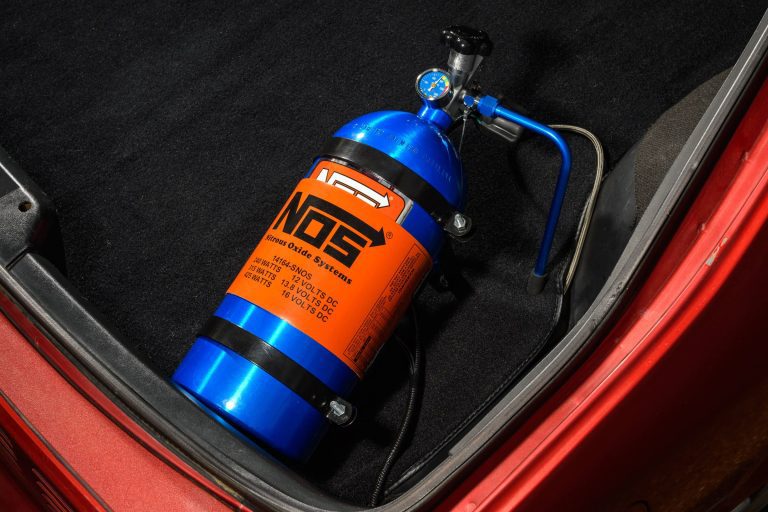
This is where modification plans often go wrong. Owners install exhaust or engine parts first, then find out the state inspection station, emissions program, or roadside officer treats the missing or altered catalyst as a legal defect, not a style choice. If you are planning changes, read your state emissions testing rules before parts ordering.
What to do if the car fails inspection or emissions
Start by reading the failure sheet, not the internet summary. The state station or licensed inspector usually identifies the failed item or system. Repair that item, keep the receipt, confirm whether a retest window applies, and ask whether the registration deadline is paused or still running.
For emissions, keep proof of diagnosis and repair attempts if the state uses waiver or extension procedures. For safety inspection, verify whether the failed item makes the car illegal to drive immediately or only blocks renewal. I usually ask one direct question at the station counter: “Can I still drive this home and to repairs, or is operation restricted now?” That answer matters more than the generic pass/fail label.
What legal equipment and labeling rules apply to vehicles?
Owners need to think in two layers: federal build standards and state use rules. Federal standards govern how the vehicle was originally certified and labeled. State rules govern whether its current lights, glass, mirrors, plate display, VIN match, and modifications make it lawful to operate today.
FMVSS under 49 CFR Part 571 and what they cover
Federal Motor Vehicle Safety Standards are found in title 49, part 571 of the Code of Federal Regulations. They sit under federal motor vehicle safety law and cover vehicle safety requirements at the manufacturing and certification stage.
That means labels, glazing types, lamp systems, tires, and occupant systems start with federal compliance. NHTSA’s standards and recall resources are useful here, but owner road-use rules still come mainly from the states. If a part was legal at manufacture, that does not answer whether a later aftermarket replacement is acceptable under state equipment-use law.
Owner-facing equipment checks: lights, mirrors, plate display, and VIN match
Before inspection or a long trip, verify every exterior lamp works as intended, the mirrors required by the state are present, the plate is mounted where state law expects it, and the VIN on the dash matches the registration and title. Those are simple checks with high stop risk.
Also look at tires and visible safety labels where relevant. Missing door-jamb labeling after body repair, a plate frame covering required information, or aftermarket lamps with poor beam pattern can all trigger trouble during inspection or enforcement. In my experience, these are the kind of issues owners miss because the car “drives fine” even though the legal problem is visible from ten feet away.
Window tint compliance and visible light transmission limits
Window tint rules are state-by-state and usually based on visible light transmission limits, windshield placement rules, and sometimes medical exceptions. Enforcement often involves a tint meter. A receipt from the shop helps identify what film was installed, but the state reading on the car is what matters.
Tint gets many owners because the car was bought used with the film already installed. That does not excuse the current operator. Check the state motor vehicle code, DMV guidance, or state police equipment guidance before leaving it as-is, and compare with our tint laws breakdown if you need a starting point.
Labels, aftermarket parts, and modifications that can create compliance issues
Aftermarket parts can create legal trouble when they affect emissions hardware, lamp performance, plate visibility, ride height, bumper coverage, windshield obstruction, or required reflectors. The key legal question is not whether the part is popular; it is whether the vehicle remains lawful under the state code and any applicable inspection standards.
The safe approach is to inspect the part through three questions: does it change required equipment, does it affect emissions, and will an inspector or officer be able to see the issue without disassembly? If the answer to any of those is yes, verify the rule before installation.
Daily-use laws that can still make a legal car illegal to operate
Child car seat laws by age, weight, and installation rule
Child car seat laws are state-specific and usually built around age-based and weight-based rules, plus installation requirements. A seat can be high quality and still be illegal if used in the wrong position, installed loosely, or used past the child category required by state law.
The document to check is the current state child passenger safety law and the car-seat manual. Keep the manual or digital copy, and if fitment is unusual, keep notes on approved installation method. I also keep a note of the child’s current height and weight because some state summaries use one measure while the seat manual relies on another.
Hands-free driving laws and phone-touch restrictions
Hands-free laws vary by state, but many now restrict holding or touching a phone while driving. Enforcement risk is high because the behavior is visible in traffic. Fines, points, or secondary consequences such as insurance issues can follow.
Check the state traffic code or highway patrol summary, then set the device before moving. A fully legal car can still produce a stop in seconds if the driver is seen handling a phone. This is another place where the official state summary beats memory, because some states ban hand-held use broadly while others carve out narrower exceptions.
What are the most common state car compliance rules?
The most common state rules for owners involve title transfer deadlines, registration renewal, plate display, safety inspection, emissions testing, proof of insurance where required, window tint limits, child-seat use, and hands-free driving restrictions. The exact content differs by state, but those are the rule categories that most often produce tickets, failed renewals, and roadside stops.
Where owners should verify the exact rule
Use the agency that controls the category. For title and registration, that is usually the DMV or equivalent motor vehicle agency. For emissions, it may be the DMV, an environmental agency, or a contracted inspection network. For child seats and hands-free use, check the state traffic code or highway safety office summary.
For dealer-side sale issues, keep the ad, Buyers Guide, buyer’s order, and finance disclosures. That set answers more disputes than memory ever will.
State variation examples that change the answer in practice
State variation is not a footnote; it changes what owners must do. California is a good example because registration, title work, and plate matters run through the DMV, while smog compliance is handled through the state’s inspection network and Bureau of Automotive Repair rules. Texas splits responsibilities differently, with DMV registration functions and separate inspection or emissions program details historically tied to public safety and environmental administration. Pennsylvania is another strong contrast because annual safety inspection is a familiar statewide issue, while emissions requirements can vary by county under PennDOT and related program rules. Florida shows the opposite end of the spectrum because it does not run a periodic statewide safety inspection or emissions-testing program for ordinary passenger vehicles, even though title, registration, insurance, and equipment laws still apply.
Those examples are exactly why a broad answer like “check your inspection rule” is not enough. A moved address within one state can change the emissions answer. A move across state lines can change whether periodic inspection exists at all. The safest verification path is: DMV for registration status, state code or DMV publications for deadlines, and the state inspection or emissions authority for testing requirements tied to your county or ZIP code.
Methodology: how to verify your state’s current rule without guessing
Use a three-source method. First, check the DMV or motor vehicle agency page for the transaction you are doing, such as title transfer or renewal. Second, check the state code, administrative rule, or official manual if the DMV summary is too short or uses broad language. Third, check the specialized agency if the topic is inspection, emissions, dealer licensing, or highway safety. When the pages conflict, use the most specific transaction page and then confirm by phone or in person before the deadline.
My habit is to save a PDF or screenshot of the page I relied on, with the date visible. Rules move, agencies redesign sites, and county requirements change. A dated copy does not override the law, but it helps you explain why you brought a certain document set or expected a certain process.
Vehicle Legal Compliance Matrix
How to use the matrix before buying, registering, or modifying
Use this as a one-page filter. Find the scenario, identify the rule category, pull the listed document, then judge the likely enforcement path. Some problems stop registration. Some show up at inspection. Others are easiest for police to spot from outside the car.
One-page Vehicle Legal Compliance Matrix
| Scenario | Rule category | Document to check | Likely enforcement risk |
|---|---|---|---|
| Buying a used car from a dealer | FTC Used Car Rule; dealer sale disclosure | Buyers Guide, buyer’s order, title assignment, odometer disclosure | Bad sale file, dispute over as-is versus warranty, title delay |
| Buying a used car from a private seller | State title transfer law | Signed title, seller ID match, lien release, bill of sale if required | Rejected title application, inability to register |
| Registering after purchase | State ownership and tax law | Title paperwork, registration application, proof of insurance where required, inspection or emissions pass if required | Late fees, no plate issuance, suspended driving status |
| Driving on temporary tags | State temp tag rule | Temporary registration record, sale date, tag expiration date, display instructions | Roadside stop, citation, tow or impound exposure if expired |
| Adding window tint | State equipment and glazing rule | Tint receipt, state visible light transmission rule, medical exemption if applicable | Roadside stop, fix-it ticket, failed inspection after tint-meter check |
| Modifying exhaust or catalyst area | Emissions anti-tampering; state equipment rule | Repair or parts receipts, emissions program rules, inspection standards | Failed emissions, failed inspection, citation for altered equipment |
| Carrying children | State child passenger safety law | State child-seat rule, seat manual, vehicle manual seating guidance | Traffic stop citation, unsafe transport finding |
| Driving in a hands-free state | State distracted-driving law | State traffic code summary or highway patrol guidance | Visible-use stop, fine, possible points depending on state |
| Renewing registration in an emissions county | State registration and emissions program | Renewal notice, emissions pass report, address record | Blocked renewal, late penalties, unlawful operation after expiry |
| Buying a car already modified | State equipment law; emissions compliance | Inspection report, parts receipts, title status, visual equipment check | Cannot pass inspection, post-sale repair burden, roadside stop |
| Moving to another state with the same car | New-state title and registration law | Prior title, current registration, proof of insurance, identity documents, inspection or emissions requirement for the new address | Missed transfer deadline, invalid old plates, blocked new registration |
| Replacing lamps, wheels, or suspension | State equipment-use rule; possible inspection standard | State equipment code, inspection manual, parts specifications, alignment or repair receipts if relevant | Failed safety inspection, plate-visibility issue, roadside equipment citation |
Evaluating Parking Apps for Daily Vehicle Compliance
Using mobile parking apps helps drivers manage street parking and digital permits without dealing with physical meters, but convenience comes with strict compliance risks. A single incorrect digit in a license plate entry or a missed zone code can result in costly citations or towing despite a digital receipt. Drivers must carefully weigh convenience against transaction fees and error penalties.
The ParkMobile app review analyzes platform fees, city coverage maps, reservation limits, and common compliance pitfalls to help motorists determine when digital parking tools actually save money and time.
What happens if I miss registration, inspection, or emissions deadlines?
Missing the deadline can trigger different problems at once: expired registration can lead to a stop, missed inspection can make renewal impossible, and missed emissions can block plate renewal in affected areas. The right response is to stop guessing, check the exact status with the state agency, and fix the first blocking item.
How enforcement usually unfolds
Registration expiry is often the easiest for police or parking enforcement to spot. Inspection and emissions trouble may first appear at renewal time, though some states also issue visible stickers or electronic status checks that make roadside action possible.
If the car is on temporary tags, deadline misses are even less forgiving because the paper trail already has a sale date and expiration event tied to the plate. In practice, the temp-tag issue often becomes the first visible reason for the stop, even if the deeper problem is that title work or inspection was never finished.
What to do next
Check whether the state allows online status review, grace periods, or same-day reinstatement once the missing inspection or emissions pass is posted. Then gather what proves the fix: passed test report, corrected registration receipt, and proof of insurance where needed.
If the issue came from mismatched paperwork or title error, solve that before spending money on cosmetic changes or accessories. Registration offices do not care about new wheels if the assigned VIN line is wrong. If you are working through a renewal block, our registration renewal and emissions testing resources are the closest companion reads.
Which parts of car compliance are federal versus state rules?
Federal rules mainly cover vehicle manufacturing, certification, safety standards, and some dealer sales and advertising conduct. State rules mainly cover title, registration, tags, inspections, emissions programs, equipment-use rules, tint, child restraints, and phone use while driving. The buyer has to follow both, but at different points in the car’s life.
Decision flow for buyers and owners
Before sale, look at federal and dealer-side disclosures plus title validity. Before registration, look at state title, tax, insurance, inspection, and emissions requirements. Before roadside use, look at visible equipment, plate display, temp tag status, child-seat setup, and hands-free restrictions.
That is the real compliance chain. Break the chain early, and the problem usually gets more expensive later. My shorthand is: federal tells you how it entered the market, state tells you whether you can drive it today.
Products related to this article
Sponsored / affiliate links. As an Amazon Associate I earn from qualifying purchases. I may earn additional commission from eligible campaigns.