Fast And Furious Auto Orange: Full Story Behind The Color
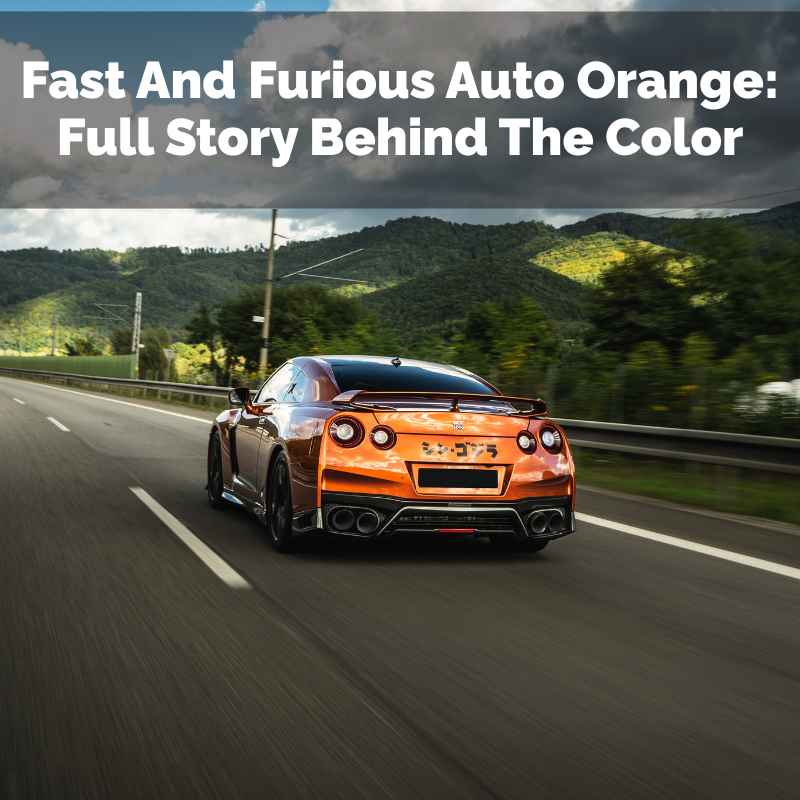
The fascination with “fast and furious auto orange” often stems from its bold, energetic look, commonly associated with high-performance vehicles and a desire for attention. It’s a color that signifies speed, excitement, and a daring personality, frequently seen in automotive culture and popular media.
What is Fast and Furious Auto Orange?
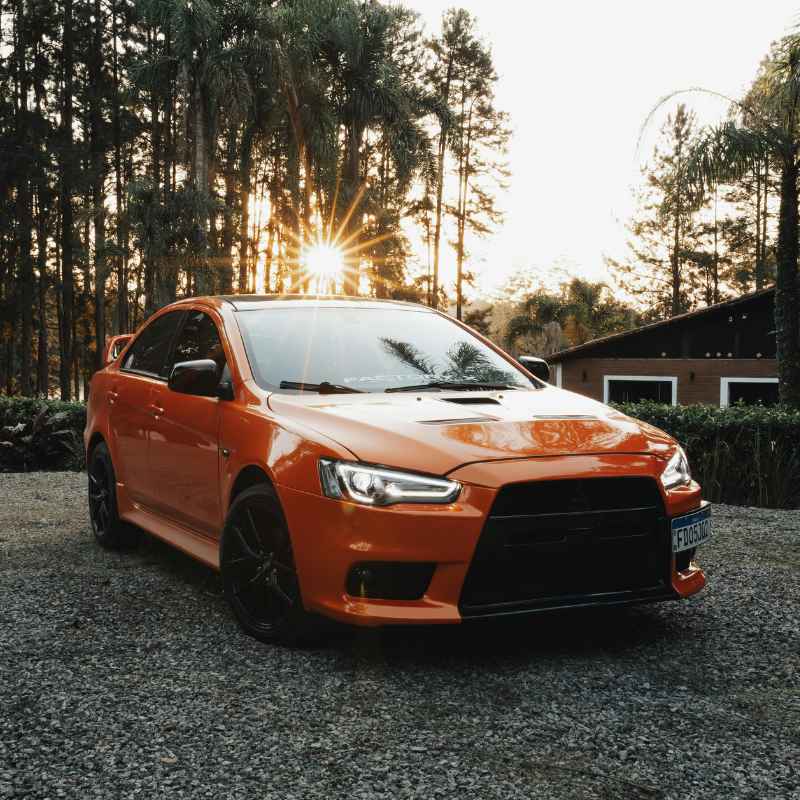
When people talk about fast and furious auto orange, they usually mean a bright, often metallic, orange. It’s not just one exact shade. Think of the color used in some of the most popular car movies — see our related guide, What Is Dom Toretto Car? The 1970 Charger Explained.
These oranges are designed to be seen. They pop under the sun. They look great in photos and on screen.
This kind of orange isn’t typical for everyday cars. You won’t see many beige or silver cars painted this way. It’s a statement color.
It shows the car is special. It might be a sports car. It could be a custom build.
Or it might just belong to someone who loves a bit of flair.
The name itself comes from a strong cultural link. The “Fast and Furious” movie series made many car colors famous. Bright, bold colors were often featured.
Orange was one of them. It became linked to fast cars and a daring lifestyle. This link is why many now call it by this specific name.
Why is This Orange So Popular?
This specific orange color has a powerful effect. It grabs your attention instantly. It’s energetic and lively.
It makes a car stand out in any crowd. This is a big reason why people choose it for their vehicles.
Orange is a color that conveys enthusiasm. It feels happy and warm. It also hints at speed and excitement.
This mix is perfect for cars that are meant to be fun to drive. It suggests performance and a bit of an adventurous spirit.
In car culture, certain colors become iconic. They get associated with specific car models or movie franchises. This orange has become linked to that high-octane movie world.
People see it and think of fast action and cool cars. It’s a shortcut to conveying a certain image.
Plus, modern paint technology offers amazing finishes. These oranges can have metallic flakes. They can have pearlescent effects.
This makes them shimmer and change color slightly in different lights. It adds a depth that makes the color even more appealing. It’s not just flat orange; it has a dynamic quality.
Common Shades of “Fast and Furious Auto Orange”
Vibrant Tangerine: A classic bright orange, very energetic.
Electric Orange: Often has a metallic or pearlescent finish for extra shine.
Sunset Orange: A warmer, deeper orange, sometimes with reddish tones.
Candy Orange: A layered paint finish that gives a deep, glowing effect.
The Psychology Behind the Color Orange
Colors influence how we feel and think. Orange is a unique color. It’s a mix of red and yellow.
Red brings energy and passion. Yellow brings happiness and optimism. Orange combines these traits.
Orange is often seen as a social color. It’s warm and inviting. It can make people feel more cheerful.
On a car, this can make it seem friendly but still bold. It’s not as aggressive as pure red. It’s more playful.
It’s also a color that stimulates activity. It can make you feel more alert. This ties into the idea of speed and movement.
A car painted orange might seem like it’s ready to go. It suggests a readiness for adventure.
For car owners, choosing orange can be a way to express their personality. It’s a sign that they are not afraid to be noticed. They are confident.
They might be outgoing and energetic. They want their car to reflect that inner spirit.
In some cultures, orange is seen as a color of celebration. It’s used in festivals and important events. This gives it a positive and joyful association.
When you see an orange car, you might get a little lift.
Orange and Your Mood
Energy Boost: Orange can make you feel more awake and lively.
Creativity: It’s often linked to innovative thinking.
Warmth: It evokes feelings of comfort and friendliness.
Excitement: Associated with adventure and fun.
A Personal Story: My First Custom Orange Car
I remember the day I decided to paint my old coupe orange. It was a gamble. My friends thought I was a bit crazy.
The car was a dull grey before. It blended in everywhere. I wanted something different.
Something that felt like me.
I saw a car in a magazine, a bright, almost neon orange. It looked alive. I knew that was the color.
I found a local shop. The painter, a guy named Sal, had done custom work for years. He showed me a few shades.
One was called “Inferno Orange.” It was perfect. It was loud, but in a good way.
The day I picked it up was amazing. The sun hit it, and it glowed. It was like driving a spotlight.
People stared. They pointed. Some smiled.
One person even gave me a thumbs-up. It felt like the car had a personality now. It wasn’t just metal and wheels.
It was an expression.
Driving that car made me feel bolder. I talked to more people at gas stations. I met other car lovers.
It was like the color opened doors. It was a constant reminder to live a little more loudly. It taught me that sometimes, the biggest impact comes from embracing what makes you unique, even if it’s just a color.
Where Does This Color Trend Come From?
The popularity of vibrant orange in cars isn’t entirely new. But its current surge has a few key drivers. One major influence is, of course, automotive marketing.
Car companies use striking colors to make their performance models stand out.
Manufacturers noticed that certain colors sell. Bright oranges, blues, and greens are often shown on sports cars and performance sedans. This tells buyers that these colors are associated with speed and excitement.
It creates a visual link in our minds.
Then there’s the influence of social media and car shows. People love to show off their unique vehicles online. A bright, attention-grabbing color like orange is perfect for getting noticed.
It gets likes and shares. This, in turn, inspires others to choose similar colors.
The automotive aftermarket is huge. Many custom shops offer special paint jobs. They can replicate popular colors or create new vibrant shades.
This makes it easier for car owners to get the exact look they want, even if it’s not a factory option. They can achieve that “Fast and Furious” vibe.
The resurgence of retro automotive styles also plays a role. The 1970s and 80s saw a lot of bright, bold colors in car design. Today’s trends often look back to those eras for inspiration.
Orange was a popular choice back then, and it’s coming back strong.
Influences on Car Color Trends
- Movie Franchises: Iconic car colors from films like Fast and Furious.
- Automotive Marketing: Car makers use bright colors to highlight performance.
- Social Media: Vibrant cars get attention and shares online.
- Customization Culture: Aftermarket shops offer unique paint options.
- Retro Styles: Inspiration from bold colors of past decades.
The “Fast and Furious” Movie Connection
It’s impossible to talk about this specific orange without mentioning the movies. The “Fast and Furious” film series has had a massive impact on car culture. It popularized many car styles, modifications, and, of course, colors.
In the early movies, cars were often visually striking. They had custom body kits, loud exhausts, and vibrant paint jobs. Orange was frequently featured on some of the most memorable vehicles.
These cars were associated with speed, street racing, and a rebellious spirit.
For many viewers, these cars represented freedom and excitement. The colors were part of that fantasy. Seeing a bright orange car on screen made it seem cool and desirable.
It became a symbol of automotive enthusiasm for a generation.
This connection means that the color orange often carries those associations. When people see a car painted a vibrant orange, they might unconsciously link it back to the movies. It evokes a sense of adrenaline and high performance, even if the car itself is just a regular sedan.
It’s a prime example of how media can shape our perceptions of things, including car colors. The movies didn’t invent orange cars, but they certainly amplified their coolness factor. They gave this specific shade a cultural spotlight.
Iconic Car Colors in Media
Bullitt Green: The Mustang from “Bullitt.”
Eleanor Gray: The Mustang from “Gone in 60 Seconds.”
Blues Brothers Blues: The Dodge Monaco.
KITT Red: The Pontiac Trans Am from “Knight Rider.”
Real-World Scenarios: Where You See It
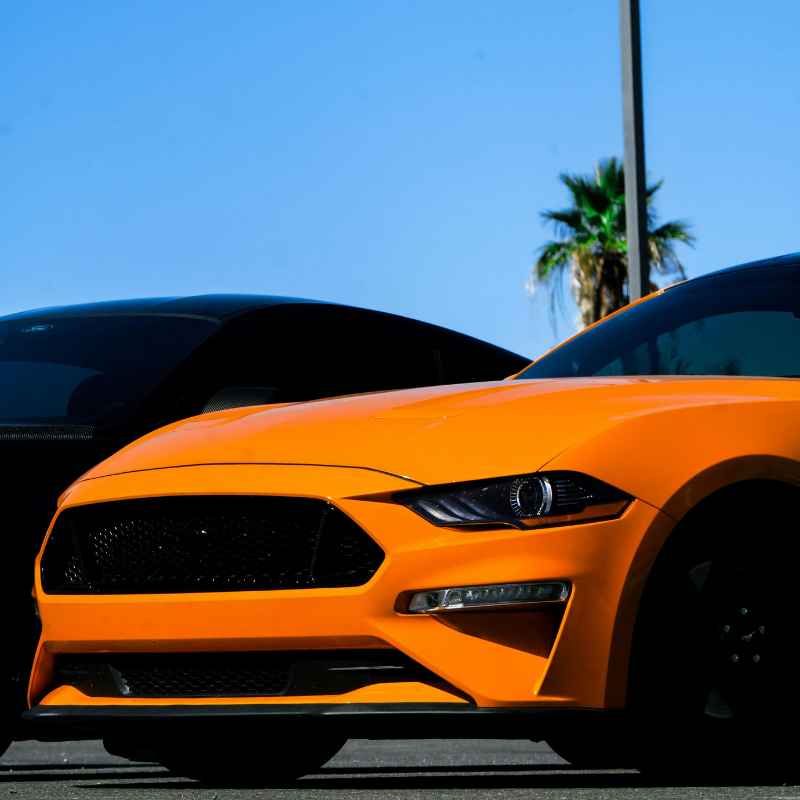
You’ll notice these bright oranges showing up in specific places. They are most common on sports cars. Think about models like the Chevrolet Camaro, Ford Mustang, or Dodge Challenger.
These cars are already designed to look aggressive and fast.
You’ll also see them on imported sports cars. Many Japanese and European performance models offer vibrant color options. These are often chosen by owners who want their cars to stand out.
They want to make a personal statement.
Custom car builds are another big place for this color. People who modify their cars extensively often choose bold colors. It complements the aggressive body kits, spoilers, and wheels.
It’s part of the whole package.
Car shows are a parade of these colors. At any major car show, you’ll see several cars painted in eye-catching oranges. They are there to draw attention and showcase unique builds.
It’s a way for owners to express their passion.
Even on the street, you might spot a family car or a truck in a less extreme, but still vibrant, orange. This shows that the appeal isn’t limited to pure sports cars. It’s a color that many people find attractive for various reasons.
Contrast Matrix: Normal vs. Concerning Orange
| Normal Orange | Concerning Orange |
|---|---|
| Bright, clean paint. | Fading, peeling, or sun-damaged paint. |
| Even tone across the car. | Patches of different shades or primer showing. |
| A deliberate choice for style. | Rust or corrosion spreading under the paint. |
| Often metallic or pearlescent finish. | Flat, dull, or chalky appearance. |
The Impact of Paint Finish and Type
The type of paint used makes a huge difference. A flat, matte orange will look very different from a metallic or candy orange. Each finish has its own character and appeal.
Solid Orange: This is the most basic type. It’s a strong, flat color. It’s bold and direct.
Think of a vibrant traffic cone. It makes a clear statement.
Metallic Orange: This is very common. It has tiny metal flakes mixed into the paint. In sunlight, these flakes catch the light.
They create a shimmering effect. This adds depth and makes the color look more dynamic. It’s often what people mean by “fast and furious auto orange.”
Pearlescent Orange: Similar to metallic, but uses different particles. These reflect light in a way that makes the color seem to shift. You might see hints of red or gold within the orange.
It’s very sophisticated and glows from within.
Candy Orange: This is a multi-layer process. A metallic base coat is applied. Then, a translucent colored layer (the candy coat) goes over it.
Finally, a clear coat seals it. This creates an incredibly deep, rich, and vibrant color that seems to glow. It’s very popular for custom builds but can be expensive.
Matte Orange: This finish has no shine. It absorbs light rather than reflecting it. It gives a very modern, aggressive look.
It can make a bright color like orange seem more subdued or stealthy. It’s a strong choice for a unique statement.
Understanding Paint Finishes
Solid: Simple, bold color. Easy to repair.
Metallic: Shimmers in sun. Adds depth.
Pearlescent: Color-shifting effect. Looks premium.
Candy: Deep, glowing look. Requires skilled application.
Matte: No shine. Modern, aggressive. Harder to clean.
Maintenance and Care for Vibrant Orange Paint
Keeping that bright orange looking its best requires attention. Vibrant colors can sometimes fade faster than darker or more muted tones if not cared for properly. This is especially true if the paint is exposed to harsh elements.
Protect from Sun: Prolonged exposure to direct sunlight can cause paint to fade. Parking in shade or using a car cover can help. A good quality wax or sealant is crucial.
It adds a protective layer.
Gentle Washing: Always use a pH-neutral car wash soap. Avoid harsh detergents. Wash the car regularly to remove dirt and grime.
These can scratch the paint over time. Use the two-bucket method to prevent swirls.
Clay Bar Treatment: Periodically, use a clay bar. This removes embedded contaminants that washing alone can’t get. After claying, reapply wax or sealant.
This keeps the paint smooth and protected.
Detailing Products: Invest in good quality detailing products. A good polish can restore shine. A quality wax or ceramic coating will offer long-term protection.
Ceramic coatings are very durable and make cleaning much easier.
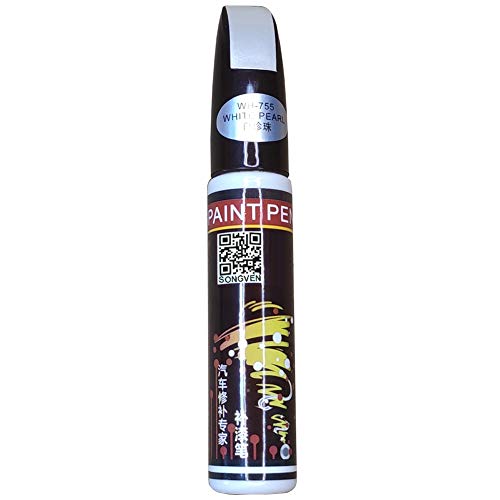
Touch-Up Paint: Keep a small amount of matching touch-up paint. Small chips or scratches can be fixed quickly. This prevents rust from forming and keeps the car looking flawless.
Proper care ensures that your fast and furious auto orange paint job stays vibrant and looks stunning for years. It’s an investment in the car’s appearance and value.
Quick Paint Care Tips
Wash weekly. Use gentle soap.
Wax or seal every 3-6 months.
Park in shade when possible.
Address chips immediately.
Consider a ceramic coating for ultimate protection.
When Is Orange Too Much?
While vibrant orange is exciting, there’s a point where it can become overwhelming. It depends on the car and the overall look. Some cars just aren’t designed for such a loud color.
A very conservative sedan might look out of place in a bright, neon orange. It can clash with the car’s natural lines. It might even make the car seem less sophisticated than intended.
Taste is subjective, of course. What one person finds amazing, another might find garish. However, generally, cars with sportier lines or more aggressive styling tend to carry off bold oranges better.
Another factor is the finish. A matte finish can tone down a bright orange. A metallic or candy finish can enhance it.
The combination of color, finish, and the car’s design is key.
If the orange is combined with other overly loud elements – like huge spoilers, neon underglow, or clashing accent colors – it can become too much. The overall effect can be chaotic rather than cool.
Ultimately, it’s about balance. The color should enhance the car, not overpower it. For many enthusiasts, the shades associated with fast and furious auto orange hit that sweet spot of bold and exciting.
Balancing Bold Colors
- Consider the car’s design. Does it suit a bold color?
- Think about the paint finish. Matte vs. Metallic vs. Candy.
- Don’t overdo other modifications. Let the color shine.
- Look at examples. See how others use similar colors.
- Trust your gut. Does it feel right to you?
The Future of “Fast and Furious Auto Orange”
Will this color trend last? It’s hard to say for sure. Car color preferences shift over time.
However, colors that evoke strong emotions and associations tend to have staying power.
The link to excitement and performance is a strong one. As long as those qualities are desired in cars, colors like this vibrant orange will likely remain popular. It’s a color that sells a feeling as much as it does a car.
We might see new variations emerge. Perhaps more sophisticated metallic or pearlescent effects. Or maybe new matte finishes that offer even more unique looks.
Technology in paint is always advancing.
The influence of media and online culture will also continue to play a role. As long as cars are a source of personal expression and passion, bold colors will be part of that expression. The “Fast and Furious” legacy is strong.
So, while trends come and go, the bold, energetic appeal of a striking orange is likely to remain a favorite for many car enthusiasts. It’s a color that’s hard to ignore. It’s a color that stands for something.
Frequently Asked Questions
What is the official name for “Fast and Furious Auto Orange”?
There isn’t one single official name. “Fast and Furious Auto Orange” is a common term used by car enthusiasts to describe a bright, vibrant, and often metallic orange seen in movies and on performance cars. Specific shades might be called Inferno Orange, Electric Orange, Tangerine Scream, or similar names by manufacturers or custom paint shops.
Is orange a good color for a car’s resale value?
This can vary. Very bright, bold colors like a flashy orange can sometimes limit the buyer pool when you go to sell. More neutral colors like silver, white, black, or grey often have broader appeal and may hold their value slightly better.
However, on certain performance or enthusiast cars, a desirable orange can be a strong selling point and attract the right buyer.
How do I find out the exact paint code for an orange car I like?
If you see an orange car you admire, you can try a few things. Look for a sticker inside the driver’s door jamb or under the hood. This often lists the paint code.
You can also ask the owner directly if they know it. If it’s a factory color on a specific model, you can often find the code by searching online for that car model and year along with “paint codes.”
Does orange paint fade faster than other colors?
Vibrant colors, including bright oranges, can be more prone to fading over time compared to darker or more muted colors if they are not properly protected. This is due to the pigments used and their susceptibility to UV radiation from the sun. Regular waxing, using paint sealants or ceramic coatings, and parking in shade can significantly slow down the fading process.
Can I get a custom orange paint job on any car?
Yes, you can technically get a custom orange paint job on almost any car. The question is more about whether it’s a suitable or desirable choice for that particular vehicle. A professional custom paint shop can work with you to find the right shade and finish that complements your car’s style, whether it’s a sports car, a truck, or even a daily driver.
What are the main differences between metallic and candy orange paint?
Metallic orange has small metal flakes mixed into the paint, which reflect light to create a shimmer. Candy orange is a multi-stage process involving a metallic or pearl base coat, followed by a translucent colored layer (the candy). This creates a much deeper, richer, and more intense glowing effect than metallic paint alone.
Candy paint is generally more expensive and complex to apply.
Conclusion
The allure of fast and furious auto orange is undeniable. It’s a color that speaks of energy, excitement, and a bold personality. From its psychological impact to its cultural connections through movies and car shows, this vibrant shade has cemented its place in automotive passion.
Choosing such a color is a statement. It’s about more than just how a car looks. It’s about how it makes you feel and how you want to be perceived.
It’s a fun, dynamic choice that’s here to stay.
Products related to this article
Sponsored / affiliate links. As an Amazon Associate I earn from qualifying purchases. I may earn additional commission from eligible campaigns.