Best Hot Wheels Cars: Top Picks for Collectors & Kids (2026)
The best Hot Wheels cars split into two very different lists: the ones worth playing with today, and the ones worth real money. A brand-new multi-pack costs a few dollars a car, while an original 1969 pink Beach Bomb has sold for as much as $175,000. This guide covers both sides — the rarest and most valuable models ever made, how to spot a Treasure Hunt before it leaves the shelf, and vetted picks for collectors, kids, and everyone in between.
Quick Answer
There’s no single “best” Hot Wheels car — it depends on your goal. For pure collector value, original Redline-era cars from 1968–1977 and modern Super Treasure Hunts hold the most worth. For everyday play or starting a kid’s collection, a multi-car pack of current mainline castings gives the best value per car.
The Most Valuable Hot Wheels Cars Ever Made
Most Hot Wheels cars are worth exactly what you paid for them — a few dollars, meant to be raced and eventually lost under the couch. But a small number of early castings, color variations, and factory errors have turned into some of the most valuable toys in the world. These are the ones collectors actually chase:
| Model | Why It’s Valuable | Reported Value |
|---|---|---|
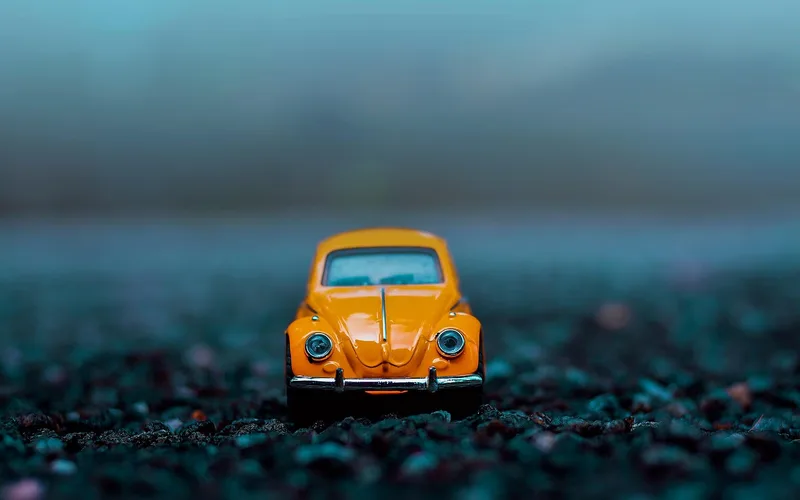
| 1969 Pink Rear-Loading Beach Bomb | Prototype VW Microbus casting scrapped before mass production; fewer than a dozen are known to exist | Up to $175,000 |
| Purple Spectraflame Beach Bomb | The production version collectors hunt hardest for, in the rare purple Spectraflame finish | Tens of thousands |
| 1968 Python with “Cheetah” Base | Early production run still stamped with the car’s original working name before a lawsuit forced a rename | Around $10,000 |
| Blue Rodger Dodger (White Interior) | A color and interior combination that’s roughly 100x rarer than the standard version | Far above the typical $20–$50 Rodger Dodger |
How to Spot a Valuable Hot Wheels Car: Treasure Hunt vs. Super Treasure Hunt
You don’t need a 50-year-old car to find real value — Mattel still seeds valuable cars into current mainline shelves every year. Two special series make up most of what collectors watch for right now:
Regular Treasure Hunts use standard mainline paint and plastic wheels, but a distinct casting and a small “TH” flame symbol on the car mark them as a limited annual run. Look for a silver circle-and-flame icon on the blister card behind the car.
Super Treasure Hunts are the ones worth checking your cart twice for. They’re built with Spectraflame metallic paint, real rubber Real Riders tires (instead of plastic), and a gold circle-and-flame icon on the card. A Super Treasure Hunt found at retail for $1.19 has resold for $30–$100 within weeks of release, and older ones climb from there.
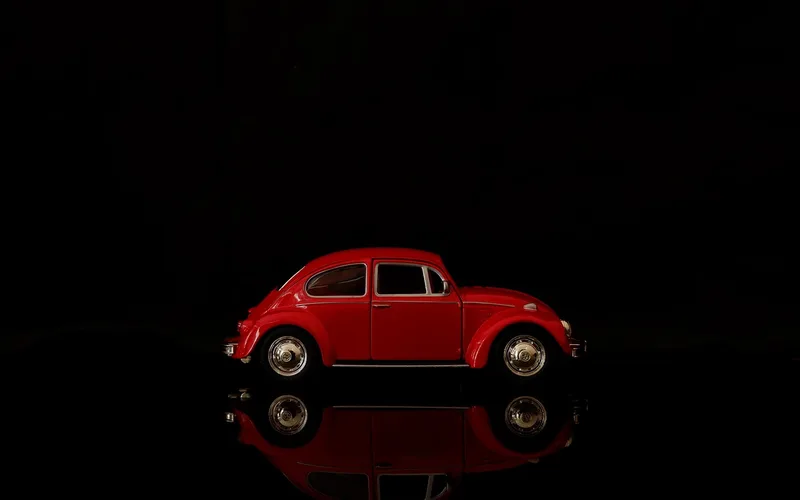
Beyond Treasure Hunts, a handful of general signs point to real value: original 1968–1977 Redline-era cars (identified by the ridged “redline” stripe on the plastic wheels), unopened original packaging, unusual color or wheel variations, factory errors, and cars still in mint condition with no play-wear on the paint or wheels.
Our Picks
Hot Wheels Car Culture Premium Nissan Skyline R34 GTR
Real Riders rubber tires, a metal/metal body and chassis, and a fan-favorite JDM casting make this the pick most collectors reach for first.
View Our Pick on Amazon| Product | Best For | Why We Picked It | Main Drawback | |
|---|---|---|---|---|
 |
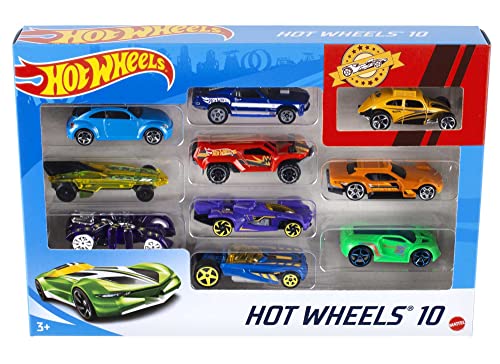
Best for Kids | 20 individually packaged 1:64 vehicles for an instant collection to sort, trade, and race. | Styles vary by shipment — you can’t pick exact models. | Check on Amazon |
 |
Best for Active Play | A modular corkscrew loop set that connects to other Track Builder pieces for real racing setups. | Best value comes from combining it with other track sets. | Check on Amazon |
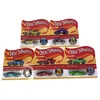 |
Best Collector Investment | A complete 5-car Redline anniversary set with collector buttons — the kind of limited, boxed release that tends to hold or gain value. | Higher upfront price than everyday mainline cars. | Check on Amazon |
As an Amazon Associate, The Daily Automotive earns from qualifying purchases. Prices and availability are accurate as of the date of publishing and are subject to change.
“The single biggest mistake new collectors make is buying loose cars off a shelf without checking the wheels and base plate first. A Super Treasure Hunt looks almost identical to the regular version at a glance — the giveaway is always in the details: rubber tires, metallic paint, and that small TH symbol stamped on the car itself.”
Buying Guide: How to Choose the Right Hot Wheels Cars
Whether you’re filling a display case or a toy bin, these are the factors that actually matter before you buy.
1. Determine your budget
Set a budget before you start buying. Mainline Hot Wheels cars run about $1–$2 each, premium Car Culture and Team Transport castings run $12–$25, and true collector pieces like RLC exclusives or vintage Redlines can run into the hundreds or thousands. Decide which tier you’re shopping in before you browse, or it’s easy to overspend on impulse buys.
2. Consider collector’s editions
Collector’s editions — Car Culture, Team Transport, Premium, and Red Line Club (RLC) releases — use metal bodies, rubber tires, and more detailed tampo printing than basic mainline cars. They’re produced in far smaller numbers, which is why they tend to hold their value better over time.
3. Check the car’s condition
Inspect for paint chips, scratches, warped plastic, and worn wheels before buying secondhand. For collector pieces, condition is graded roughly the same way as trading cards — mint, near-mint, and played-with each carry a very different price, even for the exact same casting.
4. Look for popular models
Certain castings stay in demand year after year — JDM icons like the Nissan Skyline and Mazda RX-7, muscle cars like the ’67 Camaro, and pop-culture tie-ins from movies and games. Popular castings hold value better and are easier to resell later if your collecting priorities change.
5. Examine the packaging
Unopened blister packs protect the car from dust and handling damage, and sealed packaging can significantly increase resale value for collector-grade releases. If you plan to display rather than play, keep the card intact and store it out of direct sunlight, which fades the printed graphics.
6. Research the car’s history
Knowing a car’s release year, series, and any production variants helps you judge whether an asking price is fair. Hot Wheels Wiki and collector forums like Hobbytalk track casting history in detail, including which years had factory color or wheel variations worth extra.
7. Compare prices online
Prices for the same car can vary widely between marketplaces. Check completed (not just active) listings on eBay to see what a model actually sold for recently, rather than what sellers are asking — asking prices are often inflated well above real sale value.
8. Read reviews
For new releases, reviews and unboxing posts from other collectors flag paint defects, wheel quality, and packaging issues before you buy. This matters most for premium castings, where a factory paint flaw can turn a $15 car into a return.
9. Purchase from reputable sellers
Buy from established retailers, Mattel’s official Hot Wheels Collectors site, or sellers with a verified track record on eBay and collector marketplaces. Counterfeit and reproduction Redlines do circulate, especially for the most expensive models.
10. Join Hot Wheels communities
Collector groups on Reddit, Facebook, and dedicated forums share case-code cracking tips (how to identify which Treasure Hunt is inside a sealed case before opening it), spotting guides, and early word on upcoming releases — often before it’s public knowledge.
11. Store properly
Store cars in a cool, dry place out of direct sunlight, which fades paint and yellows plastic over time. Dedicated acrylic display cases or foam-lined storage boxes protect against dust and prevent wheels from developing flat spots from resting in one position for years.
Frequently Asked Questions
What is the rarest Hot Wheels car ever made?
The 1969 pink rear-loading Beach Bomb is considered the rarest and most valuable Hot Wheels car in the world. It was a prototype casting scrapped before mass production, and fewer than a dozen are known to still exist — reported sales have reached as high as $175,000.
What is a Hot Wheels Super Treasure Hunt?
A Super Treasure Hunt is a limited annual release built with premium features not found on regular mainline cars — Spectraflame metallic paint, real rubber Real Riders tires, and a small “TH” symbol on the car. Look for a gold circle-and-flame icon on the blister card to identify one before buying.
How can you tell if a Hot Wheels car is valuable?
Check for an original 1968–1977 Redline-era casting, unopened original packaging, unusual color or wheel variations, factory errors, and overall condition. Cars with original paint, wheels, and accessories in mint, unplayed condition are worth the most.
Are old Hot Wheels cars from the 1980s and 1990s worth anything?
Most loose cars from this era are only worth a few dollars, since they were mass-produced. However, specific limited runs, factory errors, and unopened packaging from any decade can still carry real collector value — the casting and rarity matter more than the age alone.
What is the best Hot Wheels car for a kid just starting a collection?
A multi-car pack of current mainline castings gives the best value for a new young collector — enough variety to sort, trade, and race without the cost or fragility of a premium collector-grade car.
How many Hot Wheels cars has Mattel made?
Mattel has produced more than 8 billion Hot Wheels cars since the brand launched in 1968, working out to roughly one new car every 16 seconds of production.
Conclusion
The best Hot Wheels cars aren’t one single model — they’re whichever ones match what you’re actually trying to do. For play, a multi-pack keeps a kid’s collection growing without a big spend. For display, a premium Car Culture casting delivers real metal-and-rubber detail. And for genuine investment potential, watching for Super Treasure Hunts and well-preserved Redline-era cars is still the surest path.
If scale vehicles are your thing beyond die-cast, our guide to what an RC car is and why collectors love them and our roundup of the fastest remote control cars you can buy today are a natural next stop. And if you want the bigger picture on how a kids’ toy turned into a lifelong hobby for millions of adults, see our piece on car culture: from hobby to lifestyle.
Products related to this article
Sponsored / affiliate links. As an Amazon Associate I earn from qualifying purchases. I may earn additional commission from eligible campaigns.