Can Corrosion Cause Car Not To Start: Proven Solution
Yes, corrosion can absolutely cause your car not to start. It often affects the battery terminals, preventing proper electrical flow. Fortunately, cleaning these parts is a straightforward DIY fix that can get your car running again.
It’s a frustrating moment: you turn the key or push the start button, and… nothing. Or worse, you hear a clicking sound, but the engine won’t turn over. While many things can cause a car to refuse to start, you might be surprised to learn that simple corrosion is a very common culprit. Don’t worry, though! This isn’t a problem that requires a trip to the mechanic right away. We’re going to walk through exactly why corrosion is such a problem and how you can fix it yourself, safely and easily. Let’s get your car back on the road!
Why Corrosion is a Car’s Worst Enemy When Starting
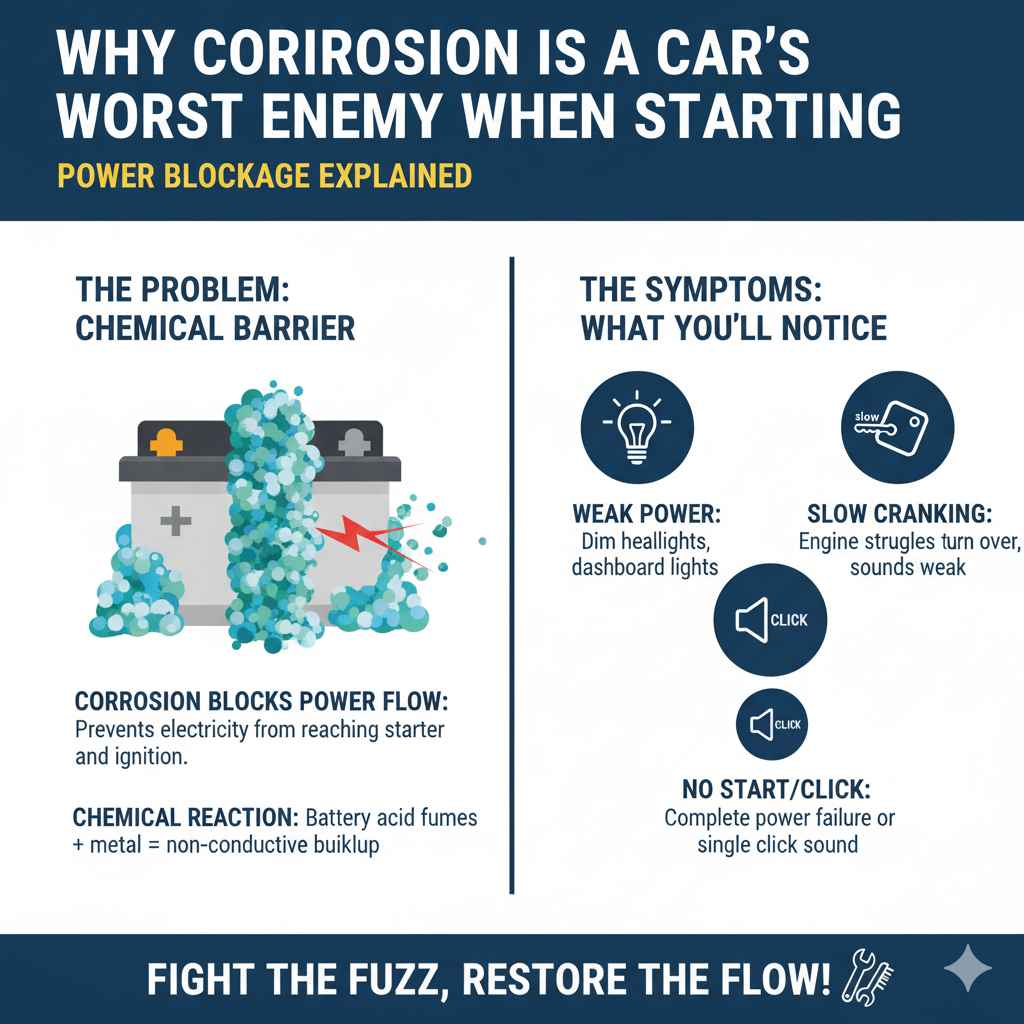
Think of your car’s electrical system like your body’s circulatory system. It needs a clear, unimpeded flow of power to work correctly. The battery is the heart of this system, and its terminals are like the main pipes that deliver that vital energy. When corrosion forms on these terminals, it creates a barrier that blocks the flow of electricity. This is why your car might not start, or only show signs of weak power, like dim lights or a slow cranking sound.
Corrosion, often seen as a powdery blue or white substance, is a chemical reaction. It typically happens when battery acid fumes escape the battery and react with the metal terminals and clamps. Over time, this buildup gets worse, especially in humid or very hot climates. It’s not just an inconvenience; a corroded connection can prevent the starter from getting enough power to engage the engine, or even stop the ignition system from firing altogether.
Understanding the Corrosion Build-Up
Batteries, especially older ones or those exposed to harsh conditions, are prime candidates for corrosion. The lead-acid chemistry inside the battery can release gases, and these gases can interact with the air and the metal. This interaction is what forms the flaky, crusty material you see. This material is an insulator, meaning it’s really good at stopping electricity from passing through.
Here’s a quick look at what causes this buildup:
- Battery Gas Emission: Batteries naturally release small amounts of hydrogen gas. Sometimes, especially if a battery is overcharged or damaged, more corrosive fumes can escape.
- Electrolyte Leaks: Small leaks of the battery’s sulfuric acid electrolyte can also create a corrosive environment around the terminals.
- Environmental Factors: Moisture, salt (from roads in winter), and exposed metal parts can accelerate the corrosion process when they come into contact with battery terminals.
- Vibrations: Constant shaking can loosen terminals, creating tiny gaps where moisture and air can enter, leading to corrosion.
The Signs of Corrosion and a No-Start Issue
Before you try to fix it, it’s good to know what you’re looking for. A car refusing to start due to corrosion often exhibits a few tell-tale signs:
- No Crank, No Start: You turn the ignition, and nothing happens. No engine sound, no clicking. The dashboard lights might come on, but that’s it.
- Clicking Sound: You hear a rapid clicking noise when you try to start the car. This usually means the starter is getting some power, but not enough to turn the engine over.
- Dim or Flickering Lights: If your headlights or interior lights are noticeably dimmer than usual, or flicker when you try to start the car, it suggests a weak electrical connection.
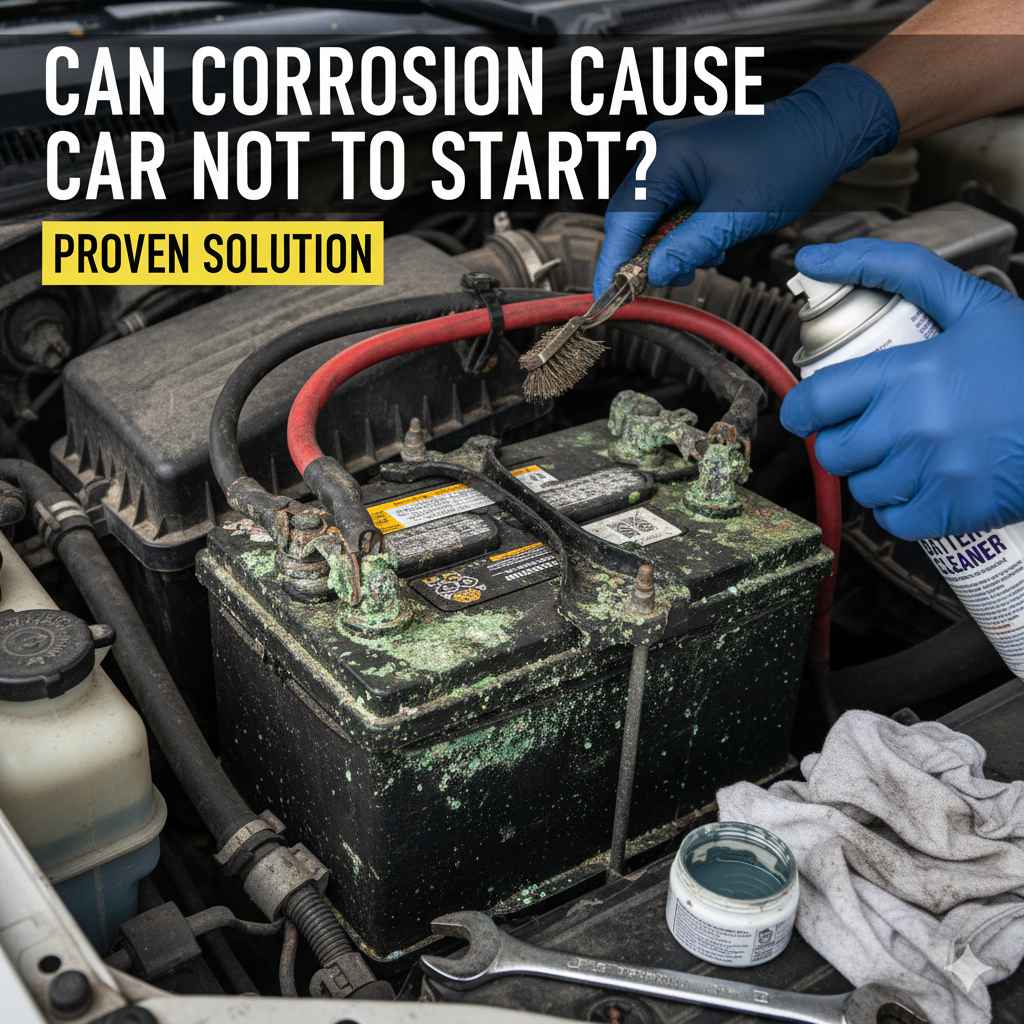
- Visible Corrosion: A quick peek under the hood might reveal a fuzzy, colored (often blue or white) buildup around the battery terminals and clamps.
Can Corrosion Cause A Car Not To Start? The Proven Solution
Absolutely! Corrosion is a common thief of starting power. The good news is that cleaning it is a DIY job you can tackle with a few simple tools. Here’s a step-by-step guide to cleaning your car’s battery terminals and getting it running again.
What You’ll Need:
Gather these items before you begin. Safety first!
- Safety Glasses: To protect your eyes from any splashes or debris.
- Work Gloves: To protect your hands from acid and dirt.
- Battery Terminal Cleaner Brush: These have wire bristles designed specifically for cleaning battery terminals. A stiff wire brush or even sandpaper can work in a pinch, but a dedicated brush is best. (You can find these at any auto parts store.)
- Baking Soda: A common household item that helps neutralize battery acid.
- Water: For rinsing.
- Clean Rags or Paper Towels: For wiping.
- Terminal Protectant Spray or Petroleum Jelly (Vaseline): To prevent future corrosion.
- Wrenches or Pliers: A socket wrench or adjustable wrench that fits the nuts holding the terminal clamps.
Step-by-Step Guide to Cleaning Corroded Battery Terminals
Follow these steps carefully. Remember, safety is key!
- Ensure the Engine is OFF and Cool: Never work on a hot engine or with the ignition on. Let your car sit for at least 30 minutes after driving. This is a crucial safety step.
- Locate the Battery: Your car battery is usually found under the hood, often towards the front or side. Check your owner’s manual if you’re unsure.
-
Disconnect the Battery Cables (Negative First!): This is the MOST important safety step to prevent electrical shorts and sparks.
- Using a wrench, loosen the nut on the negative (black, -) terminal clamp.
- Once loose, twist and pull the cable straight up off the terminal post. If it’s stuck, gently rock it. Never use excessive force.
- Set this cable aside so it can’t accidentally touch the terminal.
- Repeat the process for the positive (red, +) terminal clamp. Loosen the nut, twist, and lift the clamp off.
Why Negative First? Disconnecting the negative cable first grounds the system, making it safe to work on. If you were to touch the positive terminal with a metal tool and then accidentally touch the car’s body (which is grounded), you’d create a short circuit. By disconnecting negative first, you eliminate that risk.
- Prepare the Baking Soda Solution: In a small, disposable cup or rags, mix about a tablespoon of baking soda with a little bit of water. You want a paste-like consistency. This creates a mild alkaline solution that will help neutralize the acidic corrosion.
-
Clean the Terminals and Clamps:
- Dip your battery terminal cleaner brush (or wire brush/sandpaper) into the baking soda mixture.
- Scrub the corroded buildup off both the battery terminals (the metal posts sticking up from the battery) and the inside of the terminal clamps (the metal pieces that attach to the posts).
- Work the brush around the posts and inside the clamps until all the fuzzy corrosion is gone and you see clean, shiny metal.
- Use a clean, damp rag to wipe away the loosened corrosion and baking soda residue from the battery and terminals.
- Rinse and Dry: Lightly rinse the terminals and clamps with a small amount of clean water to remove any remaining baking soda residue. Be careful not to let too much water get into the battery itself. Thoroughly dry everything with a clean rag.
- Apply Terminal Protectant: Once everything is clean and dry, apply a thin layer of dielectric grease, petroleum jelly (Vaseline), or a specialized battery terminal protectant spray to the battery posts and the inside of the clamps. This creates a barrier that helps prevent future corrosion.
-
Reconnect the Battery Cables (Positive First!): Now, reverse the disconnection process.
- Place the positive (red, +) clamp back onto the positive battery post. Tighten the nut securely with your wrench.
- Place the negative (black, -) clamp back onto the negative battery post. Tighten its nut securely.
Why Positive First for Reconnecting? When reconnecting, you attach the positive cable first. This re-establishes the main power flow. Then, when you connect the negative, you close the circuit. This order is the safest way to reconnect the battery to avoid accidental sparks or shorts.
- Start Your Car: Open the driver’s door, insert your key, and try starting your car. It should now crank and start normally!
Table: Common Corrosion Colors and What They Might Indicate
Understanding the color of corrosion can sometimes give you clues, though it’s always best to clean them regardless.
| Corrosion Color | Likely Cause | Action Needed |
|---|---|---|
| Blue/Green | Copper sulfate, often from the terminals themselves oxidizing. | Clean and apply protectant. |
| White | Lead sulfate, a common byproduct that is highly insulating. | Clean thoroughly and apply protectant. |
| Black | Can be carbon buildup or a different type of oxidation, less common on battery terminals. | Clean and apply protectant. |
When to Consider Battery Replacement
While cleaning corrosion is often the magic fix, it’s worth knowing when the battery itself might be the bigger problem. If your battery is:
- Old: Most car batteries last 3-5 years. If yours is older than that, it might be failing.
- Swollen or Cracked: This is a sign of internal damage and requires immediate replacement.
- Constantly Dying: If you have to clean terminals frequently, or the car won’t start even after cleaning, the battery might not be holding a charge.
- Leaking: Any visible leaks mean the battery itself is compromised.
If you suspect your battery is weak or failing, it’s a good idea to have it tested. Most auto parts stores offer free battery testing. You can learn more about battery health from resources like The U.S. Department of Energy’s Alternative Fuels Data Center, which also covers general automotive battery technology.
Preventing Future Corrosion
Once your battery is clean and your car is running, you don’t want this problem to return quickly. Taking a few preventative steps can save you future headaches and ensure a reliable connection:
- Regular Inspections: Make it a habit to pop your hood every few months and visually inspect your battery terminals. A quick look can catch early signs of corrosion.
- Use Terminal Protectant: Always apply that protectant spray or petroleum jelly after cleaning. It creates a barrier against moisture and air.
- Ensure Tight Connections: Make sure your terminal clamps are snug. If they feel loose, tighten them slightly. Don’t overtighten, as this can damage the battery post.
- Consider Anti-Corrosion Terminals: You can purchase specialized anti-corrosion terminal covers or washers that help prevent buildup.
- Keep the Battery Area Clean: If you see dirt or debris around the battery, gently wipe it away.
Troubleshooting Beyond Corrosion
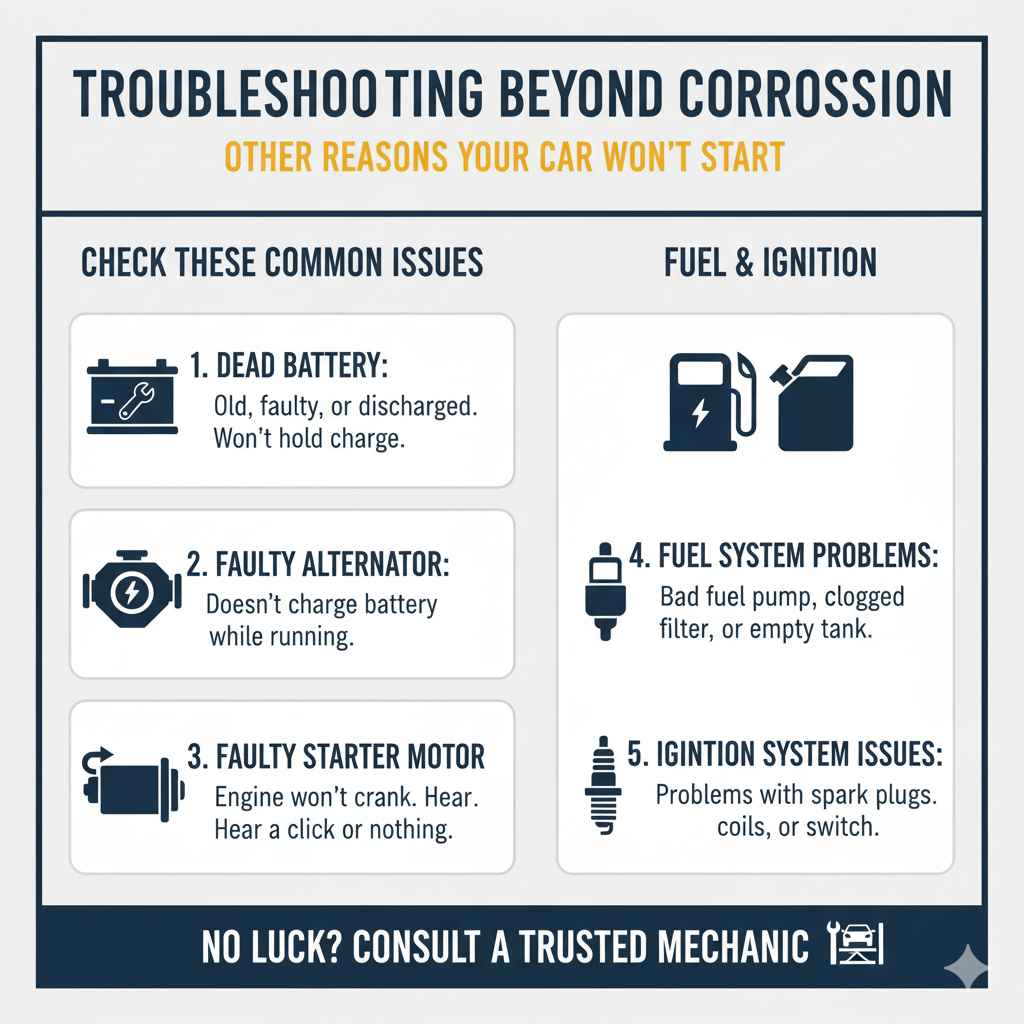
If cleaning the battery terminals doesn’t solve your no-start problem, or if you’re uncomfortable performing the steps, don’t worry. There are other common reasons a car might not start. These include:
- A Dead Battery: The battery might be completely discharged. Corrosion can contribute to this, but the battery itself could also be old or faulty.
- Issues with the Alternator: The alternator charges the battery while the engine is running. If it’s not working, the battery will eventually die.
- Faulty Starter Motor: This is the component that actually cranks the engine. If it fails, you might hear a single click or nothing at all.
- Fuel System Problems: The engine needs fuel to run. A bad fuel pump, clogged filter, or empty tank can prevent starting.
- Ignition System Issues: Spark plugs, ignition coils, or the ignition switch itself can cause a no-start condition.
If the simple corrosion cleaning doesn’t work, it’s time to consult a trusted mechanic. They have the tools and expertise to diagnose more complex issues. You can look for reliable information on vehicle maintenance, including diagnosing starting problems, on websites like the National Highway Traffic Safety Administration (NHTSA). They provide safety information and recall notices that are vital for car owners.
FAQ: Your Top Corrosion Questions Answered
Q1: How often should I check my battery terminals for corrosion?
It’s a good idea to give your battery terminals a quick visual check every few months, perhaps when you’re checking your oil or tire pressure. If you live in a very humid or salty environment, you might want to check them more often, maybe every 1-2 months.
Q2: Can I use anything other than baking soda to clean corrosion?
While baking soda and water is the most common and effective DIY solution, you can also use a small amount of Coca-Cola (its phosphoric acid can help) or a specialized battery terminal cleaner spray available at auto parts stores. Just be sure to neutralize any acidic cleaners with water afterward.
Q3: What if the corrosion is really stuck on?
If the corrosion is very thick and hard to remove with a brush, you can try letting the baking soda paste sit on it for a few minutes to help loosen it. You can also try using fine-grit sandpaper (like 120-grit or higher) very gently to help scrub it off, but be careful not to damage the battery post or the clamp. Always clean up all debris afterwards.
Q4: Do I really need to disconnect the battery cables myself? Isn’t that dangerous?
Disconnecting the battery is a necessary safety step. The key is to do it in the correct order: negative first to disconnect, positive first to reconnect. As long as you wear safety glasses and gloves, and follow the correct procedure, it is a safe task for most DIYers. If you’re not comfortable, have a professional do it.
Q5: How much does it cost to have a mechanic clean my battery terminals?
If you take your car to a mechanic solely for cleaning battery terminals, they might charge a small diagnostic fee plus labor. However, it’s usually a quick job (15-30 minutes) and often overlooked during routine maintenance. If corrosion is the only issue, it’s far cheaper to DIY than to pay for a professional, which could be anywhere from $50-$150 depending on labor rates.
Q6: Can corrosion damage my car permanently?
Severe, long-term corrosion can weaken the metal of the terminal clamps, causing them to break. It can also damage the battery posts themselves. If the corrosion is so bad that it eats away at the metal, you might need to replace the terminal clamps or even the battery. But for most cases, regular cleaning prevents permanent damage.
Conclusion
It’s incredibly empowering to know that a common problem like “can corrosion cause a car not to start” has a simple, DIY solution. By understanding how corrosion forms and following these clear, safe steps, you can often get your car running again without needing to spend money on a mechanic. Remember to always prioritize safety by wearing protective gear and disconnecting the battery correctly. Regular checks and preventative measures will keep those terminals clean and your car reliable. Don’t let a little bit of fuzzy buildup keep you off the road – take control of your car care today!