Can I Leave Balloons In The Car? Proven Essential Tips
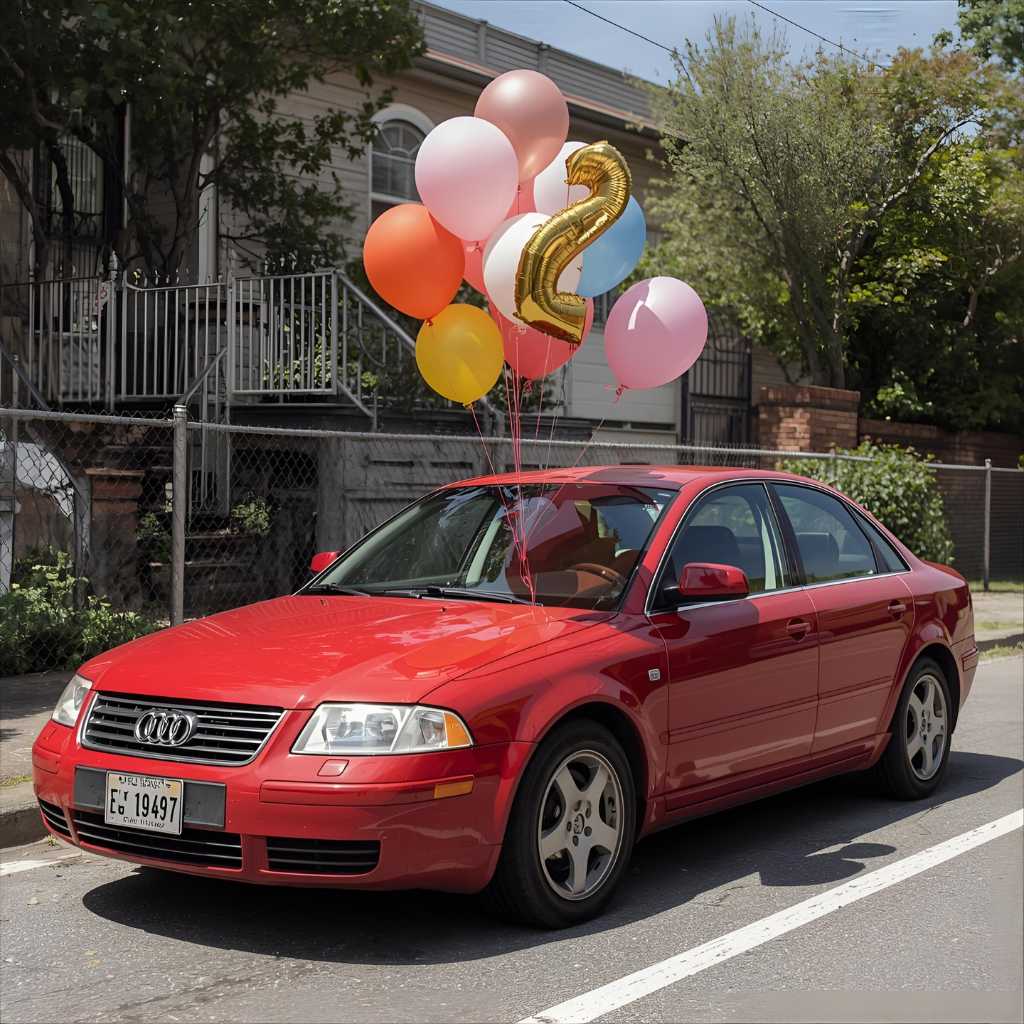
You can leave balloons—especially helium-filled latex or Mylar types—in a car temporarily, but extreme heat or cold will cause them to shrink, expand, or even pop quickly. For safety and longevity, limit the time they spend in direct sunlight or fluctuating temperatures by parking in the shade or moving them inside promptly.
Can I Leave Balloons In The Car? Proven Essential Tips for Happy Floats
We’ve all been there. You pick up a beautiful bouquet of balloons for a birthday or celebration, only to realize you have a long drive home or errands to run. The biggest worry is always: “Will these expensive, festive decorations survive the trip?” Leaving balloons in the car can feel risky—will they pop, deflate, or just look sad when you finally arrive?
Don’t sweat it! As your trusted automotive guide, I can tell you that the answer depends entirely on the weather and how long you leave them. We are going to break down exactly what happens to different types of balloons inside your vehicle under various conditions. You will learn simple, practical steps to protect your floats, ensuring your party decor arrives looking perfect. Let’s find out the temperature secrets that keep your balloons happy!
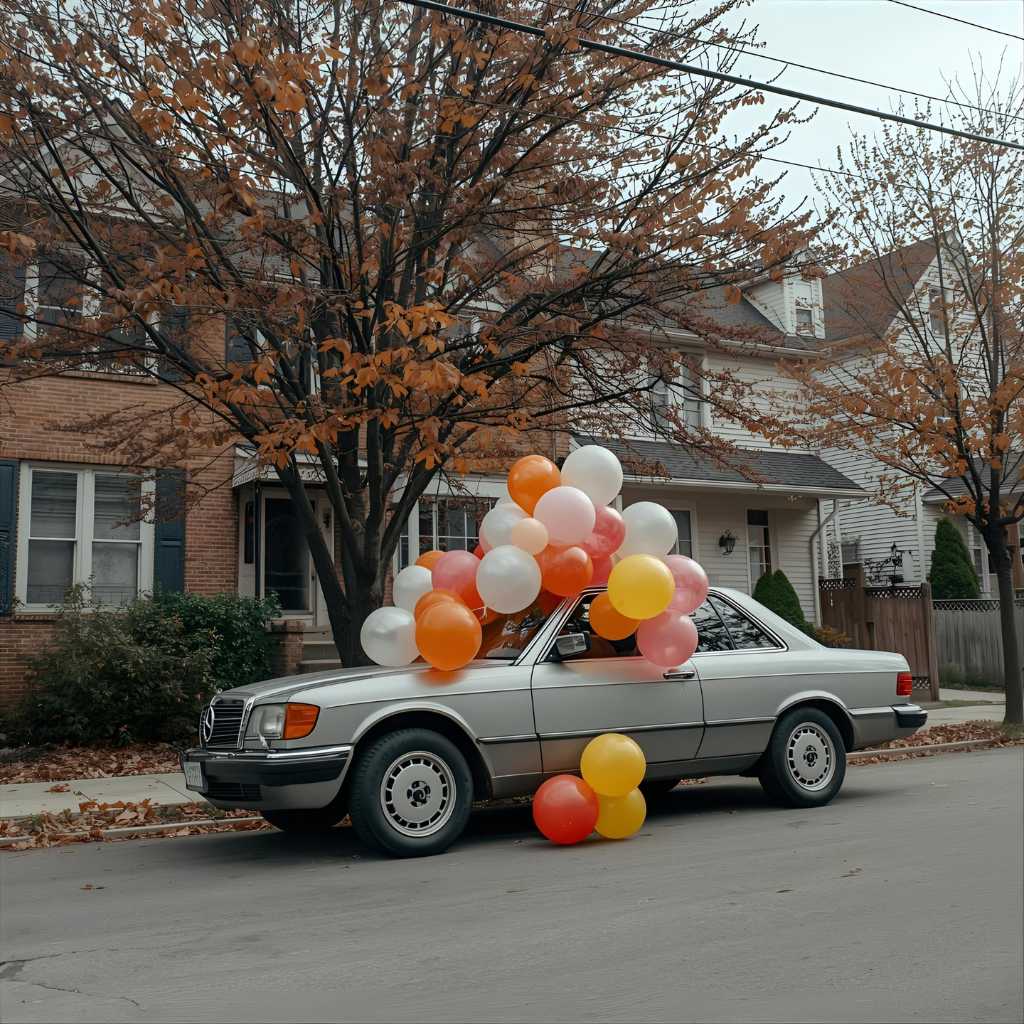
The Science of Balloons and Car Temperatures
To understand why balloons behave the way they do in a car, we need to look at basic physics. Balloons, whether filled with helium or regular air, are highly sensitive to changes in temperature and pressure. Think of the air inside the balloon like a tiny, stretchy container that reacts instantly to its environment.
How Heat Affects Balloons Inside a Car
This is the number one danger for balloons left in a closed vehicle, especially during summer months. When a car sits in direct sunlight, the interior temperature can skyrocket incredibly fast. According to studies on vehicle interior temperatures, surfaces inside a car can reach 50 to 70 degrees Fahrenheit higher than the outside air in just one hour!
- Expansion: Heat causes the gas (helium or air) inside the balloon to expand.
- Stretching and Weakening: As the gas expands, the latex or foil material stretches tightly.
- The Pop: If the stretching exceeds the material’s limit, the balloon will pop loudly. Mylar (foil) balloons are often more vulnerable to this rapid internal pressure increase than latex balloons.
If you are running into the grocery store for just a few minutes on a 90°F day, the air inside your car can easily hit 140°F. This is almost always too hot, even momentarily, for standard party balloons.
How Cold Affects Balloons Inside a Car
Cold weather is less likely to cause an immediate pop, but it causes a different problem: deflation and shrinking.
- Contraction: Cold temperatures cause the gas molecules inside the balloon to slow down and move closer together, which makes the gas contract.
- Deflation Appearance: This contraction makes the balloon look severely under-inflated, droopy, or shriveled within minutes.
- Latex Brittleness: Extremely cold latex can also become stiff and brittle, making it more likely to crack or deflate permanently once warmed up slightly.
This is why visiting a drive-thru bakery or a bank ATM on a freezing morning often results in sad-looking balloons when you get home.
Latex vs. Mylar: Different Materials, Different Durability
Not all balloons are created equal. The material they are made from significantly impacts how well they handle temperature swings inside your car.
Latex Balloons (Rubber)
Latex balloons are highly porous. They are designed to stretch, but they are also notorious for losing helium relatively quickly, even in ideal conditions. In a car:
- Pros: They can handle slight temperature fluctuations a bit better than Mylar because the rubber itself has more give.
- Cons: They are easily ruined by direct sunlight which degrades the latex structure, making them feel sticky or dull.
Mylar Balloons (Foil)
Mylar balloons are made from a thin, non-porous nylon material coated with metallic film. They hold helium much longer than latex.
- Pros: They look very shiny and reflective.
- Cons: They are extremely sensitive to temperature changes. Because the material does not stretch much, even moderate heat expansion can cause them to burst, or the seams to separate, leading to a loud pop. Conversely, a quick dip in temperature can make them look dangerously flat.
Proven Essential Tips: How to Transport Balloons Safely
If you must leave balloons in your vehicle for a short period—say, 15 to 30 minutes—follow these practical steps to maximize their survival chances. Remember, if you are running errands for hours, it is always best to take them with you!
Tip 1: Choose the Right Parking Spot
Where you park is the single most important decision you can make to protect your balloons.
- Seek Deep Shade: Park beneath a large tree or the shadow of a building. Avoid areas that will receive direct sun even ten minutes later.
- Garage Parking (If Available): If you are entering a location with an attached, cooler garage (like a mall or specific venue), park there instead of the exposed lot.
- Avoid Black Cars in Sun: If you drive a dark-colored car, be especially careful, as black paint absorbs significantly more solar radiation, heating the interior much faster than white or light gray vehicles.
Tip 2: Manage Interior Heat Before Loading
Don’t just throw the balloons into a hot box. Take a moment to cool the car down first.
- A/C Blast: Before putting the balloons in, run your air conditioning on high for several minutes with the windows slightly cracked open to flush out the super-heated trapped air.
- Crack Windows Strategically: If you are only leaving them for 10 minutes, cracking the back windows just a quarter inch allows some pressure equalization and slow heat escape without letting too much cool air out.
Tip 3: Secure Them Away From Hazards
A popping balloon is alarming, but an unsecured, floating balloon can also distract the driver.
- Avoid the Dashboard:
- Never tape or secure balloons against the windshield or dashboard. If they pop, the noise and debris are a major distraction.
- Use the Back Seat:
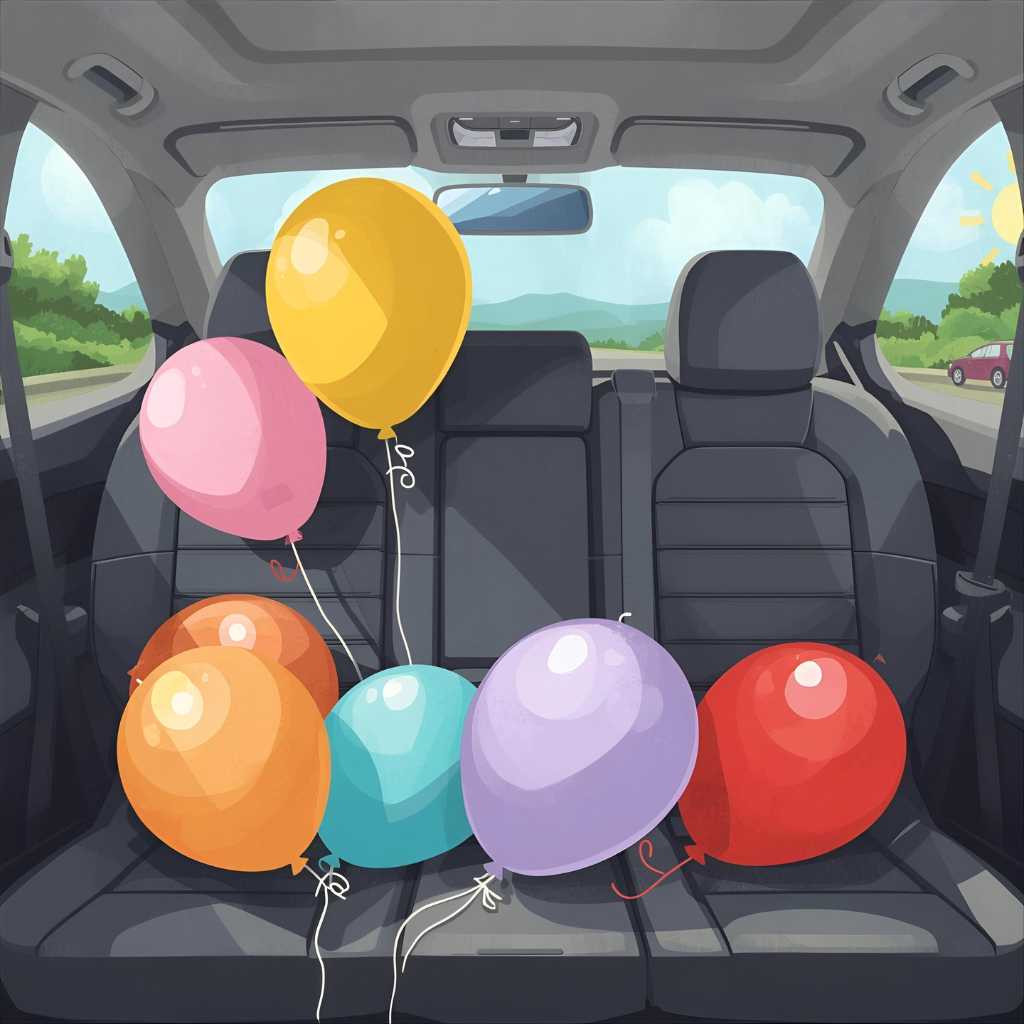
- The back seat floor or middle area is usually the most stable place. If you have a cluster, tie the ribbons securely around a sturdy object, like a seatbelt buckle, keeping them low to the floor.
- Protect From Sharp Edges:
- Ensure strings do not rub against sharp plastic edges or speaker grilles, which can chafe the balloon material over time.
Tip 4: Know the “No-Go” Temperatures
While manufacturers don’t give strict automotive guidelines, general science dictates these thresholds for safety:
| Condition | Approximate Interior Temperature | Balloon Risk Level | Maximum Safe Duration |
|---|---|---|---|
| Mild Day (65°F Outside) | 70°F – 85°F | Low | Several Hours |
| Warm Day (80°F Outside) | 100°F – 125°F | Medium (Slow Shrinkage/Stretching) | Up to 30 Minutes |
| Hot Day (90°F+ Outside) | 130°F+ | High (Popping Risk) | Under 5 Minutes (Best to Avoid) |
What To Do If Your Balloons Are Already In A Hot Car
If you forgot the decorations and returned to a car that feels like an oven, act quickly but calmly. Panicking will only stress the materials further.
- Vent Immediately: Open all doors wide for at least two minutes to quickly exchange the superheated air inside the cabin with cooler outside air.
- Bring Them Inside Your Air Conditioning: Don’t wait until you get home. If you are going into an office building or store, carry the balloons directly into the air-conditioned lobby while you finish your task, or place them on the floor of your vehicle on the driver’s side near your feet where the A/C usually blows strongest.
- Check for Damage: Once you are safely inside your destination, immediately inspect Mylar balloons for signs of bulging seams. If a seam looks stretched or the balloon is overly tight, it may have lost some internal integrity and could pop later. Gently loosen the ribbon tension if possible.
Understanding Balloon Lifespan Outside The Car
Leaving balloons in the car is often a temporary measure before they enter a controlled environment. Here is what you can generally expect from their lifespan once you bring them inside, which helps motivate you to get them indoors quickly.
Helium Lifespan Expectations
The lifespan depends heavily on the quality of the helium and the balloon material:
- Standard Latex (No Hi-Float): 12–18 hours floating, often deflating significantly overnight.
- Treated Latex (With Hi-Float): 2–4 days floating. (Hi-Float is a liquid sealant applied inside the balloon before inflation.)
- Mylar/Foil Balloons: 3–7 days floating, potentially longer if the temperature remains stable indoors.
Moving balloons from an extremely hot or cold car environment straight into a climate-controlled room can shock the gas molecules, causing immediate, visible changes (either rapid deflation or delayed shrinking/popping) over the next few hours, even if they appeared fine upon removal.
Automotive Considerations: Protecting Your Car’s Interior
While the focus is often on the balloons, leaving items in a hot car can damage your vehicle too. This is especially relevant for vehicles with delicate interior components.
UV Damage and Dashboard Materials
The intense UV rays and heat that threaten your balloons can also degrade your car’s interior surfaces. While balloons are less likely to cause lasting damage (unless they pop and leave residue), consistently leaving reflective items on the dash is discouraged. High-quality car dash mats or sun shades can help keep the cabin temperature lower overall, which benefits any item you temporarily leave inside.
For more on protecting your car’s interior from sun damage, you can find helpful, general guidelines from automotive safety resources, such as those maintained by state transportation departments or reputable consumer reports on vehicle maintenance.
The Risk of a Loud Pop
If a balloon bursts while you are driving slowly or stopped, the noise can be startling. While this usually poses only a momentary risk of distraction, repeated loud pops from a cluster of balloons can become genuinely distracting or even cause brief panic. Always try to secure groupings so they are less likely to bump into each other or hard surfaces as the car moves.
FAQs: Quick Answers for Balloon Transport Worries
1. Will leaving a balloon in the car ruin the car’s interior?
No, standard balloons are very unlikely to cause permanent damage to your vehicle’s interior. The main risk comes from the extreme heat that high-quality Mylar balloons cannot withstand, causing them to pop.
2. Are air-filled balloons safer than helium balloons in a hot car?
Air-filled balloons are slightly better if they are tightly tied, as the air pressure might remain more consistent than highly pressurized helium. However, even air-filled balloons will expand rapidly in severe heat and break their seals or the material itself.
3. What should I do if a balloon pops in the car?
If a foil balloon pops, carefully gather all the sharp pieces immediately to prevent cuts or the pieces from being tracked into the upholstery. If it was a latex balloon, a quick vacuum or damp cloth is usually sufficient to clean any residue.
4. Can I leave balloons overnight in the car?
This is strongly discouraged. Even if the outside temperature drops overnight, the temperature inside a parked car can still be significantly different from the air outside, or you risk condensation/moisture buildup if there is any temperature gradient, which impacts balloon material quality.
5. Is it better to put them on the floor or keep them floating?
It is always safer to place them low to the floor or on the back seat where they won’t interfere with your vision while driving. If the car is hot, keeping them low puts them slightly closer to the cooler air near the floorboards, though the difference is minimal compared to direct heat.
6. Do tinted windows help protect balloons from the heat?
Yes, moderate window tinting helps reduce the amount of solar radiation entering the vehicle, which can slightly lower the peak interior temperature. However, tint alone is not enough protection if you leave balloons sitting in direct sun for long periods.
Conclusion: Transporting Your Floats with Confidence
Knowing how to handle balloons in the car transforms a stressful situation into a simple logistic step. As we’ve seen, can I leave balloons in the car?** The answer is yes, but only for very short periods and only when you take precautions against temperature extremes. Helium and Mylar are your primary concerns when the weather is hot or freezing; they react rapidly to the enclosed heat soak typical of a parked vehicle.
By prioritizing shade, cooling the car down before loading, and keeping the balloon cluster secured and low, you are taking the best achievable steps to protect your investment and ensure those festive decorations arrive looking their best. Remember, when in doubt, take the extra minute to bring them inside with you. Happy celebrating!