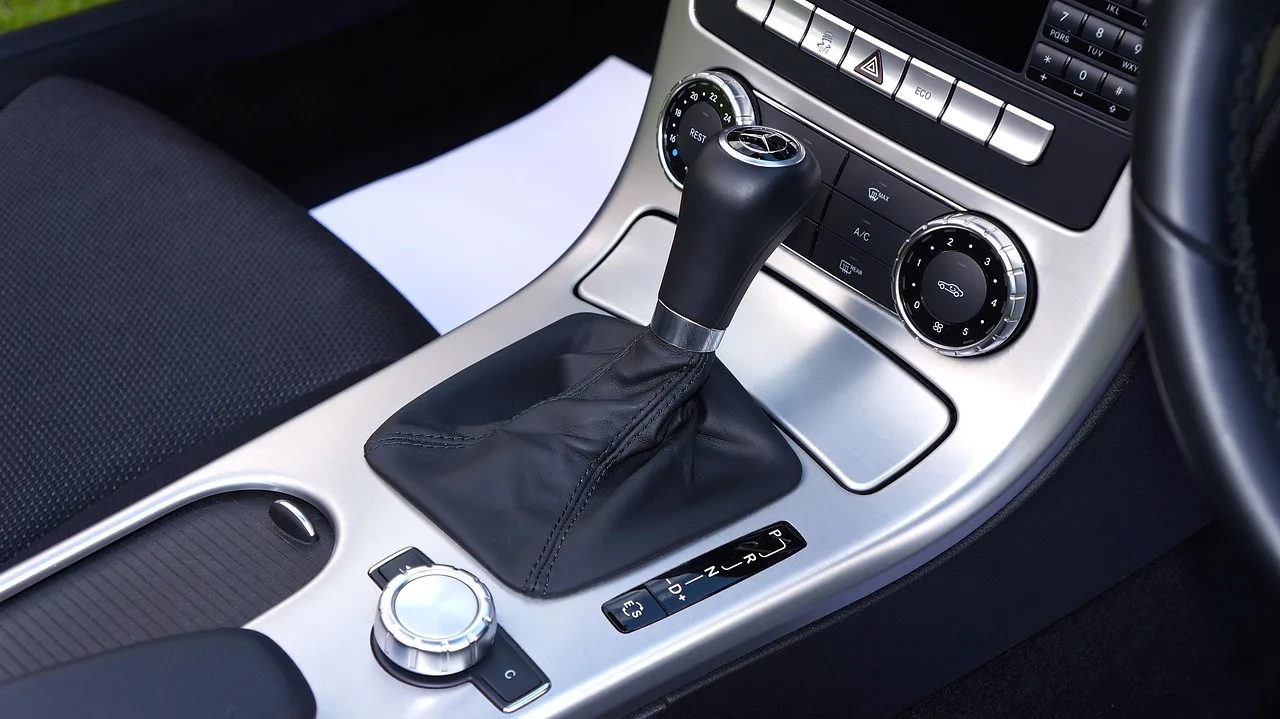
Car Climate Control System Cost
Car climate control repairs typically cost $150 to $1,200, with refrigerant leaks and sensor faults near the low end and blend-door or HVAC module repairs near the high end. Ignore weak cooling, stuck heat, or erratic fan control, and a small fix can turn into a compressor, control-head, or dashboard teardown bill. This guide maps common symptoms to likely failed parts, diagnosis costs, and repair-price ranges.
What auto climate control


Auto climate control uses sensors, switches, wiring, actuators, and refrigerant hardware to hold a chosen cabin temperature. The interface acts like a small computer, while sensors and switches send temperature data to the control unit. Basic air conditioning usually cools when you ask for it; climate control also manages airflow, temperature blend, and automatic adjustment.
The system combines cooling hardware with airflow parts. The engine turns the compressor in the cooling loop, refrigerant moves through a dryer and condenser, and the blower pushes air through the vents. Cabin temperature control depends on all of those parts working together, so one fault can look like several different problems.
How climate control differs from basic A/C
Basic A/C can be a simpler manual system with fewer sensors and less automated control. Automatic climate control adds a control head, more input sensors, and more command pathways, so diagnosis can take longer and cost more. That is why two cars with the same cold-air complaint can have very different bills.
Why automatic systems can cost more to diagnose
Automatic systems can fail in the module, wiring, blend-door controls, sensors, blower circuit, or refrigerant loop. A technician may need to check air temperature commands, power and ground, refrigerant pressure, blower output, and actuator response before replacing a part. That diagnosis time is often the difference between a modest repair and a large one.
Why repair prices vary
Repair bills vary because the symptom does not point to one single part. Diagnosis labor, parts access, refrigerant handling, and shop rates all matter. A leak check may lead to a seal or hose replacement, while a no-airflow complaint may turn into a blower motor or resistor job instead of an A/C repair.
Diagnosis labor versus parts replacement
Many shops charge one diagnostic fee before any repair work begins. That labor pays for leak testing, pressure checks, scan-tool data, and electrical testing. If the first failed part is easy to reach, parts cost may be low and labor may stay modest. If the fault sits behind the dash, labor climbs fast.
Shop rate, refrigerant type, and vehicle access
Local labor rates can move the total more than many owners expect. Refrigerant type also matters because service procedures and parts can differ by vehicle design. Compact cars often give better access than large SUVs or vehicles with a buried HVAC case, and that alone can add hours to the job.
When electronics raise the bill
Electronic faults often cost more because the shop has to separate a bad sensor, a wiring issue, and a failed control module. The climate control module is the electronic interface that commands temperature-setting functions, and it can fail through wiring or internal faults. Those repairs usually need more testing than a simple refrigerant recharge.
Climate control cost matrix
This matrix maps common symptom patterns to the most likely cause, the usual diagnosis path, and the repair band you are most likely to hear from a shop. Prices vary by vehicle, region, refrigerant type, and access. The bands below are practical shopping ranges, not promises.
| Failure | Likely symptom | Likely culprit | Typical diagnosis steps | Labor hours range | Parts-cost band | Total-shop-cost band | Do not replace first |
|---|---|---|---|---|---|---|---|
| Refrigerant leak | Cooling fades over days or weeks | O-ring, hose, condenser seam, service port, or evaporator leak | Leak inspection, UV or electronic leak test, pressure check, recharge verification | 0.8-2.0 | $20-$250 | $150-$500 | Compressor |
| Low refrigerant charge | Weak cooling, warmer air at idle, short cycling | Loss of refrigerant and oil through a leak | Pressure readings, vent temperature check, leak inspection before recharge | 0.5-1.5 | $0-$180 | $120-$350 | Condenser or compressor |
| Compressor failure | No cold air, clicking clutch, noisy front of engine | A/C compressor, clutch, or internal damage | Clutch command test, pressure comparison, noise check, refrigerant condition review | 2.5-6.0 | $250-$900 | $700-$1,800 | Control module or sensors |
| Condenser damage | Poor cooling at speed or in traffic, visible leak or damage at front of car | Damaged condenser, restricted airflow, or related leak | Front-end inspection, pressure test, airflow check, leak inspection | 1.5-4.0 | $120-$500 | $350-$1,000 | Compressor |
| Receiver-drier or dryer issue | Moisture contamination, poor performance after A/C service, recurring leak concerns | Dryer/receiver-drier saturation or failure | System inspection, moisture concern review, refrigerant service check | 1.0-2.5 | $30-$180 | $200-$450 | Compressor |
| Blower system fault | No airflow from vents, weak airflow at all speeds, fan works only sometimes | Blower motor, resistor, relay, fuse, or wiring | Fuse and relay check, power and ground test, blower motor output check | 0.8-3.0 | $40-$250 | $150-$650 | Refrigerant recharge |
| Sensor or switch fault | Wrong temperature, hot-and-cold swings, auto mode that will not settle | Cabin temp sensor, evaporator sensor, ambient sensor, or switch input fault | Scan data review, sensor resistance or voltage test, wiring inspection | 0.8-2.5 | $30-$220 | $150-$500 | Control module |
| Climate control module fault | Dead display, wrong commands, stuck settings, erratic temperature control | Module internal fault or wiring issue | Power and ground test, scan-tool communication check, input-output verification | 1.5-5.0 | $150-$700 | $400-$1,200 | Entire HVAC box |
The biggest mistake is replacing the compressor first because the cabin is warm. A low charge, failed sensor, stuck blower, or module fault can create the same complaint. Say your SUV blows warm air at idle but cools on the highway; that points more toward low refrigerant, condenser airflow, or a weak compressor clutch than a dashboard control problem.
Suppose your sedan shows the fan bars on the display, but nothing comes from the vents. That is usually an airflow fault, not a refrigerant problem. The blower motor circuit, resistor, relay, or wiring should be checked before anyone talks about an A/C recharge.
What causes no cooling?
No cooling usually comes from a refrigerant problem, a compressor problem, or a condenser and airflow problem. Low charge can reduce cooling because refrigerant carries cooling capacity and contains lubricating oil for compressor parts. A leak can also lead to compressor damage, so the first step is often a leak inspection rather than a parts swap.
Low refrigerant and leaks
Refrigerant leaks are common because the system has hoses, seals, and heat-exposed parts. Refrigerant moves through the condenser and dryer, and if charge drops too low the compressor may not move enough refrigerant to cool the cabin. Water entering after a leak can corrode components, which raises the repair cost later.
Compressor and clutch faults
The compressor is engine-driven and uses a clutch to cycle efficiently. That clutch may cycle hundreds of times per hour, so wear is normal over time. If the compressor seizes, leaks internally, or loses clutch function, cooling can stop altogether and the repair usually becomes one of the highest-cost A/C jobs.
Condenser and airflow problems
The condenser rejects heat from the refrigerant loop, so front-end damage, blockage, or poor airflow can reduce cabin cooling. A bent condenser or blocked grille may mimic a bad compressor. Diagnosis should include both pressure readings and a look at airflow through the front of the vehicle.
Why is my car not blowing air?
If the vents produce little or no airflow, the problem is often in the blower system rather than the refrigerant loop. The blower system uses electrical and mechanical parts to move air, so a dead motor, failed resistor, bad relay, or wiring fault can feel like an A/C failure even when the compressor is fine.
Blower motor, resistor, and relay checks
Start with the fan settings. If low speeds fail first, the resistor is a common suspect. If no speed works, the fuse, relay, wiring, or blower motor itself may be the issue. Those repairs are usually cheaper than refrigerant-side work, and they should be checked before any recharge.
Electrical faults that mimic A/C failure
A control-head fault can command the wrong blower speed, but so can a bad ground, corroded connector, or failed switch. Sensors and switches send temperature data to the control unit, so a bad input can also make the system behave as if the blower or compressor has failed. Diagnosis has to follow the signal path.
What does the climate control module do?
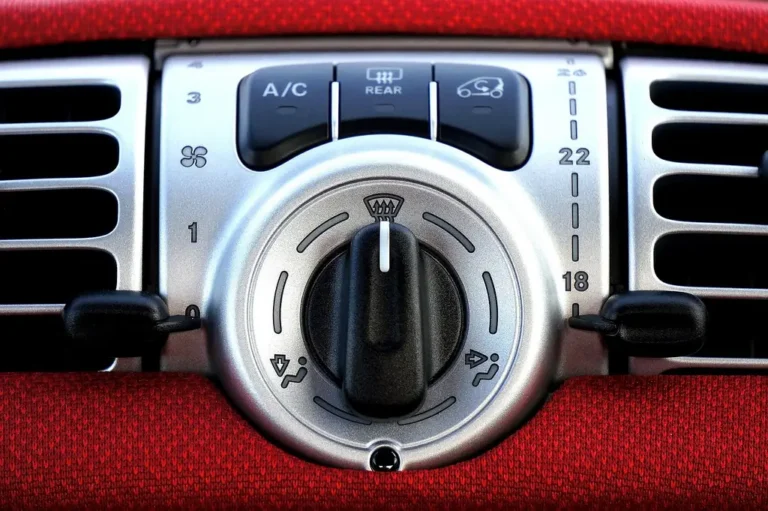
The climate control module is the electronic interface that reads inputs and commands outputs for temperature-setting functions. It helps decide when to open blend doors, call for compressor operation, and change fan speed. When it fails, the system may act random, stay stuck, or ignore your settings altogether.
Common signs of module or wiring failure
Look for dead buttons, a blank display, incorrect temperature changes, or functions that work only part of the time. Wiring problems can mimic a bad module because the unit may lose power, ground, or communication. That is why a scan-tool check and basic electrical testing come before replacement.
When sensors point the diagnosis in the wrong direction
A bad cabin temperature sensor can make the module behave badly even when the module is fine. The same goes for ambient or evaporator sensors. A shop that skips sensor data may replace the control head too early, which is why input testing matters before a high-cost electronic repair.
Should you inspect it annually?
Yes, an annual leak inspection is a smart move before peak heat arrives. Many shops recommend annual inspection for optimal performance, and they test for leaks and efficient operation. Catching a loss early can prevent low refrigerant from damaging the compressor and can keep the repair from expanding into a much larger bill.
What a technician usually checks first
Expect a shop to inspect vent temperature, refrigerant pressure, blower output, visible hose and condenser condition, and basic electrical operation. If the system is low, they should look for the leak before adding refrigerant. They can then provide an estimate for necessary repairs instead of selling a recharge that masks the real fault.
Common first-timer mistake: seeing weak cooling and asking for a recharge before a leak check. That can make the system cool for a short time while the real leak keeps draining refrigerant and oil. The better order is inspection first, parts second, then recharge after the leak is found and repaired.
Frequently asked questions
What is auto climate control?
Auto climate control is a system that holds a selected cabin temperature by managing fan speed, airflow direction, and cooling output automatically. It uses electronic controls, sensors, switches, and refrigerant hardware together. Compared with manual A/C, it adds more parts that can fail and more diagnosis steps when comfort drops.
Air conditioning vs climate control
Air conditioning usually refers to cooling air, while climate control manages cabin temperature more broadly and may adjust heat, fan speed, and airflow automatically. In repair terms, climate control often costs more to diagnose because the fault may sit in electronics, sensors, or actuators rather than only in the refrigerant loop.
How much does car climate control repair cost?
Car climate control repair typically runs from $150 to $1,200, with simpler leak or sensor work near the low end and module, blend-door, or compressor jobs near the high end. Diagnosis cost, labor access, and regional shop rates are major drivers. A recharge alone is rarely the right first answer.
Why is my auto climate control not blowing air?
No airflow usually points to the blower system, not the refrigerant. A failed blower motor, resistor, relay, fuse, or wiring issue can stop air from coming out of the vents even if the compressor still works. If fan speed changes do nothing, the airflow circuit should be checked first.
What does a climate control module do in a car?
The climate control module reads sensor inputs and commands functions such as fan speed, temperature blend, and compressor request. It acts like a small computer for the HVAC system. Wiring faults, bad inputs, or internal failure can cause wrong temperatures, dead controls, or erratic automatic operation.
Should I get my car climate control inspected annually?
Yes. Annual inspection helps catch refrigerant leaks, weak airflow, and early electrical faults before they cause compressor damage or larger dashboard repairs. A leak inspection is often the first diagnostic step because low refrigerant can reduce cooling and shorten component life if it goes unnoticed.
What parts make up a car climate control system?
A car climate control system usually includes the control head or module, sensors, switches, blower system, compressor, condenser, dryer/receiver-drier, refrigerant, and related hoses, seals, and actuators. The exact mix varies by vehicle. When one piece fails, the symptom can show up somewhere else, which is why full-system diagnosis matters.
Products related to this article
Sponsored / affiliate links. As an Amazon Associate I earn from qualifying purchases. I may earn additional commission from eligible campaigns.