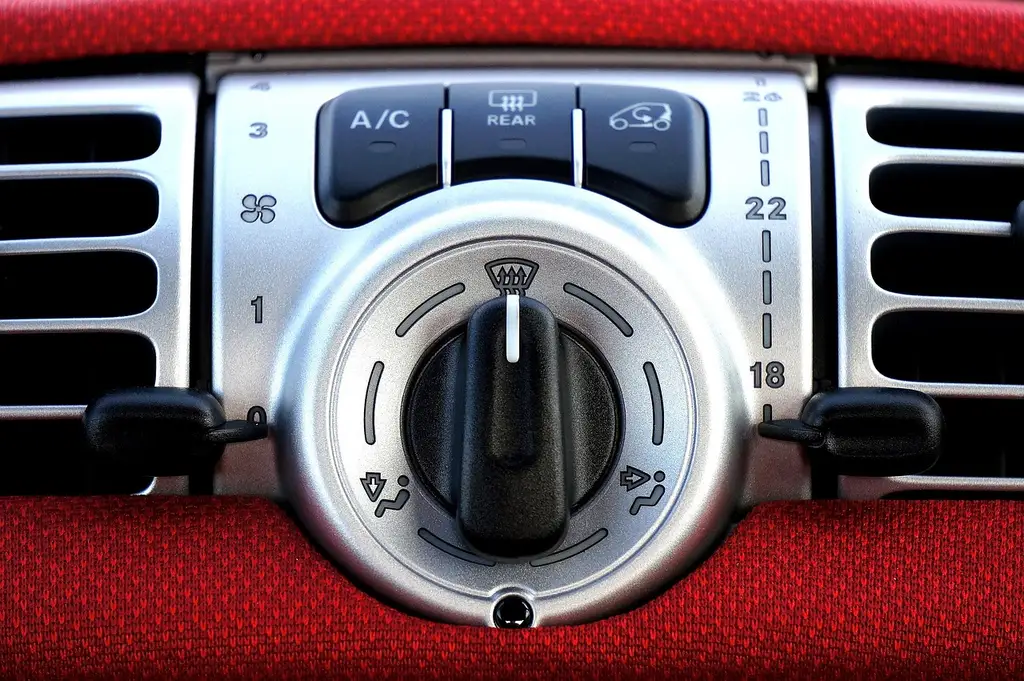
Manual Air Conditioning vs Automatic Climate Control
Manual air conditioning is simpler and usually cheaper to own. Automatic climate control keeps the cabin steadier and easier to live with, but its sensors, actuators, and control modules can take far more time to diagnose and fix. Miss that difference and you can buy the wrong used car, chase the wrong HVAC fault, or pay dealer rates for a problem a manual system would never have created. This guide compares comfort, efficiency, diagnosis, and repair risk so you can choose the system that fits your driving and maintenance budget.
This guide is part of our Car cooling and climate control guide series.
Manual air conditioning vs automatic climate control: the real trade-off


The core trade-off is control versus correction. Manual air conditioning usually requires the driver to keep adjusting the temperature dial, fan speed, and vent direction, while automatic climate control aims to hold a set cabin temperature on its own by changing fan output, compressor behavior, and blend-door position.
That difference shows up in ownership. Manual systems are usually easier to diagnose when the air feels wrong, but automatic systems can feel better day to day when the weather, sun load, or passenger count keeps changing.
| Decision factor | Manual Air Conditioning | Automatic Climate Control | Winner |
|---|---|---|---|
| Cabin temperature stability | Driver must keep adjusting controls as conditions change | Holds a set temperature by changing output automatically | Automatic Climate Control |
| Diagnosis difficulty | Usually simpler: fewer sensors and fewer control decisions | Harder: sensors, actuators, blend logic, and control modules can all be involved | Manual Air Conditioning |
| Repair risk and cost | Often lower because the parts list is shorter | Often higher because a failed sensor or actuator can add labor and troubleshooting time | Manual Air Conditioning |
| Convenience in changing conditions | Requires constant adjustment in heat, sun, or stop-and-go traffic | Less driver input, steadier comfort | Automatic Climate Control |
| Multi-zone comfort | Usually basic single-zone control | Works well with dual-zone and tri-zone setups | Automatic Climate Control |
Cabin temperature stability
Automatic climate control wins here because it is built to hold a target temperature instead of waiting for the driver to react. Manual AC can cool well, but the cabin usually swings more before the driver dials in the next correction.
That matters most on hot starts, long highway runs, and days when the sun keeps changing the load on the cabin.
Diagnosis difficulty
Manual AC is usually easier to trace because the complaint often points straight to a blower issue, refrigerant issue, or control problem. Automatic climate control can feel “off” even when the system is on, and that complaint may involve a cabin thermostat, solar sensor, blend door actuator, or a control-module command that no longer matches reality.
That extra decision-making is why the same symptom can take longer to sort out on an automatic system.
Repair risk and cost
Manual systems tend to keep repair bills lower because they rely on fewer inputs and fewer moving parts. Automatic systems add sensors, motors, and control logic, so a fault in one part can create a wrong-temperature complaint that takes more labor to confirm and fix.
A failed blend door actuator is one possible example of an automatic climate control fault. The vent may blow air that is too hot, too cold, or mixed oddly on one side, and the part itself can be modest while the access time pushes the bill up.
Convenience in changing conditions
Automatic climate control wins when the weather changes fast or the car sits in the sun. The system can trim fan speed, compressor operation, and blend door position without the driver chasing every shift in cabin heat.
Manual AC can still be perfectly fine, but it demands attention. For a short commute in a mild climate, that may not matter much.
Multi-zone comfort
Automatic control is the base for dual-zone and tri-zone systems, so it scales better when more than one person wants a different temperature. Manual AC rarely handles those disagreements well, because the cabin is generally tied to one set of controls.
That is why the premium trims usually move away from simple knobs and toward zone-based control.
What is the difference between manual air conditioning and automatic climate control?
Manual air conditioning uses a temperature dial, fan-speed control, and airflow-direction control, so the driver may need to keep adjusting settings as conditions change. Automatic climate control lets the driver set a target temperature, then manages fan output, compressor control, and blend control to help hold that setting with less intervention.
Manual air conditioning system
A manual system is straightforward. The driver chooses the fan, chooses where the air goes, and moves the temperature dial toward blue for cooler air or red for warmer air.
It works well when the driver does not mind making changes during the drive. It is less forgiving when the weather swings, the car sits in direct sun, or rear passengers want a different result.
Automatic climate control system
An automatic system reads cabin conditions and adjusts output to stay near the set temperature. The driver sets the target once, and the system changes fan speed and blend door position as needed.
That steadier behavior is the main reason people like it. The cabin feels more even, and the driver spends less time chasing hot and cold spots.
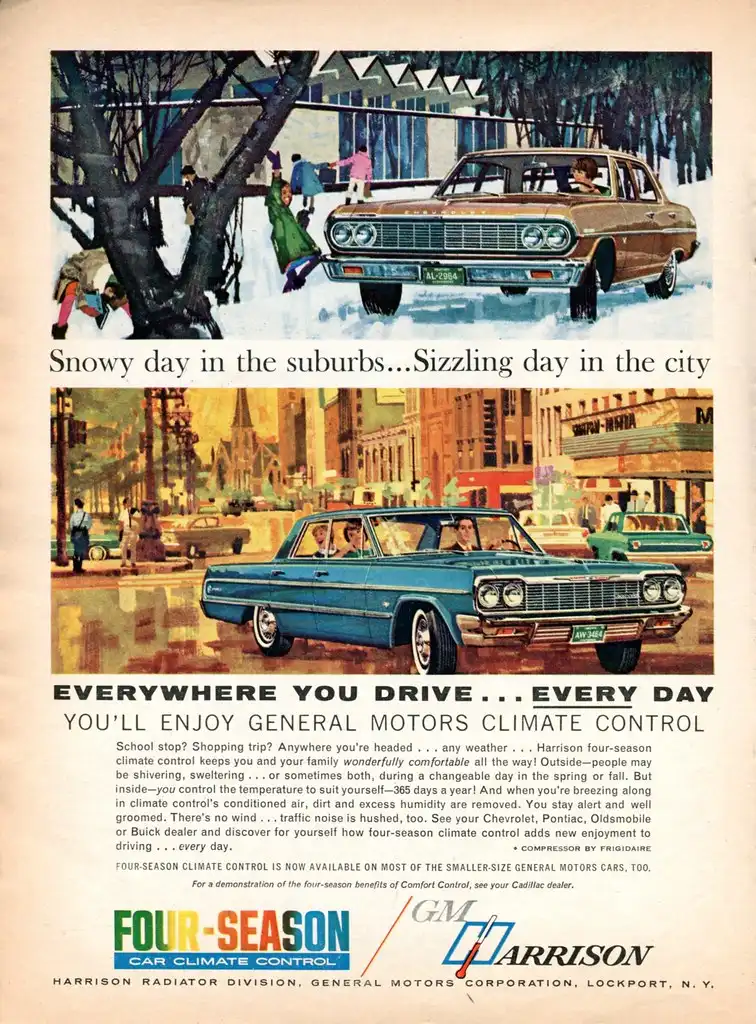
How does automatic climate control keep the cabin at a set temperature?
Automatic climate control keeps the cabin near the chosen temperature by reading sensors, then changing airflow, compressor behavior, and air-mix position. It works best when the cabin thermostat or temperature sensor is accurate, the solar sensor sees real sun load, and the blend doors move as commanded.
Cabin thermostat and temperature sensor placement
The cabin temperature sensor tells the control system what the interior actually feels like. Placement matters because a sensor in a dead-air pocket, near a cold vent, or in direct sun can read inaccurately and lead the system to overcorrect.
When that happens, the cabin may feel too warm or too cold even though the display shows normal operation.
Solar sensor, compressor control, and blend door movement
The solar sensor detects sun load and helps the system add output when the cabin is getting hammered by sunlight. Compressor control manages cooling demand, while the blend door shifts how much air passes through the heater core versus the evaporator.
Advanced systems may also use an air quality monitoring sensor to influence recirculation and filtration behavior. Some vehicles may add pre-conditioning via smartphone app, which can cool or heat the cabin before the driver gets in.
Why the system still needs good airflow and working actuators
Automatic control cannot fix blocked vents, weak blower output, or a dead actuator. The system is only as good as its ability to move air and move the doors that route it.
That is why a car can have a functioning climate display and still blow the wrong air temperature.
Which feels better in real driving?
Automatic climate control feels better in mixed weather, stop-and-go traffic, and long drives where the sun keeps changing cabin load. Manual AC feels fine when the route is short, the climate is mild, and the driver does not mind making frequent adjustments.
Stop-and-go traffic and hot sun
In traffic, cabin heat rises faster than many drivers expect. Automatic control handles that better because it can react without waiting for a person to notice the problem and turn the knob again.
Strong sun load also exposes the weakness of manual AC. The cabin may drift warm on the sunny side and cool down again once the car moves or the shade changes.
Rear-seat comfort and passenger disagreements
Passengers in the back often feel temperature differences first, especially in larger vehicles. Dual-zone climate control can give the driver and front passenger separate temperature settings, and tri-zone systems can add a rear zone.
That added comfort comes with added control complexity, which matters when parts fail or calibration is off.
When manual AC feels fine
Manual AC is usually enough for older cars, lower trims, and drivers who want simple controls. It is also easier to live with if the vehicle is kept a long time and the owner wants fewer expensive HVAC surprises.
If comfort needs are basic, the simpler system can be the better ownership choice.
Does automatic climate control use more fuel than manual AC?
Not always. Automatic climate control can save energy when it avoids unnecessary compressor load or fan output, but that benefit can shrink if the driver wants a very cold set point, the car is baking in the sun, or extra features keep the system working harder for longer.
When automatic control can save energy
When cabin temperature is already close to target, automatic control can back off fan speed and compressor demand instead of running everything harder than needed. In that situation, the system may use less energy than a driver who keeps manual AC turned up high out of habit.
That is especially true once the cabin has cooled and the system is mostly holding a steady condition.
When extra features can cancel that out
Dual-zone and tri-zone systems may have more airflow management to support, and pre-conditioning via smartphone app uses energy before the trip even starts. A very low set temperature can also keep the compressor working harder than a modest manual setting would.
So the fuel or energy difference is driven more by compressor load, fan demand, and cabin heat gain than by the label on the dash.
What matters most in real use
The biggest factor is how hard the system has to work. A hot parked car, a large glass area, and a long idle in traffic can force either system to consume more energy.
Automatic climate control is not a free-efficiency feature. It is mainly a comfort and consistency feature, with occasional efficiency gains when the control logic avoids wasted output.
Why is my automatic climate control blowing the wrong temperature?
Wrong-temperature air usually means the system is receiving a bad input or cannot move an air-mix door correctly. A blend door actuator failure is a common cause, but a faulty cabin temperature sensor, solar sensor issue, or recirculation problem can create the same complaint from the driver seat.
Blend door actuator failure and mixed-temperature air
The blend door actuator moves the air-mix doors that combine hot and cold air. When it fails, the system may stick on one setting, overshoot, or send uneven air from one side of the cabin.
That fault often feels like the controls are alive but the air never matches the command.
Temperature sensor error, solar sensor fault, or recirculation issues
If the cabin temperature sensor reads too high or too low, the control system will correct in the wrong direction. A bad solar sensor can make the system think the sun load is higher or lower than it really is, and that changes output strategy.
Recirculation faults can also create stale airflow or poor cooling because the system is not moving the right mix of outside and inside air.
Why a manual AC complaint is usually simpler to trace
Manual AC complaints tend to be more direct: weak airflow, weak cooling, or a knob that no longer changes anything. There are fewer automatic decisions involved, so diagnosis often starts with fewer branches.
That does not mean manual systems never fail. It means the failure path is often shorter.
Decision checklist: symptom, likely cause, and DIY vs shop
This checklist is the fastest way to separate a simple manual-system problem from a more layered climate-control fault. Use it as a triage tool, not a final diagnosis.
| Symptom | Manual air conditioning: likely causes | Automatic climate control: likely causes | DIY vs shop |
|---|---|---|---|
| Too hot on one side | Blend door cable or control issue, vent blockage | Blend door actuator, calibration problem, temp sensor mismatch | Shop if the door is electronic; DIY only for obvious vent or knob issues |
| Slow temperature changes | Low refrigerant, weak blower, clogged cabin filter | Sensor lag, actuator delay, compressor control strategy | DIY for filter checks; shop if the system cycles oddly or never stabilizes |
| Stale airflow or frequent recirculation | Recirculation door issue, poor blower performance | Air quality monitoring sensor, recirc logic fault, door actuator problem | Shop when the recirc function will not respond as commanded |
| Weak rear cooling | Basic system limitation, poor ducting, low airflow | Tri-zone control issue, rear actuator, duct restriction | Shop if rear controls or rear zone settings exist and do not respond |
Can you convert manual AC to automatic climate control?
Usually not in a simple or economical way. In practice, converting manual AC to automatic climate control can involve changing the control head, adding sensors, swapping actuators, integrating wiring, and making sure the module logic fits the rest of the vehicle.
What conversion usually means in practice
On paper, it sounds like adding a few parts. In practice, the dashboard, HVAC case, harness, control module, and calibration requirements often make the job expensive and time-consuming.
For most owners, that money is better spent buying a vehicle that already came with the system.
When it makes sense
It only makes sense when the car is rare, the trim differences are already well supported, and the parts are easy to source from a donor vehicle. Even then, the final bill can be hard to justify unless the car is otherwise worth keeping for the long term.
Which system is cheaper to repair: manual AC or climate control?
Manual AC is usually cheaper to diagnose and repair because there are fewer sensors, fewer actuators, and less control logic involved. Automatic climate control costs more when a sensor, blend door actuator, or control module needs testing, access, or calibration.
Why manual systems are cheaper
A simpler layout means fewer failure points. If the blower, temperature cable, or refrigerant side has a problem, the diagnosis path is often shorter and the parts bill is often lower.
That is one reason manual AC is attractive in older cars and budget trims.
Why automatic systems can cost more
Automatic systems add labor because a wrong-temperature complaint may require checking the cabin temperature sensor, solar sensor, air-mix actuators, and the control head before the real fault is found. A part can be inexpensive and still lead to a higher repair bill because of access time.
ManualLib tracks documents with error, fault, or alarm codes, and some manuals include troubleshooting chapters; those resources matter more when the system has electronic control layers. Manuals.plus offers vehicle manuals and troubleshooting tips, and it supports search for setup and troubleshooting help, which can shorten the first round of diagnosis.
Choose Manual Air Conditioning if… / Choose Automatic Climate Control if…
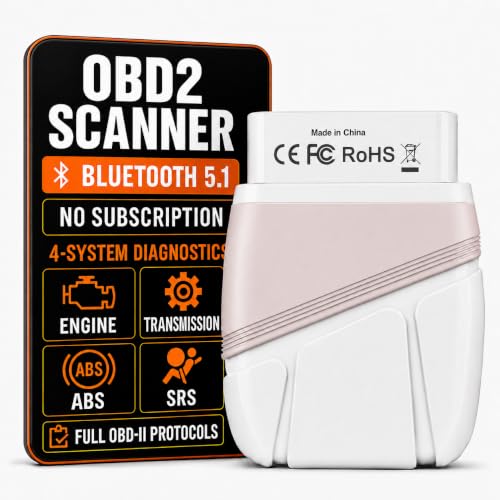
Choose manual AC if you want the lowest ownership risk, plan to keep an older vehicle, or prefer a system that is easier to diagnose without scanner-level troubleshooting. Choose automatic climate control if you spend time in hot sun, want steadier cabin temperature, or regularly carry front and rear passengers who care about comfort.
Choose Manual Air Conditioning if…
- You want fewer sensors and a simpler repair path.
- The car is older, lower-trim, or bought on a tight budget.
- You do not mind adjusting fan speed and temperature during the drive.
- You would rather avoid actuator-heavy HVAC repairs.
Choose Automatic Climate Control if…
- You want the cabin to stay closer to one set temperature.
- You drive in heat, sun, or stop-and-go traffic often.
- You want dual-zone or tri-zone comfort for passengers.
- You value smartphone pre-conditioning and other advanced comfort features.
Frequently asked questions
What is the difference between manual air conditioning and automatic climate control?
Manual air conditioning uses a temperature dial, fan-speed control, and airflow-direction control, so the driver makes ongoing adjustments. Automatic climate control lets the driver set a target temperature and then manages fan output, compressor behavior, and blend-door movement to keep the cabin near that setting.
Is automatic climate control worth it compared with manual AC?
It is worth it for drivers who spend time in changing weather, hot sun, or traffic, and for anyone who wants steadier cabin temperature without constant adjustments. It is less compelling if the vehicle is old, the budget is tight, or simpler repairs matter more than comfort consistency.
Does automatic climate control use more fuel than manual AC?
Not automatically. It can use less energy when it trims compressor and fan output after the cabin settles, but it can also use more if the set temperature is very low, the cabin is heat-soaked, or extra zone control keeps the system working harder.
Why is my automatic climate control blowing the wrong temperature?
A wrong-temperature complaint often points to a blend door actuator problem, a bad cabin temperature sensor, a solar sensor fault, or a recirculation issue. The system may still be on and functioning in part, but one bad input or stuck door can make the air feel wrong from the driver seat.
Can you convert manual AC to automatic climate control?
Usually not in a simple or low-cost way. A real conversion can require sensors, actuators, wiring changes, control-module work, and dashboard-level disassembly, so it often costs more than the improvement is worth unless the vehicle is a special case.
Which system is cheaper to repair: manual AC or climate control?
Manual AC is usually cheaper to diagnose and repair because it has fewer electronic parts and fewer failure paths. Automatic climate control can cost more when a sensor, actuator, or module needs testing and access, especially if the complaint is intermittent or the temperature is wrong only on one side.
What features come with dual-zone climate control?
Dual-zone climate control gives the driver and front passenger separate temperature settings, so each side of the cabin can be set differently. It improves comfort on mixed-temperature trips, but it also adds control logic and parts that can complicate diagnosis when one side stops matching the command.
How does automatic climate control keep the cabin at a set temperature?
It uses cabin temperature data, sensor inputs, solar load information, compressor control, and blend-door movement to keep the air near the chosen set point. When the readings are accurate and the actuators work, the system can hold a steady cabin far better than a driver constantly chasing the knobs.
Products related to this article
Sponsored / affiliate links. As an Amazon Associate I earn from qualifying purchases. I may earn additional commission from eligible campaigns.