Car Vacuum vs. Portable Handheld Vacuum: Which Wins?
Choose a car vacuum if your messes live in floor mats, seat tracks, pet hair, and family debris that piles up between rows. Choose a portable handheld vacuum if you also want one tool for stairs, couches, and fast cabin touch-ups. Pick the wrong one and you waste time chasing weak suction, short runtime, or a bin that fills before the rear footwell is clean. This comparison breaks down reach, capacity, runtime, clogging, and maintenance across real car-cleaning jobs.
Car vacuum vs. portable handheld vacuum: the real trade-off
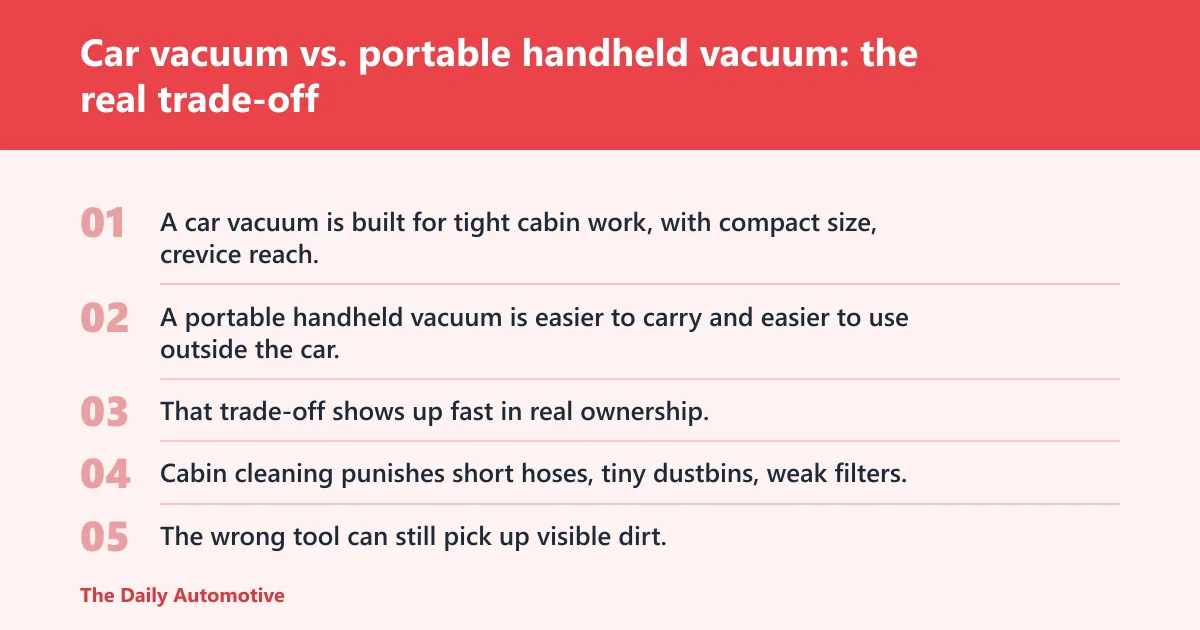


The split is plain. A car vacuum is built for tight cabin work, with compact size, crevice reach, and attachments aimed at seams and under-seat debris. A portable handheld vacuum is easier to carry and easier to use outside the car, but it often gives up cabin-specific reach, bin capacity, and long cleaning sessions.
That trade-off shows up fast in real ownership. Cabin cleaning punishes short hoses, tiny dustbins, weak filters, and batteries that sag under load. The wrong tool can still pick up visible dirt, but it can make the job slower and more annoying than it should be.
| Decision factor | Car Vacuum | Portable Handheld Vacuum | Winner |
|---|---|---|---|
| Reach into seat rails and gaps | Better crevice reach and tighter cabin fit | Usually shorter nozzle reach | Car Vacuum |
| Dustbin size and clogging | Often small; needs frequent emptying; clog risk rises with crumbs and hair | Usually also small, but meant for lighter spot cleaning | Tie |
| Runtime under load | Corded models avoid battery fade; cordless models vary widely | Battery runtime matters more because it is often used beyond the car | Car Vacuum |
| Grab-and-go convenience | More cabin-specific, less versatile around the house | Lightweight form factor, easy transport | Portable Handheld Vacuum |
| Attachment dependence | Usually benefits more from a crevice tool and brush attachment | Often usable with fewer attachments for quick pickups | Portable Handheld Vacuum |
| Best-fit use case | Seats, mats, console gaps, pet hair, family mess | Quick crumbs, stairs, couch cushions, light cabin touch-ups | Depends on job |
Reach into seats, seams, and under-floor edges
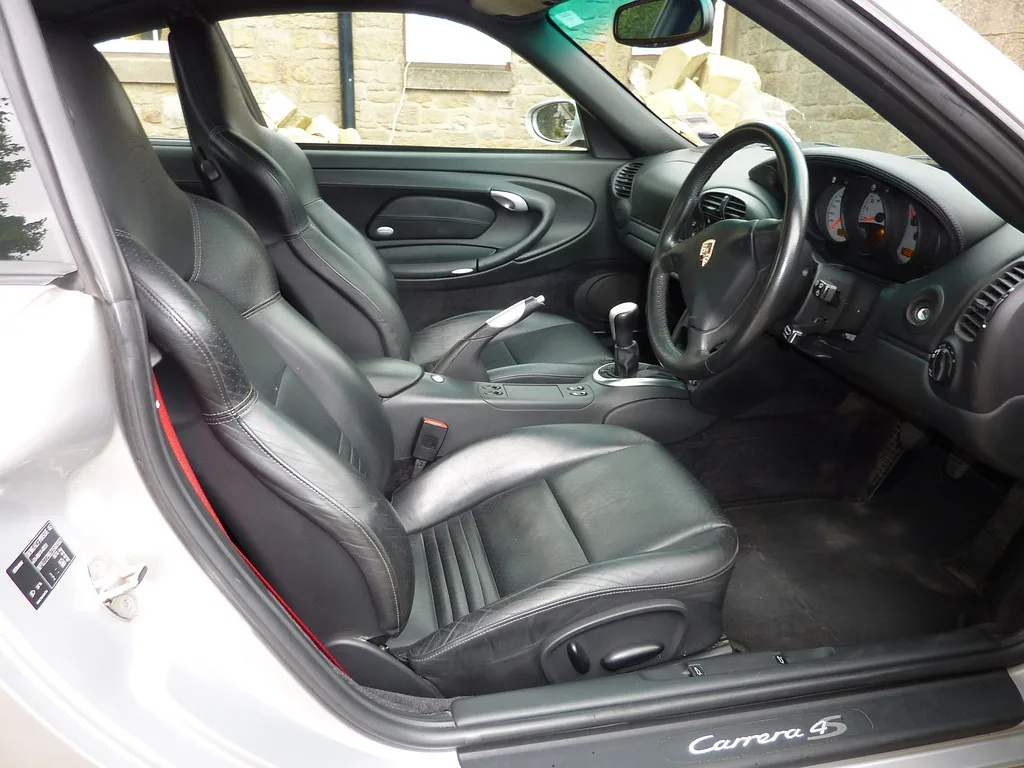
Car cleaning is mostly a reach problem. The crevice tool matters because crumbs, sand, and pet hair collect where the seat base meets the rail and where trim panels overlap. A car vacuum is often the better fit here because it is designed for nooks and crannies.
A generic handheld vacuum can still work, but the narrow nozzle and hose length often decide whether the last 10% of debris comes out cleanly. If the tool cannot get into the gap, suction power on paper does not matter much.
Capacity, clogging, and filter access
Small dustbins are the hidden tax of compact vacuums. The Fanttik V10, which the article lists as best overall, ran just under 14 and a half minutes on high, but it also has a small debris bin and must be emptied often; its filter tends to clog quickly, and it lacks a wide nozzle for larger debris. (caranddriver.com)
That pattern is common. Fine dust is easy. Crumbs, grit, and pet hair can bridge the chamber, choke the filter, and force repeated stops. A vacuum that empties cleanly and lets the filter out without a fight usually feels better after the third cleanup than one with slightly better raw suction.
Corded vs. cordless car vacuum tradeoffs
Corded car vacuums avoid battery fade and can be steadier for longer interior jobs. Cordless lithium-ion battery models are often more convenient, but runtime on high can matter more than the headline number, because real car messes may call for the stronger setting for mats and pet hair.
Charge time and fade under load affect ownership friction. A cordless unit that starts strong and fades quickly can leave the rear footwell half done. For buyers who clean one car and stop, that may be fine. For family vehicles, it becomes irritating.
📊 The Fanttik Slim V10 APEX is the article’s best overall car vacuum. Source: Best Car Vacuums of 2026, Tested by Experts.
How do they compare on the spec sheet?
Car vacuums often win on cabin-specific fit, while portable handheld vacuums often win on everyday portability. The rows that matter are not the flashy ones. Reach, bin size, filter access, and usable runtime decide whether the vacuum gets used or stays in a closet.
Suction strength for seats, mats, and seams
For car seats and floor mats, good enough suction means it can pull crumbs out of fabric, lift grit from carpet pile, and move loose pet hair on the first pass or second pass. The Dyson Car+Boat is labeled the most powerful option, which makes sense if the car sees heavy debris or deeply embedded dirt.
Raw suction matters most on carpet pile and packed mat debris. On smooth plastic and hard trim, a precise nozzle and decent airflow are often more useful than top-end power.
Corded vs. cordless use in the car
Corded car vacuums are less convenient to store, but they skip battery anxiety. Cordless car vacuums are easier to grab for a fast cleanup, yet battery life, high-setting runtime, and fade under load become the whole story once the floor mats are dirty.
Portable handheld vacuums are usually cordless, so they carry the same battery limits and then add household chores into the mix. That makes them more versatile, but not always better for a deep car detail.
Weight, storage, and emptying convenience
A portable handheld vacuum is easier to carry from car to house, which helps commuters and apartment dwellers. Car vacuums are often more compact in the cabin, but they can still be annoying to store if they require multiple attachments or a charging spot.
Emptying is where compact designs can annoy. Bagless handheld vacuums are easy to dump when the bin is open and the dust is dry, but filter access matters as much as the latch. If the chamber clogs, that easy-empty promise disappears fast.
What matters more in real car cleaning: reach, runtime, or capacity?
For many drivers, reach may matter first, runtime second, and capacity third. A vacuum that cannot reach seat rails or the gap under the front seat fails before suction becomes the problem. After that, battery fade and a tiny bin decide how long the job takes.
Crevice tool performance in seat rails and console gaps
The crevice tool is not an accessory. It is the part that turns a general vacuum into a car-cleaning tool. Narrow nozzles matter for edge cleaning, console seams, and the tight space behind pedals or around seat anchors.
Without the right attachment, crumbs stay where they are. That is why car vacuums usually feel better than generic handhelds in one specific job: reaching the narrow spots that collect daily debris.
Cordless lithium-ion battery runtime under load
Battery claims mean little unless you know the high-setting runtime. The Fanttik V10’s high-mode runtime can be useful because it gives buyers a sense of what to expect when the vacuum is working hard, not just sitting idle.
For a small coupe or a quick weekly cleanup, that may be enough. For minivans, pet hair, or muddy mats, a short high-mode window forces more stops and more recharging.
Clogging risk from crumbs, grit, and pet hair
Crumbs, grit, and hair are the stuff that exposes weak designs. Fine dust is easy to move. Bigger debris can bridge the bin opening, and hair can wrap around the filter and narrow the airflow path.
That is where the ownership friction starts. Frequent clogging means more shaking, more filter cleaning, and more interrupted sessions. A vacuum that looks strong in a product listing can feel underbuilt once it meets cereal and dog hair in the same seat.
How often each type needs to be emptied
Small debris chambers are fine for a fast pass, but they need attention almost immediately on messier cars. The Fanttik’s small bin is a good example of the trade: easier to keep compact, less pleasant to use when the rear seats are full of grit and crumbs.
Portable handheld vacuums often face the same issue, but they are usually accepted as quick-clean tools. A car vacuum is judged more harshly because the buyer expects it to finish the cabin without frequent stops.
Which vacuum works best for pet hair, crumbs, and floor mats?
The car vacuum usually wins for pet hair, crumbs, and floor mats because it is better suited to tight spaces and targeted attachments. Portable handheld vacuums do fine on light debris, but heavier carpet pile work and hair stuck in seams usually expose their limits sooner.
Pet hair cleanup with a brush attachment
Pet hair cleanup improves a lot with a brush attachment. Static cling on seat fabric and carpet pile means hair often needs agitation before suction can pull it free. A good brush attachment loosens the fibers without shredding the upholstery.
That matters most for owners with cloth seats and cargo areas. Leather hides hair better, but stitching and perforations still trap debris along the edges.
Crumbs under seats and along trim
Crumbs under car seats are a classic car vacuum job. The answer is usually a crevice tool, not brute suction. If the nozzle fits the gap, the crumbs come out. If it does not, they stay there until the seat moves.
Portable handheld vacuums can handle loose surface crumbs quickly, but deeper seat-rail debris is where the cabin-focused shape pays off.
Grit and sand in carpet pile
Grit and sand are tougher than they look because they settle into carpet pile. A stronger motor helps, but airflow path and bin design matter too. If the dustbin clogs early, the vacuum loses performance before the job is finished.
This is where more powerful units and better filters matter, especially on winter floors and beach sand.
Dust and dry debris on hard interior surfaces
For dust on hard trim, cupholders, and console ledges, portability matters as much as suction. A lightweight handheld vacuum is often easier to grab for that five-minute wipe-and-vac routine.
That is the job where a portable handheld vacuum can feel more practical than a car-specific unit, especially if the same vacuum also cleans furniture and stairs.
Decision table: 8 common car-cleaning scenarios
This table maps the tool to the job. The better choice is not always the strongest vacuum. It is the one that reaches the mess, stays usable long enough, and does not force constant emptying or filter stops.
| Scenario | Debris type | Attachment needed | Expected runtime | Emptying frequency | Ownership friction | Better choice |
|---|---|---|---|---|---|---|
| Seat rails after a week of commuting | Crumbs, grit | Crevice tool | Short | Low | Low if nozzle reaches | Car Vacuum |
| Family minivan after snack duty | Crumbs, dried cereal | Crevice tool plus brush | Medium | High | Medium to high | Car Vacuum |
| Dog hair on cloth seats | Pet hair, lint | Brush attachment | Medium | Medium | Medium | Car Vacuum |
| Quick cleanup of front cabin dust | Dust, light debris | Open nozzle or brush | Short | Low | Low | Portable Handheld Vacuum |
| Floor mats after rain or winter slush | Grit, damp dirt | Wide nozzle helps | Medium to long | Medium | Medium | Car Vacuum |
| Under-seat cleanup in a compact car | Loose crumbs, small grit | Narrow crevice tool | Short | Low | Low if reach is good | Car Vacuum |
| Multi-room use after the car | Mixed light debris | General-purpose attachment | Medium | Medium | Low for home use | Portable Handheld Vacuum |
| Heavily neglected cargo area | Hair, grit, larger debris | Brush plus crevice, maybe wide nozzle | Long | High | High | Shop Vac |
Choose Car Vacuum if… / Choose Portable Handheld Vacuum if…
Choose a car vacuum if your worst mess lives in seat tracks, floor mats, rear footwells, and cargo corners. It is the better fit for pet owners, families, rideshare drivers, and anyone who wants crevice reach and stronger cabin-specific cleanup.
Choose a portable handheld vacuum if your cleaning is lighter, faster, and shared with household jobs. It is the better pick for commuters who want one easy tool for the car, stairs, sofas, and spot cleanups without thinking about special storage or attachments.
If the car is full of heavy grit, wet debris, or months of buildup, a shop vac makes more sense. It brings higher capacity and less clogging, but the bulkier footprint and storage penalty make it a poor everyday cabin companion.
What maintenance costs should you expect?
Maintenance is part of ownership, and it changes the winner. A car vacuum with a tiny dustbin and fast-clogging filter can cost time every week, even if it looks cheaper up front. A portable handheld vacuum is often easier to live with, but only if filter care stays simple and the bin opens cleanly.
Filter cleaning frequency and clogging tendency
Filters clog fastest when the vacuum handles fine dust, hair, and crumb fragments in the same session. The Fanttik’s filter tendency to clog quickly is a good warning sign: strong enough for the job, but not always pleasant to maintain.
Washable filters cut replacement spending, but they still need drying time and regular cleaning. Replaceable filters cost more over time, yet they are often easier for owners who hate mess.
Dustbin emptying and seal wear
Bagless handheld vacuums are usually easier to empty in a car because there is no bag to replace. That said, small bins can puff dust back into the cabin if they are opened carelessly, and repeated emptying wears on latches and seals.
The practical question is not whether emptying is possible. It is whether it stays clean and quick after the tenth use.
Battery care, charge time, and replacement risk
Cordless lithium-ion battery packs age. High-setting runtime shortens first, then total runtime, then the battery becomes annoying enough to replace. Buyers should expect that a vac used hard on high will age faster than one used for light cleanup.
Corded car vacuums avoid that replacement path, which is a real advantage for owners who dislike battery management.
What suction power do I need for car seats and floor mats?
For car seats and floor mats, enough suction means the vacuum can pull loose crumbs, grit, and pet hair without repeated passes. Deep carpet pile and packed floor mats need more than a polite airflow stream; they need a tool that can keep pull under load and still clear the debris path.
If the car has cloth seats, heavy mat dirt, or pet hair, prioritize stronger suction and a brush or crevice attachment. If the main job is dusting hard surfaces, moderate suction is usually enough.
Which vacuum is best for pet hair in a car?
A car vacuum is usually the better choice for pet hair in a car, especially when paired with a brush attachment. Pet hair clings to seat fabric, grabs onto carpet pile, and hides in seams, so the tool needs both agitation and narrow reach.
For light shedding, a portable handheld vacuum can work. For regular dog hair or long hair in cloth interiors, the cabin-focused format tends to save time and frustration.
How long should a cordless car vacuum battery last?
A cordless car vacuum battery should last long enough to finish a normal cabin cleanup without forcing a recharge. For buyers, the more useful number is high-setting runtime, because that is the mode most likely to be used on mats, pet hair, and tighter debris.
The Fanttik V10 ran just under 14 and a half minutes on high, which is workable for a small job but tight for a messy vehicle. Longer runtime matters more when the cleanup includes multiple rows, cargo space, or frequent clogging pauses.
Are bagless handheld vacuums easier to empty in a car?
Bagless handheld vacuums are usually easier to empty because they do not require bag changes, and the dustbin can be dumped quickly. The catch is that small chambers fill fast, and dry dust can puff back into the cabin if the bin is opened without care.
They are easiest to live with when the debris is light and dry. Once the car has pet hair, sand, or cereal crumbs, the convenience advantage shrinks.
Do car vacuums need special attachments for crevices?
Yes. A crevice tool is one of the main reasons a car vacuum beats a generic handheld vacuum in cabin work. Narrow nozzles reach seat tracks, console seams, and the gap under the front seat where loose debris likes to disappear.
Without that attachment, the vacuum may still handle open carpet and mats, but it will miss the tight spaces that define car cleaning.
What is the best vacuum for crumbs under car seats?
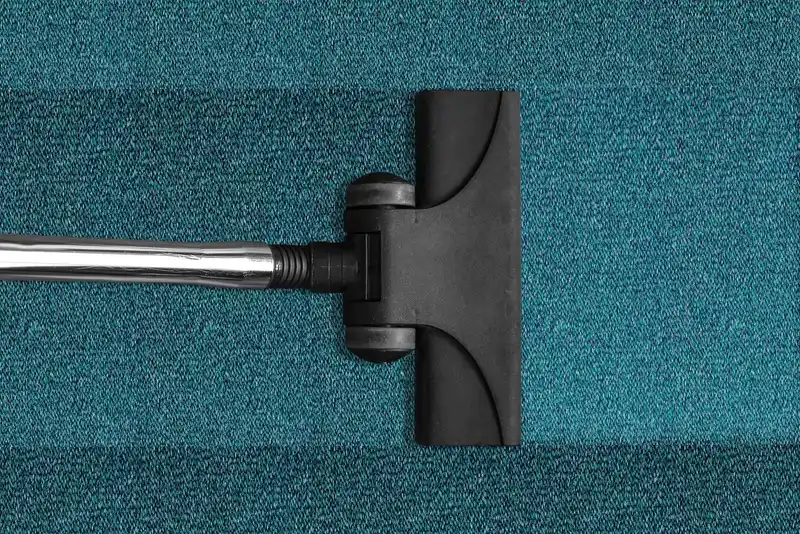
The best vacuum for crumbs under car seats is usually a car vacuum with a long, narrow crevice tool. That shape reaches into the seat rails and under-seat gap better than a broader handheld nozzle, which often stops short of the mess.
If the crumbs are large or mixed with grit, a vacuum with a wider intake can help, but reach still comes first.
Should I buy a car vacuum or use a shop vac?
Use a shop vac if the vehicle has heavy debris, soaked dirt, or a long-neglected cargo area. Shop vacs bring higher capacity and less emptying, but their bulkier footprint and storage penalty make them awkward for regular car use.
Buy a car vacuum if you want a tool that lives near the car, reaches the cabin, and gets used often. For ordinary maintenance, that is usually the more practical choice.
Frequently asked questions
Is a car vacuum better than a portable handheld vacuum?
For cabin-specific cleaning, yes. A car vacuum is usually better because it is built for tight reach, small gaps, and seat-track debris. A portable handheld vacuum is better when the same tool also needs to move from car to house without fuss.
What suction power do I need for car seats and floor mats?
Enough to lift crumbs, grit, and pet hair from fabric in one or two passes is the real target. Floor mats and cloth seats need stronger airflow than dusting hard trim, and carpet pile needs the most help when debris is packed down.
Which vacuum is best for pet hair in a car?
A car vacuum with a brush attachment is usually the best fit for pet hair. Hair clings to fabric and carpet pile, so the tool needs agitation as well as suction. For light shedding, a good handheld vacuum can still be acceptable.
How long should a cordless car vacuum battery last?
Long enough to finish a normal cleanup without recharge breaks. High-setting runtime matters most, because that is the setting used for mats, hair, and grit. The Fanttik V10’s just-under-14 and a half minutes on high shows how short that window can be.
Are bagless handheld vacuums easier to empty in a car?
Usually yes. They dump quickly and avoid bag changes. But easy emptying depends on the dustbin shape and filter access, and small bins can clog or puff dust back into the cabin if the owner is not careful.
Should I buy a car vacuum or use a shop vac?
Buy a car vacuum for regular interior cleaning and easy storage near the vehicle. Choose a shop vac when capacity and debris volume matter more than portability, such as for a very dirty cargo area, big spills, or infrequent deep cleaning.
Products related to this article
Sponsored / affiliate links. As an Amazon Associate I earn from qualifying purchases. I may earn additional commission from eligible campaigns.
 Car Vacuum Cleaner, Portable Handheld Mini Vacuum Cleaner, Portable Car Vacuum Cleaner with Inflator Function Light, Small Vacuum for Car, RV, Boats, Travel, DC12V 120W
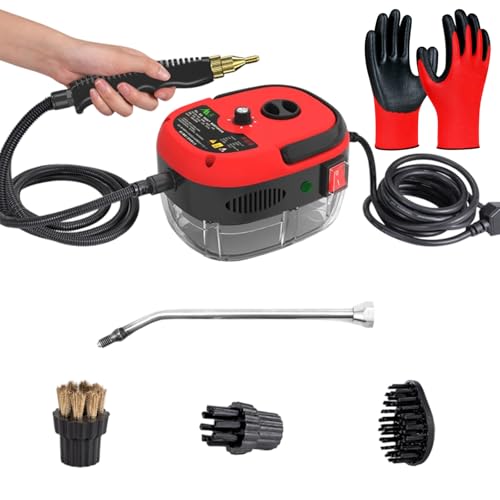 2026 New Portable Handheld Steam Cleaner, 2500w Handheld High-Temperature Pressurized Steam Cleaner, Multi Purpose Cleaner for Car Engine Furniture, Kitchen, Bathroom (Mechanical Red)