Digital Equalizer for Car Audio: How It Works & Best Pick
A digital equalizer for car audio is a small processor that sits between your head unit and amplifier, letting you adjust individual sound frequency bands instead of relying on a fixed “bass/mid/treble” dial. It gives you far more precise control over how your car’s music sounds than any built-in stereo EQ preset.
If your factory or aftermarket head unit’s EQ presets still leave the sound too boomy, too harsh, or just flat and lifeless, a dedicated digital equalizer is usually the fix — and it’s one of the cheapest upgrades in car audio for the improvement it delivers.
What Is a Digital Equalizer for Car Audio?
A digital equalizer splits the audio signal into several frequency bands (commonly 5, 7, or more) and lets you raise or cut each one independently using a small internal digital chip rather than an analog circuit. Most units, like the Taramps TEQ 7.4 below, connect via RCA cables between your head unit’s preamp output and your amplifier’s input, so they work with almost any aftermarket stereo already installed in a car.
Because the adjustment happens digitally, the settings are exact and repeatable — turning a band up by 3dB does the same thing every time, unlike a worn analog slider that can drift. That precision is the main reason standalone digital equalizers remain popular even though most modern head units already ship with some kind of built-in EQ.
BEST STANDALONE EQUALIZER
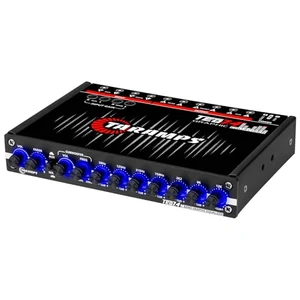 |
Taramps TEQ 7.4 7-Band Graphic Equalizer – $54.97 A straightforward RCA in/out equalizer that adds precise 7-band tone control to almost any aftermarket car stereo without the complexity of a full DSP.
|
Digital vs. Analog Car Equalizers: What Actually Changes
Older analog car equalizers use physical sliders wired directly into the audio path, and those sliders (and the components behind them) can add a small amount of hiss or signal loss over time as contacts wear. A digital equalizer processes the signal through a chip instead, which generally means a lower noise floor and settings that don’t drift — but it isn’t magic. Overall sound quality still depends on the quality of the digital-to-analog conversion inside the unit and how well it’s installed, so a cheap digital EQ wired sloppily can still sound worse than a well-installed analog one.
Digital Equalizer vs. DSP: They Are Not the Same Thing
These two terms get used interchangeably online, but they describe different levels of control. A dedicated equalizer like the Taramps TEQ 7.4 only adjusts frequency bands — it boosts or cuts bass, mids, and treble. A DSP (digital signal processor), like the PRV AUDIO units below, does everything an equalizer does plus a crossover function (splitting frequencies between speakers and a subwoofer) and, on many models, per-channel time delay so sound from every speaker reaches your ears at the same moment. If you’re only trying to fix a boomy or harsh-sounding system, a standalone equalizer is usually enough and considerably simpler to set up. If you’re building a multi-amp system with separate tweeters, mids, and a sub, you’ll want a full DSP instead.
| Unit | Type | Channels | Price | Best For |
|---|---|---|---|---|
| Taramps TEQ 7.4 | 7-band equalizer only | 2 in / 3 out | $54.97 | Simple tone correction on an existing system |
| PRV AUDIO DSP 2.4X | Digital crossover + equalizer | 4 | $54.00 | Small multi-amp setups needing crossover control |
| PRV AUDIO DSP 2.8X | Digital crossover + equalizer | 8 | $83.01 | Larger systems with separate tweeter/mid/sub amps |
Both PRV AUDIO units add a sequencer remote relay for turning amplifiers on in a set order, which helps prevent the loud pop some multi-amp systems produce at startup. For a deeper side-by-side comparison of dedicated DSP units specifically, see our guide to the best DSP options for car audio.
How to Install a Digital Equalizer in Your Car
Installing a standalone digital equalizer is one of the more approachable car audio upgrades because it sits inline between two components you likely already have wired — the head unit and the amplifier.
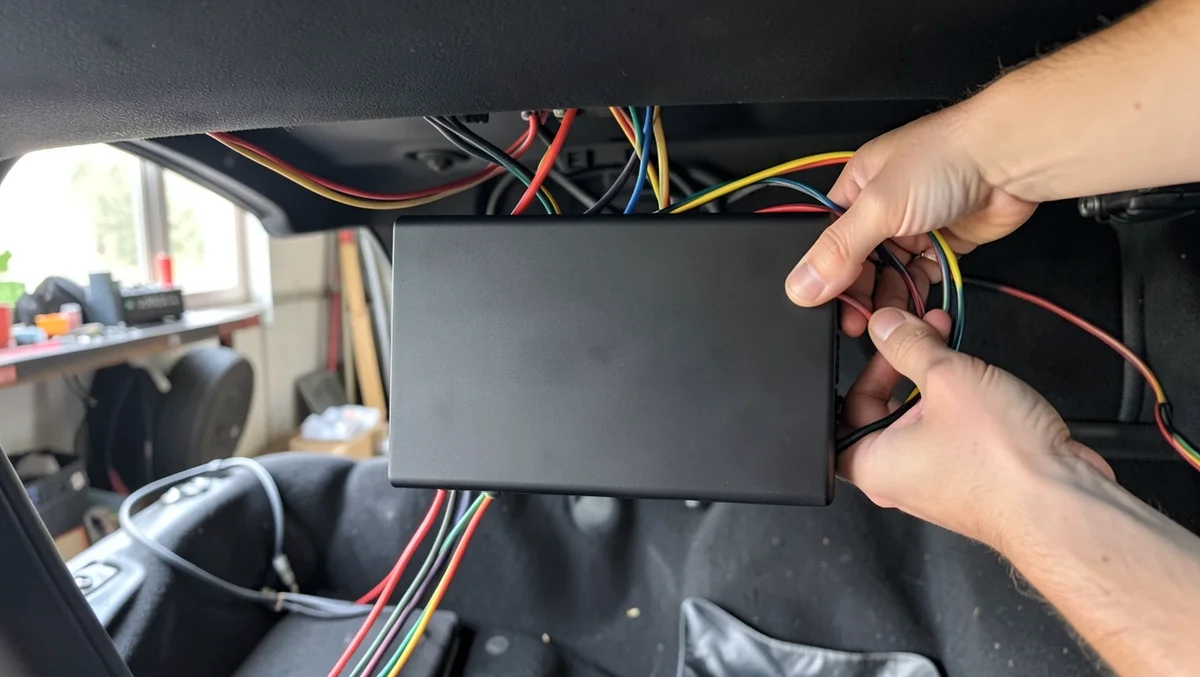
- Pick a mounting spot with easy cable access — under a seat, inside a center console, or in the trunk near the amp.
- Run RCA cables from your head unit’s preamp output to the equalizer’s input jacks.
- Run a second set of RCA cables from the equalizer’s output jacks to your amplifier’s input.
- Connect the equalizer’s power wire to a switched 12V source, ground it to bare metal, and wire the remote turn-on lead to the amp’s remote line.
- Set the input gain to match your head unit’s output level, start with all bands flat, and adjust one band at a time while playing familiar music.
What to Look for When Buying a Car Audio Equalizer or DSP
Match the channel count to your system: a single amp driving all speakers only needs 2-4 channels, while a system with separate amps for tweeters, mids, and a subwoofer needs a unit with enough outputs to feed each one individually — that’s the 8-channel PRV AUDIO DSP 2.8X’s main selling point over the 4-channel 2.4X. Check whether your existing wiring uses RCA (low-level) or speaker-level inputs, since not every unit accepts both without an adapter, and confirm the equalizer’s physical size fits wherever you plan to hide it before buying.
Frequently Asked Questions
What Features Does the Taramps TEQ 7.4 Offer?
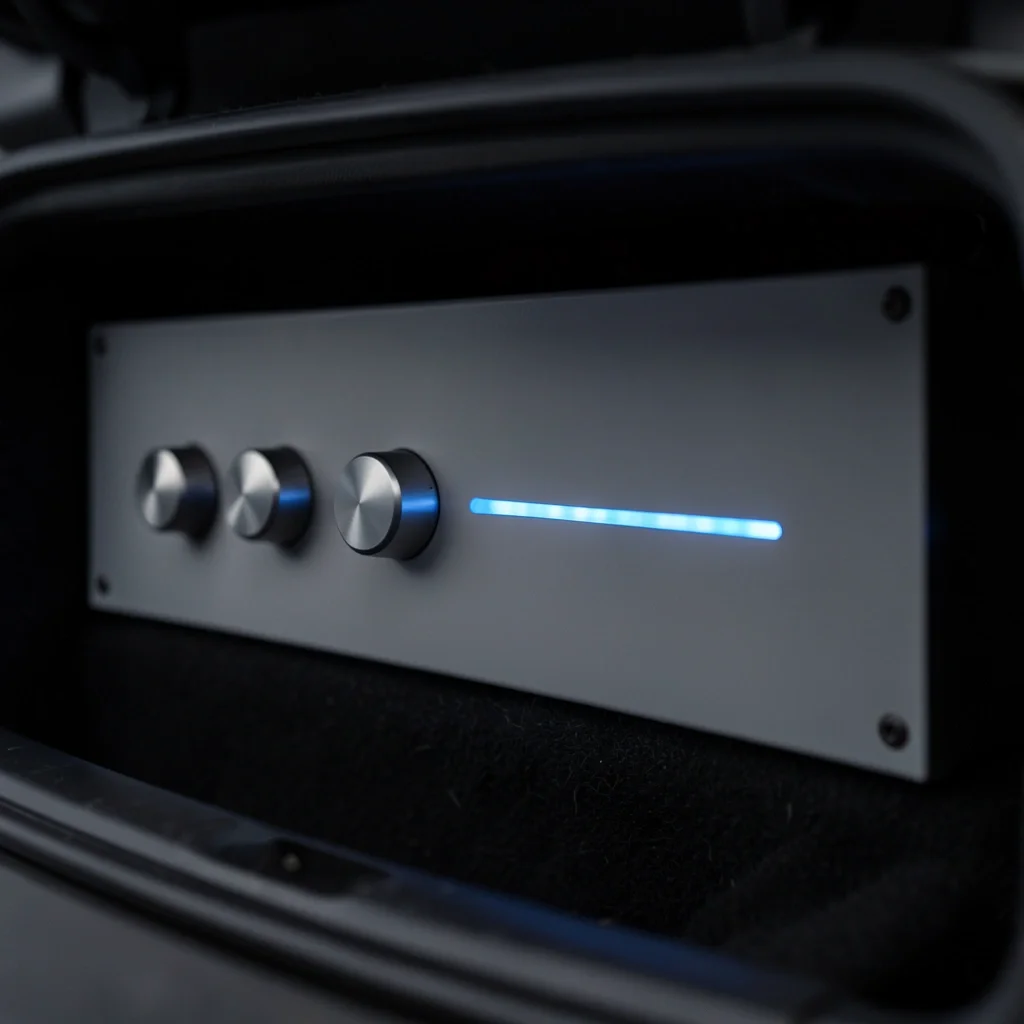
The Taramps TEQ 7.4 is a 7-band graphic equalizer with RCA input/output, two input channels, and three output channels. It also includes auxiliary gain and fader control, plus a blue LED indicator for visibility when adjusting settings in a dark car interior.
How Does the PRV AUDIO DSP 2.4X Improve Sound Quality?
The PRV AUDIO DSP 2.4X combines a digital crossover with an equalizer across four channels, using full digital signal processing. Its sequencer remote relay turns amplifiers on in sequence, and the combination lets you fine-tune both frequency balance and speaker-to-speaker output in one unit.
Is the PRV AUDIO DSP 2.8X Suitable for Large Systems?
Yes. The PRV AUDIO DSP 2.8X supports eight channels of full digital signal processing, making it a better fit than the 4-channel 2.4X for systems with separate amplifiers for tweeters, midrange speakers, and a subwoofer. It includes the same digital crossover, equalizer, and sequencer remote relay features.
What Makes Digital Equalizers Better Than Analog?
Digital equalizers process sound through a chip rather than physical sliders, which generally means more precise, repeatable adjustments and a lower noise floor than an aging analog unit. Sound quality still depends on the specific unit’s build and how well it’s installed, so a digital equalizer isn’t automatically better in every case — it’s the more consistent and flexible option overall.
What Is the Difference Between a Digital Equalizer and a DSP?
A digital equalizer only adjusts frequency bands (bass, mids, treble). A DSP does that plus adds a crossover to split frequencies between speakers and a subwoofer, and often per-channel time delay to align sound arrival from every speaker. Choose an equalizer for simple tone correction, or a DSP if you’re running a multi-amp system.
How Can Equalizers Enhance the Car Audio Experience?
Equalizers let you raise or cut specific frequency bands to correct problems like boomy bass or harsh treble caused by your car’s cabin acoustics. Tuning specific bands improves clarity and balance, making music sound more natural and enjoyable on every drive.
Are Digital Equalizers Easy to Install?
A standalone equalizer like the Taramps TEQ 7.4 is straightforward to install since it just runs inline via RCA cables between your head unit and amplifier. Full DSP units are only slightly more involved — the wiring is similar, but tuning the crossover and channel settings takes more time than adjusting a simple equalizer.
Conclusion
A digital equalizer is one of the simplest, most affordable ways to fix a car audio system that sounds boomy, harsh, or flat — without touching your existing head unit or amplifier. The Taramps TEQ 7.4 covers that job well for most single-amp setups. If you’re running a more complex multi-amp system with separate tweeters, mids, and a subwoofer, step up to a full DSP like the PRV AUDIO 2.4X or 2.8X so you get crossover control and channel time-alignment along with the equalizer.
Products related to this article
Sponsored / affiliate links. As an Amazon Associate I earn from qualifying purchases. I may earn additional commission from eligible campaigns.
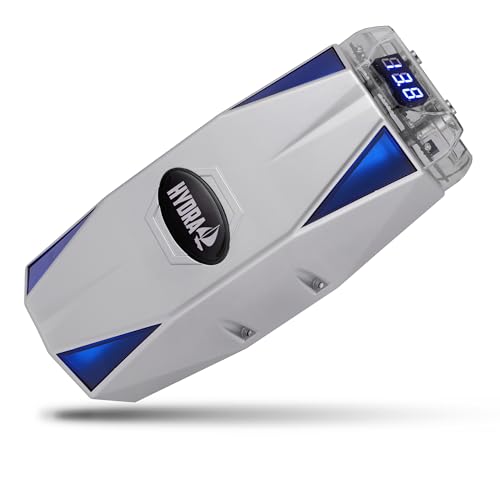 Pyle 3.0 Farad Digital Power Capacitor, High-Performance Car Audio Accessory with Blue Digital Display Voltage Readout and LED Flash, Over Voltage Protection, Mounting Hardware, DC 12-24V
 NuIth Universal Car Amplifier RCA Level Controller, Car Audio Bass Control Knob, High Quality Sub Amp Volume Control Cable for Car, Motorcycle, Speakers, Home Theater