Do Cars Rust in California? What to Expect
If you’re new to owning a car in California, you might wonder, “Do Cars Rust in California? What to Expect.” It seems like a sunny state, right? But rust can still happen, and knowing how to deal with it makes owning your car much easier.
This guide will break it all down for you, step by step, so you can keep your car looking great. We’ll look at why this question comes up and give you simple answers.
Do Cars Rust in California What to Expect
Many people think of California as a place where cars are safe from rust. The image of bright sunshine and dry air often leads to the assumption that rust is a problem only for cars in wetter, colder climates. However, the reality is a bit more nuanced.
While California’s climate is generally less harsh on vehicles than many other parts of the country, it doesn’t mean cars are entirely immune to rust. Understanding the specific factors that contribute to rust in California will help you better protect your vehicle and manage expectations.
The Myth of Rust-Free California
It’s easy to believe that California is a rust-free paradise for cars. The state’s generally dry climate and abundant sunshine seem like the perfect recipe for preventing corrosion. However, this is a simplification.
Rust, which is the oxidation of iron or steel, occurs when metal is exposed to oxygen and moisture. While California might not have daily rain showers or heavy snowfall like some other regions, moisture and other corrosive elements are still present.
Coastal Humidity and Salt Air
One of the biggest contributors to rust in California, especially for cars driven near the coast, is salt air. The ocean releases fine particles of salt into the air. When this salty mist settles on a car’s surface, it can accelerate the rusting process.
This is particularly true for the undercarriage, wheel wells, and body panels that are directly exposed to the elements. Even without visible salt spray, the constant presence of salt in the air creates a corrosive environment.
Road Treatments in Specific Areas
While California doesn’t experience widespread use of road salt for de-icing like many northern states, some areas, particularly mountain regions, might use salt or other de-icing agents during occasional winter storms. If you live in or frequently travel to these higher elevation areas, your car could be exposed to these chemicals, which are highly corrosive. These treatments can stick to your car’s undercarriage and suspension components, leading to rust if not washed off.
Rainfall and Atmospheric Moisture
Even though California is known for its dry spells, it does receive rainfall. When it rains, water can get into nooks and crannies of your car’s body, especially if there are any chips or scratches in the paint. This trapped moisture, combined with other elements present, can start the rusting process.
Additionally, some parts of California, particularly Northern California, can experience significant fog and dew, which introduce moisture that can sit on the car’s surface.
Environmental Pollutants
Industrial areas, busy city traffic, and even general pollution in the air can contribute to rust. Airborne pollutants can settle on your car and, when combined with moisture, create acidic compounds that can degrade paint and metal. These contaminants are not unique to California but are a factor in any developed area.
Where Rust is Most Likely to Appear
Certain areas of a car are more prone to rust than others, especially in environments where moisture and corrosive elements are present. Knowing these common spots can help you inspect your vehicle more effectively.
Undercarriage and Frame
This is arguably the most vulnerable area. The undercarriage is constantly exposed to road spray, dirt, salt (if applicable), and moisture. Components like the frame rails, suspension parts, exhaust system, and brake lines can all develop rust over time.
Even in California, consistent exposure without cleaning can lead to significant corrosion.
Wheel Wells and Fenders
Dirt, mud, and road debris often accumulate in the wheel wells. When this debris holds moisture against the metal, it creates an ideal environment for rust to form. The edges of fenders, especially where they meet the body, are also prone to rust if paint is chipped or damaged.
Door Bottoms and Rocker Panels
Water and dirt can get trapped at the bottom edges of doors and along the rocker panels (the panels below the doors). If drainage holes become clogged with debris, water will sit there, promoting rust. The edges here are often the first to show signs of corrosion.
Trunk and Hood Edges
Similar to door bottoms, the edges of the trunk lid and hood can trap moisture. Any chips in the paint along these edges are entry points for water and corrosive agents.
Around Windows and Seals
If the seals around your windows are old or damaged, water can seep in and get trapped between the window frame and the body of the car. This hidden moisture can lead to rust forming around the window openings.
Areas with Paint Damage
Any chip, scratch, or ding in your car’s paint exposes the underlying metal to the elements. This is the most direct route for rust to begin. If these areas are not addressed promptly, a small chip can quickly turn into a significant rust patch.
Factors That Influence Rust Development
Several factors play a role in how quickly or severely a car might rust in California. Understanding these can help you make informed decisions about car care.
Age of the Vehicle
Older vehicles, especially those manufactured before modern rust-proofing techniques became standard, are generally more susceptible to rust. The protective coatings may have degraded over time, leaving the metal more exposed.
Paint Condition and Protection
The quality and integrity of a car’s paintwork are its primary defense against rust. A well-maintained paint job, free of significant chips and scratches, provides a strong barrier. Regular waxing can add an extra layer of protection against environmental contaminants.
Driving Habits and Environment
Where and how you drive matters. If you live right on the coast and frequently drive near the ocean, your car will be exposed to more salt air than a car driven primarily inland. Similarly, driving on roads treated with de-icing agents, even infrequently, increases the risk.
Maintenance and Cleaning Practices
This is perhaps the most critical factor. Regular washing and rinsing, especially of the undercarriage, can remove corrosive elements before they have a chance to cause significant damage. Failing to clean your car allows salt, dirt, and pollutants to adhere to the metal and accelerate rust formation.
Manufacturing Quality and Rust-Proofing
Modern cars are generally built with better rust-proofing than older models. Manufacturers use galvanized steel, advanced coatings, and cavity waxes to protect against corrosion. However, even the best protection can be overwhelmed by harsh conditions and poor maintenance.
How to Prevent Rust in California
The good news is that with proactive care, you can significantly reduce the risk of rust on your car, even in a coastal or sometimes humid environment. Prevention is always better than cure.
Regular Washing
Make washing your car a regular habit. Pay special attention to rinsing the undercarriage, wheel wells, and lower body panels. This helps to remove salt, dirt, and other corrosive materials.
Waxing Your Vehicle
Applying a good quality wax to your car’s exterior provides an additional protective layer. Wax repels water and helps to prevent contaminants from sticking to the paint, offering a barrier against corrosion.
Inspect for Damage
Periodically inspect your car’s paint for any chips, scratches, or dings. Address these minor damages promptly by touching them up. Even a small scratch can be an entry point for rust.
Undercoating and Rustproofing Treatments
Consider professional undercoating or rustproofing treatments. These can add a durable protective layer to the most vulnerable parts of your car, especially if you live in a high-risk area (like near the coast) or plan to keep your car for many years.
Check Drainage Holes
Ensure that the drainage holes in your doors, trunk, and rocker panels are clear of debris. Clogged holes trap moisture, which is a primary cause of rust.
Address Minor Rust Immediately
If you spot any small rust spots, don’t ignore them. The sooner you deal with them, the easier and cheaper it will be to repair. Small rust spots can be sanded down, treated with a rust converter, and repainted.
What to Expect If Rust Does Occur
Even with the best preventive measures, some minor rust can develop over time. The key is to recognize it early and address it.
Surface Rust
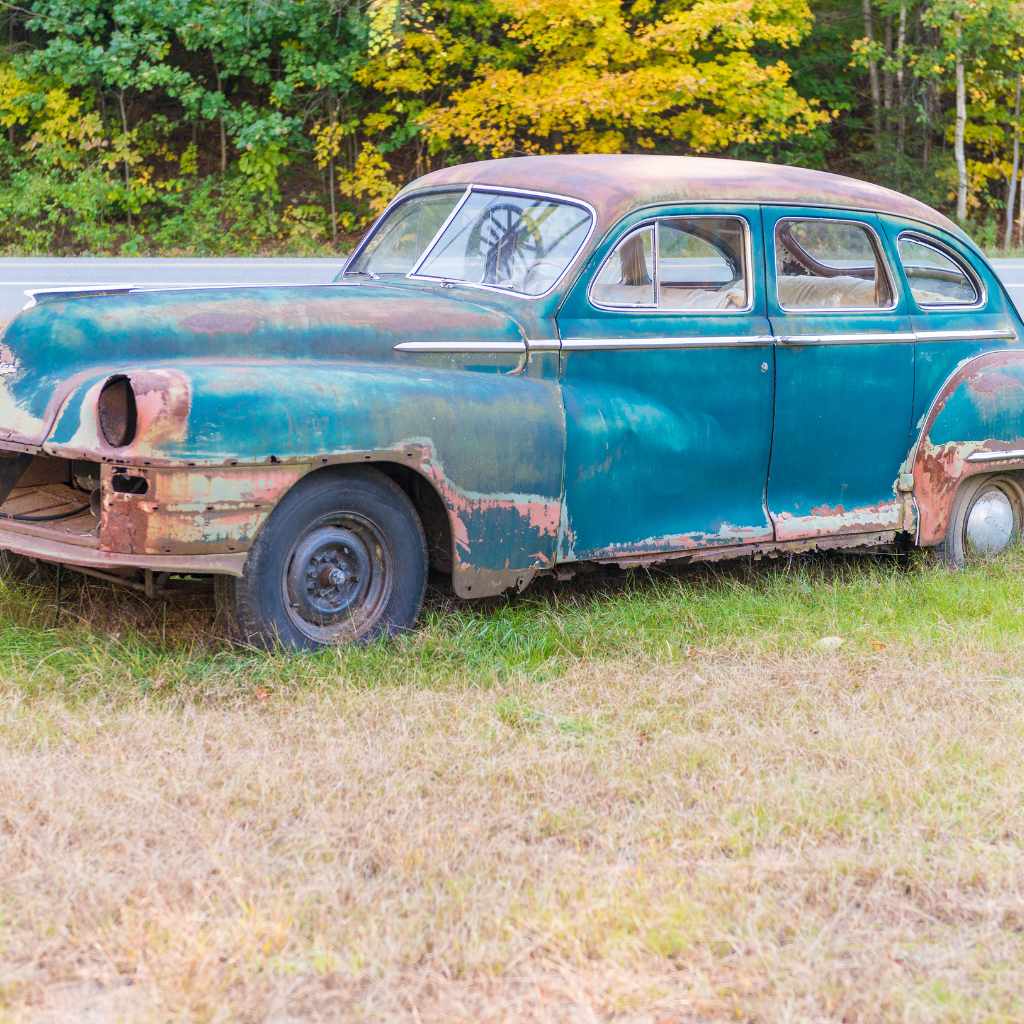
This is the earliest stage, appearing as a reddish-brown discoloration on the surface of the metal. It’s usually superficial and can be removed with sanding and repainting.
Scale Rust
This is more advanced and appears as flaky or powdery rust. It indicates that the corrosion is starting to penetrate the metal. It still can be treated, but requires more thorough removal of the rusted material.
Penetrating Rust
This is the most severe form, where rust has eaten all the way through the metal, creating holes. This is much more difficult and expensive to repair, often requiring metal replacement.
Cosmetic vs. Structural Rust
It’s important to distinguish between cosmetic rust (which affects appearance) and structural rust (which compromises the integrity of the vehicle’s frame or body panels). Structural rust is a serious safety concern and can lead to the car being unsafe to drive.
California Car Culture and Rust Concerns
California has a rich car culture, with many classic cars and enthusiast vehicles. For owners of these types of vehicles, rust prevention is often a top priority. Due to the desire to preserve these vehicles, owners are often more diligent about maintenance and protection.
This can create a perception that rust is not an issue because the cars that are well-maintained and cherished are the ones most visible.

Frequently Asked Questions
Question: Do cars rust faster in Southern California than Northern California
Answer: Generally, cars might experience rust slightly faster in Northern California due to higher humidity, more frequent rainfall, and denser fog compared to much of Southern California, which tends to be drier. However, coastal areas in both regions are susceptible to salt air, which accelerates rust significantly regardless of north or south.
Question: Is rust a major problem for most cars in California
Answer: No, rust is generally not a major problem for most cars in California compared to states with heavy snowfall and widespread use of road salt. California’s climate is milder, but it is not entirely rust-proof. Regular washing and basic maintenance are usually sufficient to prevent significant rust issues.
Question: How often should I wash my car to prevent rust in California
Answer: To prevent rust in California, washing your car at least once every two weeks is a good practice. If you live near the coast or drive on treated roads, washing weekly is recommended to remove corrosive elements promptly.
Question: Can salt from ocean air rust a car even if I don’t drive right by the beach
Answer: Yes, salt from ocean air can travel inland, especially on windy days. While the concentration might be lower the further you are from the coast, it can still contribute to rust over time, particularly on exposed metal surfaces and the undercarriage.
Question: What is the best way to check for rust on my car
Answer: The best way to check for rust is to visually inspect the most common areas: the undercarriage, wheel wells, fender edges, door bottoms, rocker panels, and around windows. Gently tap on suspect areas; a dull or hollow sound might indicate rust penetration. Checking behind trim pieces and inside the trunk can also reveal hidden rust.
Final Thoughts
So, the question of whether cars rust in California isn’t a simple yes or no. While the state’s climate is more forgiving than many others, rust is still a possibility, especially in coastal areas or if your car is older. The key takeaway is that proactive care makes a huge difference.
Regular washing, especially of the undercarriage, is your best defense against salt air and road grime. Keeping your car’s paint in good condition by waxing and touching up minor damage also prevents moisture from reaching the metal. If you live near the ocean or in areas that occasionally use de-icing agents, consider extra protective measures like undercoating.
By being aware of the common rust-prone areas and making a habit of basic maintenance, you can significantly extend the life of your vehicle and keep it looking good for years to come.