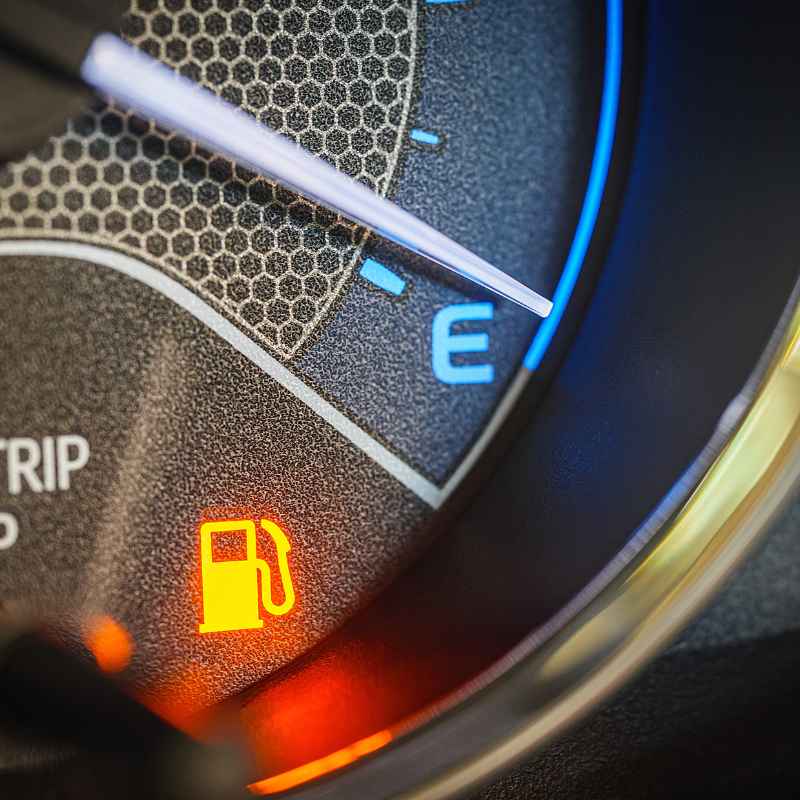
Do Cars Stall If Low On Gas But Not Empty? Find Out
It’s a moment that can cause a knot in your stomach. You’re driving along, maybe on a highway or on your way to an important appointment, and suddenly your car sputters, coughs, and then… stops. The worst part?
You look down at your gas gauge, and it’s not even on empty. How can this happen? It feels like a betrayal by your own vehicle.
This is a surprisingly common worry for many drivers, and for good reason. We’re going to dive deep into why your car might stall even when there’s still some fuel in the tank. You’ll learn about the systems involved and what signs to watch out for.
Cars can stall even if the gas gauge doesn’t show empty due to issues with the fuel delivery system. This includes problems with the fuel pump, fuel filter, fuel injectors, or even sensors that tell the car how much fuel is truly available. Debris in the tank can also block fuel flow before the gauge registers “empty.”
The Gas Gauge Isn’t Always the Whole Story
Your car’s gas gauge is a helpful tool. But it’s not always a perfectly accurate measure of exactly how much gas is usable by the engine. Think of it like a thermometer.
It gives you a good idea of the temperature, but it might be a degree or two off. Several things can make the gauge seem a bit misleading, or at least not the full picture.
One of the main reasons is the design of the fuel tank. Fuel tanks are rarely perfectly flat on the bottom. They have sloshes and bumps.
The fuel pump sits at the bottom of the tank. If the fuel level gets too low, the pump might not be able to suck up fuel smoothly anymore. This can happen even if there’s still a bit of gas sloshing around.
Another key player is the fuel level sender. This is a float mechanism inside the tank connected to a sensor. It tells the car’s computer, and your dashboard, how high the fuel is.
Sometimes, this sender can get stuck or become faulty. It might report a higher fuel level than what’s actually there.
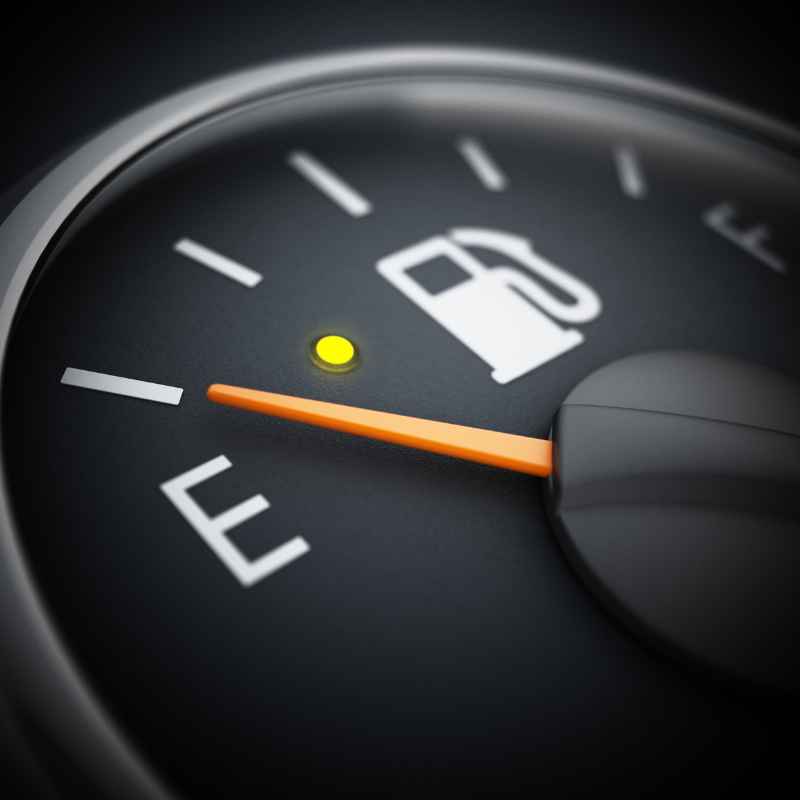
Why Your Engine Needs More Than Just Liquid Gas
An internal combustion engine needs a steady supply of fuel. It also needs that fuel to be delivered at the right pressure. This is where the fuel pump comes in.
It’s the heart of the fuel delivery system. This pump pushes gasoline from the tank, through a filter, and to the engine’s injectors.
If the fuel pump starts to fail, it might not be able to keep up with the engine’s demands. It might work at low speeds or under light load. But when you accelerate or need more power, it can’t deliver enough fuel.
This lack of fuel can cause the engine to sputter and eventually stall. This often happens before the gauge even gets near the ‘E’ mark.
The fuel filter is another crucial part. It cleans the gasoline, catching dirt and debris. Over time, this filter can become clogged.
A clogged filter restricts fuel flow. Imagine trying to drink through a straw that’s half blocked. It’s hard to get enough liquid.
The same happens to your engine. It starves for fuel, leading to stalling.
Fuel Delivery System Components
Fuel Pump: Moves gas from the tank to the engine.
Fuel Filter: Cleans the gas, removing dirt and rust.
Fuel Injectors: Spray fuel into the engine cylinders.
Fuel Lines: Tubes that carry fuel.
Fuel Pressure Regulator: Controls how much pressure is in the system.
The fuel injectors are also vital. They are like tiny spray nozzles. They atomize the fuel into a fine mist.
This mist mixes with air for combustion. If injectors get dirty or clog, they can’t spray fuel correctly. This can lead to misfires and stalling.
It can happen even with plenty of gas in the tank.
My Own Close Call
I remember one time, a few years back. I was driving my old pickup truck. It was a hot summer day.
I was heading to a lumber yard to pick up some supplies for a DIY project. The truck had been acting a little funny for a week. It would sometimes hesitate when I hit the gas.
I kept telling myself, “Oh, it’s just an old truck. It’ll be fine.”
I glanced at the gas gauge. It was sitting just above the quarter-tank mark. Plenty of gas, I thought.
I pulled into the lumber yard, got what I needed, and headed back out. I started to merge onto the main road, and I needed to pick up speed quickly. That’s when it happened.
The engine coughed. Then it sputtered. Then it died.
Completely. I coasted to the side of the road, my heart pounding.
I tried to restart it. It cranked, but wouldn’t catch. Panic started to set in.
I called my mechanic. He asked if I had any gas. I told him the gauge said above a quarter.
He chuckled. “Check the fuel filter first,” he said. “These old trucks can suck up junk from the bottom of the tank, and a clogged filter will shut you down real quick.
Even with gas in the tank.”
Sure enough, after getting it towed, that was the problem. The fuel filter was completely plugged with gunk. The pump was fine, the injectors were fine, and the gauge was technically correct.
But the engine was starving for fuel because the filter was blocked. It was a good lesson: the gauge is just one piece of the puzzle. Sometimes, a simple filter can cause major headaches.
Sensors and Their Secrets
Modern cars have many sensors. These sensors constantly monitor different parts of your car. They send information to the car’s computer.
This helps the computer make sure everything runs smoothly. Some sensors are directly related to the fuel system.
The fuel level sensor, which I mentioned earlier, is one. If it malfunctions, it can give false readings. Your car might think it has more fuel than it does.
This is a common culprit for the gauge showing gas when the engine is starving.
There are also sensors that monitor the fuel pressure. If the fuel pressure drops too low, it means the pump or filter might be failing. The computer can detect this.
But sometimes, the stalling happens before the computer can trigger a warning light. It’s a gradual failure.
Even other sensors can indirectly cause stalling if they send bad information. For instance, a faulty mass airflow sensor (MAF sensor) can mess with the air-fuel mixture. The engine might get too much or too little fuel.
This can lead to rough running and stalling. This happens regardless of the fuel level.
Common Causes of Stalling with Gas in Tank
Faulty Fuel Pump: Not delivering enough fuel pressure.
Clogged Fuel Filter: Restricting fuel flow.
Dirty or Clogged Fuel Injectors: Inconsistent fuel delivery.
Malfunctioning Fuel Level Sensor: Incorrectly reporting fuel amount.
Debris in Fuel Tank: Blocking the fuel pickup.
Issues with Other Sensors: Like MAF or oxygen sensors, affecting air-fuel mix.
Debris in the Tank: The Hidden Culprit
Your fuel tank isn’t always perfectly clean inside. Over time, small bits of rust, dirt, or even fragments from the fuel pump assembly can end up in the fuel. This is why there’s a fuel filter.
However, if a lot of debris builds up, it can cause problems.
This debris can collect at the bottom of the tank. When the fuel level gets low, the fuel pump pickup might start to suck up this gunk. This can clog the fuel filter very quickly.
It can also sometimes get sucked directly into the fuel lines or injectors. This can cause immediate stalling.
This is especially common in older vehicles. The insides of metal fuel tanks can rust over years. The plastic tanks in newer cars are less prone to rust but can still accumulate dirt if contaminated fuel is used.
It’s a good reminder to use reputable gas stations.
Cold Weather and Fuel Gels
In colder climates, sometimes fuel can be affected by the temperature. This is more common with diesel engines, where the fuel can “gel” and clog filters. However, in extreme cold, gasoline can also have issues.
Water can get into the fuel tank. This water can freeze and form ice crystals. These ice crystals can block the fuel pickup or lines.
Even if your car doesn’t seem to be running out of gas, these ice crystals can restrict flow. This can lead to stalling. It’s usually more noticeable when starting the car in very cold temperatures.
But it can also cause issues while driving.
Using “winterized” fuel additives can help prevent this. These additives help prevent water from freezing. They also help keep the fuel system clear.
The Role of the Fuel Pump Itself
The fuel pump is a critical component. It’s usually located inside the fuel tank. It’s an electric pump.
It has to work hard to push fuel all the way to the engine. As pumps age, they can wear out. They might start to lose power.
A weakening fuel pump might still send enough fuel for gentle driving. But when you need more fuel, like when climbing a hill or accelerating, it can’t keep up. This causes the engine to stumble.
If the pump fails completely, the engine will immediately stall.
Sometimes, a fuel pump might fail intermittently. It might work fine for a while, then stop working. This can be very frustrating.
It can make diagnosing the problem difficult. It’s a common reason for stalling without an empty gas tank.
Understanding Fuel Pump Issues
Symptoms: Whining noise from the tank, hesitation, stalling, difficulty starting.
How it Fails: Worn motor, clogged intake strainer, electrical problems.
Impact: Reduced fuel pressure, inconsistent fuel delivery, engine stalling.
Life Span: Varies, but often 100,000 miles or more. Regular fuel filter changes help.
Why Your Car Might Hesitate Before Stalling
Often, a car won’t just suddenly stop. There are usually signs. You might notice a hesitation when you press the gas pedal.
The engine might feel like it’s stumbling or losing power for a second. This is the engine not getting enough fuel.
You might also hear a sputtering sound from the engine. This is the engine running lean, meaning it has too much air and not enough fuel. The air-fuel mixture is off.
The computer tries to compensate, but it can’t if the fuel delivery is the problem.
Sometimes, the check engine light might come on. This light is a general warning. It could be related to the fuel system.
Or it could be something else entirely. It’s always a good idea to get the codes read if this light appears.
What Does “Low Fuel” Really Mean?
The “low fuel” light on your dashboard usually comes on when there’s about 1 to 2 gallons of gas left. This is a safety buffer. However, this is an estimate.
It’s not an exact science. Different car models have different reserve amounts.
Also, the way the car is parked can affect the gauge. If the car is on a steep hill, the fuel might shift to one side of the tank. This can affect the fuel level sender’s reading.
The pump might momentarily suck air.
So, while the gauge is a good indicator, it’s not a guarantee. It’s best to refuel when the gauge hits about a quarter tank. This gives your fuel system a good margin.
It also helps keep the fuel pump cool, as gas flowing through the tank helps cool the pump.
Fuel Gauge vs. Reality
Gauge Setting: Varies by car model.
Low Fuel Light: Typically signals 1-2 gallons remaining.
Accuracy: Not always exact; influenced by tank shape and vehicle angle.
Best Practice: Refuel around 1/4 tank to avoid issues and keep pump cool.
When to Worry and When Not To
It’s normal for a car to sputter a bit if you run it extremely low on gas. Most cars are designed to have a small reserve. But if your car stalls when the gauge is still showing a respectable amount of fuel, that’s a red flag.
It suggests a problem in the fuel system or with a sensor.
If your car hesitates, sputters, or stalls, and the gas gauge is showing anything above the empty mark, it’s time to get it checked out. Don’t ignore these signs. They can lead to more serious damage if left unaddressed.
Consider the circumstances. Did it happen right after you filled up? Could there have been bad gas?
Did it happen in extreme weather? These details can help a mechanic diagnose the issue.
Simple Checks You Can Do (Safely!)
Before you panic, there are a couple of simple things you can check, but only when it’s safe to do so. First, ensure the car is on a level surface. If it’s parked on a steep incline, the fuel might have shifted away from the pump pickup.
If you can safely pull over and restart the car, try it. If it starts after a few tries, it might have been a temporary fuel starvation due to a low level and a slosh. If it doesn’t start, or stalls again quickly, it’s a sign of a deeper issue.
Listen for the fuel pump when you turn the key to the “on” position (before starting). You should hear a faint humming or buzzing sound from the back of the car for a few seconds. If you don’t hear anything, the fuel pump might be the problem.
This test is best done when the tank is not nearly empty.
Quick Checks for Stalling Issues
Vehicle Angle: Ensure the car is on a level surface.
Restart Attempt: Try restarting after a short wait.
Fuel Pump Noise: Listen for a hum from the rear when the key is turned to ON.
Gauge Reading: Note the exact position of the fuel gauge.
Preventative Measures
The best way to avoid this stressful situation is through good car maintenance. Regularly changing your fuel filter is crucial. It’s a relatively inexpensive part that can prevent many problems down the road.
Follow your car’s maintenance schedule for filter replacements.
Avoid running your fuel tank completely empty. Try to refuel when your gauge hits around a quarter tank. This not only prevents potential stalling but also keeps your fuel pump from overheating.
The fuel acts as a coolant for the pump.
If you suspect you might have gotten bad gas, you can try adding a fuel additive designed to absorb water and clean the system. However, if your car is stalling, it’s best to have it inspected by a qualified mechanic.
Frequently Asked Questions About Stalling and Gas Levels
Can a car stall if it’s not on empty but the fuel pump is weak?
Yes, absolutely. A weak fuel pump might deliver enough fuel for idle or light acceleration. But when the engine demands more power, it can’t supply enough.
This starvation causes the engine to hesitate and eventually stall. This often happens before the gas gauge even reaches empty.
What does it mean if my car sputters before stalling, and the gas gauge isn’t empty?
Sputtering usually indicates the engine is running lean. This means it’s getting too much air and not enough fuel. A sputtering engine with gas in the tank points to a problem with fuel delivery.
This could be a clogged fuel filter, dirty injectors, or a failing fuel pump.
How much gas is typically left when the ‘low fuel’ light comes on?
For most cars, the “low fuel” light illuminates when there’s about 1 to 2 gallons of gas remaining in the tank. However, this can vary between vehicle models. It’s a general warning, not an exact measurement.
Can debris in the gas tank cause stalling even with fuel in the tank?
Yes. If debris accumulates at the bottom of the fuel tank, it can get sucked up by the fuel pump. This debris can clog the fuel filter or the fuel pickup itself, restricting fuel flow to the engine.
This can cause sudden stalling, even if the gauge shows plenty of gas.
Is it bad for my car to run on a very low fuel level?
Yes, it’s not ideal. Running your tank very low can cause the fuel pump to overheat, as the gasoline flowing through the tank helps cool it. It also increases the risk of sucking up sediment from the bottom of the tank, which can clog your fuel filter.
If my car stalls, and the gas gauge is above empty, should I assume the fuel pump is bad?
Not necessarily. While a weak or failing fuel pump is a common cause, other issues can lead to stalling with fuel in the tank. These include a clogged fuel filter, dirty fuel injectors, faulty sensors, or even a problem with the fuel level sender itself.
A mechanic can diagnose the specific cause.
Final Thoughts on Fuel Gauges and Stalling
It’s a relief to know that your car stalling isn’t always because you’ve completely run out of gas. There are several mechanical and electrical reasons why this can happen. The fuel gauge is just one piece of information.
Understanding the fuel system helps you troubleshoot potential issues. Keeping up with maintenance is key. This prevents these stressful moments on the road.
Products related to this article
Sponsored / affiliate links. As an Amazon Associate I earn from qualifying purchases. I may earn additional commission from eligible campaigns.