How Much Does It Cost To Get Car Air Conditioning Fixed?
What Affects Car AC Repair Costs?
Several things change how much you pay. The main parts of your AC system can fail. Some are cheap to fix.
Others cost much more. Where you get your car fixed matters too. A dealer often charges more.
An independent shop might be less. The make and model of your car also play a role. Some parts are harder to find or costlier for certain brands.
Finally, the problem itself is key. A simple recharge is different from a new compressor.
Understanding Car AC System Parts
Your car’s AC system is like a mini-refrigerator on wheels. It has several key parts. Each can cause trouble.
Knowing them helps you understand costs.
- Compressor: This is the heart of the system. It pumps the refrigerant. It’s often the most expensive part to replace.
- Condenser: Like a radiator for your AC. It cools the hot refrigerant. If it’s damaged, it needs fixing.
- Evaporator: This part cools the air inside your car. It’s usually behind the dashboard.
- Refrigerant: This is the special gas that cools the air. It can leak out.
- Blower Motor: This fan pushes the cool air into the cabin.
- Expansion Valve/Orifice Tube: These control the refrigerant flow.
When one of these parts breaks, you need a repair. The cost depends on the part. And how hard it is to get to.
Common Car AC Problems and Their Costs
Let’s look at what usually goes wrong. And what you might pay. These are rough estimates.
Your actual cost could be higher or lower.
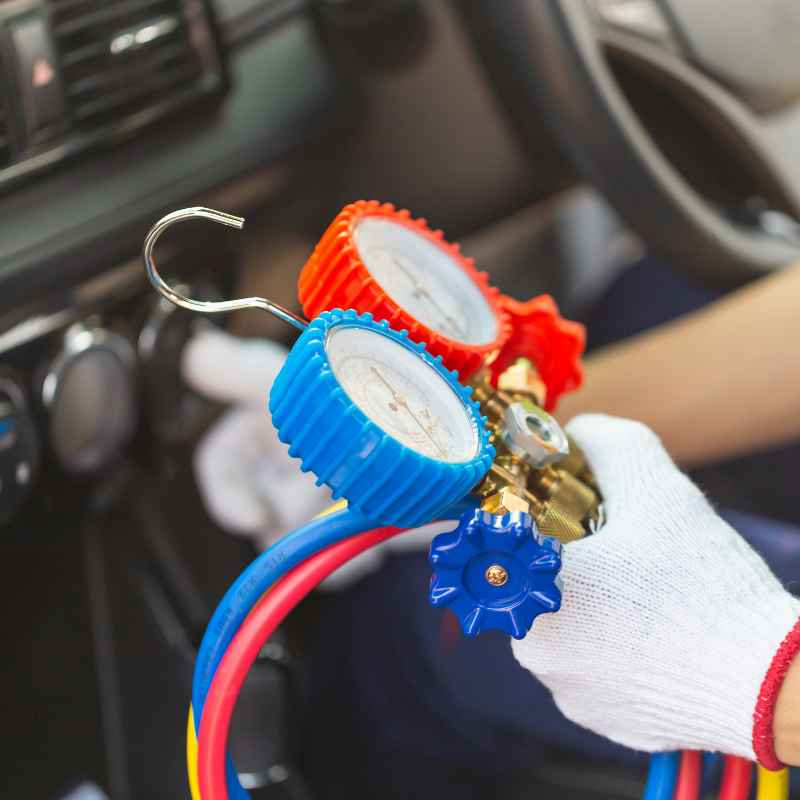
AC Recharge Service
What it is: Sometimes, the AC just needs more refrigerant. This is common if there’s a small leak. The technician adds the gas.
They might also add a sealant.
Typical Cost: $100 to $250.
Why it’s done: For mild cooling issues when no major leak is found.
Leak Detection and Repair
What it is: AC systems lose refrigerant over time. Often through small leaks. A technician finds the leak.
They then fix it. This might involve replacing a hose or seal.
Typical Cost: $150 to $500.
Why it’s done: To stop refrigerant loss and ensure the system works.
Compressor Replacement
What it is: The compressor is vital. If it fails, your AC won’t blow cold air at all. This is a big job.
Typical Cost: $700 to $1,500 or more.
Why it’s done: When the compressor is seized, noisy, or not pumping refrigerant.
Condenser Replacement
What it is: The condenser sits in front of your car. It can get damaged by road debris. A damaged condenser can’t cool the refrigerant.
Typical Cost: $400 to $800.
Why it’s done: If the condenser is leaking or blocked.
Evaporator Replacement
What it is: This part is inside your dashboard. Replacing it is very labor-intensive. It often means taking the whole dashboard apart.
Typical Cost: $800 to $1,800 or more.
Why it’s done: If the evaporator is leaking refrigerant or blocked.
Blower Motor Replacement
What it is: If you hear your AC fan but get no air, or it’s weak, the blower motor might be bad. It’s usually easier to access than the evaporator.
Typical Cost: $200 to $500.
Why it’s done: If the fan is not working or makes strange noises.
Expansion Valve or Orifice Tube Replacement
What it is: These small parts control refrigerant flow. They can get clogged or fail.
Typical Cost: $200 to $400.
Why it’s done: If refrigerant flow is not regulated correctly, affecting cooling.
Diagnostic Fees: The First Step
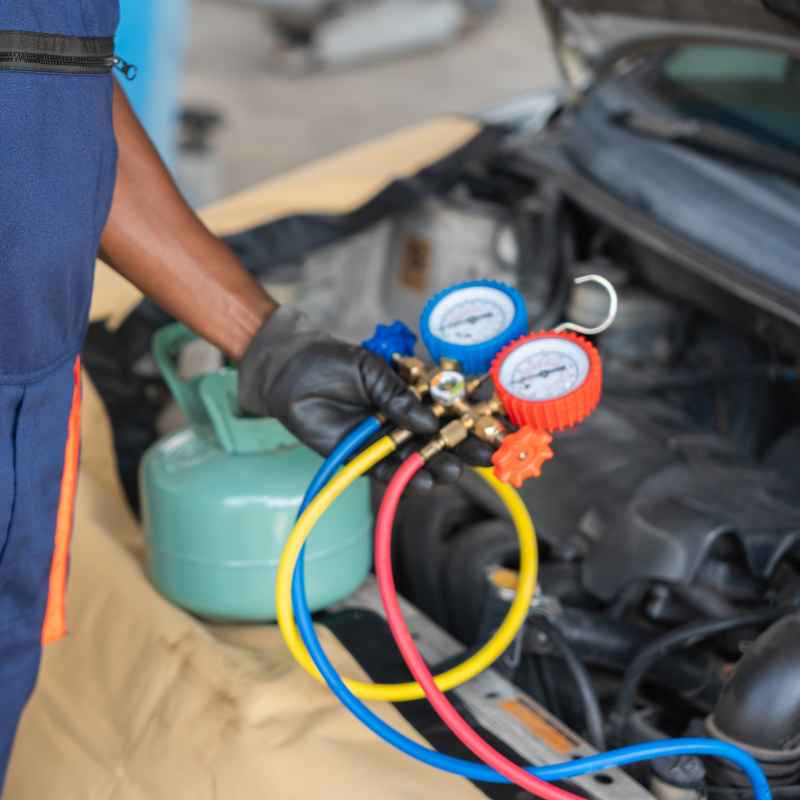
Before any work is done, a mechanic needs to find the problem. This is called diagnostics. It’s like a doctor figuring out what’s wrong before prescribing medicine.
Most shops charge a diagnostic fee. This covers their time. And the tools they use to check your AC system.
It can range from $75 to $150.
Sometimes, this fee is waived. It’s if you decide to do the repair with them. Always ask about this upfront.
It’s good to know this cost before starting.
My Own AC Nightmare
I remember one summer. It was sweltering. My old sedan’s AC just stopped.
No cold air. None at all. I started it up, expecting that familiar blast of chilled air.
Instead, just hot air came out. My heart sank a little. I had a long drive that weekend.
I pulled over and popped the hood. Nothing obvious was wrong. I called my trusted local mechanic.
He said to bring it in. The diagnostic fee was about $100. He spent an hour looking at it.
Turns out, the compressor had failed. He showed me the old one. It looked pretty worn.
He explained that this part was costly. The total bill was close to $900. It stung my wallet, but the cool air was worth it.
Labor Costs: The Hidden Factor
Parts are one thing. Labor is another. Mechanics need to be paid for their time.
And their skills. AC repair can be very labor-intensive.
Some jobs are quick. Like a simple refrigerant recharge. Others take hours.
Especially if they need to remove the dashboard. Or work in tight spaces.
Labor rates vary by location. And by the shop. Busy cities often have higher rates.
A dealership will typically charge more per hour than a small independent shop.
Ask about labor rates before you agree to work. It helps you understand the total cost.
Factors Influencing Your Specific Car’s Cost
Your car is unique. So its AC repairs might be too. Here’s what makes a difference.
Car Make and Model
Luxury or European Cars: Often use more complex parts. These can be more expensive. And harder to source.
Technicians might also need special tools.
Domestic or Asian Cars: Prices can vary widely. Some models have common issues. Others are more reliable.
Older Cars: Parts might be harder to find. This can drive up costs. Sometimes, less common parts have to be ordered.
Part Availability
Common Parts: Easily found in most auto parts stores. This keeps prices lower.
Rare Parts: Might need to be ordered. This adds shipping costs. And can take days to arrive.
Aftermarket vs. OEM: Original Equipment Manufacturer (OEM) parts are from your car’s maker. They are usually pricier.
Aftermarket parts are made by other companies. They can be cheaper but quality varies.
Location of the Repair Shop
Big Cities: Higher cost of living means higher labor rates. Shops may also have more overhead.
Rural Areas: Often have lower labor rates. But might have fewer shops to choose from.
Dealerships: Usually the most expensive. They have specialized training and tools for your car brand. But their quality is often very high.
Tips for Saving Money on AC Repairs
Nobody wants to spend too much. Here are ways to keep costs down.
Perform Regular Maintenance
What to do: Get your AC system checked yearly. Especially before summer. Small issues can be caught early.
This prevents bigger, costlier problems later.
Benefit: Catching a small leak early is cheaper than fixing a system that’s run dry.
Shop Around for Quotes
What to do: Don’t go to the first shop you find. Get at least two or three quotes. Make sure they all diagnose the same problem.
Benefit: Prices can vary a lot between shops. You can find better deals.
Ask About Aftermarket Parts
What to do: Discuss using quality aftermarket parts. Instead of OEM. If they are a good brand, they can save you money.
Benefit: Save money on parts without sacrificing too much quality.
Understand Diagnostic Fees
What to do: Ask if the diagnostic fee can be put towards the repair. If you do the work there.
Benefit: You don’t pay double for the diagnosis if you get the fix done too.
Look for Experienced Independent Shops
What to do: Find a well-reviewed independent mechanic. They often have lower overhead than dealerships.
Benefit: Get expert service at a potentially lower price point.
When is it Normal for Car AC to Need Work?
AC systems aren’t built to last forever. They face tough conditions. Heat, cold, vibrations, and road debris take their toll.
It’s common for ACs to need service every few years. Especially after 5 years or 75,000 miles. This is when small issues might start to appear.
Like a slight drop in cooling performance.
A refrigerant recharge might be needed. Or a hose might start to show wear.
When Should You Worry About Your Car AC?
If your AC stops cooling completely, that’s a sign. If you hear loud noises from the AC system. Or if you smell strange odors, like mildew.
These are all reasons to get it checked.
Don’t ignore these signs. A small problem can become a big one. And much more expensive.
For example, running an AC system with low refrigerant can damage the compressor. That’s a much bigger repair bill.
Simple Checks You Can Do
Before you call a mechanic, you can do a few simple checks yourself.
Visual Inspection
What to look for: Check the AC condenser. It’s the small radiator in front of your car’s main radiator. Make sure it’s not blocked by leaves or debris.
Gently clean it if needed.
What it means: A blocked condenser can’t work well. This reduces cooling.
Listen to the System
What to listen for: When you turn on the AC, you should hear the compressor engage. It’s a slight click. And the engine RPM might change a bit.
If you hear grinding or squealing, stop. That’s not good.
What it means: Strange noises often point to failing parts.
Check Airflow
What to check: Make sure air is coming out of all the vents. If some vents have no air, or less air, there might be a blend door issue or a blockage.
What it means: Uneven airflow can be a sign of internal system problems.
Frequently Asked Questions About Car AC Repair Costs
How long does a car AC repair take?
It varies a lot. A simple refrigerant recharge might take less than an hour. Replacing a compressor or evaporator can take half a day or more.
It depends on the car and the specific problem.
Can I drive my car if the AC is broken?
Yes, you can usually drive your car. The AC system is separate from the engine’s core functions. However, it’s uncomfortable in hot weather.
And a failing AC part could potentially lead to other issues if ignored for too long.
What’s the difference between AC recharge and AC repair?
An AC recharge just adds refrigerant. It’s for when the system is low but not leaking badly. AC repair involves fixing a leak, replacing parts, or addressing a system malfunction.
Repair is usually more involved and costly.
Are AC repairs covered by my car warranty?
Sometimes, yes. Basic warranties often cover AC parts and labor for a certain period. Extended warranties might also include AC coverage.
Check your warranty documents for specifics. Wear-and-tear items like refrigerant are often not covered.
How do I know if my car AC has a refrigerant leak?
Signs include cooling that’s not as cold as it used to be, warm air blowing, or the AC cycling on and off frequently. A hissing sound from the AC system can also indicate a leak.
Is it worth fixing an old car’s AC?
It depends on the car’s value and the repair cost. If the repair is very expensive compared to the car’s worth, it might not be practical. Get a quote and weigh it against the car’s overall condition and your budget.
Final Thoughts on Car AC Costs
Getting your car’s AC fixed can be a surprise expense. But understanding the parts and potential issues helps. Get it checked early.
Get a few quotes. And talk to your mechanic. Staying cool in your car is important.
And knowing the costs makes it easier to plan.
Products related to this article
Sponsored / affiliate links. As an Amazon Associate I earn from qualifying purchases. I may earn additional commission from eligible campaigns.