Does Car Registration Expire? Renewal Periods and Grace Days
Yes, car registration expires. Nearly every state requires renewal every one to two years, and driving on an expired registration can bring a fine of $25 to $200 or more the moment an officer runs your plate.
The confusing part is not whether it expires — it always does — but exactly when, how much grace you get if you miss the date, and what actually happens if you keep driving on it. Those answers change by state, and a lot of the advice floating around online is either outdated or specific to one state passed off as a national rule.
This guide covers how long registration actually lasts, how grace periods work (and where they do not exist at all), what fines and other consequences to expect, and the fastest way to check your own expiration date and renew before it becomes a problem.
How Long Does Car Registration Last?
Registration periods are set state by state, not nationally, so the honest answer is “it depends on where the car is registered.” That said, most states fall into one of three patterns:
- Annual renewal — the most common pattern; you renew every 12 months from your original registration date, not from January 1
- Two-year renewal — a growing number of states now issue two-year registrations to cut down on DMV visits
- Multi-year or permanent options — a handful of states let owners pay for two, three, or more years upfront, and some trailers or low-speed vehicles carry permanent registration in certain states
None of that matters as much as the one number that actually applies to your car: the exact date printed on your registration card, and in most states, on the small sticker for your license plate. That date, not a general rule of thumb, is your real deadline.
Keep Your Registration Card Handy
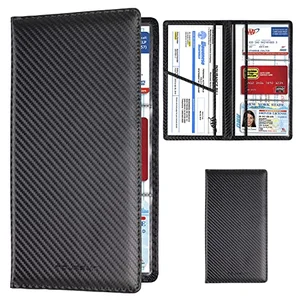 |
TOURSUIT Car Registration & Insurance Card Holder – $7.99 Since the exact date on your registration card is what actually determines when you expire, a slim holder keeps that card (and your insurance card) in one place instead of buried in a glovebox.
|
Is There A Grace Period If Your Registration Expires?
Sometimes, but you cannot assume it applies everywhere. A “grace period” usually means one of two things: a window where late fees do not apply yet, or a window where police generally will not stop you for expired registration alone. States handle these very differently.
| State (example) | What the grace period covers | Details |
|---|---|---|
| Texas | Citation window | Five working days after the expiration date before officers typically cite the vehicle for expired registration alone |
| California | Traffic stop protection, not fees | No grace period on late fees, but Assembly Bill 256 (effective 2024) generally prevents a stop for expired registration alone until the second month after the expiration month on the plate |
| Many other states | None | No grace period at all — fines can apply starting the day after the printed expiration date |
The safest assumption is that your state has no grace period unless you confirm otherwise on your state DMV website. Even in states that do offer one, a grace period only limits citations for expired registration by itself — it will not protect you if you are pulled over for another reason, like speeding, with an expired plate on top of it.
What Happens If You Drive With Expired Registration?
An officer can pull your license plate up the moment they run it, whether or not that was the reason for the stop. Once registration is confirmed expired, three things typically follow.
- A citation and fine. Fines commonly range from about $25 to $200 depending on the state and how long the registration has lapsed, and some states add court costs or a separate late renewal penalty on top of the ticket.
- Possible insurance complications. If you are in an accident while your registration is expired, some insurers can deny or delay a claim, since the vehicle technically was not legal to be on the road.
- Towing or impound, in rare cases. Most first-time expired-registration stops end with a ticket, not a tow. But in some jurisdictions, a registration that has been expired for many months, or paired with other violations, can lead to the vehicle being impounded.
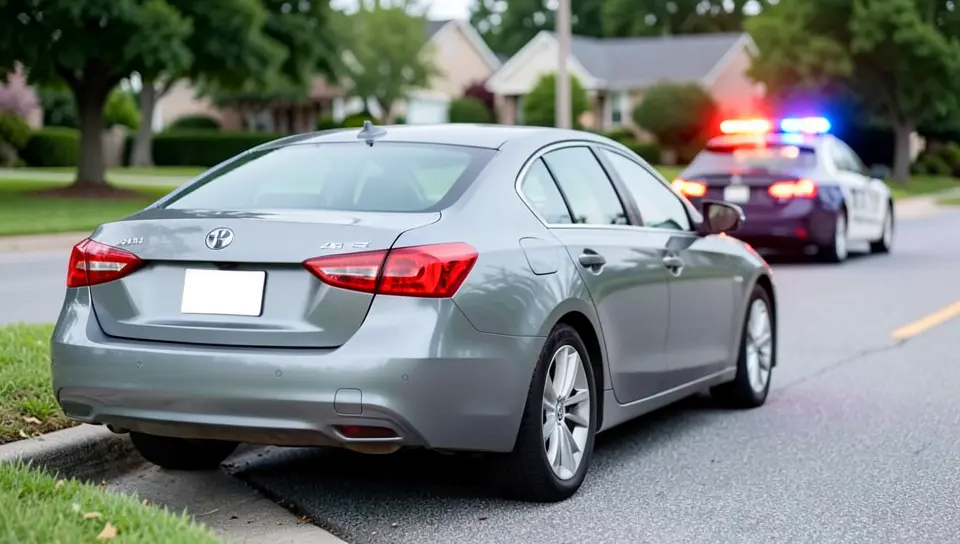
None of this is automatic on the day registration expires. Whether you get pulled over at all is a matter of chance, but the fine and the paperwork hassle only grow the longer it sits expired, so treating the printed date as a hard deadline is worth it.
How To Tell If Your Car Registration Has Actually Expired
Do not rely on memory or on getting a reminder in the mail. There are three reliable ways to confirm your status:
- Check the registration card itself. The expiration date is printed directly on it — this is the single most reliable source.
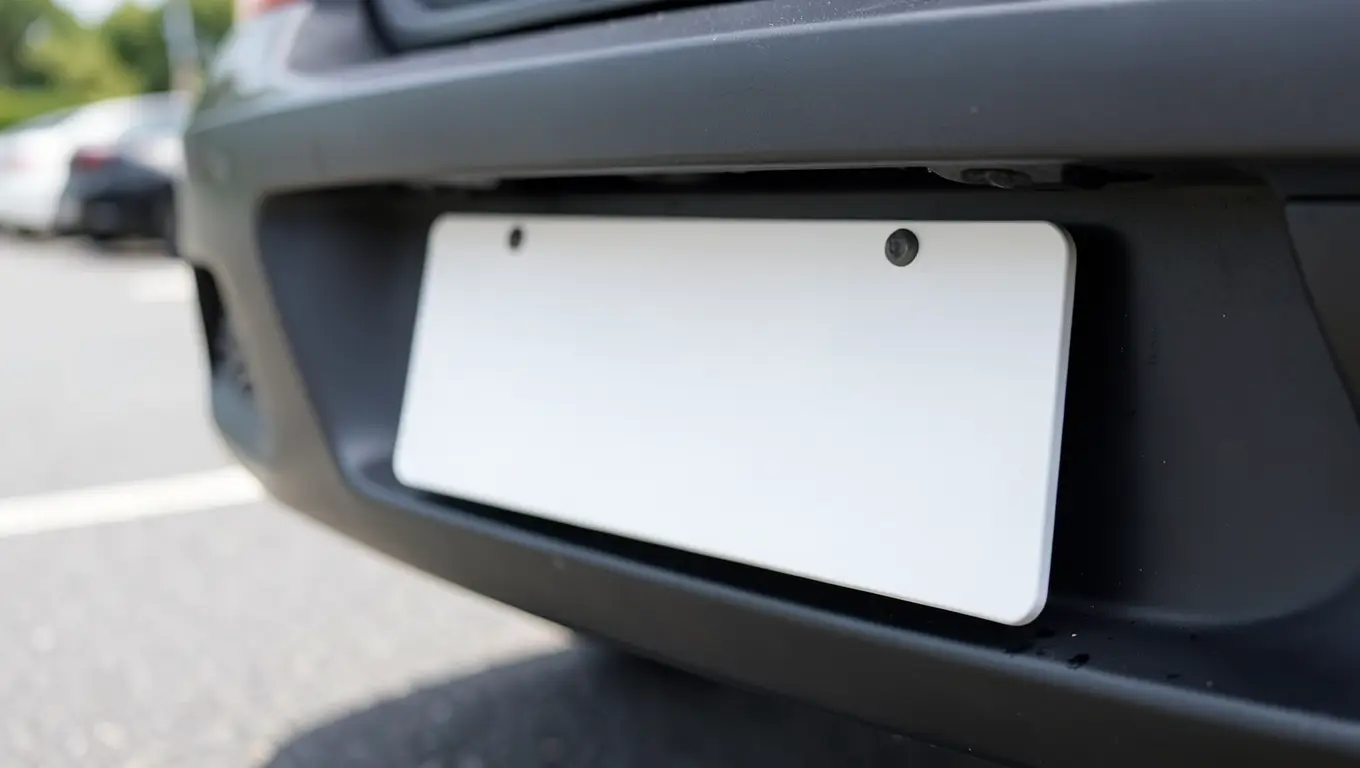
- Check the sticker on your plate. Most states use a small sticker showing the month and year your registration expires.
- Look it up on your state DMV website. Most states let you check registration status online using your plate number or VIN, which is useful if you cannot find the physical card.
A mailed renewal notice is a helpful backup, not a guarantee. Most states do send one a few weeks before your date, but it is not a legal requirement everywhere, and notices get lost or go to an old address more often than drivers expect. The printed date on your own card is the one source you can always trust.
When Exactly Does Registration Expire – Start Or End Of The Day?
This trips up a lot of drivers, especially when the card shows only a month and year rather than a specific day. In most states, registration remains valid through the end of the exact date printed on the card. If your card shows a full date, that day itself is still covered.
When a sticker or card shows only a month and year (a common format for the plate sticker), the standard interpretation is that registration is valid through the last day of that month, not the first. Either way, the safer habit is to renew a few days before the date on your card rather than testing exactly when the cutoff happens, since processing times for a new sticker or card vary.
How To Renew Your Car Registration
The process is similar across most states, even though the exact fees and required documents differ.
- Confirm the exact expiration date on your registration card or plate sticker.
- Gather proof of current auto insurance and, if your state requires it, a valid ID or proof of residency.
- Complete an emissions or safety inspection if your state requires one before renewal — not all states do.
- Renew online through your state DMV portal, by mail, or in person, depending on what your state offers.
- Pay the renewal fee, which varies by state, vehicle weight, and sometimes county.
- Display your new sticker or keep your new registration card in the vehicle once it arrives.

Online renewal is now the fastest option in most states and typically takes only a few minutes if you already have your plate number, current insurance information, and a payment method ready. Mail-in renewal is slower and worth starting well before your expiration date to avoid a gap.
Frequently Asked Questions
How Long Does Car Registration Last?
Most states issue registration for one year, though a growing number offer two-year renewal periods, and a handful of states let you pay for multiple years at once. The exact expiration date is printed on your registration card and, in most states, on a sticker for your license plate — it is not a fixed calendar date that applies to every driver.
Is There A Grace Period If Registration Expires?
It depends on the state. Texas gives drivers a five-working-day grace period after the printed expiration date before an officer can cite the vehicle for expired registration alone. California does not waive late fees, but a 2024 law (Assembly Bill 256) generally keeps police from stopping a vehicle solely for expired registration until the second month after the expiration month shown on the plate. Many other states offer no grace period at all, so check your own state DMV site rather than assuming a national rule.
Does Texas Have A Grace Period For Vehicle Registration?
Yes. Texas allows a five-working-day grace period after the expiration date before officers typically issue a citation for expired registration alone. After that window, fines of up to $200 can apply, and your county tax office may add a separate late renewal penalty on top of that.
Does The DMV Notify You Before Your Registration Expires?
Most states send a renewal notice by mail a few weeks before your expiration date, and a growing number also offer email or text alerts if you sign up through your state DMV portal. That notice is a courtesy, not a legal requirement in every state, so do not rely on it alone — check the date on your own registration card each year.
Can You Drive On The Same Day Your Registration Expires?
Yes, the registration is generally valid through the end of the date printed on your card. The safer habit is to renew before that date arrives rather than counting on the exact hour it lapses, since renewal wait times and processing delays vary by state and time of year.
What Happens If You Get Pulled Over With Expired Registration?
An officer can issue a citation for expired registration even if you were stopped for something else. Fines commonly range from about $25 to $200 depending on the state and how long the registration has been expired, and some states add court costs or a separate late renewal fee. In a small number of states, a registration that has been expired for many months can lead to towing or impound.
Does Expired Registration Affect Your Car Insurance?
It can. Some insurers can deny or delay a claim if your vehicle was not legally registered at the time of an accident, and a lapse can also affect your ability to prove continuous coverage. Keeping registration current protects your insurance standing as much as it keeps you legal on the road.
Conclusion
Car registration always expires — the only real variables are how long your state gives you between renewals, whether you get any grace period, and how much a lapse will cost you if an officer catches it first. The printed date on your registration card is the one number worth trusting over any rule of thumb you read online, since renewal periods, grace periods, and fines all vary by state.
Set a reminder a few weeks before that date, keep your registration card somewhere you will actually see it, and renew early rather than testing exactly when the deadline hits. It is a small habit that avoids fines, insurance headaches, and an unnecessary conversation with a police officer.
Products related to this article
Sponsored / affiliate links. As an Amazon Associate I earn from qualifying purchases. I may earn additional commission from eligible campaigns.