Does Magnesium Chloride Rust Cars? Protect Your Vehicle
It’s that time of year again. The air has a chill, and the roads might soon be treated. You see the trucks spreading that white stuff.
You know it’s meant to keep things safe. But a worry pops into your head. Does that stuff hurt your car?
Specifically, you’re wondering about magnesium chloride. It’s common, but does it cause rust on cars? Let’s get to the bottom of it.
Magnesium chloride can contribute to rust on cars, especially when combined with moisture and steel. While not as aggressive as some other de-icers, its presence on vehicle undercarriages can accelerate corrosion over time. Regular washing and protective measures are key to preventing damage.
What Is Magnesium Chloride and Why Is It Used?
Magnesium chloride (MgCl2) is a salt. It often comes as flakes or pellets. You see it on roads during winter.
It helps melt ice and snow. It does this by lowering the freezing point of water. This makes driving safer.
It’s popular because it works at lower temperatures than regular salt (sodium chloride).
It’s also often seen as less harmful. People think it’s better for the environment. It’s also often less damaging to concrete and plants.
That’s why many towns and cities choose it. They spread it on roads and sidewalks. It helps keep everyone moving safely when the weather turns cold.
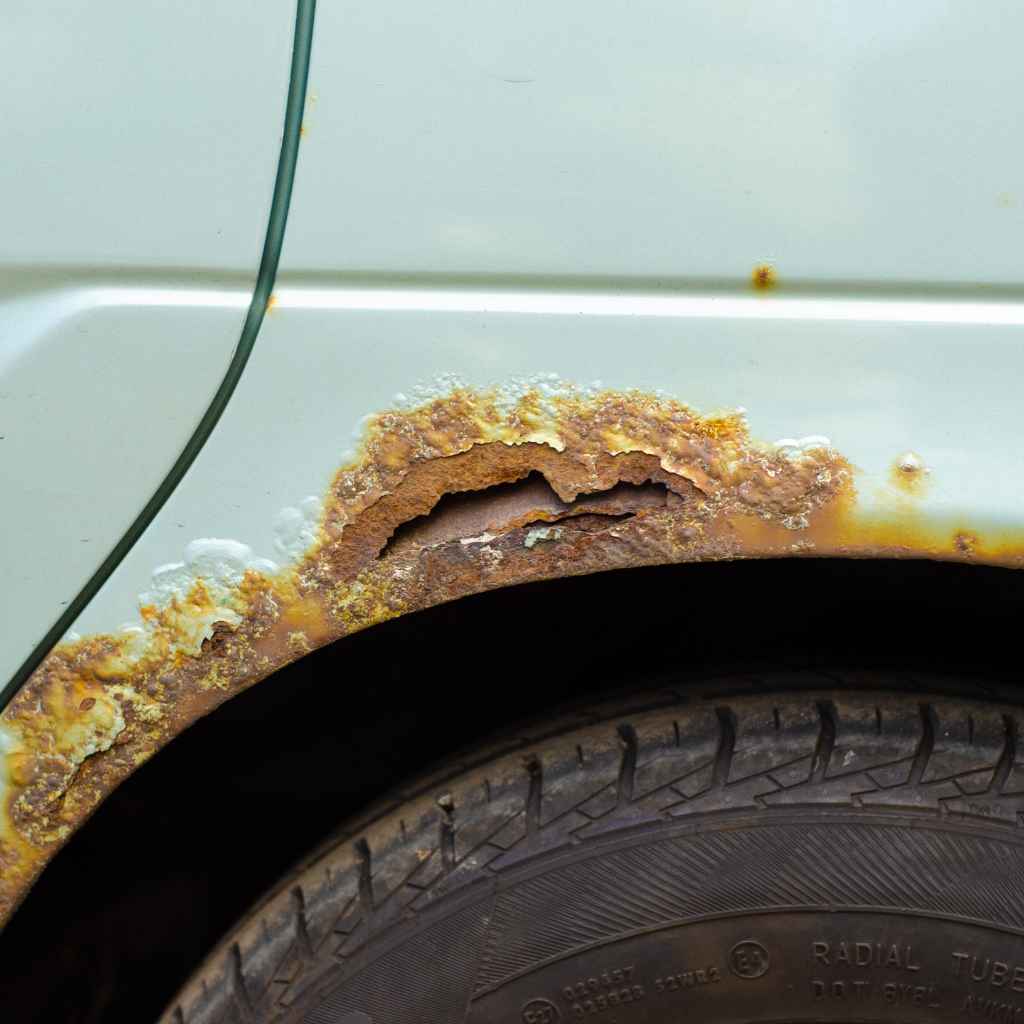
Does Magnesium Chloride Actually Cause Rust?
Yes, magnesium chloride can contribute to rust on cars. This might sound confusing. Many people think of salt as the main culprit.
But all de-icing salts, in general, can cause problems. They work by speeding up a chemical process. This process is called electrolysis.
It happens when metal, water, and an electrolyte (like salt) are present.
Your car’s metal parts, especially the steel frame and body panels, are exposed to this. When magnesium chloride dissolves in water, it creates ions. These ions make the water a better conductor of electricity.
This allows the chemical reaction of rusting to happen much faster. So, while it’s melting ice, it’s also creating a pathway for corrosion.
It’s important to know that magnesium chloride isn’t quite as aggressive as rock salt. It can work at colder temperatures, which is a plus. But it’s still a salt.
And where there’s salt, water, and bare metal, rust is a risk. Over time, this salt residue can build up. It can get into nooks and crannies.
This makes it harder to remove.
My Own Experience With Winter Road Treatments
I remember one winter vividly. I lived in upstate New York. Snow was a daily occurrence.
My trusty old sedan was my daily driver. Every week, I’d see the brine trucks. They sprayed this liquid that looked almost like water.
I learned later it was often a mix, but magnesium chloride was a big part of it.
I thought I was doing okay. I washed my car when I could. But I wasn’t as thorough as I should have been.
My car started to look… well, sad. I noticed small brown spots appearing on the edges of my doors. Then I saw some on the fenders.
It was like a creeping decay. I was frustrated. I took it to my mechanic.
He pointed to the underside of my car. It was grim. There was rust forming on the brake lines.
The exhaust pipe looked rough. He said, “You’ve got some serious corrosion starting. That winter salt, even the newer types, it gets everywhere.
You need to be way more diligent about washing the undercarriage.” It was a wake-up call. I learned that day that “less corrosive” doesn’t mean “not corrosive” at all. It just meant I had a little more time, but not enough to skip the maintenance.
How De-Icers Work on Metal
The Basic Idea: Metal rusts when it reacts with oxygen and water. This is a natural process.
Salt’s Role: De-icing salts like magnesium chloride break down into ions when wet. These ions make the water more conductive.
Electrolysis: This conductive water acts like an electrolyte in a battery. It helps the rust-forming reaction (electrolysis) happen much faster.
Result: Your car’s metal parts corrode more quickly than they would in plain water.
Understanding the Corrosion Process
Rust is the common name for iron oxide. It forms when iron or its alloys, like steel, are exposed to oxygen and moisture. This reaction eats away at the metal.
It weakens it. It can also spread. Think of it like a disease for your car.
When you drive on roads treated with magnesium chloride, tiny salt particles stick to your car. They cling to the paint. They get into the wheel wells.
They splash onto the undercarriage. They can even get into the engine bay. Even after the roads are dry, these salt residues remain.
The problem gets worse when the temperature rises a bit or when it rains. This moisture dissolves the salt again. It creates that conductive solution.
This allows rust to start or to accelerate if it’s already begun. The areas most at risk are usually the lower parts of the car. These include the frame, the exhaust system, the brake lines, and the fuel lines.
But even body panels can suffer.
The combination of magnesium chloride, water, and your car’s steel is a recipe for trouble. It’s a slow attack. But over months and years, it can cause significant damage.
This damage can be expensive to repair. It can also make your car less safe. Rust can weaken structural components.
Where Does Magnesium Chloride Tend to Accumulate on Cars?
Salt spray from the roads is a big culprit. It coats everything. But some areas get hit harder.
Your car’s undercarriage is a prime target. This includes the frame rails, the suspension components, and the floor pans. These parts are directly in the path of the spray.
Wheel wells are another common area. The tire spray throws up road salt. It gets flung into these areas.
It can stick to the metal and plastic liners. This creates a hidden breeding ground for rust. The brake components, including the rotors and calipers, can also get coated.
Exhaust systems are often exposed. They get coated with salt. Heat from the exhaust can sometimes bake the salt on.
This can make it harder to remove. The fuel tank and fuel lines are also vulnerable. They are located underneath the car.
They can be directly exposed to salt spray.
Even the body panels can suffer. Salt spray can land on doors, fenders, and bumpers. If there are any tiny chips or scratches in the paint, the salt can get underneath.
This allows rust to start from the inside out. This is why even visible parts of your car can develop rust spots.
Quick Scan: Common Rust Spots
- Undercarriage: Frame, floor pans, suspension parts.
- Wheel Wells: Inside the fender area.
- Exhaust System: Pipes and muffler.
- Brake Components: Rotors, lines.
- Fuel System: Fuel tank, lines.
- Body Panels: Especially around edges, seams, and chipped paint.
Is It Always Magnesium Chloride?
No, it’s not always just magnesium chloride. Road treatments can be complex. They are often mixtures.
They might combine magnesium chloride with other salts. Common additions include sodium chloride (regular table salt) or calcium chloride. Sometimes, they add other chemicals too.
These might be anti-caking agents or corrosion inhibitors.
The goal is to create a de-icing solution that works best for the local climate. For example, calcium chloride works at even lower temperatures than magnesium chloride. Sodium chloride is cheaper.
So, you might see a blend. This means your car could be exposed to more than one type of salt. This can lead to a combined effect.
Each of these salts has its own properties. But generally, they all act as electrolytes when dissolved in water. They all speed up the rusting process.
So, even if magnesium chloride is the primary component, other salts can still be present. This means the risk of rust remains.
Knowing what’s being used can be helpful. But the best approach is to assume any road treatment is a potential rust threat. Treat all winter driving as a risk.
This way, you’re prepared. You can take the right steps to protect your vehicle. It’s about being proactive.
Don’t wait to see the damage.
What About “Rust-Inhibiting” De-Icers?
You might see products marketed as “rust-inhibiting.” These de-icers often contain additives. These additives aim to reduce the corrosive effects of the salt. They might coat the metal surfaces.
Or they might interfere with the electrochemical process of rusting.
These additives can help. They can reduce the rate of corrosion. However, they are not a magic bullet.
They don’t eliminate the risk of rust entirely. Think of them as a shield, not a permanent solution. The salt is still there.
It’s still interacting with water and your car’s metal.
The effectiveness of these inhibitors can vary. It depends on the product. It also depends on how much is used.
And it depends on how often your car is exposed to harsh conditions. Even with these treatments, it’s still crucial to wash your car. You need to remove the salt residue.
This is especially important for the undercarriage.
So, while these products might offer some peace of mind, don’t rely on them alone. They are a helpful addition to good car care. But they don’t
Myth vs. Reality: De-Icer Claims
Myth: Magnesium chloride is completely safe for cars.
Reality: It can contribute to rust, though it may be less aggressive than older types of salt.
Myth: “Rust-inhibiting” de-icers prevent all rust.
Reality: They reduce corrosion but don’t eliminate the risk. Regular washing is still essential.
Myth: You only need to worry about rust in the Northeast.
Reality: Any region with winter road treatments poses a rust risk.
Real-World Impact: Driving in De-Iced Areas
Imagine you live somewhere with mild winters. You don’t get much snow. You think your car is safe.
But you travel for the holidays. You drive through states that use magnesium chloride heavily. You might not even see the salt trucks.
But your car is exposed.
This exposure can happen even if the roads look clean. Residue can linger. If you don’t wash your car after the trip, that salt stays put.
It starts its work. You might not see the effects for weeks or months. Then, you notice a small bubble in the paint.
Or a rough patch on the frame.
Consider someone who uses their car for business. They drive across different counties. They might not always have the time for a thorough wash.
This constant, varied exposure can be worse than consistent exposure in one area. It’s like a slow, constant drip. It wears down protection over time.
Many car owners simply don’t realize the extent of the problem. They might wash the exterior. They might wax it.
But the undercarriage, the parts that bear the brunt of the road spray, often get neglected. This is where most of the serious rust damage starts. It’s hidden from view.
And that’s the most dangerous part.
What This Means for Your Vehicle
The main takeaway is this: magnesium chloride and other de-icing salts pose a real risk to your car’s metal components. They speed up rust formation. This can lead to costly repairs.
It can also compromise the safety and longevity of your vehicle.
It’s not about avoiding roads. That’s not practical. It’s about being aware of the risk.
And taking steps to mitigate it. Regular maintenance is key. You need to think beyond just the visible parts of your car.
The parts you don’t see often need the most attention during winter.
When is it just normal wear and tear versus salt damage? If you see rust forming rapidly on structural components, or in areas not typically prone to rust, salt is a likely culprit. Especially if this happens during or shortly after the winter season.
Small, surface rust spots on body panels can also be a sign.
Ignoring the problem will only make it worse. Rust spreads. It weakens metal.
Eventually, parts may need to be replaced. This is much more expensive than preventative cleaning. So, understanding the threat is the first step towards protecting your investment.
When to Worry About Rust
Fast Spreading: Rust appears and grows quickly, especially on metal parts.
Structural Areas: Rust forming on the frame, suspension, or brake lines.
Undercarriage Damage: Visible pitting or flaking on the underside of your car.
After Winter Exposure: Rust appearing or worsening after driving on treated roads.
Hidden Pitting: Small bubbles or rough spots under the paint, even on clean surfaces.
Protecting Your Car from Magnesium Chloride Rust
The best defense is a good offense. Or in this case, regular cleaning. Washing your car often during winter is the most important thing you can do.
Focus especially on the undercarriage. Many automatic car washes offer an undercarriage spray option. Use it.
If you can, hand-wash your car. This allows you to be more thorough. Use a hose with good pressure.
Aim it at the wheel wells, frame rails, and all along the underside. Pay attention to the edges of doors and fenders. These are places where salt can hide.
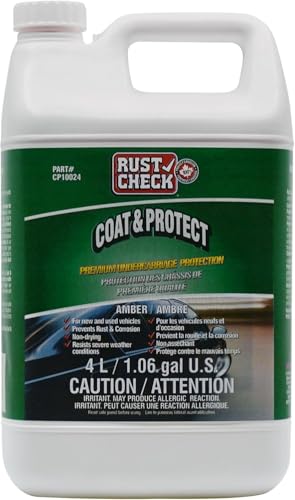
Consider a rustproofing treatment. These are special coatings applied to the undercarriage. They create a barrier.
This barrier helps prevent salt and moisture from reaching the metal. There are different types. Some are wax-based.
Others are more like a hard coating. Do your research. Talk to reputable shops.
Inspect your car regularly. Look for any signs of rust. Check areas where paint might be chipped or scratched.
Repair these small spots promptly. A small chip can quickly become a large rust problem if left untreated. Touch-up paint can be a lifesaver.
Drive carefully. Avoid puddles where salt might be concentrated. If you park in a garage, try to let your car drip dry before it gets too cold.
This helps prevent ice buildup. But even then, the salt residue is still there. Washing is still the key.
Your Winter Car Care Checklist
- Frequent Washing: Wash your car at least every two weeks during winter.
- Undercarriage Focus: Always get the underside cleaned thoroughly.
- Rustproofing: Consider professional rustproofing treatments.
- Inspect & Repair: Check for paint chips and fix them quickly.
- Wheel Wells: Clean these areas with a hose or brush.
- Door Seals: Wipe down door jambs and seals to remove salt.
When to Seek Professional Help
If you notice significant rust, especially on structural components like the frame or suspension, it’s time to see a mechanic. They can assess the damage. They can tell you if repairs are possible.
And if they are, they can carry them out.
Rust on brake lines or fuel lines is a serious safety concern. Do not ignore it. A mechanic can inspect these critical parts.
They can replace them if they are compromised. This ensures your car remains safe to drive.
Sometimes, rust can be superficial. It might be on a bolt or a small bracket. A DIY fix might be possible for minor surface rust.
But if you’re unsure, or if the rust looks deep, it’s always best to consult a professional. They have the tools and expertise.
Think of it this way: a little preventative care saves a lot of headaches and money later. If you’re seeing rust, don’t delay. Get it checked out.
It’s better to be safe than sorry, especially when it comes to your vehicle’s integrity.

Frequently Asked Questions About Magnesium Chloride and Cars
Is magnesium chloride worse than rock salt for car rust?
Magnesium chloride is generally considered less corrosive than rock salt (sodium chloride). However, it still contains chloride ions that accelerate rust. It’s still a threat to your car.
How often should I wash my car in the winter?
Aim to wash your car at least every two weeks. If you drive frequently on treated roads or after a heavy application, wash it more often. Always focus on the undercarriage.
Can I use a regular garden hose to wash off salt?
Yes, a garden hose with good water pressure can help. For stubborn salt, especially in wheel wells or on the undercarriage, a pressure washer or a specialized undercarriage spray at a car wash is more effective.
What parts of my car are most vulnerable to rust from de-icers?
The undercarriage is most vulnerable. This includes the frame, floor pans, suspension, exhaust, and fuel lines. Wheel wells and lower body panels are also at high risk.
Does warm weather make rust worse after using magnesium chloride?
Yes. Warm weather and moisture reactivate the salt residue. This can speed up the rusting process.
That’s why it’s important to wash off salt even after the snow melts.
Are there any DIY rustproofing methods?
While professional rustproofing is recommended, some DIY products exist. These often involve applying wax-based coatings. However, their effectiveness may not match professional treatments.
Always follow product instructions carefully.
Conclusion: Stay Ahead of the Rust
So, to answer your question directly: yes, magnesium chloride can contribute to rust on your car. While it’s often chosen for being less damaging than older de-icers, it’s still a salt. And salt on metal in the presence of moisture leads to corrosion.
The key is to be proactive. Regular, thorough washing of your vehicle, especially the undercarriage, is your best defense. Combine this with regular inspections and prompt repairs.
You can significantly extend the life of your car. You can keep it looking good and safe for years to come.
Products related to this article
Sponsored / affiliate links. As an Amazon Associate I earn from qualifying purchases. I may earn additional commission from eligible campaigns.