Does an EV3 Car Tell You When Service is Due? Local Guide
It’s a common question for many when they first start with their EV3 car: how do you know when it needs a little tune-up or maybe some new parts? For beginners, figuring out this can feel a bit like a puzzle. But don’t worry! We’re here to make it super simple. Think of this as your friendly helper to get your EV3 car running perfectly. We’ll walk through everything step by step, so you’ll be an EV3 expert in no time. Get ready to learn how to keep your car in top shape.
Understanding EV3 Car Service Needs Local Guide
Knowing when your EV3 car needs service is super important for keeping it running well and preventing bigger problems down the road. Sometimes, it’s not always obvious when something needs attention. This guide is designed to help you easily figure out the signs and what to do. We’ll cover how the car itself might give you hints and what you can do as a local guide to ensure its longevity and optimal performance. This will give you peace of mind and help your EV3 car last longer.
How EV3 Cars Signal Service Requirements
EV3 cars, like many advanced machines, often have built-in ways to let you know when they need attention. This can range from simple visual cues to more complex diagnostic messages. Understanding these signals is the first step in proactive maintenance. For example, some systems might have warning lights or specific indicators that appear on a display.
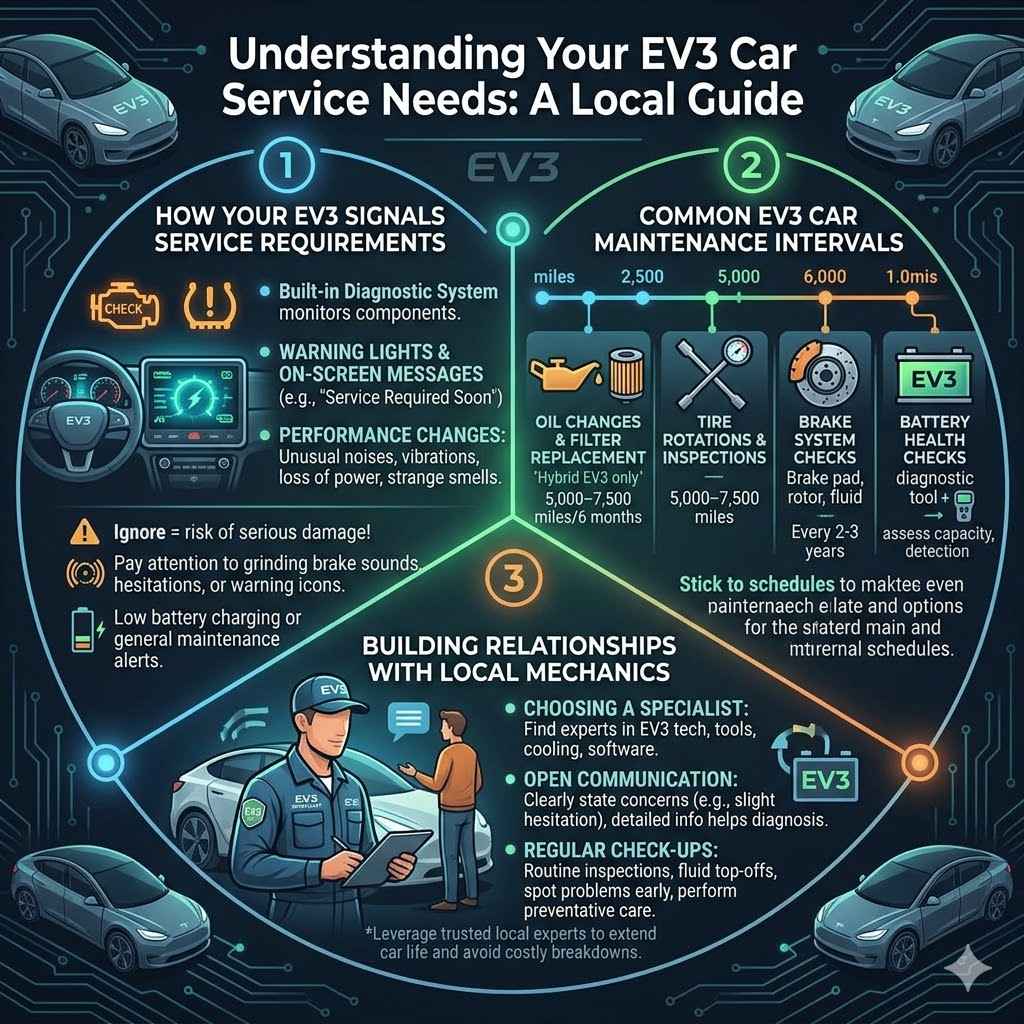
One common way an EV3 car might signal a need for service is through its internal diagnostic system. This system constantly monitors various components and their performance. If a part is not functioning within its expected parameters, the system may trigger an alert.
This alert could be a simple light on a dashboard or a more detailed message that pops up on a screen. For instance, if a sensor detects unusual wear on a specific part, it might send a signal to the main control unit, which then informs the driver.
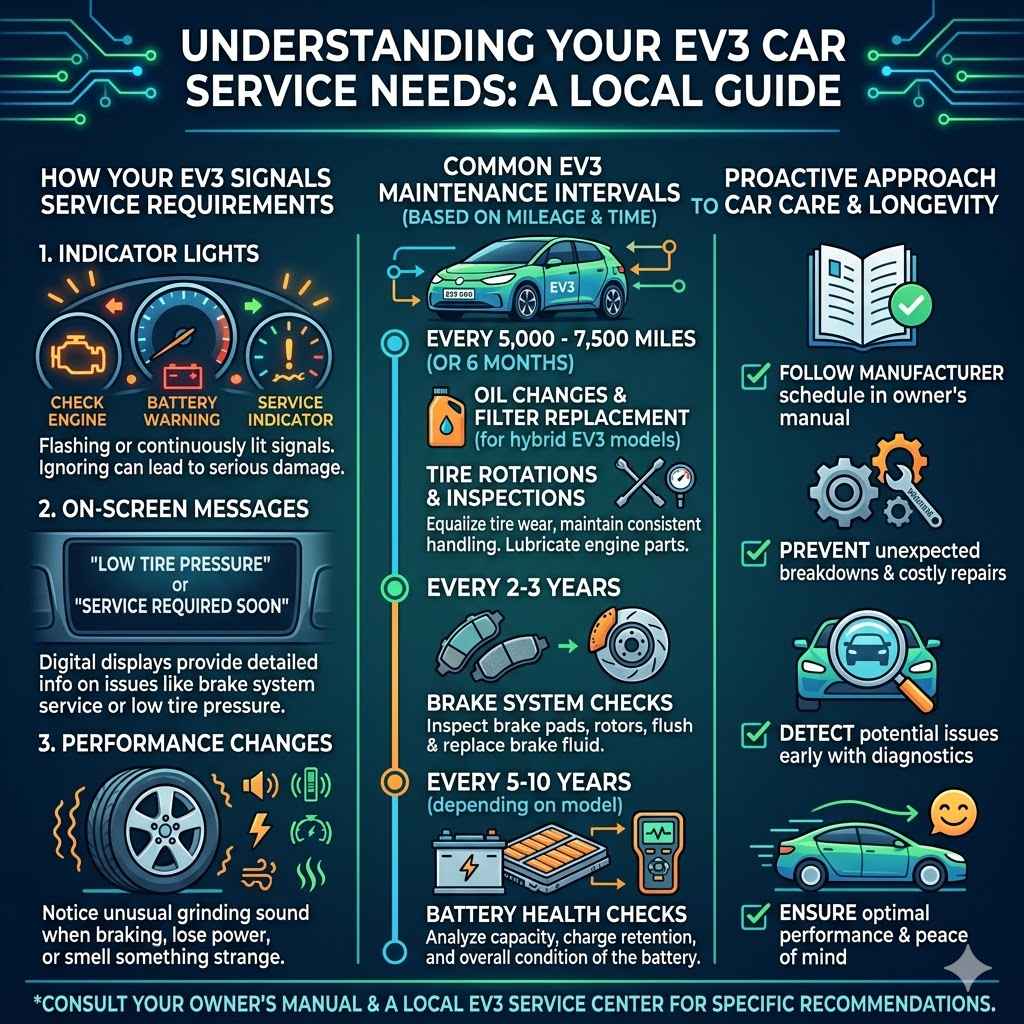
Indicator Lights: Many EV3 cars have a series of indicator lights that can alert you to various issues. Some lights are general warnings, while others point to specific systems like the engine or battery. A flashing or continuously illuminated warning light, such as a check engine light or a battery warning, is a clear sign that something needs to be checked. Ignoring these can lead to more serious damage.
For example, a battery warning light might illuminate if the car’s charging system isn’t working correctly. This could mean the battery isn’t being charged sufficiently, and the car might eventually stop running. Similarly, a general service indicator light might come on after a certain mileage or time interval, suggesting a routine check-up is due, like an oil change or filter replacement.
On-Screen Messages: Modern EV3 cars often feature digital displays that can provide more detailed information. Instead of just a light, you might see text messages that explain the issue. These messages can be very helpful in pinpointing the problem area. For example, a message might read “Low Tire Pressure” or “Service Required Soon.
These on-screen alerts are designed to be user-friendly. If your EV3 car shows a message like “Brake System Service Required,” it’s advising you to have your braking system inspected. This could be due to worn brake pads, low brake fluid, or an issue with the anti-lock braking system (ABS).
The car is essentially trying to tell you what needs immediate attention.
Performance Changes: Sometimes, the car itself will show you it needs service through how it performs. If you notice strange noises, vibrations, a loss of power, or unusual smells, these are all signals that something might be wrong and service is needed.
A good example is an unusual grinding sound when you brake. This strongly suggests that your brake pads are worn out and need to be
Common EV3 Car Maintenance Intervals
Just like any vehicle, EV3 cars have recommended service schedules. These schedules are based on mileage or time, whichever comes first. Following these intervals helps ensure your car remains in good working order. It’s part of a proactive approach to car care.
The manufacturer of your EV3 car will provide a maintenance schedule in the owner’s manual. This schedule is crucial for understanding when routine services are due. These services typically include checks of essential fluids, filters, and various mechanical components.
Adhering to this schedule can prevent unexpected breakdowns and costly repairs.
Oil Changes and Filter Replacement: This is a fundamental part of car maintenance for many vehicles. Even though EV3 cars might have different power sources, some still require fluid changes and filter replacements for various systems. The exact interval depends on the specific model.
For example, if your EV3 car has an internal combustion engine as part of a hybrid system, regular oil changes are vital. The oil lubricates moving parts, reduces friction, and helps cool the engine. If the oil becomes old and dirty, it can no longer perform these functions effectively, leading to increased engine wear.
Manufacturers often recommend an oil change every 5,000 to 7,500 miles or every six months.
Tire Rotations and Inspections: Tires are critical for safety and performance. Regular checks ensure they are properly inflated, have sufficient tread depth, and are wearing evenly. Tire rotations help to equalize wear.
A common recommendation is to rotate tires every 5,000 to 7,500 miles. This process involves moving the front tires to the rear and the rear tires to the front, often with a side-to-side swap depending on the drivetrain. This ensures that all tires wear at a similar rate, extending their lifespan and maintaining consistent handling characteristics.
Brake System Checks: Your brakes are a key safety feature. Periodic inspections ensure they are in good condition and will perform effectively when needed. This includes checking brake pads, rotors, and fluid levels.
Brake pads wear down over time with use. A mechanic will inspect the thickness of the brake pads during routine service. If they are below a certain threshold, they need to be replaced.
Similarly, brake fluid can degrade and absorb moisture, affecting its performance. It’s often recommended to have the brake fluid flushed and replaced every two to three years.
Battery Health Checks: For electric or hybrid EV3 cars, the battery is a major component. While batteries are designed to last a long time, they do require checks to ensure optimal performance and to detect any potential issues early on.
The health of the main battery pack in an EV3 car is typically monitored by the vehicle’s onboard diagnostics. Many dealerships offer specialized battery health checks that can assess the battery’s capacity, charge retention, and overall condition. These checks might involve running diagnostic tests that analyze data from the battery management system.
Some manufacturers offer battery warranties that cover a significant number of years or miles, so understanding its condition is important for potential warranty claims.
Does An EV3 Car Tell You When Service is Due? Local Guide
This is the core question many EV3 car owners ask. The answer is yes, but it often requires you to pay attention to several cues. Being a local guide to your car’s needs means actively listening to what it’s telling you. It’s not always a direct “Service Due” notification that pops up for every single item. Often, it’s a combination of system alerts, performance changes, and scheduled maintenance reminders.
The question “Does an EV3 car tell you when service is due?” is central to maintaining your vehicle. While some EVs are programmed to remind you about specific service intervals, like tire rotations or battery checks, others rely more on subtle indicators. Understanding these indicators, whether they are dashboard warnings, changes in driving feel, or specific sounds, is key.
This section will break down how your EV3 car communicates its service needs and what you, as its local guide, should be looking for.
Interpreting Warning Lights and Symbols
Warning lights on your EV3 car’s dashboard are direct messages from the vehicle’s systems. Learning what each symbol means is crucial for knowing when immediate attention is required versus a routine check. Don’t ignore them; they are there for a reason.
Dashboard warning lights are designed to be easily recognizable and informative. When one illuminates, it’s the car’s way of saying, “Hey, something needs to be looked at.” These lights can range from amber (indicating a less urgent issue or a need for inspection) to red (signaling a more serious problem that requires immediate attention).
The Check Engine Light: This is one of the most common warning lights. It can indicate a wide range of issues, from a loose gas cap to a more serious engine or emissions system problem. It often signifies that the car’s computer has detected an anomaly in the engine or its performance.
When your check engine light comes on, it’s a good idea to have it diagnosed by a professional as soon as possible. While some causes are minor, others can lead to significant damage or poor fuel economy if left unaddressed. A mechanic will use a diagnostic tool to read the specific error code stored in the car’s computer, which helps them identify the exact problem.
Battery Warning Light: For electric and hybrid EV3 cars, the battery warning light is particularly important. It could mean there’s an issue with the battery itself, the charging system, or the power delivery.
If a battery warning light appears, especially in an all-electric EV3 car, it might indicate a problem with the high-voltage battery pack or the charging system. This could affect the car’s ability to charge or its driving range. In hybrid vehicles, it might relate to the smaller 12-volt battery or the hybrid system’s battery.
Prompt inspection is recommended to avoid being stranded.
Tire Pressure Monitoring System (TPMS) Light: This light, often depicted as a flat tire with an exclamation mark inside, indicates that one or more of your tires have significantly low air pressure. Properly inflated tires are essential for safety, fuel efficiency, and tire longevity.
Low tire pressure can affect your car’s handling and braking, making it less safe to drive. It also causes tires to wear unevenly and can reduce your vehicle’s fuel economy. Most TPMS lights will turn off once the tire pressure is corrected, but if it stays on or flashes, there might be a more serious leak or a problem with the TPMS sensor itself.
Understanding Manufacturer Service Recommendations
Manufacturers put a lot of research into determining the best service intervals for their vehicles. These recommendations are based on extensive testing and data. Your owner’s manual is the best resource for this information.
The maintenance schedule provided by your EV3 car’s manufacturer is not just a suggestion; it’s a guideline developed to ensure the longevity and optimal performance of your vehicle. These schedules are typically based on a combination of factors, including mileage, driving conditions (like stop-and-go city driving versus highway cruising), and time.
Scheduled Maintenance Minder Systems: Many modern EV3 cars have a built-in system that calculates when maintenance is due based on actual driving conditions, not just mileage. This system uses sensors to track engine load, speed, temperature, and other factors to determine when a service is truly needed.
For instance, a “Maintenance Minder” system in some vehicles might tell you that your next service is due in 5,000 miles or 6 months, while under different driving conditions, it might suggest service in 3,000 miles or 3 months. This intelligent system helps avoid unnecessary services while ensuring critical maintenance is performed promptly.
Fluid Checks and Replacements: Essential fluids like brake fluid, coolant, and power steering fluid need to be checked and replaced periodically. The manufacturer’s guide will specify the intervals for these checks and replacements.
Brake fluid, for example, is hygroscopic, meaning it absorbs moisture from the air over time. This absorbed moisture can lower the boiling point of the fluid, potentially leading to brake failure in hot conditions. Manufacturers typically recommend flushing and replacing brake fluid every two to three years, regardless of mileage.
Filter Replacements: Various filters in your EV3 car, such as air filters, cabin air filters, and fuel filters (if applicable), need regular replacement. These filters keep contaminants out of critical systems.
A clogged engine air filter can reduce engine performance and fuel efficiency. Similarly, a dirty cabin air filter can impact the air quality inside your car. The manufacturer’s schedule will outline when these filters should be inspected and replaced, often based on mileage or a specific time frame.
The Role of a Local Guide in EV3 Car Service
Being a “local guide” for your EV3 car means being informed and proactive about its maintenance needs within your community. This includes knowing where to get reliable service and what to look for locally.
As a local guide for your EV3 car, you leverage your community resources to ensure its upkeep. This involves finding trusted mechanics or dealerships in your area and understanding common issues specific to your region’s driving conditions. It’s about more than just the car; it’s about the network you have to support it.
Finding Reputable Service Centers: Identifying reliable mechanics or authorized dealerships in your local area is key. Look for those with experience specifically with EV3 models, read reviews, and ask for recommendations from other EV3 owners.
A reputable service center will have certified technicians who are up-to-date on the latest EV3 technology. They should also be transparent about pricing and the services they recommend. Asking about their experience with your specific EV3 model can help you make an informed decision about where to take your car for service.
Considering Local Driving Conditions: Your local environment can impact your car’s maintenance needs. For example, driving in areas with extreme temperatures, heavy traffic, or poor road conditions might require more frequent checks.
If you live in an area with very cold winters, your EV3 car’s battery performance might be affected, and it’s wise to have it checked more often, especially before the winter season. Likewise, if you frequently drive on dusty roads, your air filters might need more frequent replacement.
Utilizing Local Owner Communities: Connecting with other EV3 car owners in your area can be invaluable. They can share their experiences, recommend services, and provide insights into common issues and solutions specific to your region.
Local EV owner groups, often found online through social media or forums, are a great resource. Members can share their favorite repair shops, warn about less reputable ones, and discuss tips for maintaining their cars in specific local climates or conditions. This peer-to-peer advice is often very practical and trustworthy.
EV3 Car Service Alerts and How to Act
When your EV3 car alerts you to a service need, acting promptly is crucial. Ignoring these alerts can lead to more significant problems and potentially higher repair costs. This section focuses on recognizing these alerts and knowing the best course of action.
When your EV3 car displays a service alert, it’s essentially communicating a detected issue that requires attention. These alerts are designed to prevent minor problems from escalating into major ones. Understanding the nature of the alert and how to respond appropriately can save you time, money, and potential headaches.
Responding to Dashboard Alerts
Dashboard alerts are direct communications from your vehicle’s systems. The type of alert will dictate the urgency of your response. Some require immediate action, while others can wait a short period.
Dashboard alerts are your car’s primary way of communicating immediate or upcoming service needs. They are typically designed to be unambiguous, though the specific action required can vary.
Urgent Red Alerts: Red warning lights or critical messages usually indicate a problem that could compromise safety or cause immediate damage to the vehicle. These typically require you to stop driving as soon as it is safe to do so and have the car inspected.
For example, a red brake system warning light means there is a serious issue with your brakes that could affect your ability to stop. Driving further could be dangerous. Similarly, a critical engine temperature warning might indicate an overheating issue that could cause severe engine damage if not addressed immediately.
Amber or Yellow Alerts: These alerts usually signal a less critical issue or that maintenance is due soon. While you don’t necessarily need to stop driving immediately, you should schedule a service appointment as soon as possible to address the warning.
An amber check engine light, for instance, might indicate an emissions-related problem that doesn’t immediately affect drivability but could lead to increased pollution or reduced fuel economy. It still warrants attention, but perhaps not an emergency stop.
Information and Reminder Messages: Some alerts are purely informational, reminding you about upcoming scheduled maintenance or providing tips for efficient driving. These are good to note but do not require immediate action.
A message like “Service Due in 30 Days” or “Tire Pressure Optimal” falls into this category. These are helpful reminders to keep your maintenance schedule on track and to ensure your car is running efficiently.
The Role of On-Board Diagnostics (OBD)
Your EV3 car is equipped with an On-Board Diagnostics (OBD) system. This system monitors various sensors and components, storing error codes when problems are detected. Mechanics use this system to diagnose issues.
The On-Board Diagnostics (OBD) system is a critical part of any modern vehicle, including EV3 cars. It’s essentially the car’s internal computer that keeps track of how its various systems are performing. When a problem is detected, it logs a specific code that can be read by diagnostic tools.
OBD-II Port and Diagnostic Codes: The OBD-II port, usually located under the dashboard, is where diagnostic tools connect to the car’s computer. Mechanics plug in a scanner to read the trouble codes (DTCs) stored in the system. These codes help identify the faulty component or system.
For example, a common OBD-II code might be P0300, which indicates a random/multiple cylinder misfire detected. This code alone doesn’t tell the mechanic exactly what’s wrong, but it points them in the right direction, such as looking at spark plugs, ignition coils, or fuel injectors.
Interpreting Codes for Service Needs: While you might not be able to interpret all OBD-II codes yourself, understanding that they exist is important. They directly inform the service technician about the issue. Some code readers are available for consumers, allowing for a basic understanding of potential problems.
If your check engine light is on, a mechanic will connect their scanner to the OBD-II port. They will retrieve the codes and use that information, combined with their expertise, to diagnose the root cause. For instance, a code related to the oxygen sensor might suggest that the sensor needs replacement, impacting emissions and fuel efficiency.
Proactive Monitoring and Early Detection: The OBD system allows for early detection of potential issues. By monitoring performance parameters, it can identify minor deviations that, if left unaddressed, could lead to more significant problems.
Consider a situation where a particular sensor is starting to fail. It might not be producing a fault code immediately, but the OBD system may be logging subtle performance anomalies. A mechanic performing a detailed diagnostic scan might notice these patterns during routine service and recommend addressing the component before it fully fails and triggers a warning light.
When to Contact a Local Service Professional
Knowing when to call in the experts is a key part of being a responsible car owner. For most complex issues or when warning lights appear, professional help is the best route.
Reaching out to a qualified service professional is a sign of smart car ownership. Some issues are beyond basic DIY fixes, and attempting them can lead to further damage or safety risks.
When Warning Lights Persist: If a warning light stays on after basic checks (like ensuring your gas cap is tight for a check engine light), it’s time to consult a professional. Persistent lights indicate a problem that requires diagnostic tools.
For example, if your ABS (Anti-lock Braking System) light stays on, it indicates a malfunction in that critical safety system. This is not something to ignore, as it affects your car’s ability to brake effectively in emergencies. A professional can diagnose the specific ABS sensor or module issue.
For Complex or Unfamiliar Issues: If you hear strange noises, feel unusual vibrations, or notice performance issues you can’t identify, it’s best to let a trained technician examine your EV3 car. They have the knowledge and equipment to diagnose and repair a wide range of problems.
A new, persistent whining sound coming from under the hood, for instance, could be anything from a worn belt to a failing power steering pump. A mechanic can quickly pinpoint the source and recommend the correct repair, preventing potential engine damage or loss of steering assistance.
During Routine Scheduled Maintenance: Even if there are no apparent issues, bringing your EV3 car in for its scheduled maintenance is crucial. Professionals will perform thorough inspections and catch potential problems before they become serious.
During a routine 30,000-mile service, a technician might discover that your brake pads are nearing their wear limit. By replacing them proactively, you avoid potential damage to the brake rotors and ensure your car remains safe to drive. This type of preventative maintenance is a cornerstone of long-term vehicle health.
Local Guide Strategies for EV3 Car Maintenance
Being a good local guide for your EV3 car means more than just driving it. It involves actively managing its upkeep by using local resources effectively. This strategy helps ensure your car remains reliable and in peak condition.
As a local guide for your EV3 car, your approach to maintenance should be informed and practical. This means leveraging the resources available in your community, staying ahead of potential issues, and building relationships with trusted service providers. It’s about being in tune with your car and its needs, using your local environment to your advantage.
Building Relationships with Local Mechanics
Finding and maintaining a good relationship with a local mechanic or dealership is invaluable. They become your trusted partners in keeping your EV3 car running smoothly.
Your local mechanic is your primary resource for keeping your EV3 car in optimal condition. A good working relationship means they understand your car’s history and your driving habits.
Choosing a Specialist: Look for service centers or mechanics who specialize in EV3 vehicles or have a strong reputation for working with them. This ensures they have the specific knowledge and tools required for your car.
For example, an EV3 car might have unique cooling systems or software configurations that a general mechanic might not be familiar with. A specialist will be better equipped to diagnose and fix issues related to these specific components, ensuring a higher quality of repair.
Open Communication: Always communicate clearly with your mechanic about any concerns you have, no matter how small they seem. Provide details about when the issue occurs, what it sounds or feels like, and any other relevant information.
If you notice a slight hesitation when accelerating, mention it. This information helps the mechanic narrow down the potential causes. Even if it turns out to be a minor issue, it’s better to have it checked than to let it potentially develop into something more serious.
Regular Check-ups: Stick to the manufacturer’s recommended maintenance schedule. This not only keeps your car in good condition but also allows your mechanic to spot potential problems early.
Regular check-ups allow your mechanic to perform preventative maintenance, like topping off fluids, checking tire wear, and inspecting critical components. This can help avoid costly breakdowns and extend the life of your EV3 car.
Understanding Your EV3 Car’s Specific Needs
Every EV3 car model can have unique maintenance requirements. Researching your specific model will help you understand these particular needs.
Beyond general car maintenance, each EV3 car model can have specific quirks and requirements. Knowing these helps you anticipate needs and communicate effectively with service providers.
Model-Specific Maintenance Schedules: Consult your owner’s manual for the exact maintenance schedule for your EV3 car model. Some models may have different recommendations for fluid changes, filter replacements, or inspections based on their design and technology.
For example, a performance-oriented EV3 model might have more frequent brake fluid checks due to higher operating temperatures, whereas a more eco-focused model might have different battery health monitoring protocols.
Software Updates: Many modern EV3 cars rely on complex software. Manufacturers periodically release software updates that can improve performance, fix bugs, or enhance features. Your service center can often perform these updates during routine maintenance.
These software updates are similar to updates for your smartphone. They can optimize the car’s systems, such as the powertrain management or infotainment system. Missing these updates could mean your car is not performing at its best or might be susceptible to known software glitches.
Battery Care and Longevity: For electric and hybrid EV3 cars, understanding battery care is crucial for longevity. This includes understanding charging habits, temperature impacts, and any specific maintenance recommended by the manufacturer.
For instance, consistently charging to 100% or letting the battery drop to very low levels frequently can, over time, slightly degrade the battery’s capacity. Manufacturers often provide guidelines on optimal charging practices to maximize battery life.
DIY Checks vs. Professional Service
Knowing which maintenance tasks you can handle yourself and which require a professional is a key part of efficient car care.
Deciding whether to tackle a maintenance task yourself or take it to a professional is an important consideration for any car owner. Balancing cost, skill, and safety is key.
Simple DIY Tasks: Basic checks like tire pressure, fluid levels (when easily accessible), and cleaning are tasks many owners can do themselves. These simple checks can help you catch minor issues early.
Checking your tire pressure with a gauge and inflating them to the recommended PSI is a simple task that significantly impacts safety and efficiency. Similarly, visually checking the windshield washer fluid level and topping it off requires minimal effort and tools.
When to Call the Professionals: For anything involving engine diagnostics, brake systems, complex electrical issues, or specialized EV3 components, it’s best to rely on trained professionals. They have the right tools, knowledge, and safety equipment.
For instance, while checking brake fluid is easy, replacing brake pads and rotors requires specialized tools and knowledge of proper torque specifications. Incorrectly done brake work can be extremely dangerous. Similarly, diagnosing error codes from the OBD-II system often requires more than just reading the code; it needs experienced interpretation.
Frequently Asked Questions
Question: Does my EV3 car have a dashboard light that tells me exactly when service is due?
Answer: Some EV3 cars have general service reminder lights, often tied to mileage or time intervals. However, specific issues will trigger more detailed warning lights or on-screen messages that indicate a problem needing attention. It’s important to check your owner’s manual for specifics.
Question: How often should I get my EV3 car’s brakes checked?
Answer: It’s generally recommended to have your brakes inspected during routine maintenance appointments, typically every 6 months or 7,500 miles. The manufacturer’s schedule will provide specific guidance.
Question: Can I check my EV3 car’s battery health myself?
Answer: While you can monitor battery charge levels, a full battery health assessment usually requires specialized diagnostic equipment that most owners don’t have. It’s best to have this done by a qualified technician during scheduled service.
Question: What should I do if my EV3 car starts making a strange noise?
Answer: If your EV3 car makes a new or unusual noise, especially if it changes with speed or braking, it’s wise to have it checked by a mechanic as soon as possible. Don’t ignore warning signs.
Question: Is it okay to skip an EV3 car service appointment if everything seems fine?
Answer: Skipping scheduled maintenance can lead to problems down the road. Routine service helps catch potential issues early and keeps your car running efficiently and safely according to the manufacturer’s recommendations.
Summary
Keeping your EV3 car in top shape means paying attention to its signals. Your EV3 car does tell you when service is due, through warning lights, performance changes, and scheduled reminders. Being a local guide means using this information and your community’s resources to maintain it. Follow manufacturer advice and seek local expert help when needed for a reliable ride.