Does Mercedes Give You A Loaner Car? Essential Guide
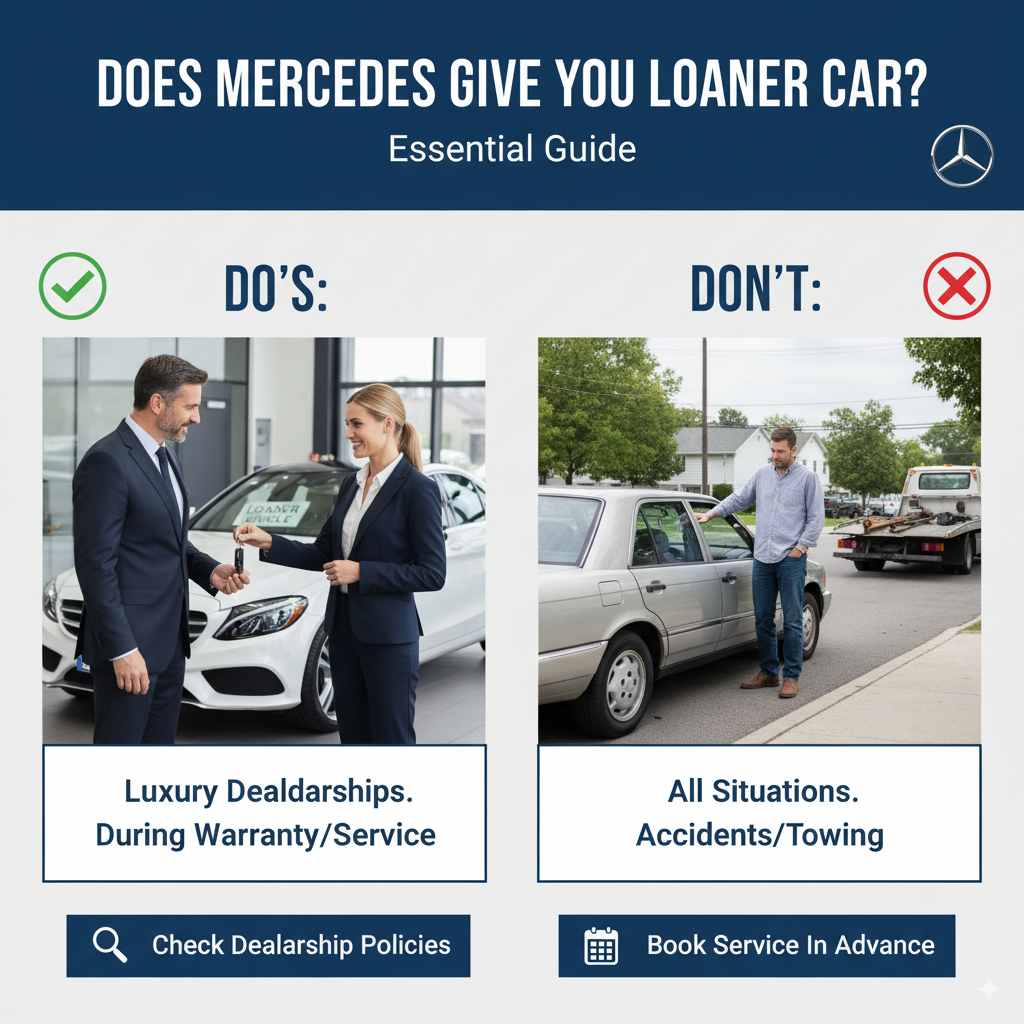
Yes, often Mercedes-Benz offers loaner cars to customers who are having their vehicles serviced, especially for warranty repairs or extended maintenance. However, availability can vary by dealership and the nature of your service. This guide will walk you through everything you need to know.
Dealing with car troubles can often feel overwhelming, especially when it means being without your vehicle. If you’re driving a Mercedes-Benz and find yourself preparing for a service appointment, a question likely pops into your mind: “Will I get a loaner car?” It’s a common concern, and for good reason! Not having your car can disrupt your daily routine, work, and family life. The good news is that Mercedes-Benz often provides loaner vehicles to help ease this burden. This guide is designed to give you all the essential information, clear up any confusion, and help you navigate the process smoothly. We’ll break down how loaner programs work with Mercedes-Benz, what you need to do, and what to expect, so you can drive with confidence, even when yours is in the shop.
Understanding Mercedes-Benz Loaner Car Programs
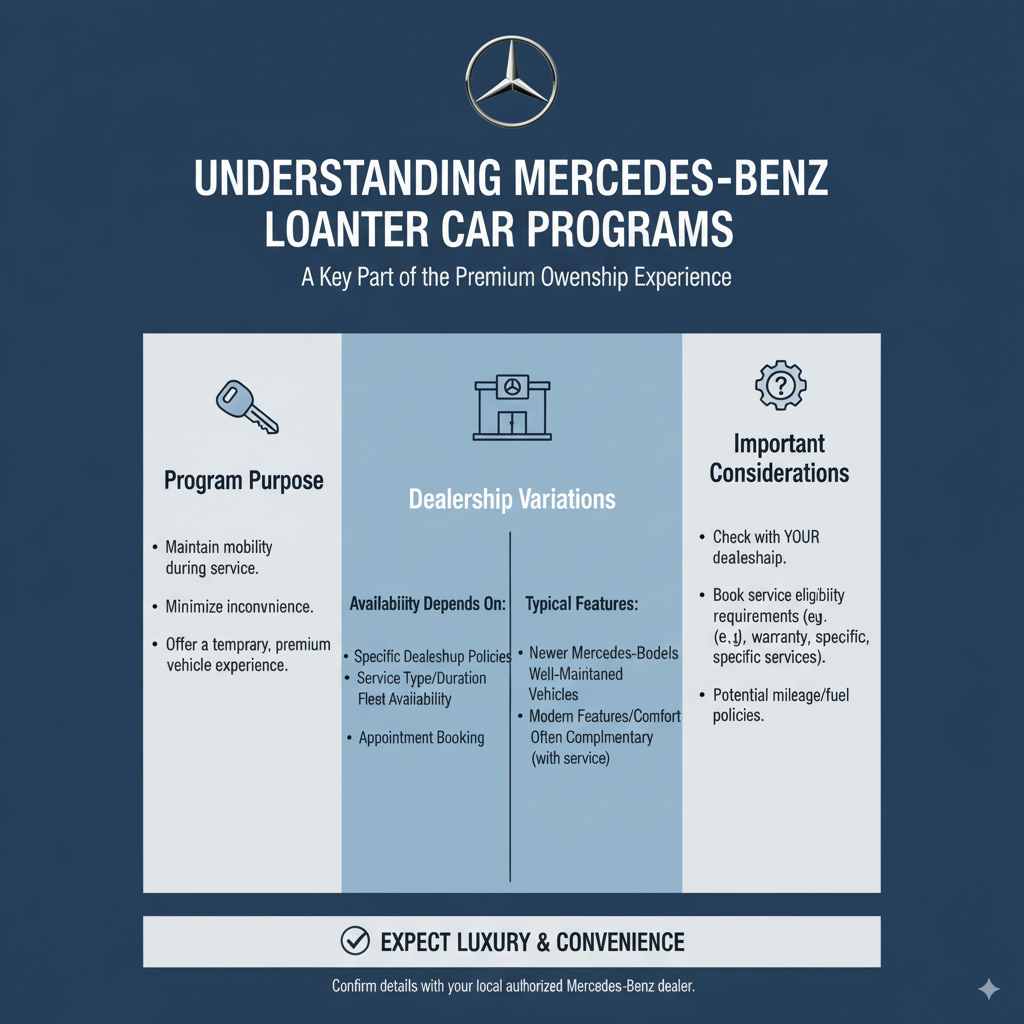
Mercedes-Benz, like many luxury automotive brands, aims to provide a premium ownership experience. A key part of this experience is ensuring that their customers remain mobile and inconvenienced as little as possible when their vehicle requires servicing. Loaner car programs are a significant component of this commitment. These programs are designed to offer a temporary replacement vehicle while your Mercedes-Benz is being repaired or maintained at an authorized dealership. The goal is not just to fix your car but to maintain the convenience and luxury you expect from the brand.
The availability and specific policies regarding loaner cars can differ from one Mercedes-Benz dealership to another. Many dealerships invest in a fleet of loaner vehicles, often newer models of Mercedes-Benz, to serve their customers. These vehicles are typically well-maintained and equipped with modern features, allowing you to continue your daily activities with a similar level of comfort and sophistication.
It’s important to recognize that these loaner cars are a service offering, often tied to specific types of service or repair work. While the intention is to provide them widely, certain factors can influence whether you’ll receive one. Understanding these factors upfront can help you manage your expectations and make arrangements accordingly.
Who is Eligible for a Mercedes-Benz Loaner Car?
Eligibility for a Mercedes-Benz loaner car typically depends on several factors, with the most common being the nature of the service or repair being performed. Generally, if your Mercedes-Benz is undergoing repairs covered under its new vehicle limited warranty or an extended warranty purchased through Mercedes-Benz, you are very likely to be offered a loaner vehicle. These repairs often involve significant downtime, making a loaner car practically essential for the customer.
For routine maintenance services, such as oil changes, tire rotations, or scheduled inspections, the availability of a loaner car can be more variable. Some dealerships may offer loaners for these services as a courtesy, while others might prioritize them for warranty work or only provide them if the maintenance is expected to take an extended period. It’s always best to inquire directly with your dealership about their policy for routine maintenance.
Another crucial factor is the dealership’s loaner car inventory. Dealerships manage a fleet of these vehicles, and their availability is finite. If the dealership’s loaner fleet is fully booked, you might not be able to secure a loaner car, even if you would otherwise be eligible. This highlights the importance of booking your service appointment well in advance.
Key Eligibility Factors:
- Warranty Repairs: Repairs covered under the new vehicle limited warranty or an extended warranty are typically the highest priority for loaner car allocation.
- Extended Service Duration: If your vehicle requires multiple hours or days of service, a loaner car is more likely to be provided to minimize your inconvenience.
- Dealership Policy: Each dealership sets its own specific guidelines for loaner car availability, especially for non-warranty work or routine maintenance.
- Availability of Fleet: The number of loaner vehicles available at the time of your service appointment is a critical factor.
When Can You Expect to Get a Loaner Car?
While policies can vary, here’s a general breakdown of when you can most likely expect to receive a loaner car from a Mercedes-Benz dealership:
- Scheduled Warranty Repairs: If your appointment is specifically for a repair covered under warranty that is expected to take several hours or more, a loaner car is highly probable when booked in advance.
- Major Scheduled Maintenance: For significant scheduled service intervals that require your vehicle to be at the dealership for an extended period, many dealerships will provide a loaner.
- Emergency/Breakdown: In situations where your Mercedes-Benz breaks down and is towed to a dealership for a warranty-covered repair, the dealership will often do their best to accommodate you with a loaner, although immediate availability might be challenging.
It’s less common, but not impossible, to get a loaner for very quick services like a simple oil change or tire rotation if the dealership has ample availability and it’s part of their customer service policy. Always confirm this when booking your appointment.
How to Request and Secure a Loaner Car
Securing a loaner car from your Mercedes-Benz dealership is usually a straightforward process, but it requires proactive planning and communication. The key is to make your needs known early and to be prepared.
Step-by-Step Guide to Getting a Loaner:
- Book Your Service Appointment in Advance: This is the most crucial step. When you call to schedule your service, immediately state that you will need a loaner car. Mention the reason for your service (e.g., warranty repair, scheduled maintenance). The earlier you book, the higher your chances of securing a loaner, as they are assigned on a first-come, first-served basis.
- Confirm Loaner Car Availability: Even after booking, it’s wise to reconfirm the loaner car a day or two before your appointment. This ensures there are no last-minute changes or misunderstandings.
- Prepare Your Documents: When you arrive at the dealership, you will likely need your driver’s license and proof of insurance. Make sure both are current and valid. Some dealerships may also require a credit card authorization for potential charges.
- Understand the Loaner Agreement: You will be asked to sign a loaner car agreement. Read this document carefully. It outlines the terms of use, including mileage limits, fuel policy, prohibited uses (like smoking or pets), and responsibilities in case of damage or traffic violations.
- Inspect the Loaner Vehicle: Before driving off, inspect the loaner car with a service advisor. Note any existing damage (scratches, dents) and ensure the fuel level is documented. This protects you from being charged for pre-existing issues.
What to Bring:
- A valid driver’s license.
- Proof of current auto insurance (your personal policy usually covers the loaner, but check this with your insurer and the dealership).
- A credit card for a security deposit or potential charges.
By following these steps, you can significantly increase your chances of successfully obtaining a loaner car and ensure a smoother service experience.
What to Expect When Driving a Mercedes-Benz Loaner
Driving a Mercedes-Benz loaner car offers a temporary taste of the brand’s luxury and technology, but it also comes with specific expectations and responsibilities for the driver. Understanding these aspects beforehand can prevent misunderstandings and ensure a pleasant experience.
The Loaner Vehicle Itself:
Loaner vehicles are typically late-model Mercedes-Benz vehicles. They are chosen to represent the brand’s standard of quality, comfort, and performance. You might be placed in a C-Class, E-Class, or even an SUV like a GLC or GLE, depending on the dealership’s fleet and availability. These cars are generally equipped with modern features, including advanced infotainment systems, driver-assistance technologies, and comfortable interiors. They are meticulously cleaned and maintained to ensure they are in excellent condition for your use.
Your Responsibilities as a Loaner Driver:
While you’re enjoying the convenience of a loaner, remember that it is still a valuable asset belonging to the dealership. You have several responsibilities to uphold:
- Fuel: Most agreements stipulate that you must return the loaner car with the same level of fuel it had when you received it. If you don’t, you’ll likely be charged for refueling at a premium rate. Some dealerships may offer an option to pre-pay for fuel.
- Cleanliness: Keep the loaner car clean. Avoid eating messy foods, allowing pets inside, or smoking. Significant cleaning fees can be incurred if the car is returned excessively dirty.
- Mileage: While most loaner programs do not have strict mileage limits for typical service durations (a few days), excessive use might be discouraged or prohibited. Always check the loaner agreement for any specific mileage clauses.
- Driving Restrictions: Loaner cars are for local use only. You generally cannot take them on extended road trips, out of state, or across country borders without explicit permission. Canada is often an exception for US residents, but verify this.
- No Unapproved Drivers: Only the person who signed the loaner agreement and meets the driving requirements (e.g., age, valid license) is permitted to drive the vehicle.
- Traffic Violations & Tolls: You are responsible for any traffic tickets, parking violations, or tolls incurred while the loaner is in your possession. Most dealerships have a system to track these and will bill you accordingly.
- Damage: If the loaner vehicle is damaged, you are responsible for the repair costs, usually up to the deductible on the dealership’s insurance policy or your own. This is why having comprehensive auto insurance is vital.
Insurance Considerations:
Your personal auto insurance policy typically extends to cover a loaner vehicle for the same duration and coverage as your own car. However, it’s essential to confirm this with your insurance provider. You should also be aware of your policy’s deductible, as you will be responsible for it in case of damage. The dealership’s insurance usually acts as secondary coverage.
Using a loaner car is a fantastic benefit that keeps you moving, but treating it with the same care and respect you would your own Mercedes-Benz is key to a hassle-free experience.
Factors Affecting Loaner Car Availability
While Mercedes-Benz dealerships strive to offer loaner cars, several factors can influence whether one is available for your service appointment. Understanding these can help you plan more effectively.
Dealership Fleet Size and Demand:
The size of a dealership’s loaner fleet directly impacts availability. Larger dealerships or those with higher service volumes may have more loaner cars, but also face greater demand. During peak service times (e.g., before holidays, during severe weather), demand for loaners can surge, making them harder to obtain.
Type of Service:
As mentioned, warranty repairs or significant maintenance jobs typically take priority. If your service is minor and expected to be completed within a couple of hours, the dealership might not allocate a loaner, especially if they have other customers with longer service needs. Some dealerships might offer shuttle services or partner with ride-sharing companies as alternatives for shorter service times.
Loaner Car Maintenance Schedules:
Loaner vehicles themselves require maintenance and are periodically taken out of service for their own upkeep, repairs, or even to be rotated out of the fleet. This means that even if a dealership has a sizable fleet, not all vehicles may be available at any given time.
Geographic Location and Dealership Policies:
Policies can subtly differ between dealerships, even within the same region. A dealership in a densely populated urban area might have different loaner policies than one in a rural setting due to varying customer needs and service volumes. Some dealerships may also have specific rules about who can drive loaners (e.g., age restrictions).
New Vehicle Deliveries:
Occasionally, a dealership might temporarily reduce its loaner fleet size if they have a large influx of new vehicle deliveries. Some of these new cars might be used as short-term loaners during the delivery process or while waiting for official loaner vehicles to be prepped.
Alternatives to Loaner Cars
Despite best efforts, there might be times when a Mercedes-Benz loaner car isn’t available for your service appointment. Thankfully, most dealerships offer excellent alternative solutions to keep you mobile.
Dealership Shuttle Service:
Many Mercedes-Benz dealerships provide complimentary shuttle services. These shuttles can typically drop you off at your home, workplace, or even local shopping centers within a certain radius of the dealership. It’s a convenient option for shorter service times or if a loaner isn’t available.
Ride-Sharing Services:
Some dealerships partner with ride-sharing services like Uber or Lyft. They might provide you with a credit or arrange for a car to take you to your destination. This offers flexibility, allowing you to go wherever you need within reasonable limits.
Rental Car Partnerships:
In cases where the service duration is lengthy and a loaner car isn’t an option, or if you require a vehicle for a longer period than typically covered by a loaner, dealerships may have arrangements with local rental car companies. They might offer discounted rental rates or cover a portion of the rental cost, especially for warranty-related services.
Waiting Area Amenities:
For shorter service appointments, many dealerships offer comfortable waiting areas with amenities such as Wi-Fi, refreshments, comfortable seating, and even workstations. This allows you to wait for your vehicle productively or to relax.
Always inquire about these alternatives when booking your service appointment, especially if you’ve been informed that a loaner car may not be available. Being prepared with a backup plan ensures your day isn’t significantly disrupted.
Maximizing Your Loaner Car Experience
To ensure your experience with a Mercedes-Benz loaner car is as seamless and positive as possible, a little preparation and attention to detail go a long way. Think of it as treating a borrowed luxury item with the respect it deserves.
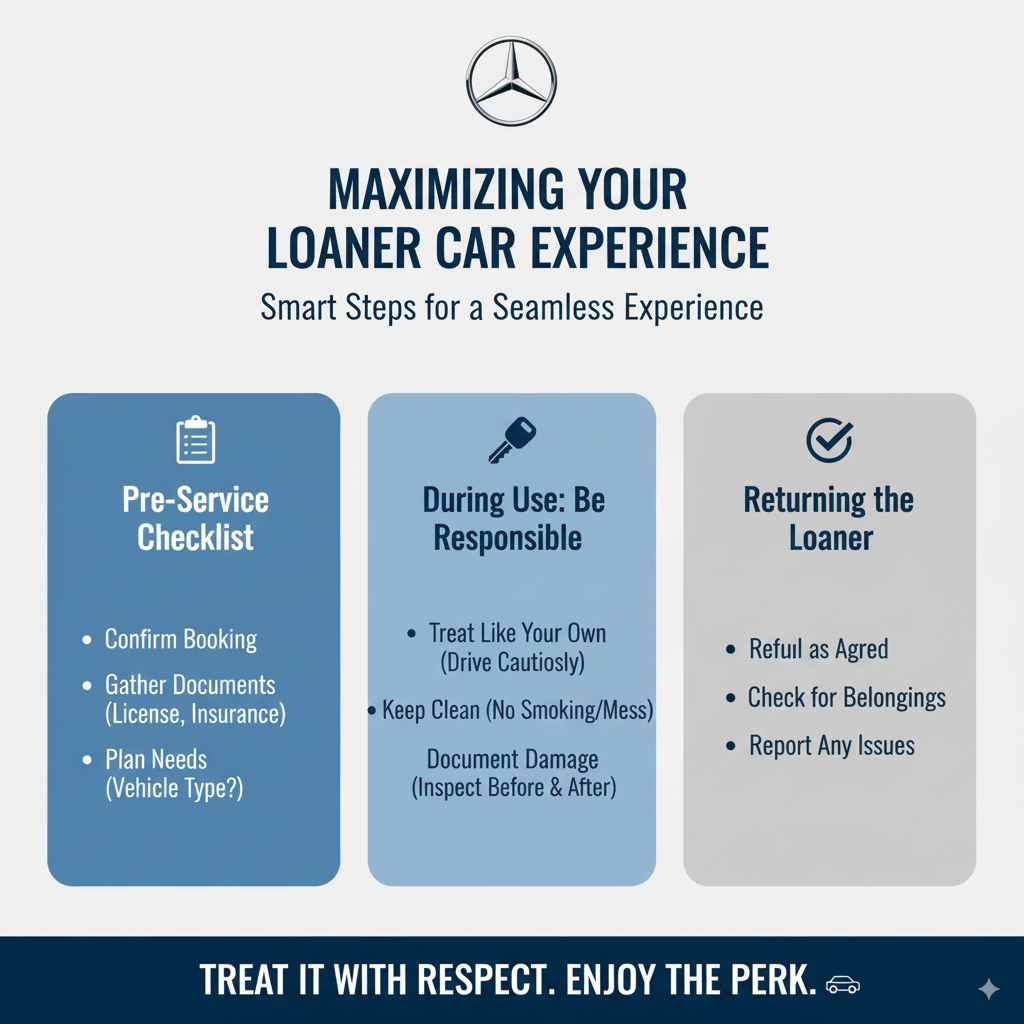
Pre-Service Checklist:
- Confirm Booking & Loaner: Double-check your service appointment time and the confirmed reservation for the loaner car.
- Gather Documents: Have your driver’s license and insurance card ready. A credit card for deposit is also standard.
- Plan Your Needs: If you require a specific type of vehicle (e.g., sedan vs. SUV) for a particular reason, mention this during booking. While not guaranteed, they may accommodate if possible.
- Know Mileage Limits: Understand any mileage restrictions mentioned in the loaner agreement to avoid unexpected charges.
- Ask About Fuel: Clarify the dealership’s fuel policy – do you return it full, or is there a refueling charge?
During Your Loaner Car Use:
- Treat it Like Your Own: Drive cautiously and avoid actions that could damage the vehicle or incur fines.
- Maintain Cleanliness: Keep the interior tidy. Avoid eating or drinking in a way that could create a mess.
- No Smoking Policy: Adhere strictly to any no-smoking rules. The smell of smoke is very difficult and expensive to remove.
- Document Existing Damage: Before driving off, ensure any scratches or dents are noted on the loaner agreement.
- Be Mindful of Parking: Avoid parking in areas where damage is likely, such as tightly packed lots or areas prone to vandalism.
- Keep Valuables Out: Never leave valuables visible in the car.
Returning the Loaner:
- Refuel as Agreed: Ensure the fuel level matches what was documented when you received the car.
- Cleanliness Check: Do a quick sweep to remove any trash.
- Note Any Issues: If you encountered any unexpected warning lights or driving anomalies, mention them to the service advisor upon return.
- Retrieve Your Belongings: Thoroughly check the car, glove box, and trunk for any personal items you may have left behind.
By being prepared and responsible, you ensure that the loaner car service remains a positive and convenient aspect of your Mercedes-Benz ownership, reinforcing the premium experience the brand is known for.
Frequently Asked Questions (FAQ)
Here are answers to some common questions about Mercedes-Benz loaner cars:
Do I have to pay for a Mercedes-Benz loaner car?
Typically, no. Loaner cars are usually provided free of charge for customers undergoing warranty repairs or scheduled maintenance that requires their vehicle to be at the dealership for an extended period. However, you are responsible for fuel, tolls, traffic violations, and any damage incurred during your use, as outlined in the loaner agreement.
What if my Mercedes-Benz is not under warranty? Can I still get a loaner?
It depends on the dealership’s policy. Some dealerships may offer loaners for paid services, especially if the repair will take a long time, as a gesture of goodwill. Others might reserve loaners primarily for warranty work. It’s always best to ask about their specific policy when booking your service.