Electric Cars vs. Petrol Cars: Which is Right for You?
Electric cars are rapidly changing the automotive landscape, but many drivers still wonder if they’re ready to ditch their familiar petrol-powered vehicles. Choosing between an electric car and a petrol car involves weighing upfront costs, running expenses, environmental impact, and convenience. This comprehensive comparison will help you understand the key differences and make an informed decision for your next vehicle purchase.
Simply put, electric cars offer lower running costs and a reduced environmental footprint, but petrol cars provide greater refueling convenience and often have a lower initial purchase price. The best choice depends on your driving habits, budget, and priorities regarding sustainability and long-term expenses.
Key Takeaways
- Electric cars generally have lower running costs due to cheaper electricity and reduced maintenance needs.
- Petrol cars offer a more familiar refueling experience and a wider range of initial purchase options, often at a lower price point.
- The environmental impact of electric cars is significantly lower over their lifecycle, especially when charged with renewable energy.
- Range anxiety and charging infrastructure are still considerations for electric car adoption, though improving rapidly.
- Long-term ownership costs for electric vehicles can be significantly lower than for comparable petrol models.
What are Electric Cars?
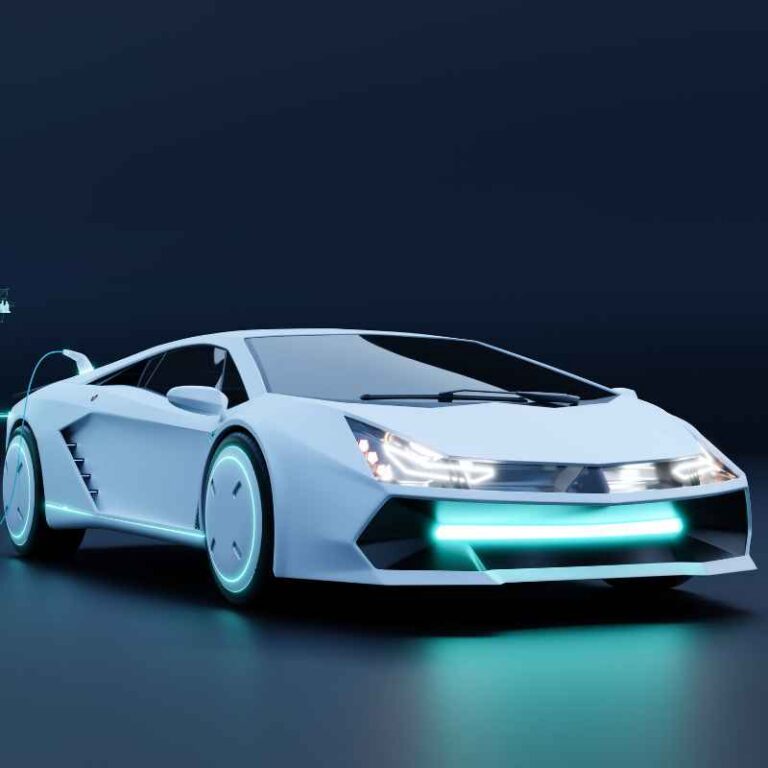
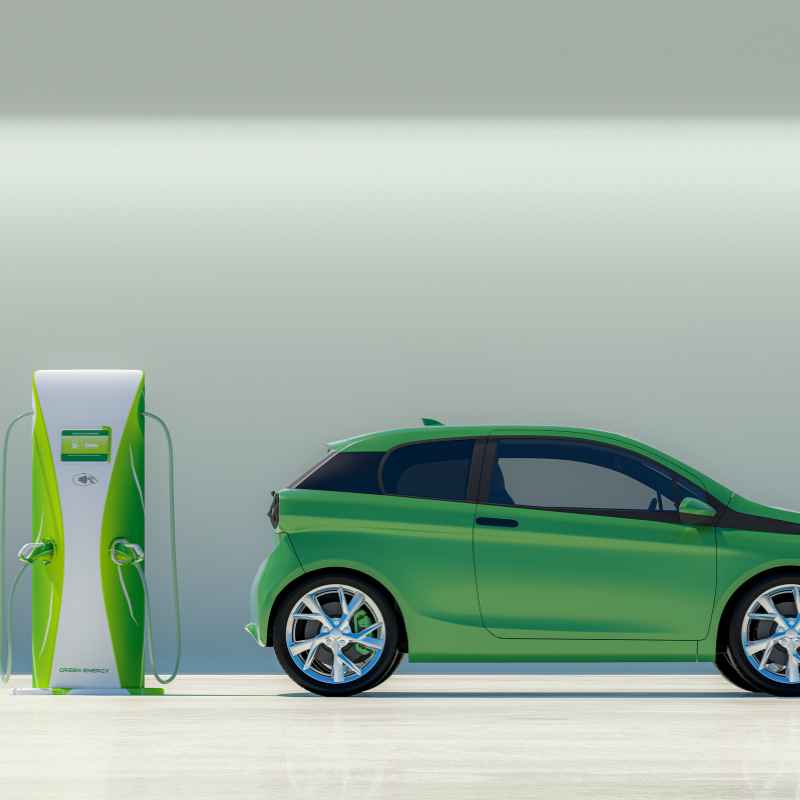
Electric cars, often called EVs, are vehicles that are powered entirely by an electric motor, which draws electricity from a rechargeable battery pack. Unlike traditional internal combustion engine (ICE) vehicles that burn gasoline or diesel fuel, EVs produce zero tailpipe emissions. This makes them a cleaner alternative for urban air quality and a key component in reducing greenhouse gas emissions.
The energy stored in the battery is used to power an electric motor that drives the wheels, providing instant torque and a quiet, smooth driving experience.
The core components of an EV include the battery pack, electric motor(s), inverter, and onboard charger. The battery pack is the “fuel tank” of an EV, storing the electrical energy. The motor converts this electrical energy into mechanical energy to move the car.
The inverter manages the flow of electricity from the battery to the motor, and the onboard charger replenishes the battery when plugged in. Regenerative braking is another key feature, where the electric motor acts as a generator during deceleration, capturing kinetic energy and converting it back into electrical energy to recharge the battery.
The advancement in battery technology has been a major driver behind the growing popularity of electric cars. Lithium-ion batteries, similar to those found in smartphones and laptops, are the most common type used in EVs due to their high energy density and long lifespan. As battery costs continue to decrease and energy density increases, the range and affordability of electric vehicles are improving year after year.
- Zero Tailpipe Emissions: Contributes to cleaner air quality in cities.
- Quiet Operation: Provides a more peaceful and less fatiguing driving experience.
- Instant Torque: Delivers quick acceleration from a standstill.
- Lower Running Costs: Electricity is typically cheaper per mile than gasoline.
- Reduced Maintenance: Fewer moving parts mean less frequent and less costly servicing.
- Government Incentives: Many regions offer tax credits and rebates for EV purchases.
What are Petrol Cars?
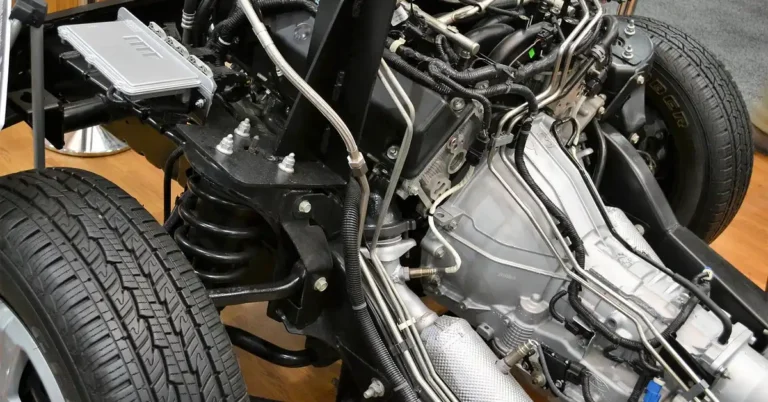
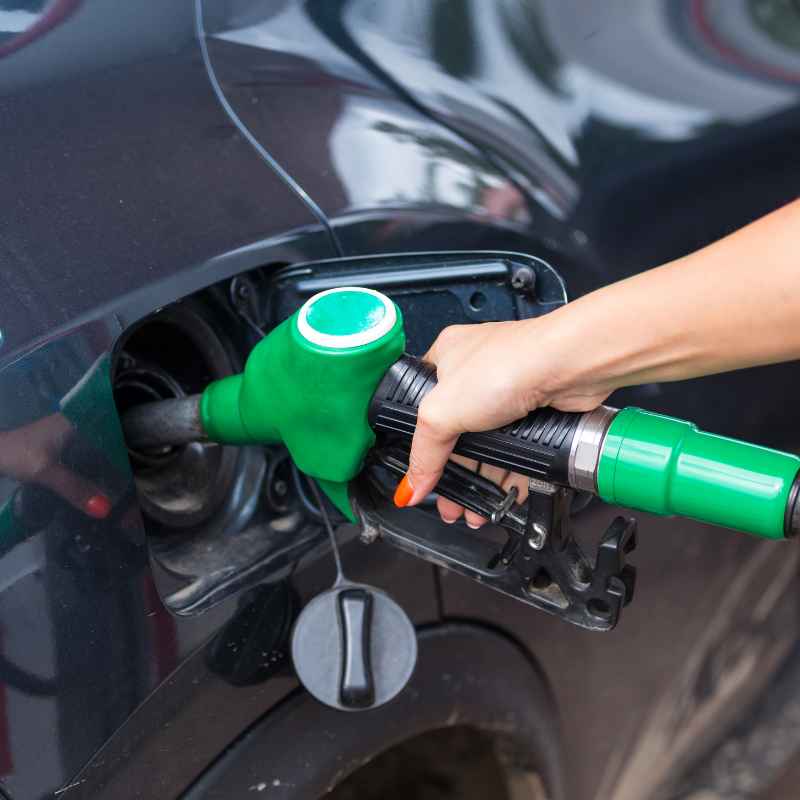
Petrol cars, also known as gasoline-powered vehicles or internal combustion engine (ICE) cars, have been the dominant form of personal transportation for over a century. They operate by burning a mixture of gasoline and air inside cylinders, creating small explosions that drive pistons. This mechanical energy is then transferred through a drivetrain to turn the wheels, propelling the vehicle.
The process is complex, involving many moving parts like pistons, crankshafts, valves, and a transmission to manage power delivery.
The widespread availability of petrol stations and the established infrastructure for manufacturing and servicing petrol vehicles have made them incredibly convenient and familiar to consumers. Their initial purchase price has historically been lower than comparable electric vehicles, making them accessible to a broader market. Furthermore, the perceived range and the quick refueling time of petrol cars have been significant advantages for drivers who frequently travel long distances or don’t have easy access to charging facilities.
While petrol cars have served us well, they come with significant drawbacks. The combustion process releases harmful pollutants, including carbon dioxide (a greenhouse gas), nitrogen oxides, and particulate matter, all of which contribute to air pollution and climate change. The fluctuating price of gasoline can also lead to unpredictable running costs.
Despite these issues, petrol cars remain a popular choice due to their established ecosystem and the perceived limitations of current EV technology for some consumers.
| Component | Electric Car | Petrol Car |
|---|---|---|
| Power Source | Electricity stored in battery | Gasoline combustion |
| Emissions (Tailpipe) | Zero | Harmful pollutants (CO2, NOx, etc.) |
| Key Components | Battery, Motor, Inverter | Engine, Transmission, Fuel System |
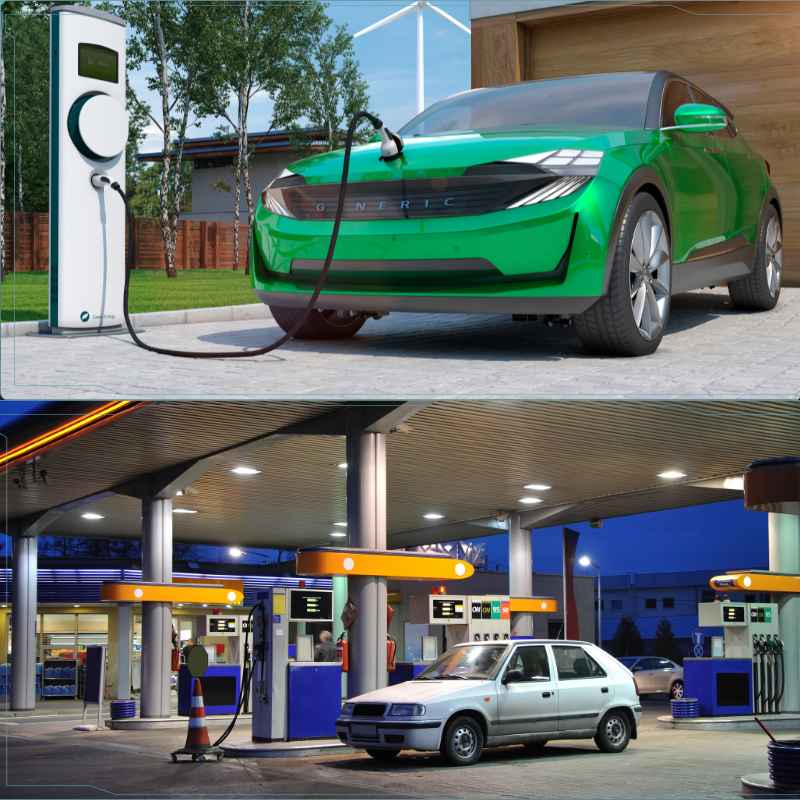
| Refueling/Recharging | Charging at home or public stations | Filling up at a gas station |
- Familiar Technology: Decades of development and widespread understanding.
- Extensive Refueling Network: Gas stations are ubiquitous.
- Quick Refueling: Typically takes only a few minutes to fill the tank.
- Wide Variety of Models: A vast selection of makes, models, and price points.
- Established Repair Network: Mechanics are readily available for servicing.
Understanding Running Costs: Electricity vs. Petrol
One of the most significant advantages of electric cars is their lower running cost per mile. Electricity is generally cheaper than gasoline, and the price difference becomes even more pronounced when you consider the energy efficiency of electric motors compared to internal combustion engines. For example, many EVs can achieve the equivalent of over 100 miles per gallon (MPGe), whereas most petrol cars struggle to reach 30 MPG.
This efficiency translates directly into savings at the “pump” or, more accurately, at the charging point.
The cost of charging an EV varies depending on local electricity rates, time-of-use pricing, and whether you’re charging at home or at a public station. Home charging, especially overnight when electricity rates are often lower, is the most economical option, though it will still raise your monthly electric bill by a predictable amount. Public fast chargers can be more expensive but offer a quicker charge for drivers on the go.
In contrast, petrol prices fluctuate significantly based on global markets, geopolitical events, and seasonal demand, making it harder to predict monthly fuel expenses for petrol car owners.
Beyond fuel, maintenance costs are another area where electric cars typically shine. EVs have far fewer moving parts than petrol cars. There’s no engine oil to change, no spark plugs to replace, no exhaust system to maintain, and no complex transmission fluids to manage.
The primary components requiring occasional attention are tires, brakes (which wear down slower due to regenerative braking), and cabin air filters. This reduction in complexity often leads to fewer service visits and lower overall maintenance bills over the life of the vehicle.
| Expense Category | Electric Car (Estimated) | Petrol Car (Estimated) |
|---|---|---|
| Fuel Cost Per Mile (USD) | $0.03 – $0.07 (varies by electricity rate) | $0.10 – $0.20 (varies by MPG and gas price) |
| Routine Maintenance (Annual) | $100 – $300 | $300 – $600+ |
| Major Repairs (Over 5 years) | Battery replacement (rare, often covered by warranty) | Engine, transmission, exhaust issues common |
This table highlights the potential savings in running costs for electric vehicles over time, especially concerning fuel and maintenance.
Environmental Impact: A Closer Look
When discussing electric cars versus petrol cars, the environmental impact is a critical factor. Electric vehicles produce zero tailpipe emissions, meaning they don’t directly release pollutants into the atmosphere while driving. This is a significant advantage for improving air quality in densely populated urban areas, reducing smog, and mitigating respiratory health issues.
The reduction in particulate matter and nitrogen oxides is a direct benefit to public health.
However, the environmental footprint of an EV is not entirely zero; it depends heavily on how the electricity used to charge it is generated. If the electricity comes from renewable sources like solar, wind, or hydroelectric power, the overall lifecycle emissions of an EV are very low. If the electricity is generated from fossil fuels, then the EV still contributes indirectly to greenhouse gas emissions.
Despite this, studies consistently show that even when charged with a typical grid mix (which includes fossil fuels), EVs have a lower carbon footprint over their lifetime compared to equivalent petrol cars. For instance, a 2020 report by the International Council on Clean Transportation found that EVs emit 39% less greenhouse gas emissions on average than comparable gasoline cars over their lifecycle.
Petrol cars, by contrast, are a direct source of greenhouse gases and other pollutants. The burning of gasoline releases carbon dioxide (CO2), a primary driver of climate change, as well as other harmful substances like carbon monoxide, nitrogen oxides, and unburned hydrocarbons. The extraction, refining, and transportation of gasoline also carry their own environmental costs, including potential oil spills and habitat disruption.
Therefore, from a global warming and air pollution perspective, electric cars generally offer a much cleaner alternative, especially as electricity grids become greener.
- Lifecycle Emissions: EVs generally produce fewer lifecycle greenhouse gas emissions than petrol cars.
- Air Quality Improvement: Zero tailpipe emissions directly reduce local air pollution.
- Grid Dependency: Environmental benefit increases significantly with renewable energy sources for charging.
- Resource Extraction: Both vehicle types have impacts from raw material extraction (e.g., minerals for batteries, oil for petrol).
- End-of-Life: Battery recycling for EVs is an evolving area, with increasing efforts for sustainability.
Range and Charging: Key Considerations
Range anxiety, the fear of an electric vehicle running out of charge before reaching its destination or a charging station, remains a concern for many potential EV buyers. However, modern electric cars offer significantly improved ranges compared to earlier models. Many new EVs can travel between 250 to 350 miles on a single charge, and some premium models exceed 400 miles. If you are shopping at the premium end of the market, see how two flagship electric SUVs compare in our BMW iX vs Mercedes EQS SUV breakdown of price, range, and power.
This range is more than sufficient for the vast majority of daily commutes and even many longer road trips, especially when combined with strategic charging stops.
The charging infrastructure is also rapidly expanding. Public charging stations are becoming more common in cities, shopping centers, workplaces, and along major highways. There are different types of charging: Level 1 (standard household outlet, very slow), Level 2 (faster home or public charging, commonly installed in garages or public lots), and DC Fast Charging (very rapid charging, found at dedicated stations, can add significant range in 20-30 minutes).
The availability of fast chargers is crucial for making long-distance travel more practical and reducing the time spent waiting to recharge.
For petrol cars, refueling is a quick and straightforward process. Gas stations are widely available, and filling a tank typically takes less than five minutes. This convenience is a major draw for many drivers, especially those who frequently undertake spontaneous long journeys or live in areas with limited charging infrastructure.
The readily available and rapid refueling of petrol cars makes them highly practical for immediate, extensive travel without extensive planning.
| Aspect | Electric Car | Petrol Car |
|---|---|---|
| Average Range | 250-350+ miles | 300-500+ miles |
| Refueling/Recharging Time | Level 2: 4-10 hours; DC Fast: 20-40 mins (for ~80%) | Approx. 5 minutes |
| Infrastructure Availability | Growing, but still less ubiquitous than gas stations | Extensive and well-established |
The charging infrastructure for EVs is rapidly evolving, making longer trips increasingly feasible with careful planning.
Warning: Ensure you understand the charging speeds and availability in your typical travel areas. Home charging is the most convenient and cost-effective for EV owners.
Purchase Price and Incentives
Historically, the initial purchase price of electric cars has been higher than that of comparable petrol vehicles. This is largely due to the cost of battery technology. However, this gap is narrowing as battery production scales up and becomes more efficient, and as manufacturers introduce more affordable EV models.
Governments worldwide are also playing a role in bridging this gap through various incentives.
These incentives can take the form of federal tax credits, state rebates, or local grants, significantly reducing the effective cost of buying an EV. For instance, in the United States, federal tax credits can offset thousands of dollars from the purchase price of eligible electric vehicles. Similar programs exist in the European Union, the UK, Canada, and other regions, making EVs more financially accessible.
It’s crucial to research the specific incentives available in your location when considering an EV purchase.
Petrol cars, on the other hand, generally have a lower upfront cost for a similar vehicle class. This lower entry barrier makes them an attractive option for budget-conscious buyers. However, it’s important to consider the total cost of ownership, which includes fuel, maintenance, and potential resale value, when comparing the long-term financial implications of owning an electric versus a petrol car.
| Factor | Electric Car | Petrol Car |
|---|---|---|
| Typical Initial Purchase Price | Higher (before incentives) | Lower |
| Government Incentives | Common (tax credits, rebates) | Rare, except for specific low-emission models |
| Total Cost of Ownership (TCO) | Potentially lower over vehicle lifetime | Potentially higher due to fuel and maintenance |
While EVs may have a higher sticker price, incentives and lower running costs can make them more economical long-term.
Important: Always check for the latest government incentives and manufacturer rebates, as these can change frequently and significantly impact the final price of an electric vehicle.
Performance and Driving Experience
Electric cars offer a distinct driving experience that many find superior to petrol cars. The most noticeable difference is the instant torque provided by the electric motor. This means that when you press the accelerator, the car responds immediately with strong acceleration, providing a thrilling and responsive feel.
This characteristic is particularly noticeable at lower speeds and for quick overtakes. Furthermore, EVs are remarkably quiet; the absence of an engine roar contributes to a serene cabin environment, reducing driver fatigue on long journeys.
The smooth, linear power delivery and the low center of gravity (due to the heavy battery pack mounted beneath the floor) contribute to excellent handling. Many drivers report a more planted and stable feel when cornering in an EV. The braking system in EVs also incorporates regenerative braking, which uses the motor to slow the car down while simultaneously recharging the battery.
This not only improves efficiency but also reduces wear on the traditional friction brakes, leading to longer brake life and lower maintenance costs.
Petrol cars, while offering a wide range of performance characteristics, generally require the engine to reach a certain RPM range to deliver peak power and torque. The sound and vibration of the engine are integral to the driving experience for many enthusiasts. Modern petrol engines are becoming increasingly refined, but they cannot match the silent, immediate acceleration of an electric motor.
The transmission also plays a role, with traditional gear shifts providing a different sensation of power delivery compared to the seamless acceleration of an EV.
- Instant Acceleration: Electric motors provide immediate torque for quick starts and overtakes.
- Quiet Operation: A serene cabin experience with minimal noise and vibration.
- Smooth Power Delivery: Linear acceleration without gear shifts.
- Low Center of Gravity: Enhances handling stability and responsiveness.
- Regenerative Braking: Improves efficiency and reduces brake wear.
Maintenance and Longevity
When comparing the longevity and maintenance requirements of electric cars versus petrol cars, EVs generally come out ahead. As previously mentioned, EVs have significantly fewer moving parts. An internal combustion engine has hundreds of moving parts, including pistons, valves, camshafts, and a complex exhaust system, all of which require regular maintenance and are prone to wear and tear.
An electric motor, on the other hand, is much simpler, often consisting of just a rotor and a stator.
The most significant component in an EV that may require eventual attention is the battery pack. However, modern EV battery technology is robust and designed for longevity. Most manufacturers offer warranties of 8 years or 100,000 miles (or more) on their battery packs, covering degradation beyond a certain percentage.
Battery degradation is a gradual process, and even after the warranty period, many batteries retain a substantial portion of their original capacity, making them usable for many more years. According to a study by Extended Auto, the average EV battery can last for over 200,000 miles.
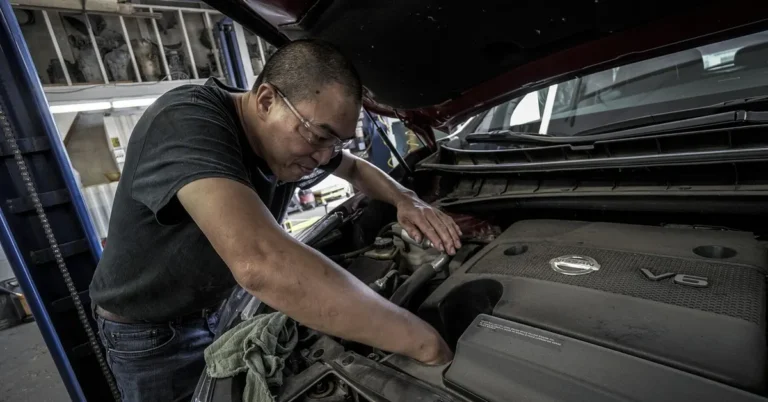
Petrol cars require regular oil changes, filter replacements, spark plug changes, and checks of the cooling and exhaust systems. These ongoing maintenance tasks are essential to keep the engine running efficiently and prevent costly breakdowns. Over time, the accumulation of wear and tear on engine components can lead to more significant and expensive repairs, such as transmission issues or engine rebuilds.
Therefore, while both vehicle types require some level of care, the simplicity of EVs often translates to lower long-term maintenance costs and potentially longer overall lifespans with proper care.
| Maintenance Task | Electric Car | Petrol Car |
|---|---|---|
| Engine Oil Changes | N/A | Every 5,000-10,000 miles |
| Air Filters | Cabin air filter only (yearly) | Engine air filter & cabin air filter (regularly) |
| Brake Maintenance | Less frequent due to regenerative braking | Regular inspection and replacement of pads/rotors |
| Exhaust System | N/A | Prone to rust and damage, requires eventual replacement |
The simplified mechanical nature of electric cars translates to reduced maintenance needs and potentially longer service life.
Frequently Asked Questions
What is the average lifespan of an electric car battery?
The average lifespan of an electric car battery is typically between 10 to 20 years, or around 150,000 to 200,000 miles. Most manufacturers provide long warranties to cover potential issues, ensuring peace of mind for early ownership.
Can I charge an electric car at home?
Yes, home charging is one of the most convenient and cost-effective ways to own an electric car. You can install a Level 2 charger in your garage, which allows for faster charging overnight, ensuring your car is ready for the day’s commute.
How does the performance of an electric car compare to a petrol car?
Electric cars offer instant torque and rapid acceleration, providing a very responsive driving experience. Petrol cars typically require the engine to reach higher RPMs for peak performance, and their acceleration is often less immediate.
What happens to electric car batteries at the end of their life?
At the end of their useful life in a vehicle, EV batteries can often be repurposed for energy storage solutions. Recycling processes are also becoming more advanced and widespread, allowing valuable materials to be recovered and reused.
Are electric cars more expensive to insure than petrol cars?
Insurance costs can vary significantly based on the specific model, your driving record, and your location. While some electric cars may have higher insurance premiums due to their technology and repair costs, this is not a universal rule and is often comparable to similar petrol models.
Final Thoughts
Ultimately, the choice between an electric car and a petrol car depends on your individual needs and priorities. Electric cars are rapidly becoming more practical and appealing, offering lower running costs, a reduced environmental footprint, and an engaging driving experience. Petrol cars still hold advantages in terms of initial affordability and refueling convenience for some. If you want the full breakdown of what an EV actually costs to own now that the federal tax credit is gone, see our guide on whether an electric car is worth it in 2026.
As technology advances and infrastructure expands, electric vehicles are poised to become the dominant choice for many drivers.
Products related to this article
Sponsored / affiliate links. As an Amazon Associate I earn from qualifying purchases. I may earn additional commission from eligible campaigns.
 RVS Technology G6 Engine oil Treatment; For Gasoline Engines with a Motor oil capacity up to 6 quarts; Save fuel, Boost Power and Safely Restore and protect your Car, Truck, and all other engines
 EVIL ENERGY 14" × 3" Round Cleaner Air Filter Element Washable Red, Compatible with Chevy Ford GMC Buick Pontiac, Easy Installation, Wash 3,000 Miles, High Flow, Dual-layer Nonwoven