Car Gaskets Explained: Types, Signs of Failure and Cost
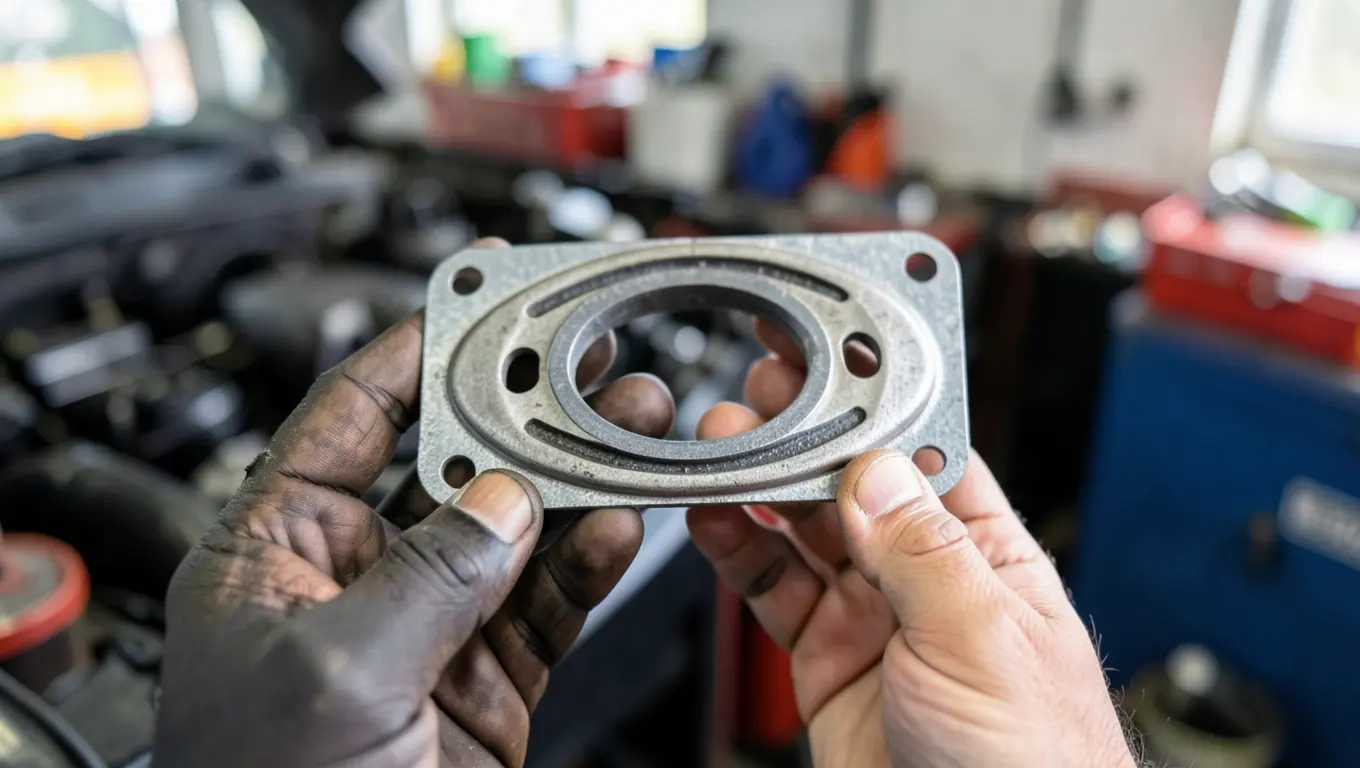
A car gasket is a thin seal, usually made of rubber, cork, paper, metal, or silicone, that sits between two mating engine or drivetrain parts to keep oil, coolant, fuel vapor, or combustion pressure from escaping.
The stakes vary a lot depending on which gasket fails. A leaking valve cover gasket might run $100 to $300 to fix. A blown head gasket is a different problem entirely: repair typically costs $1,000 to $4,000 or more, and RepairPal puts the nationwide average closer to $2,475 to $3,246, because the job means pulling the cylinder head apart. Keep driving on a blown head gasket and you risk warping the head or wrecking the engine within just a few miles.
This guide covers the main types of car gaskets and what each one actually seals, the materials they are made from, the warning signs of a failing gasket, what replacement really costs by job, and how to choose the right one if you are doing the repair yourself.
What Does a Car Gasket Actually Do?
No two metal surfaces are perfectly flat, even after machining. A cylinder head and an engine block, or an oil pan and the bottom of the block, both have microscopic high and low spots. A gasket is a compressible layer that fills those gaps when the bolts are torqued down, creating a seal that liquid, gas, and pressure cannot pass through.
The head gasket has the toughest job of any gasket in the car. It sits between the engine block and the cylinder head and has to seal three completely different things at once, and in the same small area, combustion pressure that can spike past 1,000 psi, engine oil under pump pressure, and coolant flowing through the block and head passages. That is why a head gasket failure tends to cause more than one symptom at a time, such as overheating combined with white exhaust smoke.
DIY GASKET SEALANT PICK
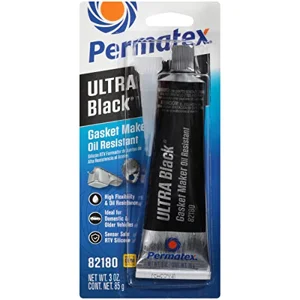 |
Permatex 82180 Ultra Black RTV Silicone Gasket Maker – $7.56 This is the form-in-place RTV silicone this guide covers below for valve cover, oil pan, and thermostat housing jobs where a die-cut gasket is not available or has failed.
|
The Most Common Types of Car Gaskets
Most of the gaskets in a modern engine fall into a handful of categories, each doing a different job in a different location. Knowing which one is leaking helps you estimate the repair before a shop even looks at the car.
| Gasket | Location | What It Seals | Typical Warning Sign |
|---|---|---|---|
| Head gasket | Between the engine block and cylinder head | Combustion pressure, coolant, oil | White exhaust smoke, milky oil, chronic overheating |
| Valve cover gasket | Under the valve cover, on top of the head | Engine oil | Oil smell or light smoke off the top of the engine, drips near the spark plugs |
| Oil pan gasket | Between the oil pan and the block | Engine oil | Oil spots under the car, slowly dropping oil level |
| Intake manifold gasket | Between the intake manifold and the head | Air/fuel mixture, and coolant on some engines | Rough idle, a hissing vacuum leak sound, a check engine light |
| Exhaust manifold gasket | Between the exhaust manifold and the head | Hot exhaust gas | Ticking or hissing noise that is loudest on a cold start |
| Water pump gasket | Between the water pump and the block | Coolant | Coolant puddle near the front of the engine, overheating |
| Thermostat housing gasket | Around the thermostat housing | Coolant | Coolant leak near the upper radiator hose, a fluctuating temperature gauge |
What Are Car Gaskets Made Of?
The material has to match both the temperature and pressure it will see and the surface it is sealing. Using the wrong material, or a generic sealant in place of an engineered gasket, is one of the most common causes of a repeat leak.
- Multi-layer steel (MLS): the standard for modern head gaskets. Several thin stainless steel layers with an elastomer coating handle high combustion pressure and heat cycling far better than older materials.
- Composite or graphite: used on older head gaskets and still common on some budget replacement parts. Layered fiber and graphite material that works fine at stock power levels but holds up less well to high compression or forced induction.
- Cork: flexible and cheap, once common on valve covers and oil pans on older and classic cars. Cork shrinks and hardens with age, which is why older cars develop chronic small leaks.
- Rubber or silicone-coated: the modern replacement for cork on valve covers and oil pans. More resistant to heat and oil, and often reusable if it has not taken a permanent set.
- RTV silicone (form-in-place): a liquid gasket maker, such as Permatex Ultra Black, applied as a bead and left to cure into a flexible rubber seal. Used where no die-cut gasket exists, or sometimes in addition to one.
- Copper: found on some exhaust joints and older cylinder heads. Copper crush-seals under torque and can sometimes be reused if it is not badly deformed.
Signs of a Failing Car Gasket
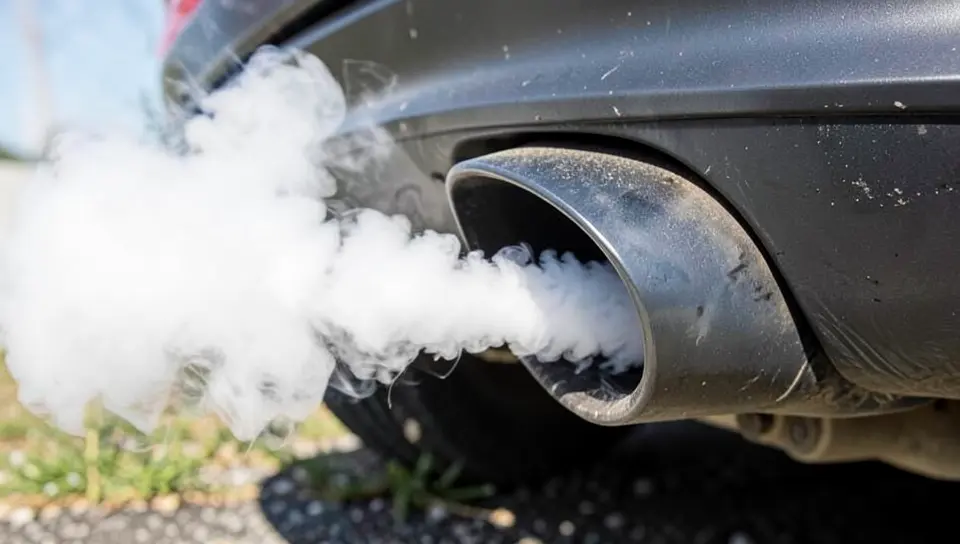
Symptoms depend on which gasket is failing, but a few signs specifically point toward the head gasket, which is the most expensive one to ignore.
- White or sweet-smelling smoke from the exhaust, usually coolant burning inside the cylinder
- Milky, frothy oil on the dipstick or under the oil filler cap, which means coolant is mixing with the oil
- The engine overheating for no other obvious reason, such as a bad fan or low coolant
- Bubbles rising in the radiator or coolant reservoir while the engine is running
- Visible oil or coolant spots left under the car after it has been parked
- A rough idle or a hissing sound, which usually points to an intake gasket vacuum leak
- Coolant level dropping with no visible external puddle, which can mean it is being burned internally
How Much Does It Cost to Replace a Car Gasket?
Cost depends entirely on which gasket needs replacing and how much has to come apart to reach it. A valve cover gasket sits right on top of the engine and is a quick job; a head gasket means removing the timing components and the cylinder head itself.
| Gasket | Typical Parts + Labor Cost |
|---|---|
| Valve cover gasket | $100 – $300 |
| Oil pan gasket | $150 – $450 |
| Intake manifold gasket | $200 – $600 |
| Water pump gasket (usually replaced with the pump) | $300 – $750 |
| Head gasket | $1,000 – $4,000+ (national average $2,475 – $3,246 per RepairPal) |
On a head gasket job specifically, the gasket itself is usually only $50 to $150. Most of the bill is 8 to 20-plus hours of shop labor at $85 to $150 an hour, plus a possible $200 to $500 machine shop fee to resurface the cylinder head if it has warped from overheating.
Can You Replace a Car Gasket Yourself?
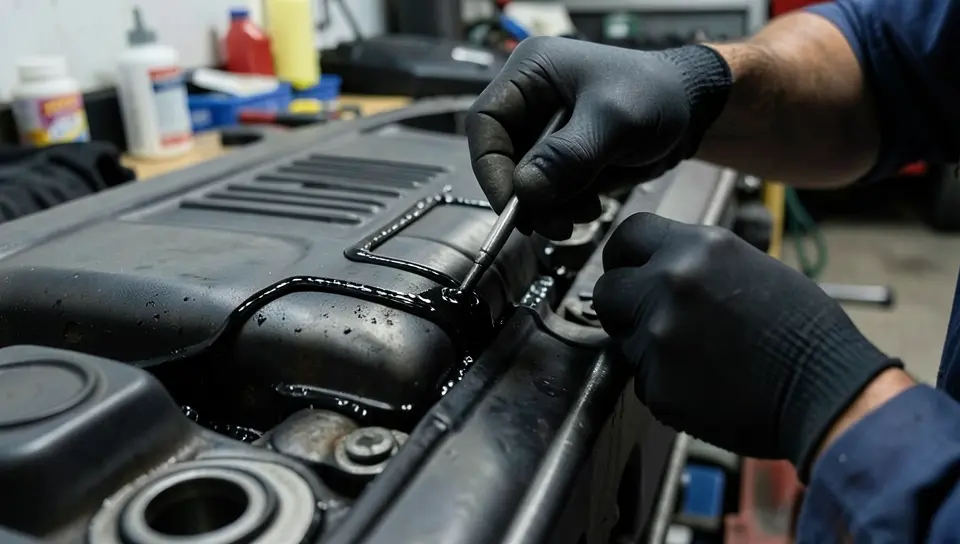
It depends entirely on which gasket. A valve cover, oil pan, or thermostat housing gasket is a reasonable weekend job for someone comfortable with basic hand tools, a torque wrench, and following the correct tightening sequence and torque spec for that engine. An RTV silicone gasket maker, applied as a bead in place of a die-cut gasket, is a common and legitimate DIY option on these lower-pressure jobs.
A head gasket is a different level of job and most shops would not recommend it as a first DIY repair. It usually means removing timing belt or chain components and putting them back in exact time, checking the head for warping, and tightening head bolts in a specific star pattern across multiple stages to the correct torque, often followed by an additional angle-torque step. Many modern head bolts are torque-to-yield, meaning they stretch slightly when tightened and are designed to be replaced, not reused, once removed. Get any of this wrong and the result is often a comeback leak or a warped head.
How to Choose the Right Gasket for Your Car
- Match it to your exact engine, not just the car model. The same model year can ship with more than one engine option, so confirm the part fits your specific engine code, not just the make and model.
- Decide between OEM and quality aftermarket. An OEM gasket guarantees an exact fit. A well-known aftermarket brand such as Fel-Pro, Victor Reinz, or MAHLE often uses equal or better material at a lower price; a no-name gasket is where quality problems tend to show up.
- Match the material to the job. Use an MLS gasket for a modern head, and do not substitute a generic RTV bead for a die-cut composite or MLS head gasket, since RTV alone cannot handle combustion pressure.
- Buy a full gasket set for a major teardown. A head gasket job usually disturbs the valve cover, intake, and sometimes the exhaust manifold gaskets at the same time, so a set avoids a second teardown later to fix a leak you created elsewhere.
- Check the thickness and compression spec. On some engines, an over- or under-thickness head gasket can change the compression ratio, which affects both performance and the risk of engine knock.
- Buy from a seller with a clear return policy. Gasket fitment mistakes happen even with the right part number; being able to return or exchange it matters.
Frequently Asked Questions
What Is a Car Gasket?
A car gasket is a seal, usually made of metal, rubber, cork, or silicone, that sits between two mating parts on an engine or drivetrain. When the parts are bolted together, the gasket compresses into any tiny surface imperfections and blocks oil, coolant, fuel vapor, or combustion pressure from escaping between them.
How Long Do Car Gaskets Last?
Most car gaskets are designed to last the life of the engine and do not have a fixed mileage replacement interval. A head gasket, for example, can easily go 150,000 to 200,000 or more miles if the engine never overheats. Gaskets typically fail early because of overheating, age-related hardening and shrinking, a bad installation, or a warped mating surface, not simply from mileage alone.
What Are the Signs of a Blown Head Gasket?
The classic signs are white or sweet-smelling smoke from the tailpipe, milky or frothy oil on the dipstick, chronic overheating, bubbles in the radiator or coolant reservoir with the engine running, and unexplained coolant loss with no visible puddle underneath the car.
Can I Still Drive My Car With a Blown Head Gasket?
You should not. A blown head gasket lets coolant and combustion gases mix, which can overheat the engine and warp the cylinder head within just a few miles of driving. If you suspect a blown head gasket, have the car towed rather than driven to a shop.
How Much Does It Cost to Replace a Head Gasket?
Nationwide, RepairPal puts the average head gasket replacement between $2,475 and $3,246, though the full range runs from about $1,000 on simpler engines to $4,000 or more on complex or luxury engines. The gasket itself is usually only $50 to $150; most of the cost is the 8 to 20-plus hours of labor needed to remove and reinstall the cylinder head.
Is RTV Silicone the Same Thing as a Gasket?
Not exactly. RTV, or room-temperature vulcanizing, silicone, sold as products like Permatex Ultra Black, is a liquid form-in-place gasket maker. It cures into a flexible rubber seal and works well on flat, low-vibration mating surfaces such as valve covers, oil pans, and thermostat housings, but it is not a substitute for a die-cut composite or multi-layer steel head gasket.
Conclusion
A car gasket is a small part with an outsized job: keep oil, coolant, and combustion pressure exactly where they belong. Most gaskets, like the ones under a valve cover or oil pan, are inexpensive and manageable as a DIY repair with an RTV silicone gasket maker or the correct die-cut replacement. The head gasket is the one that deserves the most attention, both because it is expensive to replace and because driving on a failed one can turn a $2,500 repair into a full engine replacement. Catching the early signs, white smoke, milky oil, or unexplained overheating, and acting on them quickly is what actually saves money here.
Products related to this article
Sponsored / affiliate links. As an Amazon Associate I earn from qualifying purchases. I may earn additional commission from eligible campaigns.