Best Reverse Sensors for Parking (2026): We Compared
The core trade-off is simple: one setup gives you distance-first alerts with less wiring, while the other adds a rear image that helps you judge what the sensors are actually seeing. If you park by feel, the buzzer kit is enough. If you need visual confirmation near curbs, trailers, or people behind the car, the camera-plus-sensor system is the better fit.
The best car reverse sensors for most buyers are either a buzzer-first rear sensor kit for simple parking help or a camera-plus-sensor kit if you want visual confirmation. Pick the buzzer kit for tight budgets, and the camera combo for crowded lots or larger vehicles. Bad parking tech can leave you scraping bumpers, missing low posts, or paying for avoidable repair work. This guide compares those two setups by vehicle type, parking space, and install effort.
Quick comparison
| Product | Badge | Best for | Price | ||
|---|---|---|---|---|---|
 |
Car Parking sensors,4 Reverse Backup Parking sensors kitAiuphing | Our pick | 4 sensors · LED display · buzzer | $13.90
Price as of 21 Oct 2026
|
View |
 |
ELSNU Car Parking Sensors Kit Reverse Radar parktronicELSNU | Also great | $47.00
Price as of 21 Oct 2026
|
View | |
 |
2-in-1 Car Reverse Camera with Video Parking Radar Sensor –TitanAuto | Also great | 2-in-1 camera · radar · waterproof | $18.90
Price as of 21 Oct 2026
|
View |
 |
Promata PS02 Car Rear Parking Sensor Kit with Buzzer,4Promata | Also great | $61.75
Price as of 21 Oct 2026
|
View |
How we chose
These two picks were chosen because they solve different problems, not because they pad a feature list. The comparison favors rear coverage, alert clarity, fit on plastic or metal bumpers, install burden, and likely failure modes in real parking spaces.
We also looked at practical ownership costs. That includes drilling, reverse-activation wiring, trim removal, and the chance that a tow bar, low curb, trailer tongue, or tall grass will trigger annoying alerts.
Finally, the setup had to make sense for common driver types: sedan, SUV, truck, garage parking, city parking, and older work vehicles.
Aiuphing 4-sensor kit: best for simple rear alerts
- Auto-detects obstacles and activates only when reversing
- Includes 2.5m sensor wire for standard installation
- Affordable entry-level option for basic reverse assistance
This is the cleaner choice if you want rear-only coverage and a simple warning pattern. The 4-sensor layout, LED display, and buzzer setup give you distance-based help without asking you to study a screen while backing out of a driveway or into a tight space.
It suits drivers who want basic parking guidance on a budget. The kit also lists a 2.5m sensor wire, and the sensors are described as suitable for standard installation on cars, vans, and SUVs with plastic bumpers.
The honest drawback is that this type of kit does not give visual confirmation. It can also be less helpful around tow bars, low curbs, or uneven surfaces, where the audible pattern may be telling you something is close without showing exactly what it is.
What the 4-sensor layout covers
A rear-only ultrasonic parking sensor kit is built around four sensors across the bumper. That gives you a wide enough spread for most passenger vehicles, and it is the right fit when the main goal is to warn you about objects behind the car rather than show the whole rear scene.
In practice, a 4-sensor rear parking kit is usually best when you want progressive alert behavior. The beeps or display steps get more urgent as the obstacle closes in, which is more useful than a single on/off warning.
How audible alerts and display options work
This type of system leans on audible alerts first. Some kits add a small distance display, while others are buzzer-only. The useful part is not the screen itself; it is the fact that the warning changes with distance instead of sounding the same for every obstacle.
Parking Distance Control, or PDC, works on that same principle: audible obstacle warnings that change by distance. In better systems, those warnings can be paired with a rear camera, but the basic ultrasonic version is still the simpler, cheaper path.
Where false alerts show up
False alerts are the main reason to keep expectations realistic. Tow bars can sit in the sensor path. Low curbs may be picked up late or inconsistently. Snow, rain, tall grass, and rough pavement can also make the system complain when there is no clear obstacle.
Suppose your sedan backs into a narrow garage and the sensor starts beeping early because of a wall corner and a storage bin. That is useful if you only need a warning, but it is not the same as seeing the actual space behind the bumper.
Install fit on plastic bumpers
A 4-sensor rear parking kit is generally the better fit for plastic bumpers because drill-in mounting is more straightforward there. The bumper material matters. Plastic is more forgiving, while metal often needs different housings or a different mounting shape.
Installation still takes time. You need to drill, route wiring through the rear bodywork, and connect the reverse trigger so the kit only wakes up in reverse. Hidden trim work is where many DIY installs stop being “cheap.”
TitanAuto camera-plus-sensor system: best for rear view plus alerts
- Combines backup camera and parking radar in one device
- High-resolution wide-angle lens for clear detailed views
- Waterproof and shockproof metal housing for durability
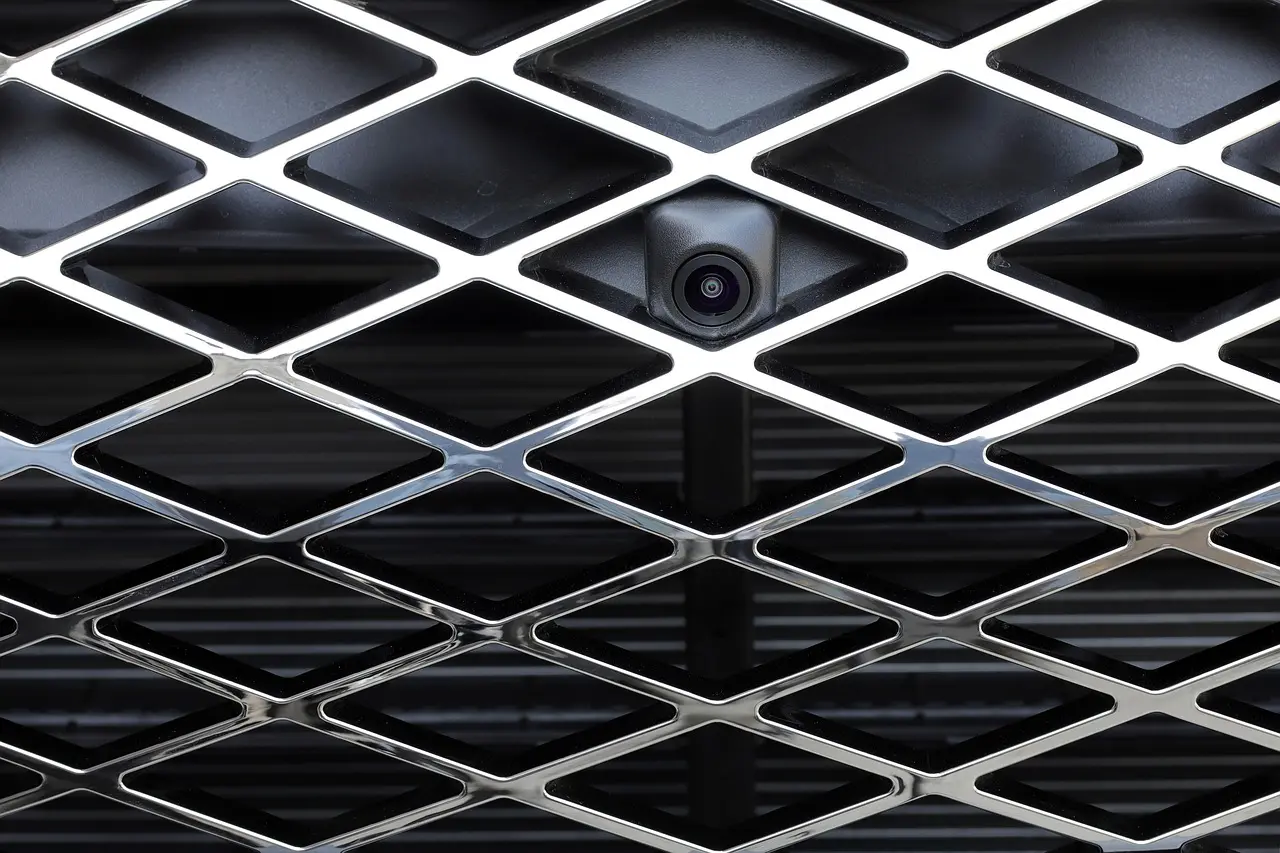
This is the stronger choice when you want to see what is behind the car as well as hear about it. The camera-plus-sensor layout adds wide-angle rearward coverage to the warning tones, which helps when you are backing near curbs, small posts, children’s bikes, or trailer hardware.
It is a better fit for drivers who want fuller rearward awareness, not just distance beeps. The waterproof housing is a useful extra, but the main reason to buy this style is the combination of visual confirmation and sensor alerts.
The drawback is installation complexity. Reverse-activation wiring, monitor placement, and cable routing add work, and the extra display can clutter the dash if you have limited cabin space.
Why the 170-degree lens matters
A 170-degree rear camera lens gives you a wider field of view, which helps reduce blind spots directly behind the vehicle. That matters when a sensor can detect closeness but cannot tell you whether the obstacle is a wall, a post, or a low object sitting off-center.
That wider scene coverage also helps at night, when the camera view can reveal shapes the sensors only describe as “close.” On a busy street, that difference can matter more than another layer of warning noise.
What a 7-inch monitor adds and costs
One competitor recommends a 1080p backup camera with integrated Parking Distance Control and a 7-inch monitor. That size is easier to read at a glance than a tiny display, but it also takes more dash space and can be harder to place cleanly in smaller cabins.
Other pages in the same category list a 5-inch LCD screen and even a 3-inch LCD screen, while one camera is listed at 720p. Those numbers show the spread in this market: some systems prioritize screen size, while others keep the display small and basic.
Reverse-activation wiring basics
Reverse-activation wiring is what tells the system when to wake up. The camera and sensor setup should come on when the vehicle shifts into reverse, not stay live all the time. That usually means routing power and signal lines carefully through the rear of the vehicle and into the cabin monitor.
Many 12V vehicles can support this kind of setup, but the hidden cost is labor. If you need trim removal or long cable runs, the install bill can climb faster than the parts price suggests.
When the added wiring is worth it
If you back into crowded lots, park beside pillars, or often reverse near people, the extra wiring is usually worth the trouble. The screen gives you context that a buzzer cannot. That is especially useful in SUVs and trucks, where the rear view can feel blocked even before the sensors start beeping.
Picture a pickup reversing toward a trailer hitch in a dim driveway. The sensors may warn you that something is near, but the monitor lets you see whether it is the hitch, the trailer tongue, or a low object sitting just off center.
Which one should you buy?
Choose the ultrasonic kit if you want the simplest rear alert system, the lowest upfront spend, and the least dash clutter. Choose the camera-plus-sensor system if you want visual confirmation, better awareness around low obstacles, or more confidence in tighter and busier parking spaces.
Budget should matter, but so should the kind of mistakes you are trying to avoid. If you mainly want a beep that gets faster as you approach a wall, go ultrasonic. If you want to see the wall, curb, or trailer behind you, pay for the camera combo.
If your vehicle has a metal bumper, older bodywork, or a work-truck setup, a dedicated metal-bumper kit is often the better physical fit than a standard plastic-bumper sensor package. That fit issue can matter more than extra features on paper.
| Decision factor | Aiuphing 4-sensor kit | TitanAuto camera-plus-sensor system |
|---|---|---|
| Coverage | Rear-only ultrasonic coverage | Rear camera view plus sensor warnings |
| Alert style | Audible buzzer and LED distance display | Visual monitor plus sound alerts |
| Install difficulty | Moderate; drill-in bumper work and reverse wiring | Higher; camera mount, monitor wiring, and reverse trigger routing |
| Likely false-alert risks | Tow bars, low curbs, tall grass, rain, snow | Same risks, though the camera helps you interpret them |
| Hidden ownership costs | Trim removal, wire routing, possible pro install labor | More labor, monitor placement, longer wiring runs, possible pro install labor |
How much do aftermarket parking sensors cost?
Parts prices in this category can be low, but total ownership cost is wider than the kit price. Entry-level sensor kits can be inexpensive, while camera-plus-sensor systems add a monitor, more wiring, and more labor if you pay a shop to install them.
As a practical rule, your total cost usually breaks into three parts: the kit itself, the installation labor, and trim or wiring extras. DIY keeps the first two down, but it can still require drilling and careful reverse-activation wiring.
Reverse sensor decision table
This table gives a simple rule: match the vehicle, parking space, and install tolerance to the setup that causes the fewest headaches. The goal is not the longest feature list. It is the best fit for the way you actually park.
| Vehicle or use case | Parking environment | Install tolerance | Best pick | Coverage | Alert style | Install difficulty | False-alert risk | Hidden ownership costs |
|---|---|---|---|---|---|---|---|---|
| Sedan or compact crossover | Garage-only or tight driveway | Wants a simple weekend project | Aiuphing 4-sensor kit | Rear bumper distance only | Buzzer-first with LED display | Moderate | Medium if the garage has shelves or wall corners | Drilling, reverse trigger wiring, possible trim removal |
| SUV | City parking and crowded lots | Wants visual confirmation | TitanAuto camera-plus-sensor system | Rear scene plus obstacle warnings | Monitor image plus audible alert | Higher | Medium; camera helps interpret curbs and posts | Monitor mounting, cable routing, pro labor if wiring is complex |
| Truck | Trailer tongue, hitch, or worksite backing | Can handle more install work | TitanAuto camera-plus-sensor system | Better rearward context around hitch area | Visual plus sound warning | Higher | Higher near tow hardware, but easier to judge with a screen | Longer wiring runs, reverse-activation setup, dash space for monitor |
| Older work vehicle with metal bumper | Lot backing and jobsite maneuvering | Needs a fit that matches the bumper | Metal-bumper parking sensor kit | Rear bumper distance only | Usually audible alerts, sometimes color-coded display | Moderate to high | Medium around curved steel and weather exposure | Special mounting hardware, sealing, possible labor for a cleaner fit |
| Tight garage and city parking | Frequent low-speed reversing | Low tolerance for bad surprises | TitanAuto camera-plus-sensor system | Wider rearward awareness | Camera view plus warnings | Higher | Lower for interpreting low posts and curb edges | Monitor installation, wiring, and possible shop labor |
Choose Aiuphing if… / Choose TitanAuto if…
Choose the Aiuphing kit if you want the lowest-cost path to rear parking help, you are fine with beep-first guidance, and your vehicle has a plastic bumper that makes drilling and sensor placement straightforward. It also makes sense if you do not want a monitor taking up dash space.
Choose the TitanAuto system if you want to see what is behind the vehicle, you park around curbs or people often, or your vehicle is large enough that audio-only alerts feel too vague. It is also the smarter pick when rearward context matters more than keeping the install simple.
A common first-timer mistake is choosing a reverse sensor kit because it has more alarms and beeps, instead of checking whether it suits the bumper shape and parking setup. A truck with a hitch often needs more visual confirmation. A sedan that only backs into a home garage may never need a monitor at all.
Do parking sensors help with tight garages and city parking?
Yes, but only if you match the system to the space. In a tight garage, ultrasonic sensors help by tightening the warning as you close in on the wall. In city parking, a camera-plus-sensor setup is often better because it shows curbs, poles, and low barriers that beeps can describe only in part.
Can I install reverse parking sensors myself?
Sometimes. A basic rear sensor kit is within reach for a careful DIY owner, but the job still involves drilling, routing wires, and connecting the reverse trigger. A camera-plus-sensor system adds more cable work, monitor placement, and trim removal, so many drivers end up paying for at least part of the install.
What is the difference between ultrasonic sensors and radar sensors?
Ultrasonic sensors use sound waves to judge distance to nearby obstacles, which is why they are common in parking kits and PDC systems. Radar-based systems can behave differently and may cover different zones, but for reverse parking, the practical question is usually whether you want distance beeps or a camera view with them.
Which reverse sensor kit is best for metal bumpers?
A metal-bumper parking sensor kit is the better physical match. It usually uses rubber sensor housings, curved mounting fit, and better weather sealing so the sensors sit properly on steel bumpers common on older trucks and work vehicles. A standard plastic-bumper kit may fit poorly or need more adaptation.
Should I get reverse sensors or a backup camera?
Get reverse sensors if you want a simple warning when the rear bumper nears an obstacle. Get a backup camera if you want to see what the sensor is reacting to, especially near low curbs, trailer hardware, or people behind the vehicle. For many drivers, the camera-plus-sensor setup is the safer long-term choice.
Do reverse sensors work on SUVs and trucks?
Yes, but the fit and usefulness change with vehicle size. SUVs and trucks benefit from stronger rear awareness because blind spots are larger and rear hardware like hitches or trailer tongues can confuse a plain buzzer. A camera-plus-sensor system is often the better match for those vehicles.
Products related to this article
Sponsored / affiliate links. As an Amazon Associate I earn from qualifying purchases. I may earn additional commission from eligible campaigns.