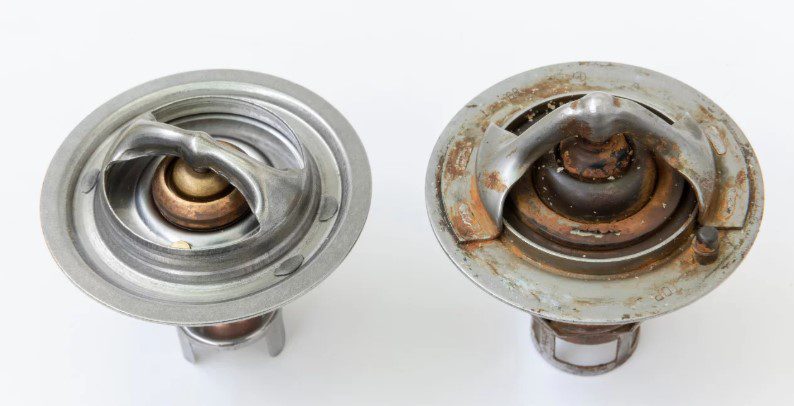
How Do I Know If My Car Thermostat is Bad? Proven Fix.
Can’t figure out why your car’s temperature is acting weird? If your car is overheating or taking too long to warm up, a faulty thermostat is likely the culprit. This simple guide will help you identify the signs of a bad thermostat and offer straightforward solutions to get your car running smoothly again.
It’s a frustrating feeling when your car’s dashboard warning lights start acting up, especially when you’re not sure what they mean. One of the most common issues car owners face is a problem with the engine’s temperature regulation. You might notice your car getting too hot, or conversely, struggling to reach its normal operating temperature. Often, the reason behind these temperature quirks is a small but vital part called the thermostat. But how do you know if it’s actually the thermostat that’s gone bad? Don’t worry! We’ll walk you through the clear signs to look for and offer easy-to-understand solutions to fix it. By the end of this guide, you’ll have the confidence to diagnose this common car problem and get back on the road with peace of mind.
What Exactly is a Car Thermostat?
Think of your car’s thermostat as the unsung hero balancing your engine’s temperature. It’s a small, simple valve that plays a huge role in keeping your engine happy. Its main job is to control the flow of coolant (that bright-colored liquid that keeps your engine cool) between the engine and the radiator. When your engine is cold, the thermostat stays closed, preventing coolant from circulating to the radiator. This helps your engine warm up quickly to its ideal operating temperature. Once the engine reaches that sweet spot, the thermostat opens, allowing coolant to flow to the radiator where it’s cooled down. This continuous cycle ensures your engine doesn’t overheat in the summer or take forever to warm up in the winter. Without a properly working thermostat, your engine can either get too hot or stay too cold, both of which can cause serious damage over time.
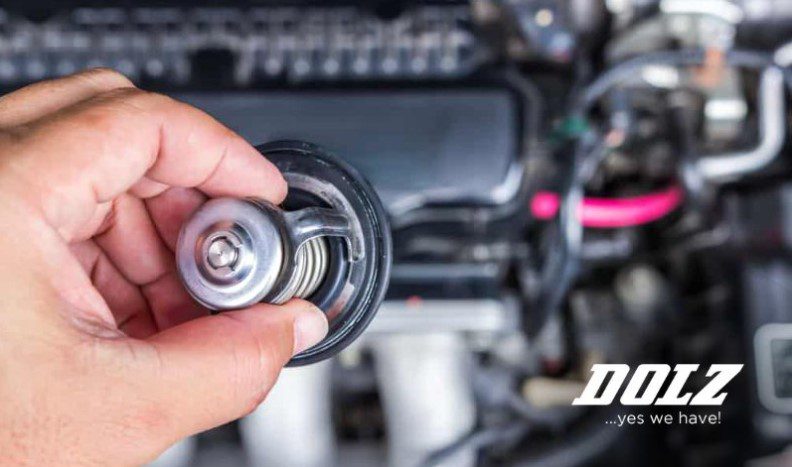
Signs Your Car Thermostat Might Be Bad
Spotting a faulty thermostat is often straightforward once you know what to look for. These symptoms can range from subtle to quite alarming. Pay close attention to how your car behaves, especially during different driving conditions.
1. Engine Overheating
This is perhaps the most common and easily recognizable sign of a bad thermostat. If your temperature gauge consistently creeps into the red zone, or if you see steam coming from under the hood, your thermostat might be stuck in the closed position. This prevents coolant from reaching the radiator, causing the engine to overheat rapidly. Even a partially stuck closed thermostat can lead to overheating, especially on hot days or when driving uphill.
2. Engine Not Reaching Operating Temperature
On the flip side, if your car’s temperature gauge stays stubbornly low, even after a good amount of driving, your thermostat might be stuck open. When the thermostat is stuck open, coolant is constantly circulating through the radiator, even when the engine is cold. This prevents the engine from warming up to its optimal temperature. An engine that runs too cool isn’t efficient; it uses more fuel, produces more emissions, and can experience increased wear and tear on internal components. You might also notice your heater isn’t blowing very hot air when this happens, as the coolant circulating through the heater core isn’t getting hot enough.
3. Inconsistent Temperature Readings
Sometimes, a failing thermostat might not be completely stuck open or closed, but rather erratic. This can cause your temperature gauge to fluctuate wildly. You might see it rise quickly to hot, then drop back down to cool, only to repeat the cycle. This unstable behavior is a strong indicator that the internal mechanism of the thermostat is failing and can no longer regulate coolant flow effectively.
4. Coolant Leaks
While not a direct symptom of the thermostat itself failing to open or close, leaks can be related. The thermostat is housed in a metal or plastic casing, and the seal between this housing and the engine can degrade over time, leading to coolant leaks. You might see puddles of coolant (often green, orange, or pink) under your car, or notice a sweet, syrupy smell from evaporating coolant near the thermostat housing. A leak around the thermostat housing means replacement is needed, which often involves replacing the thermostat itself.
5. Poor Heater Performance
As mentioned earlier, your car’s heater relies on hot coolant circulating through a small radiator inside your dashboard, called the heater core. If your thermostat is stuck open, the coolant never gets hot enough to warm the air being blown into the cabin. You’ll likely notice that your heater blows cool or lukewarm air, even on a chilly day. This is a particularly noticeable sign during the colder months when you depend on your heater.
Here’s a quick way to visualize the common symptoms:
| Symptom | Likely Thermostat Issue | Explanation |
|---|---|---|
| Engine Overheating | Stuck Closed | Coolant can’t reach the radiator to cool down. |
| Engine Stays Cold | Stuck Open | Too much coolant circulates through the radiator, preventing the engine from warming up. |
| Temperature Gauge Fluctuates | Failing/Erratic | Thermostat isn’t consistently regulating coolant flow. |
| Poor Heater Performance | Stuck Open | Not enough hot coolant is reaching the heater core. |
How to Check Your Thermostat (A Beginner’s Guide)
Don’t be intimidated by working on your car! Checking your thermostat is a manageable task for most beginners. The most straightforward way is to observe the temperature gauge and feel the radiator hoses.
- Gather Your Tools: You’ll need heat-resistant gloves, safety glasses, a flashlight, and potentially a wrench or socket set if you plan to remove the thermostat for testing.
- Warm Up Your Engine: Start your car and let it run for about 10-15 minutes, or until it typically reaches its normal operating temperature.
- Check the Temperature Gauge: While the engine is running, keep an eye on your dashboard’s temperature gauge. Does it climb to the normal operating range? Or does it stay very low? Or does it go into the red?
-
Feel the Radiator Hoses:(Be extremely careful, these can be very hot!) Once the engine has reached what should be its normal temperature, put on your heat-resistant gloves. Locate the upper and lower radiator hoses. The upper hose should feel hot, indicating that hot coolant is circulating from the engine. The lower hose should feel cooler, as it’s carrying the cooled coolant back to the engine from the radiator.
- If the upper hose is hot but the lower hose is cold, and your engine is still heating up or showing signs of overheating, the thermostat is likely stuck closed.
- If both hoses feel lukewarm, and the temperature gauge is still low, the thermostat is likely stuck open.
- If the engine overheats and the upper hose is very hot and the lower hose is also hot, this still points to a problem with cooling, potentially a stuck thermostat preventing proper circulation, or another cooling system issue.
- Visually Inspect the Thermostat Housing: Look for any signs of coolant leaks around the thermostat housing, which is usually attached to the engine where the upper radiator hose connects. A leak here often means it’s time for a replacement.
Important Safety Note: Always wear safety glasses and heat-resistant gloves when working around a running engine. Engine components and fluids can be extremely hot.
Testing the Thermostat (Optional but Recommended)
If you suspect your thermostat, you can remove it from the car and test it in a pot of water to see if it opens and closes correctly. Be aware that removing it will release some coolant, so have an appropriate container ready to catch it. You will also need to replace the gasket and potentially the thermostat housing if it’s damaged.
- Drain Some Coolant: To make removal easier and safer, drain a portion of the coolant from your radiator. You can usually do this by opening the drain plug at the bottom of the radiator or by using a turkey baster to remove some from the radiator reservoir. Ensure the engine is completely cool before doing this.
- Locate and Remove the Thermostat Housing: The thermostat is usually found in a housing connected to the engine, often where the upper radiator hose attaches. You’ll need a wrench or socket to unbolt the housing.
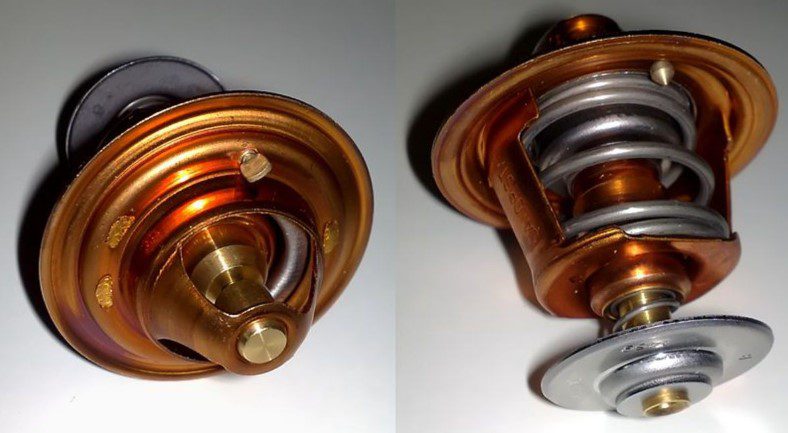
- Remove the Old Thermostat: Carefully pull the old thermostat out. Note its orientation (there’s usually an arrow or “jiggle valve” that needs to be positioned correctly).
-
The Water Test:
- Place the thermostat in a pot of water on the stove.
- Heat the water slowly. As the water reaches around 170-190°F (77-88°C), the thermostat should begin to open, allowing the valve to move.
- You can check the temperature with a kitchen thermometer. A good resource for typical thermostat opening temperatures is Heatcraft’s guide which outlines various industries using thermostatic control.
-
Analyze the Results:
- If it opens: The thermostat itself is likely working, and the issue might be with coolant flow, air pockets, a faulty water pump, or a blocked radiator.
- If it doesn’t open: The thermostat is definitely bad and needs to be replaced.
The Proven Fix: Replacing Your Car Thermostat
Replacing a thermostat is a common DIY repair that most car owners can tackle. It’s a relatively inexpensive part, and the labor can save you a significant amount compared to a mechanic.
Tools You’ll Need:
- New Thermostat (ensure it’s the correct one for your car’s make, model, and year)
- New Thermostat Gasket or Seal
- Appropriate Wrenches or Socket Set
- Drain Pan for Coolant
- Funnel
- Distilled Water and the Correct Type of Antifreeze/Coolant
- Safety Glasses
- Heat-Resistant Gloves
- Rags or Shop Towels
- Optional: A small scraper or putty knife for cleaning the housing surface
Step-by-Step Replacement Guide:
- Ensure the Engine is Cool: Always work on a completely cooled engine to avoid burns from hot coolant or engine parts.
- Prepare for Coolant Drainage: Place your drain pan under the radiator drain plug or the thermostat housing. If your vehicle has a radiator drain petcock, open it. If not, you may have to disconnect the lower radiator hose carefully after unbolting the thermostat housing.
- Add Coolant to the Drain Pan: As coolant drains into the pan, you can potentially save it if it looks clean, but it’s often best to replace it with fresh coolant. Check your owner’s manual for the correct coolant type.
- Locate and Remove the Thermostat Housing: Identify the thermostat housing, typically where the upper radiator hose connects to the engine. Use your socket or wrench to loosen and remove the bolts holding the housing in place. Be prepared for some coolant to spill out.
- Remove the Old Thermostat: Carefully pull the old thermostat out of its housing. Make a note of its orientation; there’s usually a small spring-loaded jiggle valve that should point upwards when installed.
- Clean the Housing and Engine Surface: Use a rag or scraper to thoroughly clean the mating surfaces of both the thermostat housing and the engine block. Ensure all old gasket material is removed for a good seal.
- Install the New Thermostat: Place the new thermostat into the housing, ensuring it’s oriented correctly (jiggle valve up). If your new thermostat doesn’t come with an integrated gasket, install the new gasket onto the housing.
- Reattach the Thermostat Housing: Carefully position the thermostat housing back onto the engine. Hand-tighten the bolts first, then use your wrench or socket to tighten them in a criss-cross pattern to ensure even pressure. Tighten them to the manufacturer’s specified torque if you have a torque wrench, or snug them down securely without overtightening.
- Refill the Cooling System: Close the radiator drain plug. Using a funnel, slowly refill the radiator with the correct mixture of antifreeze and distilled water. Check your owner’s manual for the recommended type and ratio.
- Bleed Air from the System: Air trapped in the cooling system can cause overheating. Many vehicles have a bleeder screw on the thermostat housing or upper radiator hose. Open this screw slightly and run the engine until a steady stream of coolant comes out, then close it. Alternatively, you can raise the front of the vehicle to help trapped air escape upwards towards the reservoir as the engine warms up.
- Start the Engine and Observe: Start the engine and let it run. Watch the temperature gauge to ensure it rises to the normal operating range and stays there. Check for any leaks around the thermostat housing.
- Top Off Coolant: Once the engine has warmed up and the thermostat has opened (you might hear a gurgling sound as coolant circulates), turn off the engine. Allow it to cool slightly, then check the coolant level in the reservoir and top it off if necessary.
It’s essential to replace or flush your coolant periodically. According to the U.S. Environmental Protection Agency, proper car maintenance, including fluid checks, can improve fuel efficiency and reduce emissions. Using the wrong type or old, degraded coolant can also damage your cooling system components.
When to Call a Professional
While replacing a thermostat is a common DIY job, there are times when it’s best to let a professional handle it. If you’re uncomfortable with any of these steps, lack the necessary tools, or if you encounter unexpected problems (like a seized bolt or a cracked housing), it’s always safer to seek assistance from a qualified mechanic. Additionally, if you replace the thermostat and still experience overheating or temperature issues, the problem may lie elsewhere in the cooling system, such as a faulty water pump, a clogged radiator, or a blown head gasket, which require more advanced diagnostics and repairs.
Frequently Asked Questions (FAQ)
Q1: How long does a car thermostat usually last?
A1: A car thermostat is designed to last for many years, typically between 5 to 10 years or around 100,000 miles. However, like any mechanical part, it can fail prematurely due to wear and tear, corrosion, or other issues within the cooling system.
Q2: Can I drive my car with a bad thermostat?
A2: Driving with a bad thermostat is not recommended. If it’s stuck closed, your engine can quickly overheat, leading to severe and expensive damage like warped cylinder heads or a blown head gasket. If it’s stuck open, your engine won’t reach its optimal operating temperature, leading to poor fuel efficiency, increased emissions, and premature engine wear.
Q3: What happens if my car thermostat is stuck closed?
A3: If the thermostat is stuck closed, it prevents coolant from flowing to the radiator. This means the coolant circulating within the engine block cannot be cooled down, leading to rapid overheating. You’ll likely see your temperature gauge rise into the red zone, and there might be steam coming from under the hood.
Q4: What happens if my car thermostat is stuck open?
A4: If the thermostat is stuck open, coolant will continually circulate through the radiator, even when the engine is cold. This prevents the engine from warming up to its efficient operating temperature. Symptoms include a temperature gauge that never reaches the middle, poor heater performance, and potentially lower fuel economy and increased wear.
Q5: Is an overheating symptom always the thermostat?
A5: No, an overheating symptom isn’t always the thermostat. While a bad thermostat is a common cause, other issues can also lead to overheating, such as a low coolant level, a faulty radiator fan, a clogged radiator, a failing water pump, or a coolant leak. It’s important to diagnose the problem correctly.
Q6: Do I need to replace the thermostat housing too?
A6: It’s generally recommended to replace the thermostat gasket and, in some cases, the thermostat housing itself when replacing the thermostat, especially if the housing is made of plastic and shows signs of age, cracking, or warping. A damaged housing can cause leaks, so it’s a good preventative measure for a long-lasting repair.
Conclusion
Maintaining your car’s cooling system is crucial for its overall health and longevity, and the thermostat plays a starring role. By understanding the key signs like overheating, slow warm-ups, or fluctuating temperature gauges, you can take proactive steps to diagnose and fix potential thermostat issues. Replacing a faulty thermostat is a very achievable DIY repair for many car owners, providing a satisfying sense of accomplishment and saving you money in the process. Remember to always prioritize safety by working on a cool engine and wearing appropriate protective gear.