How Many Engine Hours is a Lot for a Car: Expert Insights Revealed
Have you ever wondered how many engine hours are too many for your car? Understanding engine hours can help you know when your vehicle might need extra care or even a replacement.
It’s not just about the miles on the odometer—engine hours tell a deeper story about your car’s true wear and tear. If you want to protect your investment and avoid unexpected breakdowns, keep reading. This guide will reveal what engine hours really mean and how to use them to keep your car running smoothly for years.
Engine Hours And Car Lifespan
Engine hours play a key role in understanding a car’s lifespan. They measure how long the engine has run, not just how far the car has traveled. This helps give a clearer picture of the engine’s wear and tear. Many people focus on mileage alone, but engine hours reveal the true use of the engine.
What Engine Hours Mean
Engine hours count the total time the engine has been active. This includes idling, slow driving, and regular use. Even if the car has low mileage, high engine hours might show more engine wear. This measure helps track engine health beyond just miles driven.
Comparing Engine Hours And Mileage
Mileage shows distance, but engine hours show usage time. A car can have low mileage but many engine hours if it idled often. Trucks and taxis often have high engine hours with less mileage. Both numbers together give a better picture of engine condition.
Typical Engine Hour Ranges For Cars
Most cars last between 5,000 and 10,000 engine hours. Well-maintained engines can go beyond 10,000 hours. Light use usually means fewer than 5,000 engine hours. High engine hours often mean more maintenance is needed soon.
Factors Affecting Engine Hour Limits
Engine hours measure how long a car’s engine has run. This helps understand the engine’s wear and lifespan. Several factors affect how many engine hours are considered a lot. These factors influence the durability and performance of the engine over time.
Engine Type And Design
Different engines last different times. Diesel engines often run longer than gasoline engines. Some engines are built with stronger parts. Modern engines use better technology to reduce wear. Engine design affects how much stress the engine can handle. This changes how many hours the engine can last.
Maintenance And Care
Regular oil changes keep engines running smoothly. Clean filters and timely repairs prevent damage. Poor maintenance shortens engine life quickly. Using the right fuel and fluids is important. Good care can double the engine’s working hours. Neglect can cause early engine failure.
Driving Conditions And Habits
City driving with frequent stops wears engines faster. Highway driving keeps the engine running steadily. Harsh weather can increase engine stress. Aggressive driving causes more wear and tear. Gentle driving helps the engine last longer. Road and climate conditions affect engine hours.
Signs Of High Engine Hours
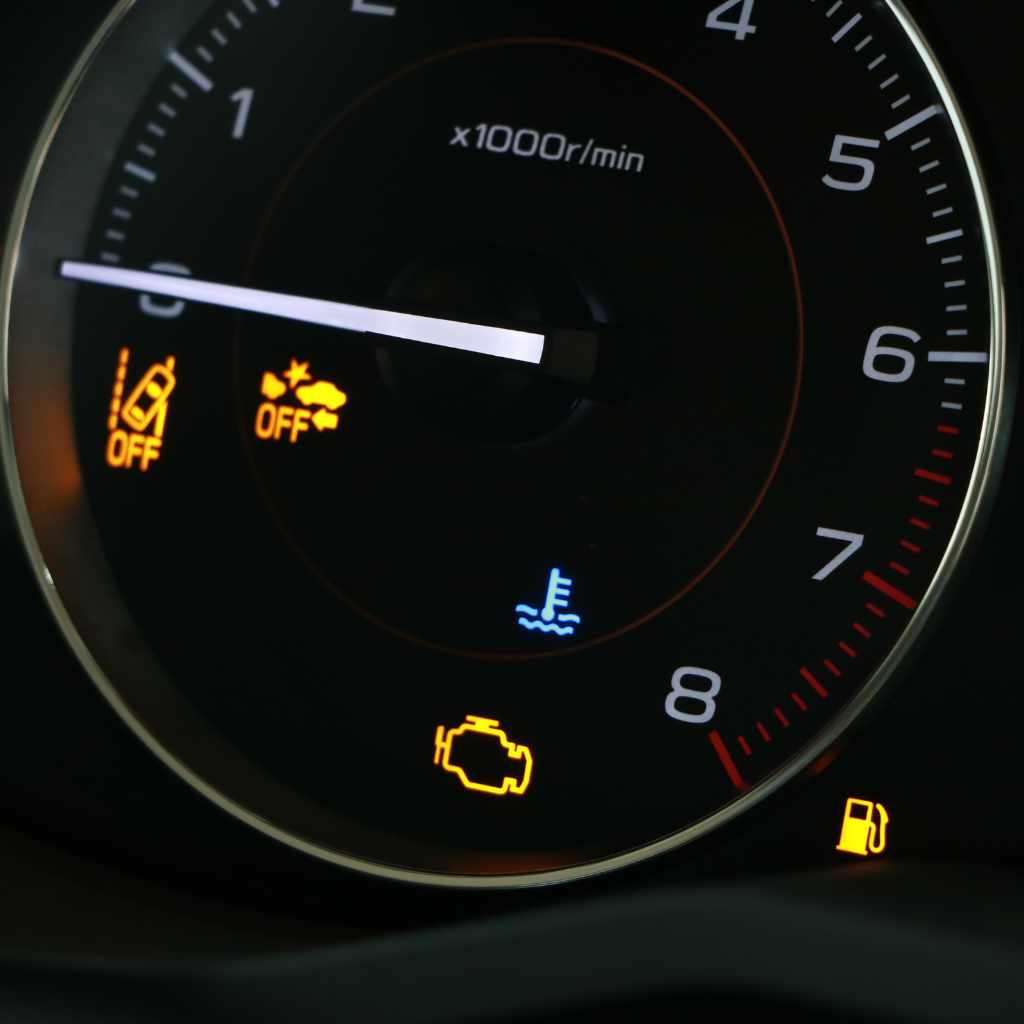
High engine hours can affect your car’s health and driving experience. Recognizing the signs helps you act early. These signs show your engine may need care or repairs soon.
Pay attention to changes in how your car runs. Notice any unusual noises or drops in power. These clues reveal wear from extended engine use.
Performance Changes
The engine may lose power and feel weaker during drives. Acceleration slows down, making it harder to reach highway speeds. Rough idling or stalling can also happen more often. These changes happen because engine parts wear out over time.
Common Mechanical Issues
High engine hours cause parts to break or wear quickly. You might see oil leaks or hear knocking sounds. The engine may overheat more often. Worn-out spark plugs and valves lead to frequent repairs. These issues need prompt attention to avoid bigger damage.
Fuel Efficiency Impact
Older engines use more fuel than before. Your car’s miles per gallon will drop noticeably. Poor combustion and worn parts reduce fuel efficiency. This change means higher fuel costs and more trips to the gas station.
Evaluating Used Cars By Engine Hours
Engine hours show how long a car’s engine has run. This number helps understand the car’s wear and tear. It is a useful measure for used cars. Engine hours often give a clearer picture than just miles driven. Some cars may have low miles but many engine hours due to idling or slow driving. Knowing engine hours helps buyers make better decisions.
Checking Engine Hour Records
Always ask for the engine hour records before buying. These records might be in the car’s service history or digital logbooks. Some vehicles have a display for engine hours on their dashboard or computer system. Comparing engine hours with mileage helps spot unusual use. Missing or inconsistent records can be a warning sign. Always verify engine hours with trusted sources.
What To Expect With High Engine Hours
High engine hours mean the engine has worked a long time. Parts like pistons and bearings may show more wear. The car might need more repairs or maintenance soon. High hours do not always mean the car is bad. Well-maintained engines can last a long time. Check if the car has regular servicing and care. Expect higher maintenance costs with high engine hours.
Balancing Engine Hours With Other Factors
Engine hours are important but not the only factor to check. Look at the car’s service history and accident records. Check the condition of tires, brakes, and suspension. Test drive the car to feel how it runs. A car with moderate engine hours but poor care can be worse. Balance engine hours with overall car condition. This approach helps find a reliable used car.
Extending Engine Life
Extending the life of your car’s engine helps you get the most value from your vehicle. Engines with high hours can still run well with the right care. Proper habits and tools protect your engine from early wear. Small actions daily can add years to engine life.
Regular Maintenance Tips
Check oil levels often and change oil on time. Clean or replace air filters regularly. Keep coolant levels steady to avoid overheating. Inspect belts and hoses for cracks or wear. Change spark plugs as recommended by the manufacturer. These steps keep the engine running smoothly and reduce damage.
Using Engine Hour Meters Effectively
Engine hour meters track how long the engine runs. Use this data to plan oil changes and other services. Track hours more than miles for machines used in idle or slow work. Set reminders based on hour readings to avoid missed maintenance. This tool helps catch problems early and keeps your engine healthy.
Best Practices For Longevity
Warm up your engine before driving hard. Avoid harsh acceleration and sudden stops. Drive at steady speeds to reduce engine stress. Park in shade to protect the engine from heat. Use the right fuel and oil types for your car. These habits reduce wear and help your engine last longer.
Frequently Asked Questions
What Are Engine Hours In A Car?
Engine hours measure the total time the engine has run. It helps assess engine wear beyond mileage. This metric is vital for maintenance and resale value.
How Many Engine Hours Indicate High Usage?
Generally, over 2,000 engine hours suggest high usage. This varies by vehicle type and engine condition. High engine hours mean more wear and potential repairs.
Can Engine Hours Affect Car Resale Value?
Yes, higher engine hours usually lower resale value. Buyers see high engine hours as increased wear risk. Keeping engine hours low helps maintain car value.
How To Check Engine Hours On A Car?
Engine hours can be checked via the car’s onboard computer or diagnostic tools. Not all cars display this info, so a mechanic might be needed.
Conclusion
Engine hours show how long a car’s engine has run. High engine hours may mean more wear and tear. But good maintenance can keep a car running well. Always check service records and condition, not just hours. Every car and use is different.
Knowing engine hours helps make smarter buying choices. Keep these points in mind when assessing a car’s engine life. It helps you avoid surprises and get the best value.