Can You Finance a Car After a Lease? Buyout Loan Rules by Lender
Yes, you can finance a car after a lease if the lease includes a purchase option: you buy it from the lessor at the price in your lease agreement and pay for that with a loan. The option only exists if your contract includes it, and lessors set their own rules on who can complete the sale. This guide sets out what the CFPB, the FTC, Toyota Financial Services, Ford Credit, Nissan and Honda publish about lease-end purchases, how California and Texas treat the tax, a worked example with made-up numbers, and a checklist. It is general information, not financial advice.
What Does It Mean to Finance a Car After a Lease?
Lease Buyout Reading Pick
 |
Before You Lease a Car: A Practical Guide to Money Factors, Residual Values, Down Payments, Mileage, Fees, Insurance, Buyouts and Lease-End Costs
|
As an Amazon Associate we earn from qualifying purchases. Spec-based pick from the listing, not a hands-on test.
Financing after a lease means two separate steps. First, a lease buyout: you exercise the lease’s purchase option and pay the lessor the lease-end price. Second, you decide how to pay that price: cash, or a loan. The CFPB explains that a lease gives you the right to use a vehicle for a set number of months and miles, that your payments go toward depreciation plus a rental charge, and that at the end you either turn the vehicle in and pay any end-of-lease fees or buy it if your lease includes a purchase option. The estimated end value, called the residual value, is what you pay if you buy.
The FTC adds that you have to return the car unless the lease agreement lets you buy it, so the first question is whether your contract has a purchase option. See our guide to what a car lease agreement contains.
Toyota Financial Services states that lease-end options generally fall into three categories: replacing the vehicle with a new Toyota, purchasing your current vehicle either outright or by financing your payoff amount, or returning it.
What Each Lessor Says About Buying and Financing a Lease-End Purchase
| Lender or lessor | What its page says about buying out the lease | Source and date |
|---|---|---|
| Toyota Financial Services | Options include purchasing the current vehicle outright or by financing the payoff amount. Its blog says buying ends responsibility for excess mileage, excessive wear and use, and the disposition fee | TFS FAQ “What are my lease-end options?” and TFS blog “Purchase Your Toyota at Lease-End”; undated, checked Oct 2026 |
| Ford Credit | You may be able to buy a Red Carpet Lease vehicle if a purchase option is listed. The price is in the agreement or from the originating dealer. You must first fulfill lease-end requirements and satisfy remaining obligations. Electric vehicles may not be eligible | Ford Credit Lease-End page and “How do I buy my leased Ford Credit vehicle?”; undated, checked Oct 2026 |
| Nissan Motor Acceptance (Nissan Finance) | Buyers avoid excess mileage and wear charges and pay the predetermined purchase option price plus incidental charges in the contract or required by law, such as sales tax, registration and a purchase option fee | Nissan USA End of Lease page; undated, checked Oct 2026 |
| Honda (American Honda Finance) | Purchase quotes come online or by phone; the automated line cannot quote accounts garaged in Illinois or Ohio. Lease purchases are only available to the lessee or an authorized Honda or Acura dealer. Refinancing questions go to a Honda or Acura dealer | AHFC End of Lease page (checked Oct 2026) and FAQ dated Apr 2, 2024 |
Only Toyota Financial Services states in so many words that a payoff can be financed. Ford, Nissan and Honda describe the purchase and its price but, on the pages quoted, not loan terms, so ask each lessor or dealer directly.
The Step-by-Step Lease Buyout Process
The steps below come from the lessor and government pages above.
- Confirm the purchase option. Ford Credit says the lease-end purchase price, if the option exists, is in your lease agreement or available from your originating dealer. The FTC says you must return the car unless the lease lets you buy it.
- Get the lessor’s purchase quote. Honda offers quotes online or by phone, and Ford Credit says to log in to Account Manager or contact Customer Support for the price before lease-end.
- Ask who may complete the purchase. Honda’s page says lease purchases are only available to the lessee or an authorized dealer. If you plan to use a bank or credit union, ask the lessor whether it accepts a payoff from that lender.
- Compare financing offers. The FTC says pre-approval from a bank, finance company or credit union shows the APR, length and maximum amount you can borrow; compare it with any dealer offer.
- Satisfy lease obligations. Ford Credit says to fulfill lease-end requirements and satisfy remaining financial obligations before buying, and to complete lease-end transactions by the lease-end date.
- Plan the title, tax and registration. Nissan lists sales tax, registration and possible state inspection fees; the tax section below shows how two states handle the tax.
For how a lease ends without a purchase, see what to do at the end of a car lease and what happens after a car lease is up.
Dealership Financing vs. Banks and Credit Unions
The FTC says dealership financing means the dealer enters a contract with you and typically sells it to a bank, finance company or credit union, and that the APR you negotiate with the dealer usually includes an amount that compensates the dealer for handling the financing. It recommends comparing the APR, loan term and amount financed against any pre-approved offer, and notes you might stick with the financing you brought even after negotiating the dealer down. For a longer comparison, see dealer financing vs credit union financing and how to buy a car with a pre-approved loan. Toyota’s blog lists paying cash as a third route; see should you pay cash for a car for that trade-off.
Neither the FTC nor the CFPB says a lessor must accept a third-party lender’s payoff; that is a contract question, which is why the Honda statement about who may purchase matters.
How to Calculate Your Buyout Price and Total Costs
The figures below are made-up round numbers for illustration, not a quote and not a recommendation. They show how three pieces combine: the purchase option price, charges the contract may add, and the loan terms you choose.
Step 1, the price. Suppose the lease-end purchase price is $18,000. Suppose the contract adds a purchase option fee of $350 and the state tax is 7% of the $18,000, which is $1,260. The total to pay the lessor is $18,000 + $350 + $1,260 = $19,610.
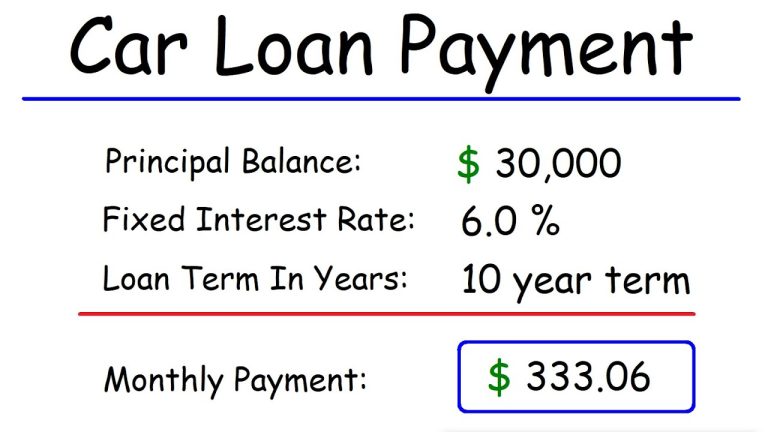
Step 2, the loan. If $19,610 were financed at a hypothetical 7.0% APR, the monthly payment would be about $605.50 over 36 months, $469.59 over 48 months and $388.30 over 60 months.
| Hypothetical term (7.0% APR, $19,610 financed) | Monthly payment | Total of payments | Interest paid |
|---|---|---|---|
| 36 months | about $605.50 | about $21,798 | about $2,188 |
| 48 months | about $469.59 | about $22,540 | about $2,930 |
| 60 months | about $388.30 | about $23,298 | about $3,688 |
This matches the FTC’s warning that lower monthly payments often require longer terms, which raises the overall cost: stretching from 36 to 60 months cuts the payment by about $217 a month but adds about $1,500 in interest. Use your own contract figures and a lender’s written offer.
Understanding Residual Value and Fees
The CFPB explains that the residual value is the lessor’s estimate of what the vehicle will be worth at lease end, that it was used to set your monthly payment, and that it is also what you pay if you buy. It advises questioning how accurate the estimate is.
Fees depend on the contract. Nissan says buyers pay the predetermined purchase option price and incidental charges stated in the lease contract or required by law, which may include sales tax, registration, a purchase option fee, and in some places a smog or safety inspection fee. Toyota Financial Services says buying means no excess mileage, excessive wear and use, or disposition fee. For how rental charges work during a lease, see what rent charge on a car lease means.

Handling Sales Tax and Title Transfer
Tax on a buyout is set by the state, not the lessor, and the two states below show how different the treatment can be. Always confirm your own state’s rule with its tax or motor vehicle agency.
| State | What the official page says | Source |
|---|---|---|
| California | A lease buyout is subject to tax. If no dealer handles it, the lessor may not collect the tax and the buyer owes use tax to the DMV at registration. If you resell and transfer title within 10 days of acquiring it from the lessor, the buyout is presumed a sale for resale and not taxed, unless you used the car personally or gifted it | CDTFA vehicle tax guide |
| Texas | For an operating lease, tax is due from the lessee at titling and registration, because a new taxable sale has occurred, based on the amount (option) paid at lease end; standard presumptive value procedures may apply. A conditional sale (must-purchase clause or nominal-value option) is treated differently | Texas Comptroller Motor Vehicle Tax Guide, Leases page (3/2026) |
These summaries come from the California CDTFA vehicle tax guide and the Texas Comptroller’s guide. If your state is not listed, ask its revenue or motor vehicle agency how a lease buyout is taxed and whether the lessor collects it.
Title and registration follow the purchase. Ford Credit lists satisfying remaining obligations before buying, and Nissan mentions registration and state inspection fees. Our guide to getting a title when you finance a car explains why a lender holds the title until the loan is paid.
When Is Buying Out Your Lease a Smart Financial Move?
No single answer fits everyone. The comparison is the buyout price plus tax and fees against the car’s market value and against turning it in. The CFPB says returning the car means paying any end-of-lease fees, and Toyota and Nissan say buying removes mileage, wear and disposition charges. Whether that outweighs the buyout cost is arithmetic only you can do.
If monthly payments are the concern, the FTC says to look at total cost, not only the payment, and our guide on what percentage of income should go to a car payment covers budgeting. If the loan rate is the concern, see how 0% interest offers work for the general point: the FTC says manufacturer-sponsored low-rate programs may be limited to certain cars or have special requirements, so ask whether any applies to a lease-end purchase. If you are weighing leasing again, see lease vs buy.
Step-by-Step Guide to Securing Your Loan
- Get your free credit report first; the FTC says it affects whether you can get a loan and how much interest you pay.
- Ask the lessor in writing whether it accepts a payoff from an outside lender and what it needs to release the title.
- Collect at least two written offers and compare APR, term and amount financed, and decline add-ons you do not want; the FTC says it is fine to say no.
If you sign and then have second thoughts about the loan, read whether you can cancel a car loan after signing.
Common Mistakes When Financing a Lease Buyout
| Mistake | Why it matters | Source |
|---|---|---|
| Assuming every lease can be bought out | A purchase option must be in the agreement, and Ford says electric vehicles may not be eligible | CFPB; FTC; Ford Credit |
| Planning a third-party loan before asking the lessor | Honda says lease purchases are only available to the lessee or an authorized dealer | Honda (AHFC) |
| Comparing monthly payments only | A longer term lowers the payment but raises total interest | FTC |
| Forgetting tax, registration and fees | The contract or state law may add them to the purchase option price | Nissan; CDTFA; Texas Comptroller |
What This Guide Does Not Cover
- Lease-end terms for lenders not named above, such as GM Financial and Hyundai Motor Finance; check each lessor’s own lease-end page.
- Tax rules for states other than California and Texas, and any change since the pages were checked in October 2026.
- Your credit, your contract or whether any loan suits you; contact your lessor and a qualified professional for decisions about your own money.
Frequently Asked Questions About Lease Buyouts
Can I negotiate the buyout price with the leasing company?
The CFPB lists the residual value and the purchase option among the terms consumers commonly negotiate when they sign a lease. Ford Credit describes the lease-end purchase price as the amount stated in your agreement. Whether a lessor will change it later is a question for the lessor.
How long do I have to finance a car after my lease ends?
Ford Credit says to complete lease-end transactions by your lease-end date to avoid additional charges described in your Red Carpet Lease Agreement, so plan the loan before that date and ask your lessor what applies to your contract.
Is a lease buyout loan different from a regular used car loan?
Toyota Financial Services describes the option as financing your payoff amount. The FTC’s general loan advice still applies: compare the APR, the loan term and the amount financed across lenders. How a bank or credit union prices the loan is that lender’s call.
What happens if my car is worth less than the buyout price?
Buying is optional. The CFPB says it is your choice whether to use a purchase option, and that otherwise you turn the vehicle in and pay any end-of-lease fees. It also advises questioning how accurate the residual value estimate is, because it sets the buyout price.
Do I have to pay sales tax on a lease buyout?
The rules are state-specific. California’s CDTFA says a lease buyout is subject to tax, and the Texas Comptroller’s guide says tax is due from the lessee when the car is titled after buying it from the lessor. Ask your state tax agency about your case.
Do lease payments count toward buying the car?
Not under a standard lease. The CFPB says the payments go toward the vehicle’s depreciation during the term plus a rental charge, and that leasing is like renting unless the lease gives you a purchase option. The FTC says a lease means paying to drive the car, not to buy it.
Bottom Line: Is Financing Your Leased Car Right for You?
You can often finance a car after a lease if the contract has a purchase option, but the lessor decides how the sale is completed and the state decides the tax. Start with the purchase quote, compare written loan offers on APR, term and total cost, and confirm with the lessor that your chosen lender’s payoff is accepted. This article is general information, not financial advice, and figures are as published on the dates shown. See also ending a car lease early and the FTC guide to financing or leasing a car and CFPB page on leasing versus buying a car.
Products related to this article
Sponsored / affiliate links. As an Amazon Associate I earn from qualifying purchases. I may earn additional commission from eligible campaigns.
![TAPMEI Car Phone Holder [2026 Updated] Fit for iPhone 17 Pro Max, Black](https://m.media-amazon.com/images/I/41Jo3OxikiL._SL500_.jpg)