How Many PCV Valves Does a Car Have? A Simple Guide
It’s super common to wonder, How Many PCV Valves Does a Car Have? especially if you’re new to car stuff. Figuring out what parts your car has can seem tricky. But don’t worry! This post will break down the answer in a way that’s easy to follow. We’ll go step-by-step, making sure you get the facts without feeling lost. So, let’s explore what you need to know about PCV valves.
The Essential Role of PCV Valves in Vehicle Performance
PCV valves are vital parts of a car’s engine system. They help to manage the pressure inside your engine by removing unwanted gases and fumes. These gases, formed during the combustion process, can build up and cause problems if not properly handled. The PCV valve ensures these gases are directed back into the engine to be burned. This process is important for maintaining engine efficiency and reducing harmful emissions. The PCV valve’s job is often overlooked but plays a significant role in keeping your car running smoothly.
What Does a PCV Valve Actually Do?
The PCV valve’s main function is to regulate the flow of gases from the crankcase to the intake manifold. The crankcase is where your engine’s moving parts are located, and it’s where blow-by gases accumulate. These gases are a mixture of unburned fuel, oil, and combustion byproducts that can cause pressure buildup. The PCV valve acts like a one-way street, controlling the amount of these gases that get recycled back into the engine for combustion. This prevents pressure problems and helps keep the engine clean.
- Removes Contaminants: The PCV valve filters out harmful contaminants like oil and water vapor from the crankcase.
- Maintains Engine Pressure: It helps maintain the correct pressure balance within the engine, critical for peak performance.
- Reduces Emissions: By burning crankcase gases, the PCV valve assists in lowering vehicle emissions and meeting environmental regulations.
- Protects Engine Seals: It reduces pressure buildup that can damage engine seals and lead to oil leaks.
A properly functioning PCV system can also extend the lifespan of your engine. For example, by keeping the engine cleaner, you’re reducing the likelihood of sludge buildup, which can negatively affect engine components over time. The PCV valve also plays a part in improving the efficiency of your car, reducing the amount of fuel that is wasted. All of these factors combine to help you maintain a reliable and efficient vehicle.
Signs of a Faulty PCV Valve
A damaged PCV valve can cause various issues with your car. Recognizing these signs early on can prevent more serious engine problems. Common symptoms can be simple to identify, and catching them early can save on repairs. Watch out for these indicators to avoid future headaches.
- Rough Idling: A failing PCV valve can disrupt the air-fuel mixture, leading to an irregular engine idle. This can make the car shake when stopped.
- Oil Leaks: Excess pressure in the crankcase due to a clogged PCV valve can force oil past seals, resulting in leaks.
- Increased Oil Consumption: If the PCV valve is stuck open, it can pull too much oil into the intake manifold, leading to increased oil usage.
- Check Engine Light: Many issues, including a bad PCV valve, will trigger the check engine light to turn on, warning you of a problem.
- Unusual Engine Noises: You might hear a hissing sound around the engine, indicating a vacuum leak caused by a faulty PCV valve.
Ignoring these symptoms can lead to more serious problems, such as engine damage. Regular inspections of the PCV valve and its related hoses can help prevent costly repairs down the road.
Understanding the Number of PCV Valves
Now, let’s get right to the point: How Many PCV Valves Does a Car Have? Most cars have only one PCV valve. The design is fairly simple, yet it’s very effective. There isn’t typically a need for multiple valves, as the single valve serves its purpose well. Understanding this basic setup can simplify troubleshooting and maintenance. This singular component is critical for the overall health of your vehicle.
The Standard Configuration
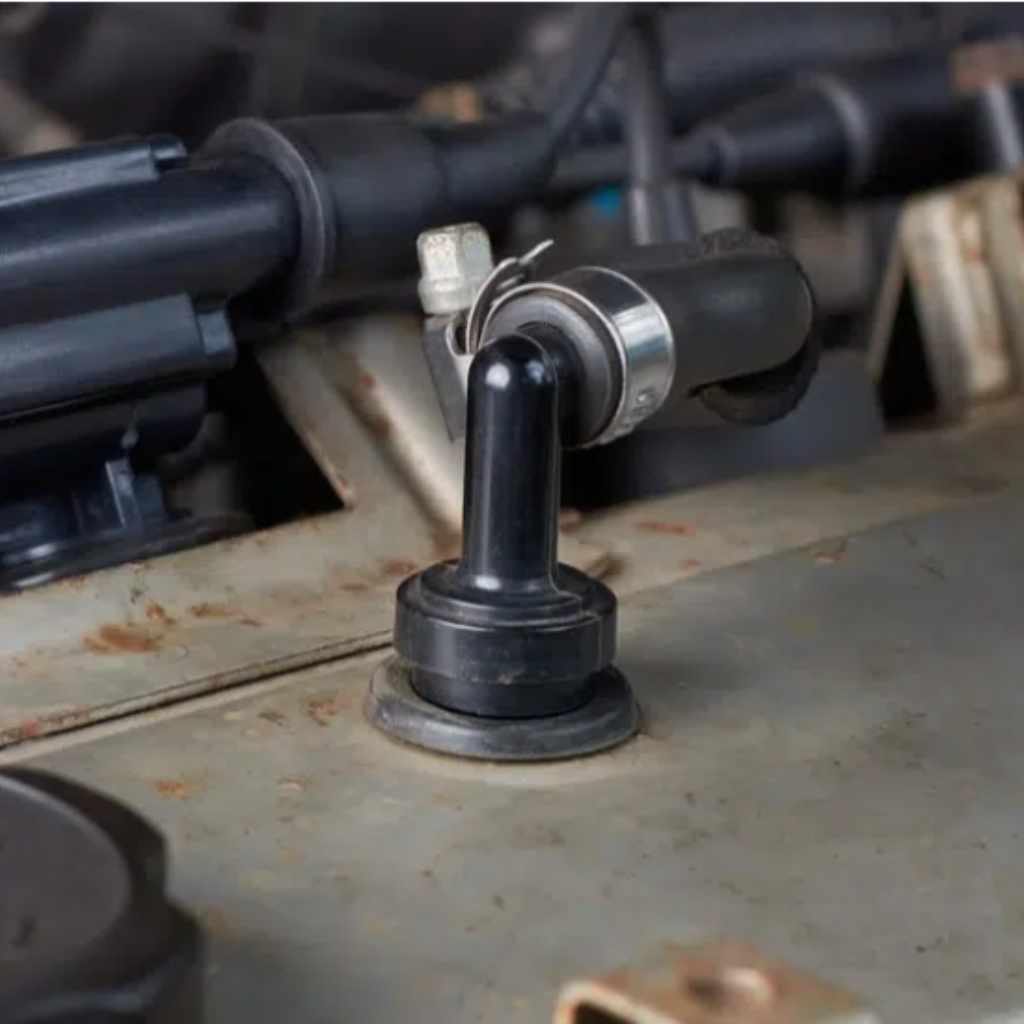
In almost all modern vehicles, you’ll find a single PCV valve. This valve is generally connected to the crankcase on one end, and to the intake manifold on the other. This setup lets the valve regulate the flow of gases. The simplicity of the design makes it easy to locate and service. This single valve efficiently performs its task without the need for additional components.
- Simplified System: The single-valve design reduces complexity, making it easier to diagnose problems.
- Efficient Function: A single valve is often sufficient for effectively managing crankcase pressure.
- Cost-Effective: Having one valve simplifies the system and reduces manufacturing costs.
This single-valve configuration is a standard practice across the automotive industry, optimizing both the function and the economy of the system.
Exceptions and Special Cases
While the single-valve setup is standard, some specific situations might involve variations. Older car models, or vehicles with unique engine designs, might have different configurations. However, these instances are relatively rare, and the single-valve setup remains the norm. It is always wise to refer to your vehicle’s manual if you have any doubts. These special cases are worth mentioning, even if they’re not common.
- High-Performance Engines: Some high-performance vehicles, especially those with turbochargers, may have more complex ventilation systems, but the base principle remains the same.
- Older Models: Some older cars may have different setups.
- Custom Builds: In custom or modified vehicles, the PCV system might be adjusted for specific performance needs.
These exceptions highlight the importance of understanding your vehicle’s unique design. When in doubt, a mechanic can provide precise details on your vehicle’s PCV configuration.

Maintenance and Replacement of the PCV Valve
Regular maintenance of the PCV valve is vital for the long-term health of your vehicle. Over time, the valve can get clogged with contaminants, reducing its effectiveness. Regular inspections and timely replacements are simple actions that can save you from potential engine problems. Taking good care of this part is key to keeping your car running smoothly.
When to Replace the PCV Valve
The frequency of replacing the PCV valve depends on various factors, including driving conditions and the type of vehicle. As a general rule, many car manuals recommend changing the PCV valve every 20,000 to 50,000 miles. However, it’s wise to check your specific car’s maintenance schedule. Keep an eye out for any signs of damage or blockage, and replace the valve when necessary. Following these guidelines helps maintain optimal engine performance and reduce the risk of more serious issues.
- Manufacturer Recommendations: Always refer to your car’s manual for specific replacement intervals.
- Inspection: Regularly check the valve for any signs of clogging or damage.
- Driving Conditions: Harsh driving conditions might require more frequent replacements.
Proper timing can prevent potential issues and keep your car running reliably.
Steps for Replacing a PCV Valve
Replacing the PCV valve is a fairly simple task that most people can do themselves, saving money on mechanic costs. Here’s a basic guide, but always consult your car’s manual before starting. The process typically involves a few easy steps. Keep in mind that specific steps might vary based on your car model, so always prioritize your car’s manual.
- Locate the PCV Valve: Typically, it is found on the engine’s valve cover or the intake manifold.
- Disconnect the Hose: Carefully remove the hose connected to the PCV valve.
- Remove the Old Valve: Unscrew or pull out the old PCV valve.
- Install the New Valve: Insert the new PCV valve in its place. Make sure it’s snug.
- Reconnect the Hose: Securely connect the hose to the new valve.
If you’re not comfortable working on your car, a professional mechanic can replace the PCV valve for you. This simple maintenance step can significantly extend the life of your engine.
Troubleshooting Common PCV Valve Issues
Even though the PCV valve is a simple component, it can still have problems. Knowing how to troubleshoot and fix common issues will help you maintain your car. Identifying issues early can prevent more significant complications down the line. We’ll explore some common problems and offer simple solutions.
Common Problems and Solutions
Dealing with PCV valve problems is usually manageable, with most issues being caused by simple things like clogging or damage. Addressing these issues can resolve many of the related problems. Here are some of the frequent issues and possible solutions.
- Clogged Valve: A clogged PCV valve can lead to pressure buildup in the crankcase. Replacing the valve usually resolves this.
- Vacuum Leaks: Cracks or loose connections in the hoses connected to the PCV valve can cause vacuum leaks. Check the hoses for damage, and replace if needed.
- Stuck Valve: A stuck PCV valve might not regulate airflow properly. Testing and replacing the valve will address this issue.
- Poor Engine Performance: A failing PCV valve can negatively impact engine performance. Addressing the issue by replacement or repair can improve it.
Many of these problems can be detected during regular inspections. Simple maintenance can prevent major engine problems and keep your vehicle operating at peak efficiency.
DIY vs. Professional Help
Deciding between handling the issue yourself or seeking help from a professional mechanic depends on your comfort level. Changing a PCV valve is easy for most people, but more complex issues may need a mechanic. Consider your skills and available resources to determine the best approach. Proper tools and a safe working area are essential for any DIY project.
- DIY Advantages: Saving money and learning about your car.
- Professional Help Advantages: Expertise, access to specialized tools, and time savings.
Deciding which route to take depends on your personal expertise, the tools you have, and the complexity of the problem. Your safety is also very important, so don’t attempt any repairs if you don’t feel comfortable with them.
Impact of a Faulty PCV Valve on Emission Control
The PCV valve plays an important role in controlling your vehicle’s emissions. When the valve isn’t working correctly, it can impact both the environment and your car’s performance. Knowing how this happens will help you maintain your car’s compliance with regulations and reduce its environmental impact. The PCV valve’s effect extends beyond just your engine, influencing the bigger picture of emission control.
How the PCV Valve Helps Reduce Emissions
By recirculating crankcase gases back into the engine, the PCV valve dramatically reduces the amount of pollutants released into the atmosphere. The valve’s design ensures that these gases are burned in the combustion chamber. This reduces the number of hydrocarbons and other pollutants escaping through the exhaust system. This process is crucial for minimizing environmental impact and complying with emissions standards.
- Reduces Hydrocarbon Emissions: The PCV valve helps burn harmful hydrocarbons.
- Prevents Atmospheric Pollution: It keeps harmful emissions from entering the air.
- Compliance with Regulations: Helps meet local emission standards.
The contribution of a functioning PCV valve is vital for protecting the environment and upholding emission standards.
Consequences of a Faulty PCV Valve on Emissions
A damaged or blocked PCV valve can significantly harm emission control. When the valve fails, it can lead to increased emissions, potentially causing your car to fail an emissions test. Additionally, the excess pressure buildup in the crankcase can cause oil leaks, which can further impact the environment. Ensuring the PCV valve works correctly helps keep your car environmentally friendly and in compliance with regulations. Regular maintenance and checks can prevent these problems.
- Increased Pollutants: Faulty valves increase pollutants released into the air.
- Potential for Emissions Test Failure: A damaged valve might cause your car to fail.
- Environmental Impact: Oil leaks and excess emissions harm the environment.
Regular maintenance can prevent these issues, contributing to a cleaner environment and compliant emissions.

Frequently Asked Questions
Question: Why is my check engine light on?
Answer: A faulty PCV valve can trigger the check engine light. It’s best to have your car checked by a mechanic to diagnose the issue.
Question: Can I drive my car with a bad PCV valve?
Answer: You can drive your car, but it’s not advised for long. Get the valve checked and replaced as soon as possible to avoid further damage.
Question: How can I tell if my PCV valve is clogged?
Answer: Listen for a hissing sound, or check for rough idling. Oil leaks are another sign.
Question: Does a PCV valve affect gas mileage?
Answer: Yes, a failing PCV valve can slightly reduce your fuel efficiency.
Question: How often should I replace the PCV valve?
Answer: Most manufacturers suggest replacing it every 20,000 to 50,000 miles, but follow your car’s manual for specific instructions.
Final Thoughts
So, the answer to How Many PCV Valves Does a Car Have? is usually one. This simple part plays a big role in your car’s performance and emissions. Keeping the PCV valve in good shape can prevent a lot of headaches, from rough idling to oil leaks. It’s also good for the environment. By knowing what the valve does and how to keep it working well, you can save money, keep your car running smoothly, and help the environment. Do regular checks and replace your PCV valve as needed to keep your car in top shape.