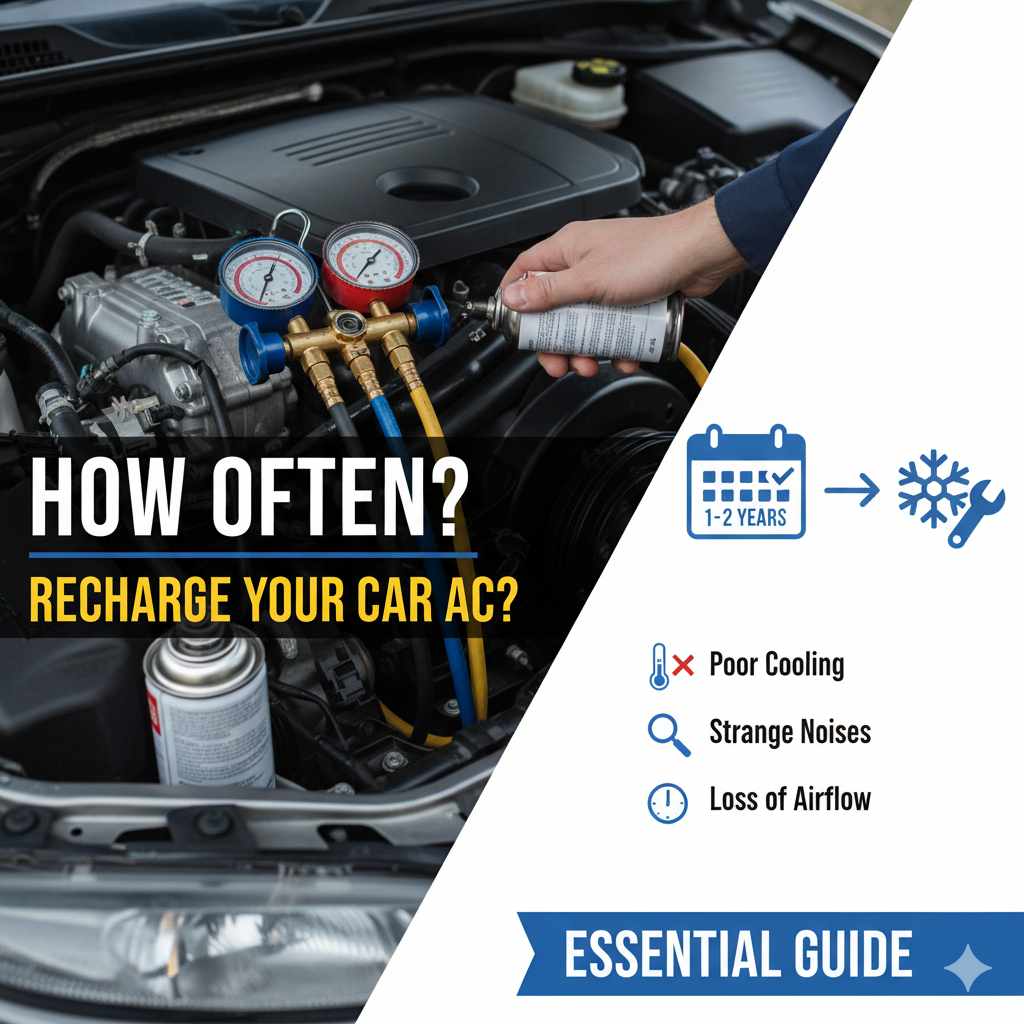
How Often Should You Recharge Your Car AC: Essential Guide
Your car’s AC doesn’t need regular “recharging” like a phone battery. It only needs refrigerant if there’s a leak. If your AC is blowing warm air, it likely has a leak and needs professional attention to find and fix it, then be recharged.
Is your car’s air conditioning system acting up? Do you find yourself sweating more than you should on a hot drive? You’re not alone! Many car owners wonder about the mysterious “recharging” of their car’s AC. It’s a common question, especially when the cool air stops flowing. It can be frustrating and a little concerning, but don’t worry. Understanding how car AC systems work and what “recharging” truly means is simpler than you might think. This guide will break down everything you need to know, making it easy to keep your cool on the road.
Understanding Your Car’s AC System: It’s a Closed Loop!
Think of your car’s air conditioning system like a sealed, continuous loop. It doesn’t “use up” its cooling power like fuel in your car. Instead, it circulates a special fluid called refrigerant. This refrigerant changes from a liquid to a gas and back again, absorbing heat from your car’s cabin and releasing it outside. This is how it makes your car feel nice and cool.
Because the system is sealed, the refrigerant should, in theory, stay inside indefinitely. If your AC starts blowing warm or less-cool air, it’s usually not because the refrigerant has been “used up.” It’s almost always a sign that some of that refrigerant has escaped due to a leak.
When is “Recharging” Actually Needed?
The term “recharging” is a bit of a misnomer for a healthy AC system. You don’t “recharge” it periodically. It only needs more refrigerant when it has lost some, meaning there’s a leak somewhere in the system. If your car’s AC is blowing warm air, it’s a strong indicator that:
- There’s a leak in one of the AC components (like hoses, seals, or the compressor).
- The refrigerant level has dropped low enough that the system can’t cool effectively anymore.
Simply adding more refrigerant without finding and fixing the leak is like putting a bandage on a deep wound. It might offer temporary relief, but the problem will return, and you might even cause further damage or create an environmental hazard by releasing refrigerant into the atmosphere.
Signs Your Car AC Might Need Attention
How can you tell if your AC system is having trouble and might need a professional check?
- Weak or Warm Air: This is the most obvious sign. If the air coming out of your vents isn’t as cold as it used to be, or if it blows warm even on the coldest setting, something is wrong.
- Strange Noises: While driving, listen for unusual sounds like hissing, grinding, or clicking coming from the engine bay when the AC is on. These can indicate fan motor issues or compressor problems.
- Musty or Mildew Odors: This often points to a buildup of mold or bacteria in the evaporator core. While not directly related to refrigerant levels, it affects air quality and sometimes the AC’s efficiency.
- AC Compressor Not Engaging: You might notice the clutch on the AC compressor (a pulley driven by the engine belt) not spinning when the AC is turned on. This could be due to low refrigerant pressure or an electrical issue.
- Visible Leaks: Sometimes, you might see oily residue around AC hoses or fittings. This oil circulates with the refrigerant, so an oily spot can indicate a leak in that area.
Common Causes of Refrigerant Leaks
Leaks can happen in various parts of your AC system. Here are some of the most common culprits:
- Aging Seals and O-rings: Over time, rubber seals and O-rings can dry out, crack, and become less effective, allowing refrigerant to escape.
- Damaged Hoses: Rubber hoses can degrade, get nicked, or rub against other parts, leading to holes or cracks.
- Corroded Condenser or Evaporator Coils: These thin metal coils, usually found at the front of the car (condenser) and behind the dashboard (evaporator), can corrode and develop small leaks over time, especially if not properly maintained. You can learn more about how these parts work on the U.S. Department of Energy’s Home Cooling Systems page, though the principles translate to cars.
- Faulty Compressor: The AC compressor is a mechanical component that can wear out or develop leaks from its seals.
- Accidental Damage: Road debris hitting under your car can sometimes damage AC lines or components.
DIY vs. Professional AC Service
For most car owners, dealing with AC issues is a job best left to the professionals who have specialized tools and knowledge. However, understanding the basics is empowering.
Why Professional Service is Usually Recommended:
- Leak Detection: Auto shops have specialized equipment like UV dye testers and electronic leak detectors to pinpoint the exact location of a leak, even very small ones.
- Proper Equipment: Recharging a car’s AC system requires specific tools to evacuate the old refrigerant safely, measure and add the correct amount of new refrigerant, and check system pressures accurately. Using the wrong equipment or refrigerant type can damage the system.
- Refrigerant Handling Laws: Refrigerants are environmentally regulated. Professionals are trained and certified to handle and dispose of them properly, complying with environmental laws like the Clean Air Act. You can find more information about refrigerant regulations on the U.S. Environmental Protection Agency (EPA) website.
- System Diagnosis: A mechanic can diagnose not just leaks but also other potential issues that might be preventing your AC from working optimally, such as problems with the blower motor, expansion valve, or electrical components.
- Safety: AC systems operate under high pressure, and refrigerants can cause frostbite if they come into contact with skin. Professionals have the safety gear and training to work with these systems.
When You Might Consider a DIY Approach (with Caution):
Some very basic AC maintenance tasks can be approached by DIYers, primarily related to testing and very simple top-offs IF you are comfortable and willing to do thorough research.
- Using an AC Recharge Kit: These kits are available at auto parts stores and include a can of refrigerant and a gauge. They are designed for adding refrigerant if the system is low, not for fixing leaks.
-
Important Caveats for DIY Kits:
- No Leak Repair: These kits do NOT fix leaks. They only add refrigerant, so if you have a leak, the problem will return quickly.
- Incorrect Refrigerant Type: Cars use different types of refrigerants (e.g., R-134a, R-1234yf). Using the wrong type can severely damage your system and be costly to repair. Always check your car’s manual or under the hood for the correct type.
- Overcharging: Adding too much refrigerant can be just as bad, if not worse, than having too little. It can over-pressurize the system and cause component failure. The gauge on the kit is crucial here.
- Contamination: Introducing air or moisture into the system during a DIY recharge can lead to corrosion and damage.
My advice: While DIY kits exist, they are best used as a temporary measure if you understand the risks and are planning to get a professional diagnosis soon after. For true peace of mind and long-term repair, professional service is the way to go.
How to Check Your Car’s Refrigerant Level (The Easy Way)
You can’t just “look” at the refrigerant level like you would engine oil. However, you can infer its level by observing the system’s performance. The most straightforward way for a beginner to “do a check” is to:
- Start Your Car: Turn the engine on.
- Turn AC to Max Cold: Set the fan speed to high and the temperature to the coldest setting.
- Check Airflow: Place your hand in front of a vent. Is the air blowing strongly and is it icy cold?
- Listen: Can you hear the AC compressor engaging (a distinct “click” and a slight change in engine rumble)?
If the air is weak or warm, and you don’t hear the compressor kick on or stay engaged, it’s a pretty good sign that your refrigerant is low, likely due to a leak. At this point, it’s time to call a professional.
DIY “Top-Off” with Recharge Kit: A Cautious Guide
If you’ve researched thoroughly, identified your car’s specific refrigerant type (usually R-134a for older cars or R-1234yf for newer ones), and are ready to try a DIY top-off with a recharge kit, here’s a general process. Remember: Safety first! Always wear eye protection and gloves.
Tools and Materials You’ll Need:
- AC Recharge Kit (ensure it’s for your car’s refrigerant type, includes a gauge, and a hose)
- Owner’s Manual or under-hood sticker to confirm refrigerant type and amount
- Gloves
- Eye Protection
Step-by-Step with a Recharge Kit:
- Locate the Low-Pressure AC Service Port: This port is typically labeled with an “L” and is usually on a larger diameter AC line. Consult your car’s manual if unsure. It’s crucial to connect to the low-pressure side for accurate readings and safe charging.
- Start the Engine: Ensure the car is running.
- Turn AC to Max: Set the AC to its coldest setting and the fan to high.
- Connect the Hose: Attach the recharge hose from the kit to the low-pressure service port. Ensure a secure connection.
- Check the Gauge: Observe the pressure gauge on the kit. Compare it to the recommended operating pressure range for your car (often found on the kit instructions or your vehicle’s manual, and can vary based on ambient temperature). Never connect the can of refrigerant while the engine is off, as this can lead to incorrect pressure readings.
- Add Refrigerant (If Needed): If the gauge indicates low pressure, slowly add refrigerant by following the instructions on your specific kit. This usually involves briefly opening a valve or shaking the can. Go slowly. It’s better to undercharge slightly and add more later than to overcharge.
- Monitor Gauge: Continuously watch the gauge as you add refrigerant. Stop adding when the gauge is within the recommended range. The pressure can fluctuate, so aim for the middle of the recommended range.
- Disconnect the Hose: Once the target pressure is reached, carefully disconnect the hose from the service port.
- Test the AC: Turn off the engine and then restart. Test the AC’s cooling performance.
Important Note: Many modern cars use R-1234yf refrigerant, which is more expensive and requires specialized equipment. DIY kits for R-1234yf are less common and can be trickier to use correctly. If your car uses this, professional service is strongly advised.
How Often Should You Recharge Your Car AC? Let’s Summarize
Based on how AC systems work, the answer to “how often” is:
- Ideally, never. A properly functioning AC system will hold its refrigerant indefinitely.
- If you need to recharge, it means there’s a leak. The frequency of recharging will depend on how severe the leak is.
A small leak might mean you only need a “recharge” every year or two. A larger leak could mean the refrigerant is gone in weeks or months. The most responsible approach is to fix the underlying leak.
The Truth About AC “Service Intervals”
Unlike oil changes or tire rotations, car manufacturers typically do not specify a “recharge interval” for the AC system. This reinforces the idea that it’s not a maintenance item that needs regular replenishment. Some dealerships or independent shops might suggest annual “AC checks,” which can include testing pressure and, if low, offering to recharge. However, this often leads to the cycle of just adding refrigerant without fixing the leak, which is why your AC might seem to need topping up repeatedly.
Cost of AC Repair and Recharge Services
The cost to address your car’s AC system can vary significantly. Here’s a general breakdown:
AC Recharge (Top-Off Only – No Leak Fix):
- DIY Kit: $20 – $60
- Professional Service (R-134a): $100 – $250 (often includes a basic check)
- Professional Service (R-1234yf): $200 – $400+ (due to refrigerant cost)
AC Leak Detection and Repair:
- Leak Detection Fee: $50 – $150
-
Repair Costs (varies greatly by part):
- Hose replacement: $150 – $300
- O-ring/Seal replacement: $100 – $250
- Condenser replacement: $400 – $1000+
- Compressor replacement: $600 – $1500+
- Total Repair Cost with Recharge: Can range from $200 to over $1500, depending on the complexity and parts needed.
It’s always best to get an estimate from a reputable mechanic before authorizing any work.
Preventative Measures for Your Car’s AC
While you can’t prevent all AC issues, a few simple steps can help keep your system running smoothly and potentially extend the life of components:
- Run Your AC Regularly: Even in colder months, run your AC for 5-10 minutes once a month. This circulates the lubricant within the refrigerant, helping to keep seals from drying out and cracking.
- Keep it Clean: Ensure the condenser (the radiator-like component in front of your car’s main radiator) is free of debris like leaves and bugs. You can gently rinse it with a hose (from the engine side outwards) if it’s particularly dirty.
- Address Odors Promptly: If you notice a mildew smell, get it checked. Sometimes, this indicates moisture buildup that can lead to corrosion. Cabin air filters should also be replaced regularly as per your owner’s manual.
- Listen for Strange Noises: Pay attention to any new sounds when your AC is running, as mentioned earlier. Early detection can sometimes save on more extensive repairs.
Frequently Asked Questions (FAQ)
Q1: My car AC is blowing warm air. Does it need Freon?
A: Your car likely needs a refrigerant top-off due to a leak, not because it “used up” the Freon (the common term for refrigerant). Refrigerant is not consumed. The term “Freon” is a brand name, and modern cars use refrigerants like R-134a or R-1234yf.
Q2: Can I just buy an AC recharge can from the store and do it myself?
A: You can use an AC recharge kit designed for your car’s specific refrigerant type. However, this will only add refrigerant and won’t fix the leak. It’s a temporary fix, and there’s a risk of overcharging or introducing contaminants if not done carefully.
Q3: How much refrigerant does a typical car AC system hold?
A: The amount varies greatly by vehicle. A typical passenger car might hold anywhere from 1 to 3 pounds (about 0.5 to 1.5 kg) of refrigerant. Overcharging can cause serious damage, so using the car’s manual or a professional diagnostic tool is essential.
Q4: I heard my AC is low on refrigerant. Do I need to fix the leak or just recharge it?
A: It is strongly recommended to fix the leak. Recharging only adds refrigerant temporarily. Unless the leak is extremely minor (which is rare), the refrigerant will escape again, meaning you’ll be back to square one and potentially wasting money.
Q5: How long does a car AC recharge last?
A: If there’s no significant leak, the refrigerant should last for many years. If the recharge lasts only a few weeks or months, it indicates a leak that needs immediate professional attention.