How to Clean Corroded Car Fuse Box: Easy DIY Guide
Are you facing electrical issues with your car and suspect the fuse box is the culprit? A corroded fuse box can lead to a host of problems, from flickering lights to a complete electrical shutdown.
You might be wondering how to tackle this issue without needing a trip to the mechanic. Well, you’re in the right place. Cleaning a corroded car fuse box might seem daunting, but it’s a task you can conquer with a bit of guidance.
Imagine driving with peace of mind, knowing that your vehicle’s electrical system is running smoothly. You’ll discover step-by-step instructions on how to clean your corroded car fuse box effectively and safely. Whether you’re a car enthusiast or a beginner, these tips will empower you to restore your fuse box to its optimal condition. Stay tuned to reclaim control over your car’s performance and avoid unnecessary repairs.
Credit: www.youtube.com
Signs Of A Corroded Fuse Box
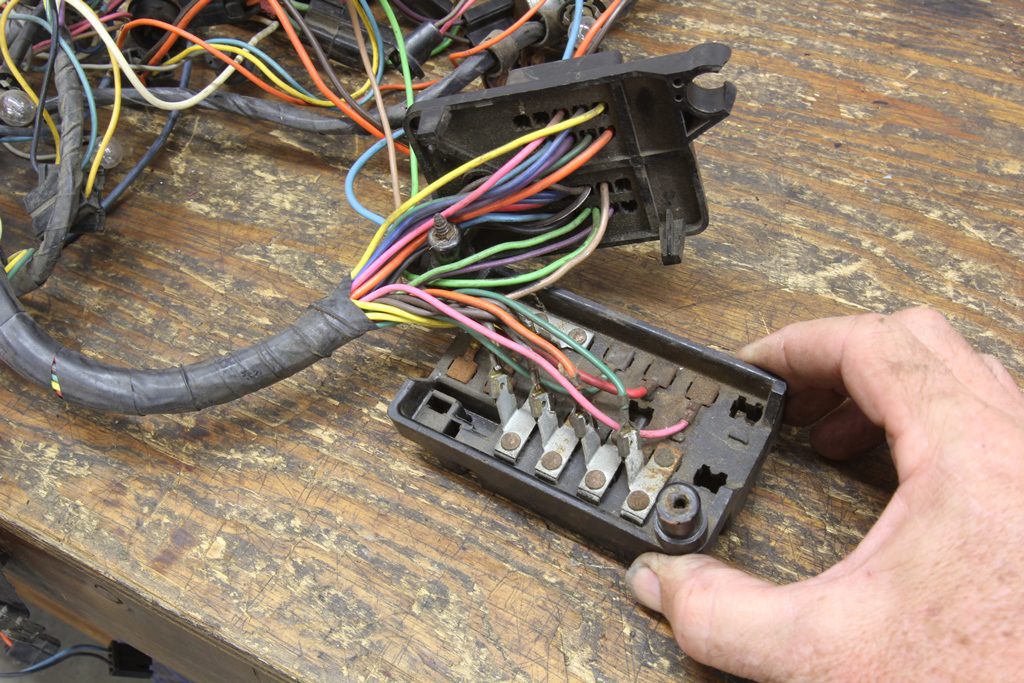
Corrosion can cause serious issuesin car fuse boxes. Look for ruston metal parts. This is a clear sign of corrosion. Discolored wiresmight be another indicator. They can turn green or black. A burnt smellmeans trouble. It shows potential damage. Fuses may blow frequently. This is not normal. It means something is wrong. Electrical problemscan appear. Lights might flicker or not work. The radio may stop functioning. These are signs of a corroded fuse box.
Check for loose connections. They can cause problems. Make sure everything is tight. Water damagecan lead to corrosion. Keep the area dry. If you notice any of these signs, it’s time to clean your fuse box. Don’t wait too long. Taking care of it prevents bigger problems.
Gather Necessary Tools And Materials
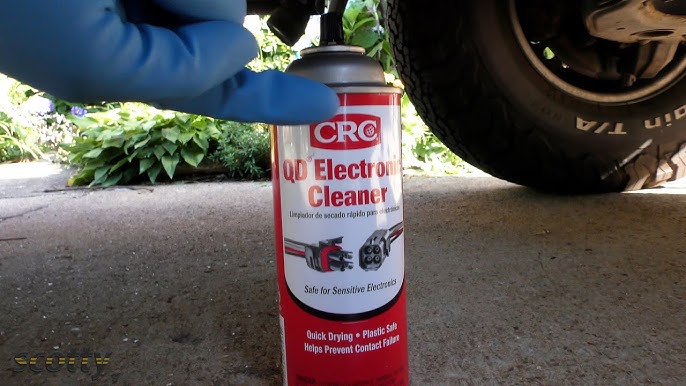
Start by collecting the toolsyou need. A small wrenchis essential. Use it to open the fuse box. Have a wire brushhandy. It’s useful for removing rust. A can of contact cleaneris vital. It helps clean the connections. Grab a pair of gloves. They protect your hands. A clean clothis also needed. Use it to wipe dirt. Ensure you have a flashlight. It helps you see well. Gather all itemsbefore starting. This makes the task easy.
Safety Precautions
Always turn off the car engine before cleaning the fuse box. This step prevents electric shock. Use gloves to protect your hands. Gloves keep you safe from chemicals and sharp objects. Ensure the car is parked on a flat surface. This prevents the car from moving unexpectedly. Keep a fire extinguisher nearby. Fires can start if wires are mishandled. Work in a well-ventilated area. Fresh air helps you breathe easily. Wear safety goggles to protect your eyes. Tiny particles can cause eye injuries.
Check the tools before use. Make sure they are in good condition. Use a flashlight to see clearly. Dark areas can hide dangers. Follow these steps for a safe cleaning process. Safety is always the first priority. Stay alert and focused throughout the task.
Credit: www.alfabb.com
Disconnect The Battery
First, make sure your car is parked safely. Open the hood to find the battery. You will see two cables, one black and one red. The black cable is the negativeand the red one is positive. Always remove the negative cable first. Use a wrench to loosen the nut on the black cable. Pull the cable off the battery post. Do the same with the red cable. Now the battery is disconnected. This step is very important. It keeps you safe from shocks. Also, it prevents short circuits.
Remember, touching both battery posts with metal is dangerous. Always use insulated tools. After disconnecting, place the cables away from the battery. This ensures they do not accidentally touch the battery posts. Now you are ready to clean the fuse box.
Access The Fuse Box
First, park your car in a safe place. Make sure the engine is off. Locate your car’s fuse box. It is usually under the dashboard or in the engine bay. Check your car’s manual if you can’t find it.
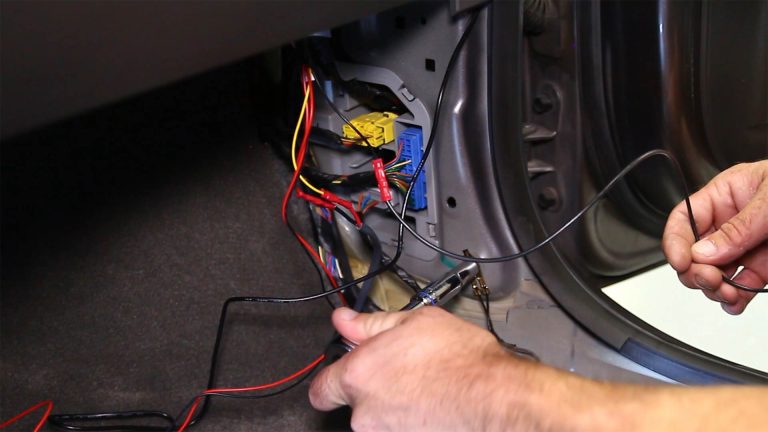
Once you find it, open the fuse box cover. Be careful while opening it. You might need a screwdriver. Look for any corroded fuses. Corrosion looks like a white or green powder.
Make sure you wear gloves before touching corroded parts. Gloves protect your hands from chemicals. Keep a clean cloth and a brush ready for cleaning. A small toothbrush works well.
Inspect For Corrosion
Look carefully at the fuse box. Use a flashlight to see clearly. Check each fuse and wire. Corrosion looks like a white or greenish crust. It can damage the car. Rust is also bad. It is brown or red. Use a small brush to clean it. Brush gently. Use a magnifying glass if needed. Check connectors too. They can corrode. Make sure all parts look fine. If you see corrosion, clean it soon. It can stop parts from working. Safety is important. Wear gloves and goggles. Protect your eyes and hands. Cleaning helps the car run well.
Remove Corroded Fuses
First, gather your tools. You need gloves and a wrench. Safety first! Put on your gloves. Use the wrench to loosen the fuse box cover. Be gentle. Corroded fuses can be fragile. Carefully remove the fuses one by one. Check each fuse. Look for green or white powdery spots. These spots show corrosion. Use a soft brush to clean the spots. Do not scrub too hard. This can damage the fuses. Replace any fuses that look broken or burnt.
Credit: www.ssrfanatic.com
Clean The Fuse Box
First, find a good cleaning solution. Vinegar works well for this. Baking soda is also great. Mix it with water. This makes a paste. Apply the solution on the corroded parts. Let it sit for a few minutes. This helps to loosen the dirt.
Use a small brush to scrub the fuse box. A toothbrush is perfect. Gently scrub the corroded areas. Be careful not to damage the fuse box. Clean all the corners. Make sure you remove all the dirt.
Use a clean cloth to dry the fuse box. Pat it gently. Ensure no moisture is left. Moisture can cause more corrosion. Leave the fuse box open to air dry. This ensures it is completely dry.
Replace Fuses
First, turn off your car’s engine. Next, locate the fuse box. It is often under the hood or dashboard. Open the fuse box carefully. Use a fuse puller to remove the old fuses. Check each fuse. Look for any corrosion or damage. Damaged fuses need replacing. Choose a new fuse with the same amperage rating. This information is on the fuse itself. Insert the new fuse in the correct spot. Ensure it fits tightly. This helps avoid electrical problems.
After replacing, close the fuse box. Start the car again. Make sure everything works well. If problems persist, consult a professional mechanic. Safety is always first. Keep your car’s electrical system in good shape. It helps your car run smoothly.
Reconnect The Battery
Before reconnecting, ensure the battery terminals are clean. Dirt and rust can cause issues. Use a wire brush to scrub the terminals gently. Make sure they are shiny and free of corrosion. After cleaning, attach the positive cable first. This is usually red. Then, connect the negative cable. This one is usually black. Ensure the connections are tight. Loose connections can cause problems. Check the battery is secure in its tray. It should not move when driving. A secure battery is important for safety. Finally, start the car to check everything works. The car should start smoothly. Listen for any strange sounds. If you hear odd noises, check connections again. Everything should be in place.
Test The Electrical System
Testing the electrical systemof your car is crucial. First, ensure the car is off. Then, locate the fuse box. It is usually under the dashboard or near the engine. Use a multimeterto test the fuses. Set the multimeter to DC voltage. Touch the red probe to one end of the fuse. The black probe should touch the other end. A reading of zero means the fuse is good. A reading above zero indicates a problem. Replace bad fuses with new ones. Always check the fuse rating. It should match the original fuse. If unsure, consult a manual.
Safety is key. Wear protective gloves. Ensure the car is on a flat surface. Never test the fuses while the car is running. It could be dangerous. Keep children away from the car during testing. Store the multimeter safely after use. Proper testing prevents electrical issues. It keeps your car running smoothly.
Prevent Future Corrosion
Cleaning a corroded car fuse box helps prevent future corrosion and ensures proper electrical function. Remove the fuse box cover, gently brush off visible corrosion, and apply anti-corrosion spray to protect the metal components. Regular maintenance keeps your car’s electrical system reliable and safe.
Regular Inspections
Check your car fuse box often. It helps to spot problems early. Corrosion can spread fast. It’s important to clean and fix it soon. Look for rust, dirt, or moisture. These can hurt the fuse box. Rust makes metal weak. Dirt can block signals. Moisture can cause short circuits.
Use a flashlight to see better. A clean cloth can wipe away dust. A mirror might help you see behind wires. Always be careful with wires. They carry electricity. Safety is important. Wear gloves to protect your hands. Goggles protect your eyes.
Use Protective Coatings
Protective coatings can shield the fuse box. They stop moisture from getting in. This can prevent rust. Spray the coating evenly. Cover all metal parts. Let it dry completely. Don’t touch until dry.
Some coatings are like paint. Others are sprays. Choose what works best. Read labels for instructions. Follow them closely. A good coating can last long. It keeps the fuse box safe. Protection helps the car last longer.
Frequently Asked Questions
What Causes Corrosion In A Car Fuse Box?
Corrosion in a car fuse box is often caused by moisture and humidity. When water or dampness enters the box, it reacts with metal, leading to rust and corrosion. Regular checks and sealing leaks can prevent this issue.
How Do I Clean A Corroded Fuse Box?
To clean a corroded fuse box, disconnect the battery first. Use a wire brush to scrub off corrosion. Apply a corrosion cleaner or vinegar to remove residue. Ensure the box is dry before reconnecting the battery.
Can A Corroded Fuse Box Affect My Car’s Performance?
Yes, a corroded fuse box can cause electrical issues in your car. It may lead to malfunctioning lights, power loss, or starting problems. Regular maintenance can help avoid these performance issues.
How Often Should I Check My Car Fuse Box?
Check your car fuse box every few months to catch corrosion early. Regular inspections help prevent electrical problems and maintain your car’s performance. It’s especially important in humid or rainy climates.
Conclusion
Cleaning a corroded car fuse box is essential for safety. Regular maintenance prevents bigger problems later. Start by gathering necessary tools and materials. Disconnect the battery for safety. Remove the corroded parts gently. Clean using a wire brush and vinegar solution.
Dry the area completely before reassembling. Reconnect the battery and check the fuses. Ensure everything works properly. Regular checks keep your car running smoothly. Follow these steps for a cleaner, safer fuse box. It saves time and money in the long run.
A simple routine keeps your car in good shape.