How to Get a Car Unstuck From Snow
Start by clearing snow around the tires and under the frame, then use the correct drive wheels and very light throttle; stop if the car shifts, the wheels dig deeper, or you smell clutch or transmission slip. Bad recovery can bury the car, overheat the drivetrain, or snap parts. This guide gives a step-by-step way to decide when to dig, when to rock, and when to call for a tow.
This guide is part of our Winter Car Care: The Complete Cold-Weather Guide series.
Check the car before you try to move


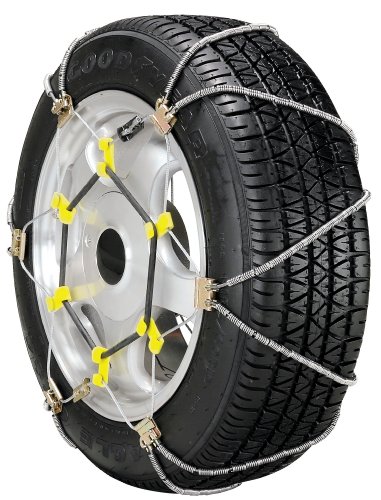
Before any throttle, inspect four things: wheel burial, undercarriage clearance, slope, and whether the car sits on packed snow, fresh snow, or ice. If the chassis rests on snow or the ground, the tires may spin while the car stays fixed, which is a stop-now condition.
Straighten the front wheels unless the slope or roadside angle makes that unsafe. Straight wheels reduce scrub and resistance, so the car can roll in the intended direction with less drag. On a slope, that matters because turned wheels can wedge harder against snow ridges.
Use the waiting time to clear packed snow around the tires and under the vehicle. A shovel is the best first tool because it creates the space traction aids need. If snow is packed hard under the body, dig there first. If the vehicle sits on ice under a thin layer of snow, the tires may need more surface bite than loose snow alone can provide.
What kind of snow are you in?
Fresh powder, packed snow, and ice may call for different next steps. Fresh snow often responds to digging and traction aids. Packed snow acts more like a hard ramp and can hold the car in place. Ice under the tires is the hardest case, because a spinning tire can melt the surface and then sink deeper instead of moving the car.
Loose snow on level ground is the best self-recovery scenario. Deep snow, a crown in the road, or a drift at the edge of a driveway is much less forgiving. If the snow is deep enough that the wheel wells are filled and the undercarriage is loading up, stop treating it like a simple traction problem.
Use an example such as front wheels buried in about 6 inches of loose snow on a flat driveway. Dig a path in front of the tires, put traction material under the drive wheels, and try a short, controlled move. Suppose the same car sits with its belly on a plow ridge. That is no longer a rocking problem; it is a recovery problem.
Snow recovery decision table
| Condition | Drivetrain | Snow depth | Wheel burial | Slope | TCS | Best next action | Stop now? |
|---|---|---|---|---|---|---|---|
| Light drift, tires partly buried | FWD | Shallow | Tread covered | Flat | On | Clear around front drive tires, straighten wheels, place traction aid under front tires, then try light throttle | No |
| Shallow rut or depression | RWD | Shallow | Tread covered | Flat | On or off for controlled rocking | Dig behind rear drive tires, place traction aid under rear tires, use short rocking only if the car still rolls | No |
| Loose snow with wheelspin | AWD | Moderate | Tire shoulders buried | Flat | Usually on | Clear all four contact patches, then use the drive wheels the vehicle sends power to; do not keep spinning | Yes, if spin continues without movement |
| Packed snow with ice under it | Any | Moderate | Tread and sidewalls buried | Any | On at first | Dig packed snow, add rigid traction aid under the drive tires, then try one brief move | Yes, if the car stays fixed |
| Wheel fully buried past the rim | Any | Deep | Fully buried | Any | Any | Stop self-recovery and use recovery equipment | Yes |
| Undercarriage resting on snow or ground | Any | Deep | High-centered | Any | Any | Call for a winch or professional recovery | Yes |
| Car trapped toward a ditch or embankment | Any | Any | Any | Steep or uneven | Any | Do not keep trying from inside the car; use controlled recovery from a proper point | Yes |
How do you dig and place traction aids?
Use a shovel to clear packed snow around the drive wheels and under the undercarriage before any attempt to move. Then put traction aids directly under the drive tires. Floor mats, carpet, boards, gravel, and tree branches can work if they are rigid or rough enough to give the tire something to bite into.
The best placement is under the drive wheels, not randomly in front of the bumper or under a non-driving tire. For a front-wheel-drive car, that usually means the front tires. For a rear-wheel-drive car, that means the rear tires. For all-wheel drive, the car may send power to more than one axle, so clear the tires that are actually spinning first.
Floor mats should go textured side up. Loose items that crush flat, slide away, or pack into powder do little good. If the surface is ice under a dusting of snow, a board or another rigid aid usually gives better bite than a soft object that simply disappears under load.
What should you put under tires to get unstuck from snow?
Use something with grip and shape: a floor mat, a piece of carpet, a board, gravel, or tree branches. The point is not simply to fill space. The object must stay under the tire long enough to let the tread catch. Rigid or rough material works better than loose snow, a shirt, or a slick plastic item.
How do you get a front-wheel-drive car unstuck from snow?
For front-wheel drive, clear snow ahead of the front tires and under the nose if the bumper is plowing snow. Then place traction aids under the front tires, because those are the drive wheels. Keep the steering straight unless the road slope demands a slight correction to keep the car aimed where it can roll.
Rear-wheel drive needs the same basic cleanup, but the traction aid goes under the rear tires. All-wheel drive can still get stuck if one axle is sitting in a hole or if the undercarriage is hung up. Do not assume AWD can power through without digging first.
Underinflating tires is a limited move, not a default fix. A small pressure drop can help on soft snow because it spreads the contact patch, but modern passenger vehicles should be treated carefully here. If you lower pressure, do it only enough to help with traction, then reinflate as soon as the vehicle is free and safe to drive again.
Should you rock the car free?
Rocking can work in a shallow depression, where the tires can roll forward a little, then back a little, without burying the car deeper. It is useful only if the vehicle still has room to move. If the wheels are already fully buried or the body is resting on snow, rocking usually adds spin and cuts the car lower.
Use small forward-reverse alternation rather than a hard launch. Pause fully between direction changes. Do not slam from drive into reverse while the car is still moving. That can shock the drivetrain and make the stuck condition worse. Traction control can interfere with this kind of controlled motion because it may cut power or apply brakes when wheel slip starts.
If the traction control system keeps killing the attempt, a brief disable may help for a controlled rocking attempt on a shallow, flat spot. Turn it back on once the vehicle is free or when you return to normal driving. On ice, or when the tires have no usable bite, disabling TCS will not solve a buried or high-centered vehicle.
Should you rock the car back and forth to get free?
Yes, but only in a shallow depression and only with short, gentle shifts. The moment the wheels dig deeper, stop. Rocking is a spacing tool, not a rescue for a car that is sitting on its belly or buried past the rim. If it needs more than a few careful tries, move to digging or recovery equipment.
When should you stop and call for help?
Stop self-recovery if the vehicle is high-centered, if a wheel is fully buried past the rim, if the car is leaning into a ditch or embankment, or if repeated spinning is making the snow base softer and deeper. Those are the points where more throttle usually means less progress. A towing operator’s point is simple: spinning melts the surface and digs down.
A winch is the better option when the vehicle will not roll free on its own but can be pulled from a stable angle. Proper recovery points matter here. A tow strap or recovery strap must connect to those points, not to a plastic bumper cover. A bumper is not a recovery point on most modern cars.
Picture a sedan with one front wheel in a drift and the frame resting on a snow ridge under the doors. That car is no longer a candidate for rocking. A controlled pull from the right recovery point is safer than another round of wheelspin.
When should you stop trying and call for a tow?
Call for help when the undercarriage is resting on the snow or ground, when a wheel is buried past the rim, or when the car is caught by a ditch or embankment. Those are the clearest stop-now signs. If the vehicle is getting lower with every attempt, the next move should be recovery equipment, not more throttle.
How do you get a car unstuck from snow and ice?
Start with digging, straight wheels, and traction aids under the drive tires. Ice under the snow means the tire may have almost no bite, so short, controlled attempts matter more than power. If the car does not move quickly, stop before the spinning tires polish the ice and sink the vehicle lower.
How do you get a car unstuck from deep snow?
Deep snow usually means the car needs more than rocking. Clear a path around all tires, remove packed snow from under the body, and check whether the wheels are fully buried or the car is high-centered. If the wheel wells are packed solid or the belly is resting on snow, move straight to recovery help.
How do you get a car unstuck from snow and mud?
Snow and mud together are worse than either surface alone because the tire can cut a hole, lose support, and spin deeper. Dig enough to expose firm ground near the drive tires, then use a rigid traction aid. If the tire sinks fast or the body rests on the ground, stop before the hole gets deeper.
Frequently asked questions
How do you get a car unstuck from snow without a shovel?
Without a shovel, your options shrink fast. You can still straighten the wheels, place traction material under the drive tires, and make a very limited attempt if the snow is shallow. If the car is buried deeply, high-centered, or leaning into a ditch, wait for proper recovery equipment.
Products related to this article
Sponsored / affiliate links. As an Amazon Associate I earn from qualifying purchases. I may earn additional commission from eligible campaigns.