How to Get Paint off of Cars: Easy Expert Tips
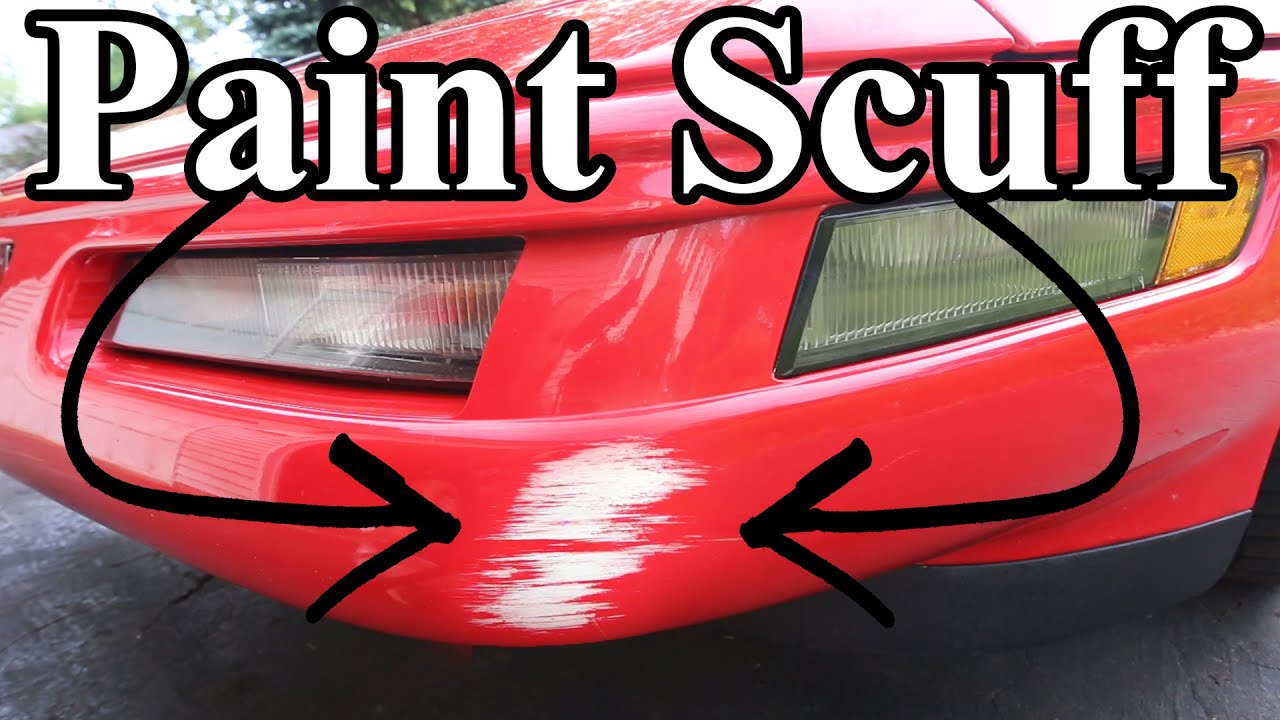
You’ve just noticed it—a smudge of paint on your car that wasn’t there before. Whether it’s from an accidental brush with a wall or an unfortunate parking lot mishap, getting paint off your car can seem daunting.
But don’t worry; you’re not alone, and there is a solution. Imagine driving with your car looking sleek and spotless again. You’ll discover straightforward, effective methods to remove unwanted paint while keeping your car’s original finish intact. We’ll walk you through each step, ensuring you feel confident and empowered to tackle this challenge head-on.
So, let’s dive in and restore your car’s beauty together!
Assessing The Paint Damage
Before removing paint from a car, assess the damage. This step is crucial. It helps determine the right approach and tools to use. Identifying the type and extent of paint damage ensures effective removal.
Check The Paint Type
Identify the paint type on the car. Is it water-based or oil-based? Different paints require different removal methods. Knowing the paint type saves time and effort.
Evaluate The Area Affected
Look at how much of the car is affected. Is it a small spot or a large area? A small scratch is easier to manage than a big splash. The size of the area determines the tools needed.
Determine The Depth Of Damage
Check how deep the paint goes. Is it only on the surface, or has it penetrated deeper? Superficial damage is easier to fix. Deeper damage may need professional help.
Inspect For Any Scratches
Look for scratches under the paint. Paint removal may reveal hidden scratches. Be prepared to fix these after paint removal.
Consider The Car’s Paint Condition
Assess the condition of the car’s original paint. Is it old or new? Older paint may be more fragile. Take extra care with older paint to prevent further damage.
Choosing The Right Tools
When tackling the task of removing paint from your car, choosing the right tools is crucial. Just imagine the frustration of scrubbing endlessly with the wrong brush or ruining your car’s finish with the wrong solvent. Proper tools not only make the job easier but also ensure your vehicle stays in great shape. So, let’s dive into what you need to get the job done right.
Essential Supplies
To start, you need to gather supplies that suit the type of paint and your car’s finish. A plastic scraper can be a lifesaver for gently lifting paint without scratching the surface. For stubborn spots, consider using a clay bar. It’s effective yet gentle, ideal for removing embedded paint.
Don’t forget a good-quality car wash solution. It’s essential for cleaning the area before and after paint removal. A microfiber cloth is another must-have. Its soft fibers help avoid scratching while providing a polished finish.
Have you ever tried using a buffer? It can speed up the process and bring out a shine that hand scrubbing might miss. Just ensure you use the right pad for your car’s finish.
Protective Gear
Your safety matters as much as your car’s appearance. Gloves are essential when handling solvents or chemicals. They protect your skin from irritation and potential harm.
Wearing a mask can prevent inhalation of fumes, especially when working with paint removers. You might think it’s overkill, but health comes first.
Consider eye protection as well. Splashes from cleaning agents can cause serious eye damage. Have you ever tried explaining a trip to the ER because you skipped goggles? It’s not worth it.
Do you feel ready to tackle the task of paint removal? Knowing what tools and gear to use can make all the difference. Remember, preparation is key to success and safety. What supplies and gear do you think you’d need for your car? Let this be the start of a smooth and scratch-free finish.
Gentle Cleaning Techniques
Removing paint from cars requires gentle techniques to avoid damage. Use a microfiber cloth with soapy water for light layers. For stubborn paint, try a clay bar or a commercial paint remover, ensuring it’s safe for car finishes. Always test in a small area first.
Cleaning paint off a car can be a daunting task, especially if you’re worried about scratching or damaging the surface. However, using gentle cleaning techniques can help you remove unwanted paint without harming the finish. These methods are simple, effective, and can save you a trip to the professional detailer.
Using Soap And Water
Start with the basics. A bucket of warm water and some mild car soap can work wonders. Wet a soft cloth or sponge with soapy water and gently rub the painted area in a circular motion. Rinse with clean water and check your progress. Sometimes, repeated applications are necessary, so patience is key. Did you know that the type of cloth you use can make a difference? Microfiber cloths are ideal because they’re soft and less likely to scratch.
Applying Non-abrasive Cleaners
Sometimes soap and water just aren’t enough. Non-abrasive cleaners are your next best option. Look for products specifically labeled as safe for car paint. Apply the cleaner to a clean, soft cloth. Gently rub it onto the paint using small, circular motions, and watch as the paint begins to lift. Always test the cleaner on a small, hidden area of your car first. This ensures that it won’t affect your car’s original paint.
Have you ever wondered how often you should clean your car to prevent such mishaps? Regular washing not only keeps your car looking good but also helps you spot and address new paint marks quickly. Taking care of your car’s paint is not just about aesthetics. It’s about maintaining the vehicle’s value and ensuring it stays in top condition for years to come. Remember, gentle cleaning is both effective and protective.

Credit: www.youtube.com
Chemical Solutions
Removing paint from cars requires the right chemical solutions. Choose products designed for automotive use. Gently apply and wipe to avoid damage.
Removing paint from your car can be a daunting task, especially if you want to avoid damaging the original finish. Chemical solutions offer a practical and effective way to tackle this challenge. With the right products and techniques, you can restore your car to its former glory without any scratches or blemishes.
Safe Solvent Options
Choosing a safe solvent is crucial to protect your car’s paint job. Some solvents are too harsh and can strip away more than just the unwanted paint. Opt for gentle options like mineral spirits or isopropyl alcohol. These are less aggressive and can be used with a soft cloth to rub away the paint without harming the clear coat. Always test a small, inconspicuous area first to ensure compatibility with your car’s surface.
Using Commercial Products
There are several commercial products designed specifically for removing paint from cars. Products like Goof Off or Turtle Wax Label & Sticker Remover are formulated to target unwanted paint without damaging the original finish. Apply these products according to the manufacturer’s instructions for the best results. Typically, you’ll need to apply a small amount to a microfiber cloth, then gently rub the affected area. Have you ever tried using such products? The process is surprisingly straightforward, and many car enthusiasts swear by their effectiveness.
Don’t forget to wash and wax your car afterward to maintain its shine and protect it from future mishaps. Taking the time to carefully choose and apply the right chemical solutions can make all the difference. Have you found a particular method that works best for you? Share your insights in the comments!
Mechanical Methods
Mechanical methods offer effective solutions for removing paint from cars. These techniques involve using physical tools to safely remove unwanted paint. They require attention and care to avoid damaging the car’s surface. The right tools and methods can restore your car’s original look.
Using A Clay Bar
A clay bar gently removes paint and contaminants from your car. Start by washing the car to remove dirt. Spray a clay lubricant on the surface. Rub the clay bar over the paint spots in small sections. Use light pressure and maintain a consistent motion. The clay bar picks up paint particles without harming the surface. Check the clay bar often for debris. Knead it to expose a clean area as needed. After using the clay bar, wash and wax the car for a smooth finish.
Polishing Techniques
Polishing techniques can effectively remove paint from your car’s surface. Choose a quality polishing compound for this task. Use a soft cloth or a polishing pad. Apply the compound to the cloth or pad first. Rub it on the paint spot in circular motions. Keep the pressure light to avoid scratches. Wipe the area with a clean, damp cloth. Repeat if needed until the paint lifts. Finish by applying wax to protect the car’s surface. Waxing restores shine and guards against future damage.
Preventing Future Paint Damage
Safely removing paint from cars helps prevent future damage. Use a soft cloth and mild detergent to gently clean. Avoid harsh chemicals to protect the car’s finish. Regular maintenance keeps your car looking new.
Preventing future paint damage on your car not only keeps it looking pristine but also maintains its value. Imagine driving a car that always looks freshly polished, no matter the season or road conditions. Focusing on preventive measures can save you time and money in the long run.
Protective Coatings
Applying a protective coating is one of the simplest ways to guard your car’s paint. These coatings act as a shield against harsh weather, bird droppings, and even minor scratches. Consider using a ceramic coating, which can offer long-lasting protection and enhance the car’s shine. Remember when you parked under a tree, only to find sap spots the next day? A good protective coating would have made cleaning a breeze. It’s a small investment for peace of mind.
Regular Maintenance Tips
Regular maintenance is your best ally in preventing paint damage. Make it a habit to wash your car every two weeks to remove dirt and contaminants. Use a microfiber cloth to avoid scratches while drying. Waxing your car every three months can add an extra layer of protection. Have you ever wondered why some cars seem to repel water? That’s often the result of a fresh wax coat. Check for any nicks or scratches and address them promptly.
Ignoring a small scratch can lead to rust, which is much harder to fix. Would you rather spend a few minutes now or hours later on repairs? Incorporating these habits into your routine can make a significant difference. Your car deserves the best care, and these tips ensure it looks its best at all times.
When To Seek Professional Help
Struggling with stubborn paint stains on your car? Professional help becomes necessary when DIY methods fail. Experts ensure safe and effective removal, preserving your car’s finish.
Removing paint from your car can be tricky, and sometimes, doing it yourself isn’t the best option. If you’re worried about damaging your car’s finish, it might be time to consider professional help. Professionals have the right tools and experience to safely remove paint without causing further harm to your vehicle.
When Diy Isn’t Enough
Not all paint spills are created equal. If you’ve tried everything from soap and water to more aggressive techniques and the paint still won’t budge, it’s a clear sign that you might need professional help. Professionals can tackle stubborn paint stains that refuse to come off with regular methods.
Dealing With Large Areas
If a large area of your car is covered in paint, you should think twice before attempting to remove it yourself. Large paint spills require more than just elbow grease; they often need specialized equipment that professionals have on hand. Trying to handle this on your own might result in uneven removal or even damage to your car’s original paint job.
Concerned About Your Car’s Finish?
Your car’s finish is delicate and can be easily damaged if the wrong techniques are used. Have you considered how much a new paint job costs compared to professional paint removal? Professionals ensure that your car’s finish remains intact while effectively removing unwanted paint, saving you potential future expenses.
Uncertain About The Paint Type?
Different paints require different removal methods. If you’re unsure about what type of paint is on your car, it might be wise to consult a professional. They can identify the paint type and apply the correct removal technique, preventing unnecessary damage.
Seeking Peace Of Mind
Sometimes, the peace of mind that comes with knowing the job is done right is worth the cost of hiring a professional. Wouldn’t it be reassuring to know your car is in expert hands? Seeking professional help ensures your car will come out looking as good as new, without the stress of doing it yourself.
Frequently Asked Questions
How Can I Safely Remove Paint From My Car?
To safely remove paint from your car, use a specialized automotive paint remover or clay bar. These tools effectively lift paint without damaging the car’s surface. Always follow the product’s instructions and test on a small area first. Using a microfiber cloth can help avoid scratches.
What Household Items Can Remove Car Paint?
Household items like baking soda and vinegar can help. Create a paste with baking soda and water, then gently rub it onto the paint. Vinegar can also be effective when sprayed on the area. Always rinse thoroughly and test on a small area to avoid damage.
Does Wd-40 Remove Car Paint?
Yes, WD-40 can help remove paint from cars. Spray it onto the affected area and let it sit for a few minutes. Then, gently wipe with a clean cloth. It’s important to wash and wax the car afterward to protect the finish.
Can Acetone Damage Car Paint?
Yes, acetone can damage car paint if used improperly. It is a strong solvent that can strip the paint. If necessary, use it sparingly and rinse immediately with water. Always test on an inconspicuous area first to ensure it doesn’t harm the paint.
Conclusion
Removing paint from your car can be simple. Start with gentle methods. Soap and water often help. If needed, try specialized products. Avoid harsh chemicals. They might damage your car’s finish. Always test a small area first. This prevents bigger problems.
Remember to protect your hands and face. Safety matters. Regular car care keeps paint away. Prevent future mishaps with careful parking. Be mindful of your surroundings. Keeping your car paint-free ensures it looks great. A clean car shines on the road.
Enjoy a spotless ride every day!