How to Ground a Wire in a Car: Step-by-Step Guide
Grounding a wire in a car ensures safety and proper function. It prevents electrical issues and protects your vehicle’s circuits.
Understanding how to ground a wire in a car is crucial for any DIY enthusiast or car owner. This process helps avoid electrical malfunctions and ensures your car’s systems operate smoothly. Grounding a wire properly can prevent short circuits, reduce noise in audio systems, and improve the overall performance of your vehicle’s electrical components.
In this guide, you’ll learn the steps to ground a wire in your car effectively. Whether you’re installing a new stereo, fixing a light, or working on any other electrical project, knowing how to ground a wire is essential. Let’s dive into the basics and ensure your car’s wiring is safe and reliable.
Introduction To Wire Grounding
Grounding a wire in a car is very important. Safety is the first reason. Proper grounding prevents electric shocks. It stops circuits from shorting. It also protects car parts from damage. The car’s performance can improve with good grounding. Better grounding leads to stable electrical systems. This keeps everything working smoothly. Grounding is not just for safety. It helps with car efficiency too.
Grounding ensures electricity flows safely. It reduces the risk of fires. It prevents damage to electronic gadgets. Car radios and lights work better. Good grounding stops noise in speakers. It keeps signals clear. Ground wires are like safety nets. They keep cars safe from electric problems. Efficiency and safety are the main benefits. Grounding does not just protect. It improves overall performance.
Some common issues are bad connections. Loose wires can cause problems. Corrosion is another problem. Metal parts might rust. This stops good grounding. Damaged wires lead to poor connections. Incorrect wire size is a big issue. Using the wrong wire size can affect grounding. Bad grounding causes flickering lights. Radios might make noise. Proper maintenance stops these issues.
Tools And Materials Needed
A wire stripper is useful. It helps remove insulation from wires. You also need a multimeter. It checks voltage and current. A wrench set is important too. It tightens and loosens bolts. A drill with bits helps make holes. A screwdriver set is also handy. It helps with screws.
Wires are needed. They connect parts together. You need connectors too. They join wires securely. Electrical tape is helpful. It covers and insulates wires. A grounding strap is essential. It connects to the car’s body. You may also need cable ties. They keep wires neat.
Safety Precautions
Working with car wires can be tricky. Always disconnect the car battery first. This step is crucial to avoid shocks. Use insulated tools to keep safe. Avoid touching metal parts directly. Wear rubber gloves if possible. They offer extra protection.
Check for any damaged wires. Damaged wires can be dangerous. Replace them if needed. Keep your working area dry. Wet areas can cause electric shocks. Work in a well-lit place. Good lighting helps in spotting hazards.
Stay away from flammable materials. Sparks can ignite these items. Have a fire extinguisher nearby. Safety first is the rule.
Identifying The Grounding Point
Finding the chassis is key for proper grounding. The chassis is usually made of metal. Look under the car hood. You will find metal parts connected to the body. These are parts of the chassis.
Pick a clean and rust-free spot on the chassis. Dirty spots can cause bad connections. Use a wire brush to clean the area if needed. Bolts or screws are good choices. They provide strong contact for grounding wires.
Preparing The Grounding Surface
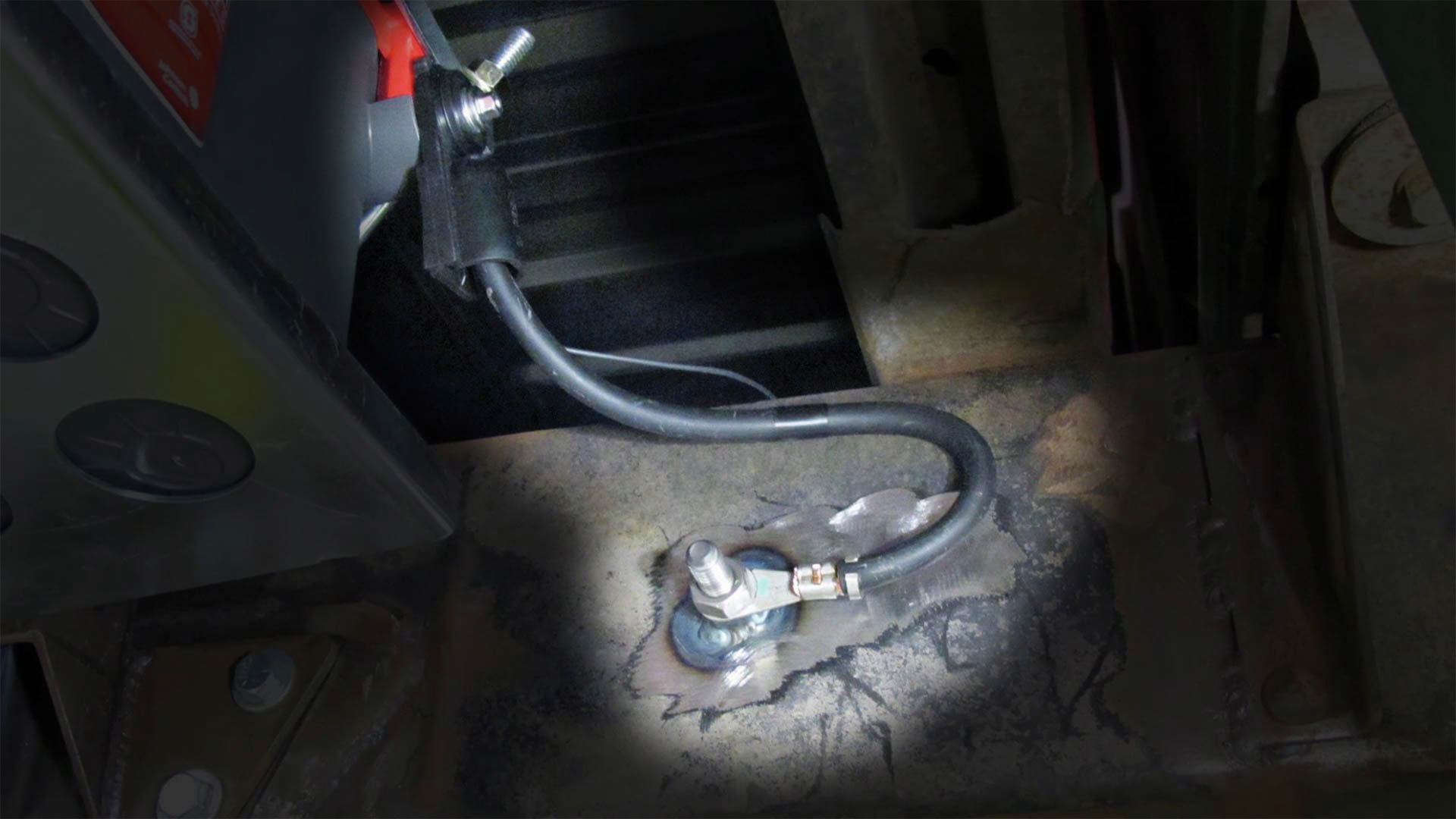
First, find the spot to ground the wire. This spot must be clean. Dirt and rust stop good grounding. Use a wire brush or sandpaper. Gently rub the area. Make the metal shiny.
After cleaning, check for bare metal. Paint and coatings block contact. Remove them carefully. The metal must touch the grounding wire well. This ensures safe electricity flow.
Credit: www.thedashcamstore.com
Connecting The Ground Wire
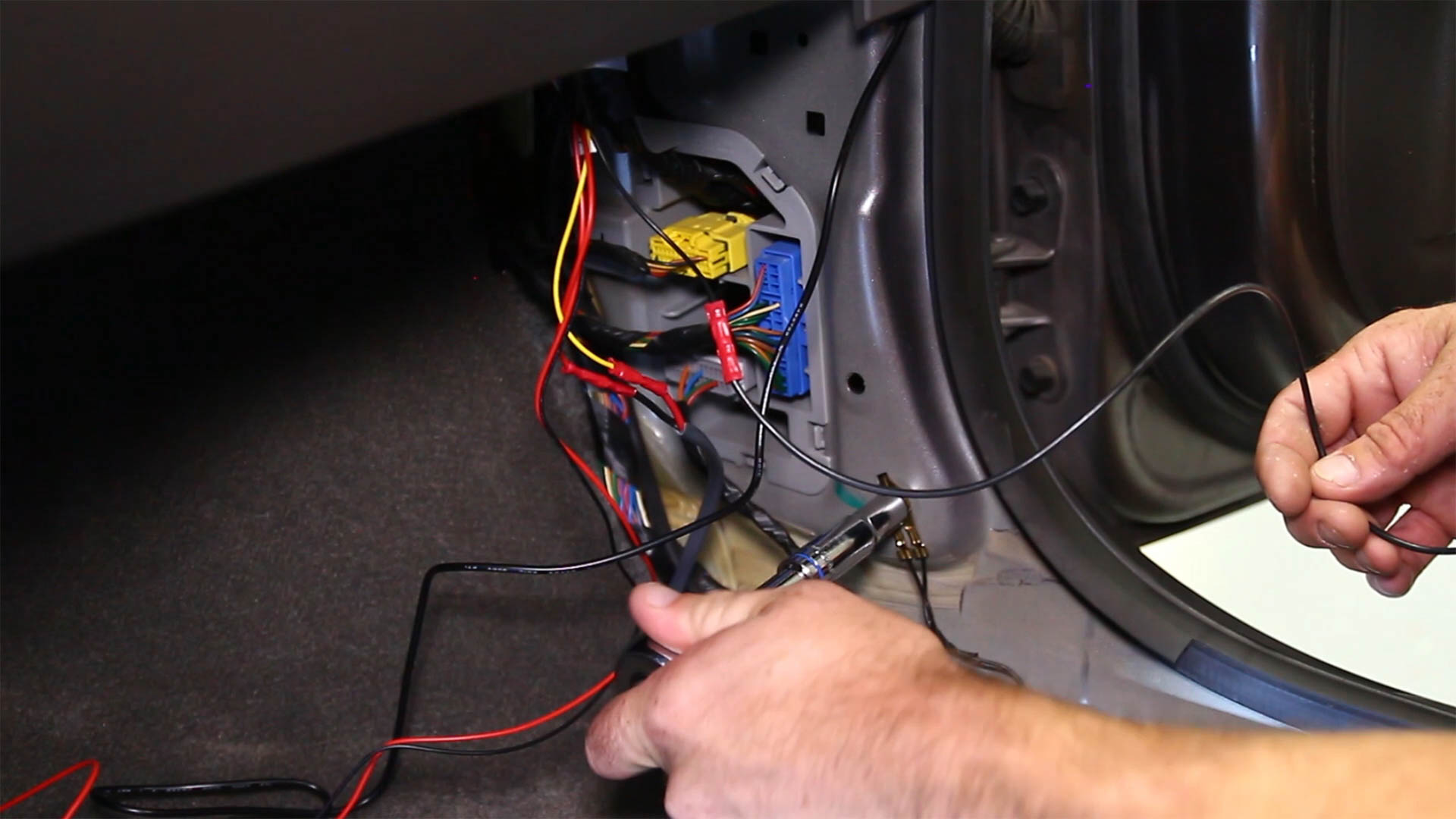
First, get a wire stripper. It’s a tool that helps remove the plastic from the wire. Carefully place the tool on the wire. Squeeze and pull gently to remove the plastic. You should see the shiny wire underneath. This is important for making a good connection.
Find a clean metal spot in your car. This is where the wire will connect. Wrap the stripped wire around a bolt or screw. Make sure it is tight. Use a screwdriver to secure it. The connection should not be loose. This keeps the wire safe and working well.
Testing The Ground Connection
A multimeter is a tool that checks electrical connections. It helps find problems with wires. First, turn on the multimeter. Set it to the continuity setting. This checks if electricity flows smoothly. Touch one probe to the ground wire. The other probe touches the car’s metal. Look at the multimeter screen. A beep or low number means the connection is good. No beep or high number means a bad connection. Always check the multimeter’s battery. A weak battery gives wrong results. Make sure probes are clean. Dirty probes can give false readings. Keep the multimeter safe. It helps in many car checks.
Continuity means electricity can travel easily. It is important for safety. Touch the multimeter probes to the wire and metal. Hear a beep? The connection is strong. No beep? Check the wire and metal. Sometimes dirt or rust stops electricity. Clean them for better flow. Repeat the test. Always be careful with wires. Electricity can be dangerous. Use gloves for safety. Keep the car off during testing. This avoids shocks. Continuity checks make sure wires work well.
Troubleshooting Common Problems
Bad connections can cause big problems in your car. First, check if the wires are tight. Loose wires can stop electricity flow. Make sure the metal parts touch well. Clean the connection points. Dirt or rust can block electricity. Use a wire brush or sandpaper to clean them. Look for any broken wires. Fix or replace damaged wires. These steps help improve connections.
Choose the best ground points for good results. Ground points should be metal and free of paint. Use a multimeter to check the point’s quality. The reading should be close to zero. If not, find a new spot. Secure the wire tightly to the ground point. This ensures a strong connection.
Maintaining Ground Connections
Grounding a wire in a car ensures electrical stability and safety. Secure the wire to a clean, unpainted metal surface. This creates a reliable connection, preventing electrical issues and enhancing vehicle performance.
Regular Inspections
Regular checks keep wires safe. Loose connections can cause problems. Inspect wires every few months. Look for frayed or damaged wires. Check if wires are tightly secured. Safety is key in cars. Ensure wires are not touching hot parts. Heat can damage wires quickly. Use a flashlight for dark areas. Inspecting wires can save money. Prevent big issues with small checks.
Preventing Corrosion
Corrosion can damage wires badly. Check for rust on metal parts. Rust can stop wires from working. Clean rust with a wire brush. Apply anti-corrosion spray on metal. This keeps rust away. Moisture is bad for wires. Keep wires dry. Use plastic covers for wires. Covers protect from water and dirt. Corrosion makes wires unsafe. Protect wires, keep them clean.

Credit: learn.sonicelectronix.com
Conclusion And Best Practices
Always start by finding a good grounding point. Choose a spot on the car’s body. Clean it well. This helps in making a strong connection. Use a wire with the right thickness. This keeps the electric flow safe. Strip the wire ends and attach them to the grounding point. Use a bolt or screw to secure it. Check all connections to avoid any loose ends. This ensures the wire stays grounded.
Keep your tools handy. A wire stripper, screwdrivers, and wrenches are useful. Always check for rust-free spots on the car body. Rust weakens connections. Test the wire with a multimeter. This checks if the grounding is strong. Keep learning about car electronics. This helps in future projects. Remember, safety first. Always wear gloves when working with wires. Follow these tips for better results.
Credit: www.quora.com
Frequently Asked Questions
What Can I Use As A Ground In My Car?
Use the car’s chassis or body as a ground. Connect grounding wires to clean, bare metal surfaces. Ensure good contact by removing paint or rust for effective conductivity. Always check connections for security and reliability.
What Happens If You Don’t Ground A Wire In A Car?
Failing to ground a wire in a car can cause electrical malfunctions and increase the risk of short circuits. It may lead to flickering lights, erratic behavior of electronic components, or even damage to the car’s electrical system. Proper grounding ensures safety and reliable performance of the vehicle’s electronics.
How Do You Ground Yourself In A Car?
To ground yourself in a car, touch a metal part like the door frame. This discharges static electricity. Use anti-static sprays or mats for additional grounding. Regularly moisturize skin to reduce static build-up.
How To Fix Bad Ground Wire In Car?
Locate the faulty ground wire. Disconnect the battery. Clean corroded areas with a wire brush. Securely reconnect the wire. Ensure proper insulation and check for improved performance.
Conclusion
Grounding a wire in a car enhances safety and performance. It’s not complicated. Follow simple steps for a secure connection. Use proper tools. Ensure the wire is clean and corrosion-free. Attach it firmly to a metal part. Check that it’s not loose.
Avoid touching moving parts. Double-check your work. Good grounding reduces electrical issues. Your car runs smoother and safer. If unsure, consult a professional. Proper grounding protects your vehicle. Enjoy a more reliable driving experience. Stay safe and informed. Your car will thank you!