How to Put Windshield Washer Fluid in Car: Effortless Guide
Putting windshield washer fluid in your car is a simple, quick process. Locate the washer fluid reservoir under the hood, open its cap (usually marked with a windshield symbol), and pour in the correct type of fluid until it’s full. This guide provides easy steps and helpful tips to keep your windshield clear.
Hi there! I’m Md Meraj, and I’m here to help you tackle everyday car care with confidence. Is your windshield looking a little murky, and you’re not sure how to get it sparkling clean again? Many of us find ourselves in that situation, especially after a long drive through dust or a sudden rain shower. The good news is that refilling your car’s windshield washer fluid is one of the easiest maintenance tasks you can do yourself. It doesn’t require any special tools or a trip to the mechanic. In this guide, I’ll walk you through exactly how to put windshield washer fluid in your car, step-by-step, so you can get back to enjoying a clear view of the road ahead. Let’s get started on this simple but important car chore!
Why Keeping Your Windshield Clean Matters
A clean windshield is more than just about appearances; it’s crucial for your safety and the safety of others on the road. Visibility is your best defense against unexpected hazards. Dirt, bugs, road grime, and salt can all accumulate on your glass, creating blind spots and glare, especially when the sun is low or when headlights hit it at night.
Windshield washer fluid helps power through these obstructions. It contains cleaning agents that break down stubborn grime and provide lubrication so your wiper blades can effectively sweep the mess away without scratching your glass. Running out of fluid means you can’t clear your windshield in a pinch, which can be dangerous. Regular checks and refills are a small habit that makes a big difference.
Understanding Windshield Washer Fluid
Before we dive into how to add it, let’s quickly talk about what washer fluid is and why you can’t just use plain water (especially in certain environments).
Basic windshield washer fluid typically contains:
- Water: The primary component, acting as a solvent.
- Alcohol (usually methanol or isopropyl): This is key for lowering the freezing point of the fluid. In colder climates, plain water would freeze, turning into ice on your windshield and potentially damaging the reservoir or spray nozzles. Alcohol also helps cut through oily films and road gunk.
- Detergents: These surfactants help lift dirt, bugs, and other debris from the glass.
- Sometimes, dyes: To make the fluid easily identifiable.
When choosing a washer fluid, always consider your local climate. For most of the year, a standard “all-season” fluid is great. However, if you live in or travel to areas with freezing temperatures, you’ll need a “winter” formula with a lower freeze point (often below -20°F or -30°C). Conversely, some specialized “summer” formulas might offer enhanced bug-removing capabilities.
You can find valuable information on vehicle maintenance and fluid types from the U.S. Department of Transportation’s National Highway Traffic Safety Administration (NHTSA) website. While they focus on safety regulations, understanding the importance of proper fluid maintenance is part of safe driving.
What You’ll Need
The good news is that refilling your washer fluid is incredibly straightforward. You likely won’t need many tools, if any! Here’s a quick rundown:
- Windshield Washer Fluid: The main ingredient! Choose the right type for your climate.
- A Rag or Paper Towels: For wiping up any minor spills.
- Gloves (Optional): If you want to keep your hands clean.
That’s it! No wrenches, no complicated gadgets, just a bottle of fluid and something to clean up with.
Locating Your Windshield Washer Fluid Reservoir
The first step is finding the right place to pour the fluid. Every car is a little different, but the windshield washer fluid reservoir is almost always located under the hood.
Under the Hood
1. Open Your Hood: This is usually done with a lever inside your car, typically near the steering column on the driver’s side. There’s also a secondary latch on the front of the hood itself that you’ll need to release once you’ve pulled the interior lever.
2. Secure the Hood: Once open, find the hood prop rod and secure it to keep the hood safely open. Be sure it’s properly seated.
3. Look for the Cap: Scan the engine bay for a cap or lid that is specifically labeled for windshield washer fluid. This is the crucial part! The cap almost always has a symbol on it to make it easy to spot. It commonly looks like a windshield with two wipers, or sometimes just a blue symbol representing fluid.
Common Reservoir Locations and Cap Symbols
The reservoir itself is usually a translucent plastic tank, so you can often see the fluid level inside. It’s typically located on one side of the engine bay, often towards the front or side from the driver’s perspective.
Here’s a table to help you identify the cap:
| Symbol | Description | Typical Use |
|---|---|---|
 |
An icon showing a windshield with wipers | Windshield Washer Fluid |
 |
A blue droplet or liquid symbol | Often designates washer fluid or coolant (check text) |
| Text Label | “Washer Fluid,” “Windshield Washer,” or similar text | Clearly indicates washer fluid |
Important Note: Never confuse the washer fluid reservoir with other fluid tanks. Engine oil, coolant (antifreeze), brake fluid, and power steering fluid are vital for your car’s operation and have different caps and sometimes different colored fluids. Adding the wrong fluid to the wrong reservoir can cause serious, expensive damage. Always double-check the symbol or text on the cap. If you’re ever unsure, it’s best to consult your car’s owner’s manual or a trusted mechanic.
Step-by-Step: How to Put Windshield Washer Fluid in Your Car
Now that you’ve found the reservoir, it’s time to fill it up! Follow these simple steps:
Step 1: Ensure the Engine is Off and Cool
For safety, always make sure your car’s engine is turned off and has had a chance to cool down, especially if you’ve been driving for a while. This prevents any accidental burns from hot engine components.
Step 2: Locate and Open the Washer Fluid Cap
As we just discussed, find the cap with the windshield wiper symbol or clear text. It’s usually a brightly colored plastic cap that lifts off or has a hinge.
Step 3: Check the Current Fluid Level (Optional but Recommended)
Many reservoirs are translucent, allowing you to see the fluid level. If yours is, check how much is left. Most reservoirs have a “MIN” and “MAX” line. If the fluid is near the “MAX” line, you probably don’t need to add more. If it’s empty or near “MIN,” it’s time for a refill.
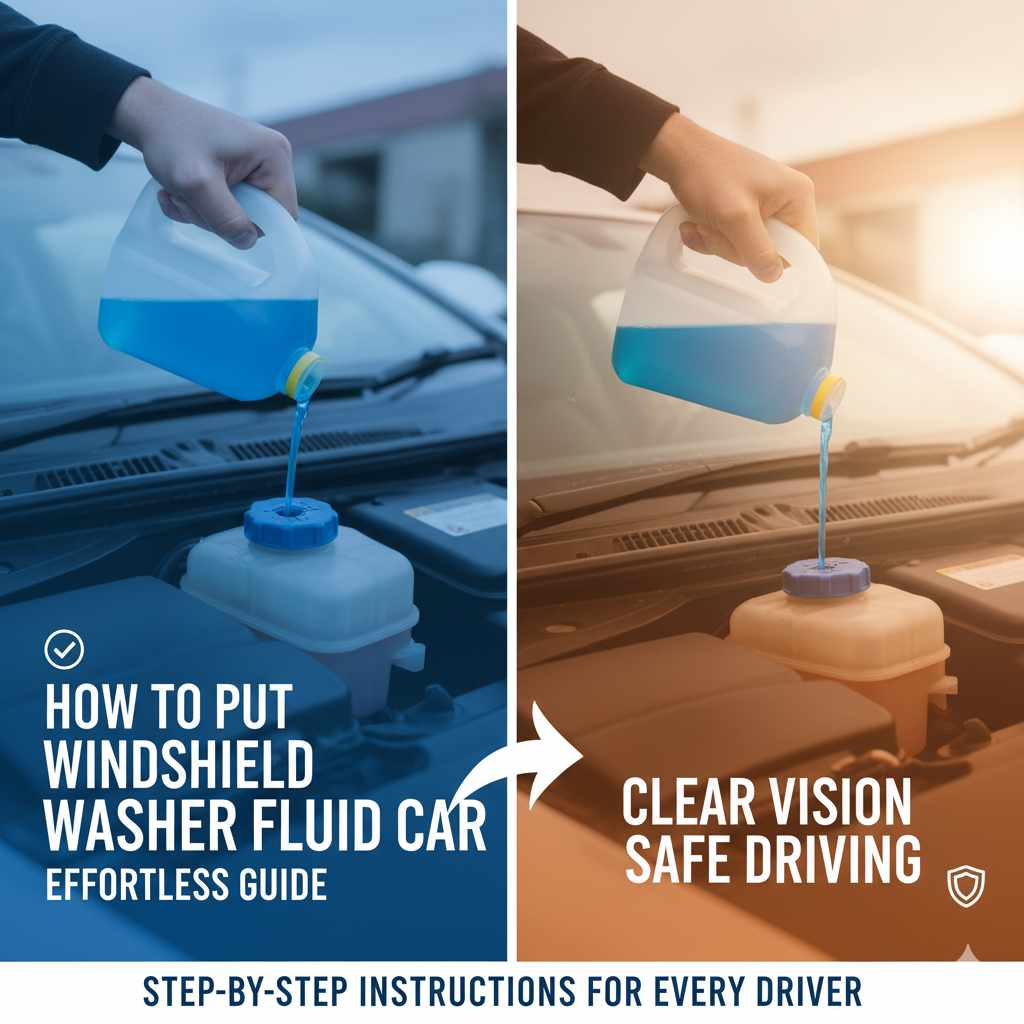
Step 4: Add the Windshield Washer Fluid
Carefully pour your chosen windshield washer fluid directly into the reservoir opening. Do not overfill. Most vehicles have a fill line; aim to fill it up to or just below this line. If you don’t see a line, filling it about three-quarters of the way full is generally a good estimate, leaving some room for expansion.
Pro Tip: Have your rag or paper towels handy to catch any drips or spills. If you do spill a little, wipe it up promptly to prevent it from drying and potentially staining.
Step 5: Close the Cap Securely
Once you’ve added the fluid, firmly press the cap back into place. Ensure it clicks or seals properly. This prevents dirt, leaves, or other debris from entering the reservoir and potentially clogging the washer system.
Step 6: Test the System
Get inside your car, start the engine (if it wasn’t already started for the test), and turn on your windshield wipers and washer fluid spray. You can usually activate this by pushing or pulling a stalk on your steering column. This will confirm that the fluid is flowing correctly and that you’ve successfully refilled the reservoir. It’s also a great way to get a first look at how much cleaner your windshield is!
What Kind of Fluid Should I Use?
Choosing the right washer fluid is important for performance, especially in varying weather conditions.
- All-Season Washer Fluid: This is the most common type. It’s suitable for most mild to moderate weather conditions and typically has a freeze point around 0°F (-18°C). It contains detergents to clean your windshield effectively.
- Winter Washer Fluid: Essential for colder climates. These fluids have a much lower freeze point, often specified as -20°F (-29°C), -30°F (-34°C), or even lower. They are formulated to remain liquid and effective in freezing temperatures, preventing ice buildup on your glass.
- Bug & Tar Remover Washer Fluid: These are specifically formulated for warmer months when bugs, tar, and tree sap are common road hazards. They contain stronger degreasers and solvents to break down sticky residues.
- Water (Use with Caution): In very warm climates and only if you’re certain freezing temperatures won’t occur, plain tap water can be used in a pinch. However, it lacks cleaning agents and can leave streaks. It will also freeze in cold weather. It’s generally not recommended as a long-term solution or for extended use.
Always check the product label for its intended use and freeze protection level.
How Much Fluid Does My Car Hold?
The capacity of a windshield washer fluid reservoir can vary significantly between different car makes and models. However, most passenger cars and SUVs hold somewhere between 1 to 2 gallons (about 4 to 8 liters) of washer fluid.
Here’s a general idea:
| Vehicle Type | Typical Reservoir Capacity (Approximate) |
|---|---|
| Compact Cars | 1 to 1.5 gallons (3.8 to 5.7 liters) |
| Sedans and Mid-size SUVs | 1.5 to 2 gallons (5.7 to 7.6 liters) |
| Larger SUVs and Trucks | 2 to 3 gallons (7.6 to 11.4 liters) |
The best way to know for sure is to check your vehicle’s owner’s manual. It will provide the exact capacity and any specific recommendations for the type of fluid to use.
Troubleshooting Common Issues
While refilling is usually smooth sailing, you might encounter a few minor hiccups. Here are some common ones:
-
No Fluid Coming Out:
- Check the Reservoir: Did you forget to fill it, or did you misjudge the amount needed?
- Check for Leaks: Look under the car for any signs of dripping fluid. A leak can empty the reservoir quickly.
- Clogged Nozzles: The small nozzles on the hood or windshield that spray the fluid can get blocked by debris or dried fluid. You might be able to clear them with a small pin or paperclip.
- Faulty Pump: If you hear a humming sound but no fluid comes out, the pump might be failing. This is a more complex issue that might require a mechanic.
- Fluid Leaking:If you see a puddle of fluid under your car, especially after filling it, there might be a crack in the reservoir or a loose hose connection. Small drips are usually not a major concern, but a significant leak needs attention.
- Streaks or Poor Cleaning:This might indicate you’re using plain water (which doesn’t clean well) or that your wiper blades are worn out. Consider getting a better quality washer fluid and check your wiper blades for wear and tear.
- Fluid Freezing in Winter:This is a clear sign that you need to switch to a winter-grade washer fluid with a lower freeze point. Using water or a standard fluid in sub-zero temperatures can be dangerous.
If you’re unsure about a problem, don’t hesitate to consult your owner’s manual or reach out to a trusted automotive professional. Minor issues can often be prevented with regular checks.
When to Add More Fluid
How often you need to top up your washer fluid depends on several factors:
- Driving Conditions: If you frequently drive on dusty rural roads, in rainy weather, or during seasons when bugs are prevalent, you’ll use more fluid.
- Frequency of Use: If you find yourself using the washer spray often to clear your windshield, your fluid level will drop faster.
- Leaks: As mentioned, leaks will cause faster depletion.
- Temperature: In very cold weather, if you’re using a fluid with a lower freeze point, it might be less effective at cleaning compared to specialized summer bug removers, potentially leading you to use it more often.
Best Practice: Make it a habit to check your washer fluid level at least once a month, especially before a long trip or when you notice reduced visibility. Many cars also have a dashboard indicator light that will illuminate when the washer fluid level is getting low, similar to when your fuel is low. Pay attention to these signals!
Frequently Asked Questions (FAQ)
Q1: Can I just use water instead of washer fluid?
A: While you can use water in a pinch during warm weather, it’s not ideal. Water lacks cleaning agents to effectively remove dirt, bugs, and road film. More importantly, plain water will freeze in cold temperatures, which can damage your washer system and create a dangerous driving hazard. Always use a proper washer fluid, especially in freezing conditions.
Q2: How do I know if I have the right type of washer fluid for the season?
A: Check the product label. Look for the specified freeze point. For winter driving, you need a fluid that can withstand your local lowest temperatures, often labeled as “winter formula” or stating a freeze protection of -20°F (-29°C) or lower. For general use, “all-season” is usually sufficient.
Q3: What happens if I put windshield washer fluid in the wrong reservoir?
A: This can cause serious damage to your car. For instance, putting washer fluid (which contains alcohol and detergents) into your engine coolant system can harm the engine. Putting it in your brake fluid reservoir is extremely dangerous as it can compromise your braking system. Always verify the cap symbol and your owner’s manual before pouring any fluid.
Q4: Can I mix different types of windshield washer fluid?
A: Yes, you can generally mix different types and brands of windshield washer fluid. For example, you can top off an existing fluid with another. However, mixing a regular fluid with a bug remover is fine, and mixing a regular fluid with a winter fluid is also generally okay. If you have a very low freeze point winter fluid and add a regular one, the freeze protection of the mixture will be reduced.
Q5: How often should I check my windshield washer fluid level?
A: It’s a good practice to check it at least once a month. Before long trips or seasonal changes (like moving from summer to winter) is also a smart time to check. Many cars have a low-fluid warning light on the dashboard.
Q6: Is it okay to leave washer fluid in the reservoir all winter?
A: Yes, as long as you are using a winter-grade washer fluid with an appropriate freeze point for your climate. If you’re in a cold region and still have summer fluid or water in the reservoir, you must drain and replace it with a winter formula before temperatures drop below freezing.