How to Remove Hot Chocolate Stains: Effective Solutions
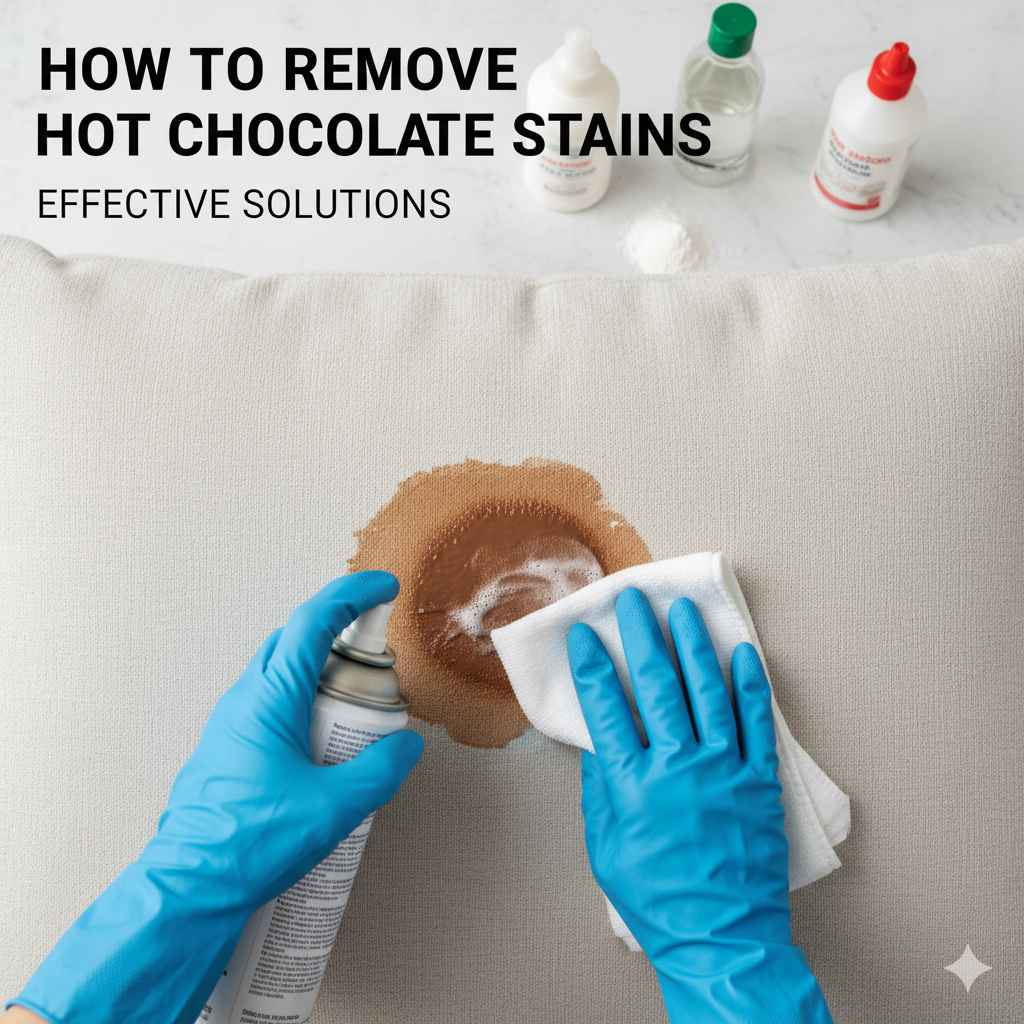
Dealing with hot chocolate stains is usually straightforward! For fresh stains, blot with cool water and mild detergent. For tougher or dried-in spots, a mixture of white vinegar and water or a specialized carpet cleaner can usually get them out. Always test in an inconspicuous area first.
Ah, hot chocolate! That warm, comforting drink is a favorite for many, especially during cozy evenings or chilly days. But sometimes, a little too much enthusiasm can lead to a spill, and suddenly you’re faced with a sticky, brown stain on your favorite rug or upholstery. Don’t worry, it happens to the best of us! Spilled hot chocolate can feel like a daunting mess, but with the right approach, these stains are surprisingly manageable. You don’t need to be a cleaning pro to tackle this. We’ll walk you through simple, effective methods to get your surfaces looking like new again, so you can get back to enjoying that warm beverage without the worry.
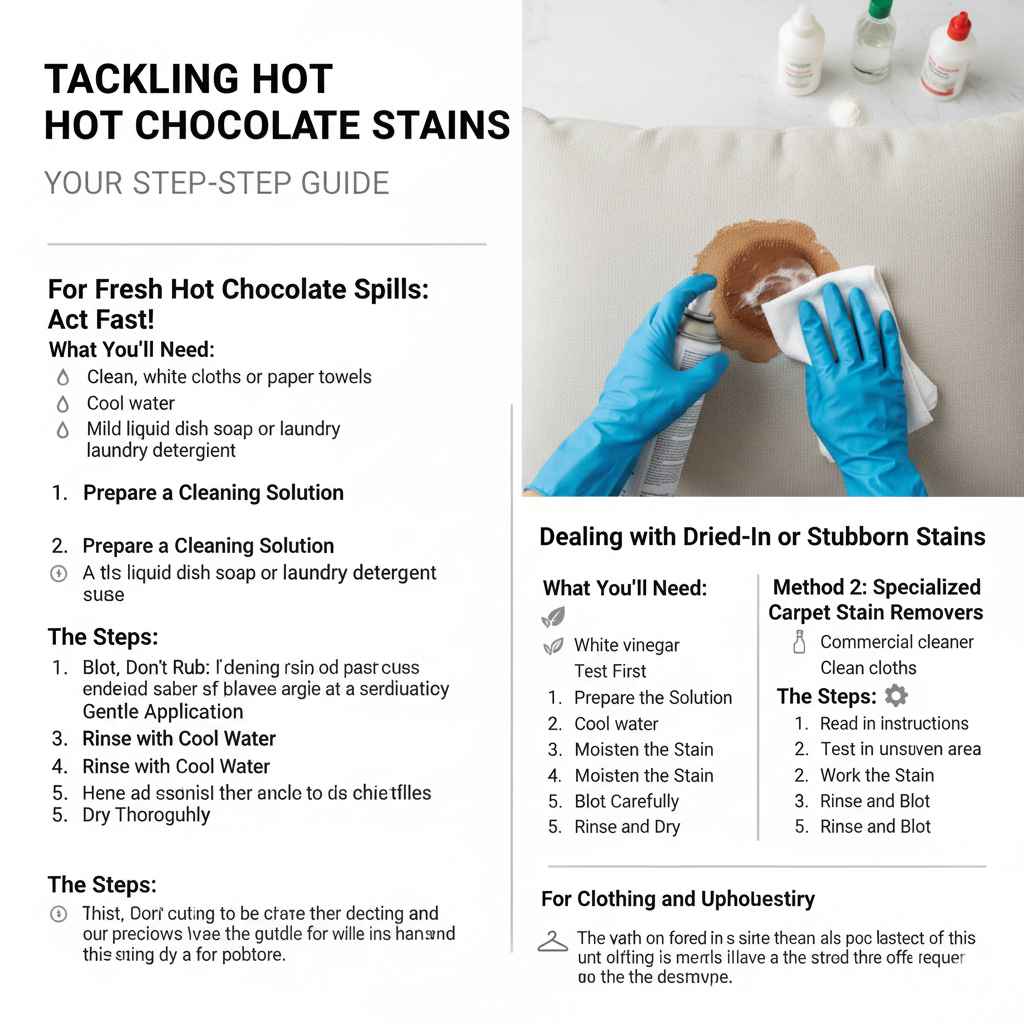
Tackling Hot Chocolate Stains: Your Step-by-Step Guide
Hot chocolate stains are common, but they don’t have to be permanent. The key is to act quickly and use the right cleaning agents for the job. We’ll cover how to deal with fresh spills and those stubborn, dried-in stains. Remember, patience is your best friend when cleaning, and always start with the gentlest method possible.
For Fresh Hot Chocolate Spills: Act Fast!
The moment a hot chocolate spill happens, your immediate priority should be to stop it from setting. The longer it sits, the harder it will be to remove. Here’s what to do:
What You’ll Need:
- Clean, white cloths or paper towels
- Cool water
- Mild liquid dish soap or laundry detergent
- A small bowl
The Steps:
- Blot, Don’t Rub: Grab a clean, dry cloth or paper towel and gently blot the stain. Start from the outside of the spill and work your way inward. This prevents spreading the stain and pushing it deeper into the fabric or carpet fibers. Keep blotting with fresh sections of the cloth until no more chocolate transfers.
- Prepare a Cleaning Solution: Mix about 1 tablespoon of mild liquid dish soap or laundry detergent with 2 cups of cool water in a small bowl. Avoid using hot water, as it can set protein-based stains like those found in milk or cream often present in hot chocolate.
- Gentle Application: Dip a clean cloth into the soapy water, wring it out so it’s damp but not dripping, and gently blot the stained area. Again, blot, don’t rub. You want to lift the stain out, not grind it in.
- Rinse with Cool Water: Once the stain starts to lift, use a clean cloth dampened with plain cool water to rinse the area. This removes any soap residue, which can attract dirt if left behind. Blot thoroughly.
- Dry Thoroughly: Place a dry cloth or several layers of paper towels over the damp area and press down firmly to absorb as much moisture as possible. You can place a heavy object on top of the towels for a few hours to help draw out deeper moisture. Allow the area to air dry completely.
Dealing with Dried-In or Stubborn Stains
If you discover a hot chocolate stain that has already dried, or if the fresh stain method didn’t completely do the trick, don’t despair! Dried stains require a little more effort, but they are almost always removable. The trick here is to rehydrate the stain and use a slightly stronger cleaning agent.
Method 1: Vinegar Solution (Great for Carpets and Upholstery)
White vinegar is a fantastic natural cleaner that can break down many types of stains without damaging fabrics when used correctly. According to the Environmental Protection Agency (EPA), vinegar is a safe and effective household cleaning agent when used as directed.
What You’ll Need:
- Clean cloths or paper towels
- White vinegar
- Cool water
- A spray bottle
- A small bowl
The Steps:
- Test First: Before applying any cleaning solution to the main stain, test it on an inconspicuous spot of the fabric or carpet (like under a furniture leg or in a closet corner). Wait for it to dry to ensure it doesn’t cause discoloration or damage.
- Prepare the Solution: Mix equal parts white vinegar and cool water in a spray bottle. So, for example, 1 cup of vinegar and 1 cup of water creates 2 cups of cleaning solution.
- Moisten the Stain: Lightly spray the vinegar-water solution onto the dried hot chocolate stain. You want it to be damp enough to rehydrate the stain, but not soaked. Let it sit for about 5-10 minutes.
- Blot Carefully: Use a clean cloth to gently blot the stain. You should see the stain begin to transfer onto the cloth. Continue blotting with clean sections of the cloth.
- Rinse and Dry: Once the stain is gone, or significantly faded, dampen a clean cloth with plain cool water and blot the area to rinse away the vinegar solution. Follow up by blotting with dry cloths or paper towels to remove excess moisture. Allow to air dry.
Method 2: Specialized Carpet Stain Removers
For particularly stubborn stains, or if you’re working with delicate fabrics, a commercial carpet stain remover designed for food or pet stains might be your best bet. Always choose a product that is safe for your specific carpet type.
What You’ll Need:
- Commercial carpet stain remover (check product instructions)
- Clean cloths or paper towels
- Vacuum cleaner
The Steps:
- Read Instructions Carefully: Every product is different. Read and follow the manufacturer’s instructions precisely. Pay close attention to any warnings about carpet types or application methods.
- Test in an Unseen Area: This is crucial. Apply a small amount of the cleaner to a hidden spot and let it sit for the recommended time. Check for any color changes or damage before cleaning the main stain.
- Apply the Cleaner: Typically, you’ll apply the cleaner directly to the stain or onto a cloth, then blot. Avoid oversaturating the carpet.
- Work the Stain: Follow the product’s directions. This might involve gentle blotting, light scrubbing with a brush (if recommended), or letting it sit for a specified period.
- Rinse and Blot: Most carpet cleaners require rinsing. Use a clean cloth dampened with cool water to blot the area and remove all residue.
- Dry and Vacuum: Blot with dry towels to absorb moisture. Once completely dry, vacuum the area to lift the carpet fibers and restore its texture.
Stain Removal for Clothing and Upholstery
The principles for cleaning hot chocolate stains on clothing and upholstery are very similar to carpets, with a few key differences in application.
Clothing:
For washable fabrics, after blotting and rinsing as described for fresh stains, you can often pre-treat any remaining discoloration with a stain remover spray or paste (like baking soda and water) before washing the item in your washing machine on a cold cycle. Always check the garment’s care label for washing instructions.
Upholstery:
Similar to carpets, blot fresh spills immediately. For dried or stubborn stains, use a diluted detergent solution or the vinegar-water solution (tested first!). Apply the solution to a clean cloth, then gently blot the upholstery. Avoid saturating the fabric, as excess moisture can damage the padding underneath. Rinse by blotting with a cloth dampened with plain water, and then blot dry with a clean, dry towel. You can use a fan to speed up drying.
Understanding the Stain: Why Hot Chocolate Can Be Tricky
Hot chocolate isn’t just sugar and water. It often contains milk (dairy or non-dairy), which is a protein-based component. Proteins can bind to fabric fibers and become challenging to remove, especially if exposed to heat, which can ‘cook’ the protein and set the stain. The fat content in milk or cream can also contribute to a greasy residue. The chocolate itself contains tannins, similar to those found in coffee or tea, which can cause brown or dark discoloration.
Key Components of Hot Chocolate Stains:
- Proteins (from milk/cream): These require cool water and often detergent to break down.
- Fats (from milk/cream): These can leave a greasy mark and are best tackled with mild soap.
- Tannins (from chocolate): These are colorants that need to be lifted, often with mild acidic solutions or specialized stain removers.
Understanding these components helps explain why certain cleaning methods work best. Cool water is important for the protein, mild soap for fat, and slightly acidic solutions (like vinegar) or oxidizing agents (found in some stain removers) can help break down the color. For more information on stain types and treatments, the Good Housekeeping Institute offers extensive stain-removal guides.
Choosing the Right Cleaning Tools and Products
Having the right supplies on hand can make your cleaning efforts much more effective and less frustrating. Here’s a breakdown of helpful items:
Essential Cleaning Supplies:
- Soft Cloths: Microfiber cloths are excellent for blotting as they are highly absorbent and won’t lint.
- Paper Towels: Great for immediate cleanup and absorbing moisture.
- Spray Bottle: For applying cleaning solutions evenly.
- Mild Dish Soap or Laundry Detergent: Choose a clear, dye-free option if possible.
- White Vinegar: A natural, effective cleaner.
- Cool Water: Always the first choice for rinsing.
- Commercial Stain Remover: A good option for tough, set-in stains.
What to Avoid:
- Hot Water: Can set protein and other stains.
- Harsh Chemicals (like bleach): Unless specified for the material, these can damage fabrics and cause discoloration.
- Rubbing Aggressively: This can spread the stain and damage fibers.
- Using Colored Cloths: Dye from colored cloths can transfer to your fabric, creating a new stain.
Table: Stain Removal Methods at a Glance
Here’s a quick comparison of methods to help you decide the best approach for your hot chocolate stain.
| Stain Type | Method | Pros | Cons | Best For |
|---|---|---|---|---|
| Fresh Hot Chocolate Spill | Cool Water & Mild Detergent Blotting | Gentle, readily available ingredients, effective for new stains. | May require multiple applications for tough stains. | Carpets, upholstery, clothing. Initial on-the-spot treatment. |
| Dried Hot Chocolate Stain | White Vinegar & Water Solution | Natural, deodorizing, effective on set-in stains, budget-friendly. | Requires testing to ensure no discoloration. Might not work on very old stains. | Carpets, durable upholstery, most washable fabrics. |
| Extremely Stubborn / Old Stain | Commercial Carpet/Upholstery Cleaner | Formulated for tough stains, often very effective. | Can be more expensive, requires careful reading of instructions, potential for chemical sensitivity. | Deeply set stains on carpets and upholstery where other methods fail. |
When to Call a Professional
While most hot chocolate stains can be managed at home, there are times when it’s best to enlist professional help. If you have antique rugs, delicate silk upholstery, or a stain that you’ve tried to remove multiple times without success, a professional cleaner has access to specialized equipment and stronger, yet safe, cleaning solutions. They can also identify fabric types and potential problems you might miss, saving you from causing irreversible damage. For most spills, though, these home remedies should serve you well.

Frequently Asked Questions (FAQ)
Q1: Can I use hot water to clean a hot chocolate stain?
No, it’s generally best to avoid hot water. Hot water can cause protein-based components in milk or cream to ‘cook’ and set into the fabric fibers, making the stain much harder to remove. Always opt for cool or lukewarm water.
Q2: How quickly should I treat a hot chocolate stain?
The sooner, the better! Fresh spills are significantly easier to remove than dried stains. Blotting immediately can prevent the stain from setting into the fibers.
Q3: Will a regular laundry detergent work on my carpet?
Mild liquid laundry detergent can work for carpet stains, but it’s essential to use it sparingly and rinse thoroughly. Too much detergent can leave residue that attracts dirt. Always choose a clear, dye-free option and test it first.
Q4: What if the stain is on my leather sofa?
For leather, first blot up any excess. Then, use a damp cloth with a tiny amount of mild soap (like saddle soap or a very diluted pH-neutral soap). Wipe gently, then immediately wipe with a clean, damp cloth to rinse, and dry with a soft, dry cloth. Always test in an inconspicuous area first.
Q5: Can I use bleach on a hot chocolate stain?
Bleach should be a last resort and only used on white, bleach-safe fabrics. For most colored fabrics, upholstery, and carpets, bleach will cause permanent discoloration and damage. Stick to the milder, recommended cleaning solutions first.
Q6: My hot chocolate stain is still there after trying a few methods. What now?
If you’ve tried a couple of the recommended methods and the stain persists, it might be time to consider a commercial-grade carpet or upholstery cleaner specifically designed for tough food stains. Alternatively, this is when calling a professional carpet cleaning service would be a good idea.
Conclusion
Keeping your living spaces clean and free from unsightly spills is achievable, even with favorites like hot chocolate. By acting quickly and using the right techniques, you can tackle hot chocolate stains effectively on carpets, upholstery, and clothing. Remember to always blot, never rub, start with cool water and mild solutions, and test any cleaning product in an inconspicuous area first. For those tougher, dried-in stains, a simple vinegar and water solution or a trusted commercial cleaner can work wonders. With these straightforward methods, you can confidently deal with spills and keep your home looking its best, ensuring those cozy moments are always enjoyable and worry-free.