How to Store Water in Your Car: A Comprehensive Guide
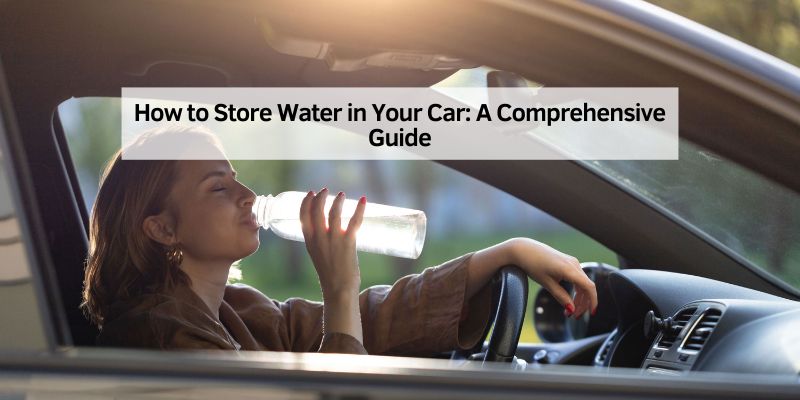
Hey there, fellow driver! Whether you’re hitting the road for a cross-country adventure or just running errands around town, keeping water in your car is a game-changer. I’ve been there—stuck in traffic on a scorching day, wishing I had a sip of water to cool me down. Or that time I was stranded on a remote highway, and a bottle of water felt like a lifeline. Learning how to store water in your car properly can save you from dehydration, keep you comfortable, and even prepare you for emergencies.
In this guide, I’m sharing everything I’ve learned from my own experiences, from choosing the right containers to keeping water safe and accessible. Let’s dive in and make sure you’re never caught parched on the road again!
Why Storing Water in Your Car Matters
I can’t stress enough how important it is to have water with you when you’re driving. Our bodies need water to function, and dehydration can sneak up fast, especially in hot weather or during long drives. I’ve felt that foggy headache creep in when I didn’t drink enough, and it’s not fun—especially when you’re trying to focus on the road. Beyond personal comfort, water is critical in emergencies. A breakdown in the middle of nowhere or a natural disaster like a wildfire can leave you stranded for hours, and having water on hand can make all the difference.
From my own road trips across the USA, I’ve learned that not every gas station has potable water, and convenience stores can be overpriced or out of stock. Plus, in extreme weather—think blistering Texas summers or freezing Montana winters—water can be a literal lifesaver. Storing water in your car isn’t just about convenience; it’s about safety and preparedness.
Choosing the Right Water Containers
When I first started keeping water in my car, I grabbed whatever plastic bottles I had lying around. Big mistake. Not all containers are created equal, and picking the right one can affect both safety and convenience. Here’s what I’ve learned about choosing the best containers for storing water in your car.
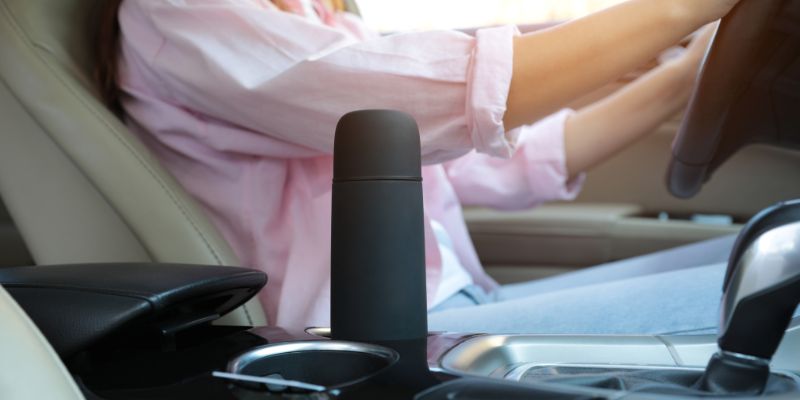
First, go for BPA-free plastic or stainless steel containers. I used to think any plastic bottle would do, but some plastics can leach chemicals into water when exposed to heat, like when your car turns into an oven on a sunny day. BPA-free bottles or jugs are safer for long-term storage. Stainless steel is another great option—it’s durable, doesn’t hold onto odors, and keeps water tasting fresh.
Size matters too. I keep a mix of small 16-ounce bottles for quick sips and a larger 1-gallon jug for emergencies. Smaller bottles are easy to grab while driving, but a larger container ensures you’ve got enough water if you’re stuck for a while. I’ve also found that collapsible water containers are handy for saving space when they’re empty.
Here’s a quick breakdown of container types I’ve tried:
| Container Type | Pros | Cons |
|---|---|---|
| BPA-Free Plastic Bottles | Lightweight, affordable, widely available | Can crack if dropped, may retain heat |
| Stainless Steel Bottles | Durable, keeps water cool, no chemical leaching | More expensive, heavier |
| Collapsible Containers | Space-saving, easy to store | Less durable, harder to clean |
| Glass Bottles | No chemical concerns, recyclable | Heavy, can break easily |
One tip from experience: avoid cheap, flimsy bottles. I once had a dollar-store bottle crack in my trunk, and the mess was a nightmare. Stick to high-quality containers designed for long-term use.
Where to Store Water in Your Car
Figuring out where to store water in your car took some trial and error for me. You want it accessible but secure, and you definitely don’t want bottles rolling under your brake pedal! Here’s what works best based on my own experiments.
The trunk is my go-to for larger containers like gallon jugs. It keeps them out of the way and protected from direct sunlight, which can heat up water and make it taste weird. I use a sturdy plastic crate to keep jugs upright and prevent them from sliding around during sharp turns. If you drive a hatchback or SUV, consider a cargo organizer to keep things tidy.
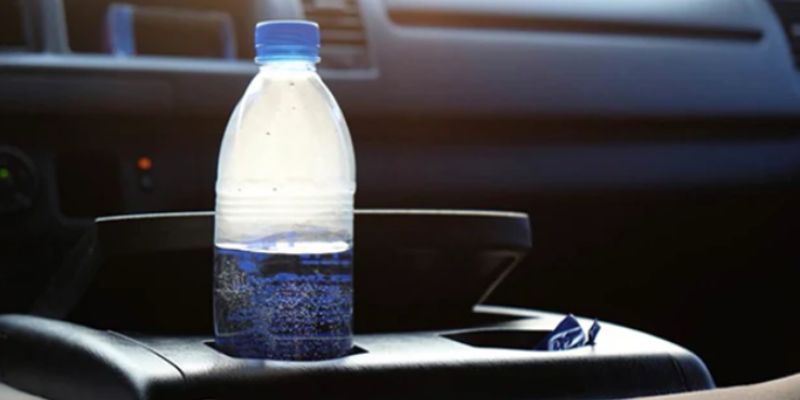
For smaller bottles, I keep a couple in the center console or door pockets for easy access. I’ve also got a small cooler bag under the passenger seat for keeping water cool during summer road trips. One thing I learned the hard way: don’t leave bottles on the dashboard or in direct sunlight. The heat can make plastic bottles unsafe and turn your water into a hot, unappetizing mess.
If you’re short on space, get creative. I’ve tucked slim bottles behind the driver’s seat or in glove compartments. Just make sure they’re secure and won’t become projectiles if you brake suddenly. I once had a bottle fly out from under a seat during a quick stop—lesson learned!
How to Keep Water Safe and Fresh
Storing water in your car isn’t just about tossing a bottle in the back and calling it a day. I’ve had water go bad—think funky smells and weird tastes—and it’s not something you want to deal with. Here’s how I keep my water safe and drinkable.
First, check the expiration date on bottled water. Yes, water technically doesn’t expire, but commercially bottled water can develop a stale taste over time due to the plastic. I rotate my stock every six months to keep it fresh. For reusable containers, clean them thoroughly with soap and water before refilling. I use a bottle brush to get into every nook and cranny, especially for stainless steel bottles.
Temperature is a big factor. Cars can get brutally hot in the summer, and heat can encourage bacterial growth in water, especially if the container isn’t sealed properly. I learned this when I left a half-open bottle in my car for a week—yuck. Store water in a shaded spot, like the trunk or under a seat, and consider using an insulated bag for extra protection.
If you’re filling your own containers, use potable water from a trusted source, like your home tap if it’s safe, or a filtered water station. I’ve got a water filter pitcher at home, and it’s a lifesaver for filling up jugs without worrying about contaminants. Also, avoid refilling single-use plastic bottles too many times—they’re not designed for repeated use and can break down.
Emergency Water Storage Tips
I’ve had my fair share of unexpected car troubles—a flat tire in the desert, a snowstorm that closed the highway—and having enough water on hand was a relief. For emergencies, I always keep at least one gallon of water per person in my car. If you travel with family or pets, increase that amount.
I also pack a small emergency kit with water purification tablets. These are a game-changer if you’re in a pinch and need to use questionable water sources, like a stream or a public fountain. They’re lightweight and take up barely any space. Another trick I picked up is keeping a few single-serve electrolyte packets in my glove box. They’re great for boosting hydration if you’re stuck in extreme heat or feeling dehydrated.
For long-term storage, consider sealed, commercially bottled water with a long shelf life. I keep a case of bottled water in my trunk, tucked into a corner so it doesn’t roll around. If you live in an area prone to natural disasters like hurricanes or earthquakes, make water storage a priority in your car’s emergency kit.
Water Storage for Different Seasons
Living in the USA means dealing with all kinds of weather, and I’ve learned that water storage needs change with the seasons. In summer, heat is the biggest issue. I’ve had water bottles get so hot they were undrinkable, so I use insulated containers or a small cooler bag with an ice pack for road trips. If you’re parked for long periods, crack a window or park in the shade to keep your car’s interior cooler.
In winter, freezing is the problem. I once found a plastic bottle in my trunk that had split open after a cold snap. Now, I use freeze-resistant containers like stainless steel or thick BPA-free plastic. If you live in a cold climate, store water in the passenger compartment rather than the trunk—it’s less likely to freeze there. Also, check your containers regularly for cracks or leaks caused by freezing temperatures.
Spring and fall can be milder, but don’t let your guard down. I rotate my water supply more frequently in these seasons because fluctuating temperatures can affect water quality. A good rule of thumb is to check your water every couple of months, no matter the season.
Water Storage for Long Road Trips
Road trips are my favorite way to explore the USA, but they come with unique challenges for water storage. When I drove from California to Colorado last year, I learned a few tricks that made a big difference.
First, plan for more water than you think you’ll need. I aim for at least half a gallon per person per day, plus extra for emergencies. For a three-day trip, that’s at least 1.5 gallons per person, not counting what you’ll drink at rest stops or hotels. I pack a mix of small bottles for convenience and larger jugs for backup.
Coolers are your best friend on long drives. I use a soft-sided cooler that fits under the seat and holds a few bottles with an ice pack. It keeps water cold and refreshing, which is a morale booster when you’re hours into a drive. If you’re camping or stopping in remote areas, consider a portable water filter for refilling from natural sources—just make sure it’s a high-quality filter designed for outdoor use.
Another tip: label your containers. I once mixed up my water jug with one I was using for windshield washer fluid. Not a fun mistake! Clear labels keep things organized, especially if you’ve got multiple containers in your car.
Water Storage for Families and Pets
If you’re traveling with kids or pets, water storage gets a bit more complicated—but I’ve got you covered. Kids need smaller, easy-to-hold bottles, and I’ve found that spill-proof sippy cups or bottles with straws work great for little ones. My niece loves her colorful BPA-free bottle, and it’s easy for her to use without making a mess.
For pets, I keep a collapsible water bowl in my car. My dog, Max, gets thirsty on long drives, and having a dedicated bowl makes it easy to give him water at rest stops. I also pack extra water just for him—about a quart per day for a medium-sized dog. If you’ve got a cat or smaller pet, a smaller bowl and less water will do.
One thing I’ve learned is to keep family and pet water separate from your emergency stash. It’s tempting to dip into that gallon jug when your kid spills their bottle, but you don’t want to run out in a real emergency. I use a separate cooler bag for daily use and keep the emergency water tucked away in the trunk.
Common Mistakes to Avoid
I’ve made plenty of mistakes when it comes to storing water in my car, and I want to save you the trouble. Here are the biggest ones to avoid:
- Leaving water in direct sunlight: It can get hot, taste bad, and even become unsafe. Always store water in a shaded spot.
- Using low-quality containers: Cheap bottles can crack or leach chemicals. Invest in good-quality, BPA-free options.
- Forgetting to rotate your supply: Stale water isn’t just gross—it can be unsafe. Check and replace your water every six months.
- Not securing containers: Loose bottles can roll under seats or become hazards. Use crates or organizers to keep them in place.
- Underestimating your needs: Always pack more water than you think you’ll need, especially for long trips or emergencies.
My Go-To Water Storage Setup
After years of trial and error, I’ve nailed down a system that works for me. I keep two 16-ounce BPA-free bottles in my center console for daily use—one for me, one for my passenger. In the trunk, I’ve got a crate with a 1-gallon jug and a case of 12 bottled waters for emergencies. A small cooler bag under the passenger seat holds a few chilled bottles for hot days, and I’ve got a pack of water purification tablets in my glove box just in case.
This setup covers my daily drives, road trips, and unexpected situations. It’s simple, affordable, and keeps me prepared without taking up too much space. Feel free to tweak it to fit your needs—maybe you need more water for a big family or less if you’re just commuting.
Conclusion
Storing water in your car might seem like a small thing, but it’s one of those habits that can make a huge difference. From keeping you hydrated during a long commute to ensuring you’re prepared for emergencies, having water on hand is a no-brainer. I’ve learned through my own adventures—some fun, some stressful—that a little planning goes a long way. Choose the right containers, store them smartly, and keep an eye on freshness, and you’ll never be caught thirsty on the road. Whether you’re cruising through the city or exploring the open highways of the USA, having water in your car gives you peace of mind and keeps you ready for anything. So, grab a bottle, hit the road, and drive with confidence!
FAQs
How much water should I keep in my car?
I recommend at least one gallon per person for emergencies, plus a few smaller bottles for daily use. For a family or long trips, increase that to half a gallon per person per day, plus extra for pets.
Can I use tap water to fill my car’s water containers?
Yes, as long as it’s from a safe, potable source. I use a water filter pitcher at home to fill my jugs, which ensures the water is clean and tastes good.
How often should I replace the water in my car?
I rotate my water every six months to keep it fresh. If you’re using reusable containers, clean them thoroughly before refilling to avoid bacteria buildup.
What’s the best way to keep water cool in my car during summer?
I use a small cooler bag with an ice pack or insulated stainless steel bottles. Store them in a shaded spot, like under a seat or in the trunk, to avoid direct sunlight.
Is it safe to store water in my car during winter?
Yes, but use freeze-resistant containers like stainless steel or thick BPA-free plastic. Store water in the passenger compartment to prevent freezing, and check for cracks if temperatures drop.