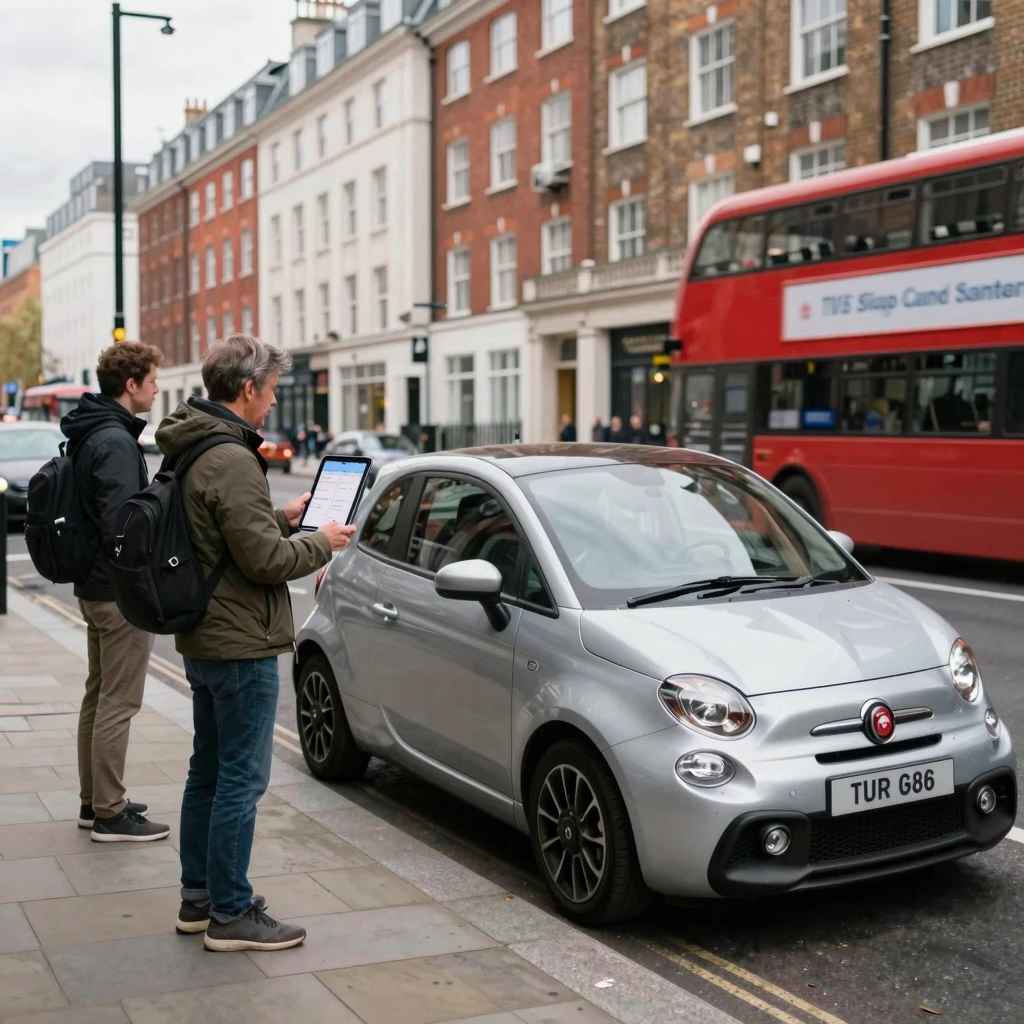
How Turo Works For Renting Your Car In London Explained
Renting out your car can feel like a puzzle. You might have questions about how it really works. Especially if you’re in a busy place like London.
Many car owners wonder if it’s worth the effort. They worry about their car’s safety. They also think about the money involved.
This guide will break it all down. You’ll learn the steps clearly. We’ll cover what you need to know.
You’ll feel more confident about renting your car in London.
Turo lets car owners rent their vehicles directly to others. You set your own prices and availability. Turo handles bookings, payments, and provides insurance coverage.
It’s a peer-to-peer car-sharing marketplace.
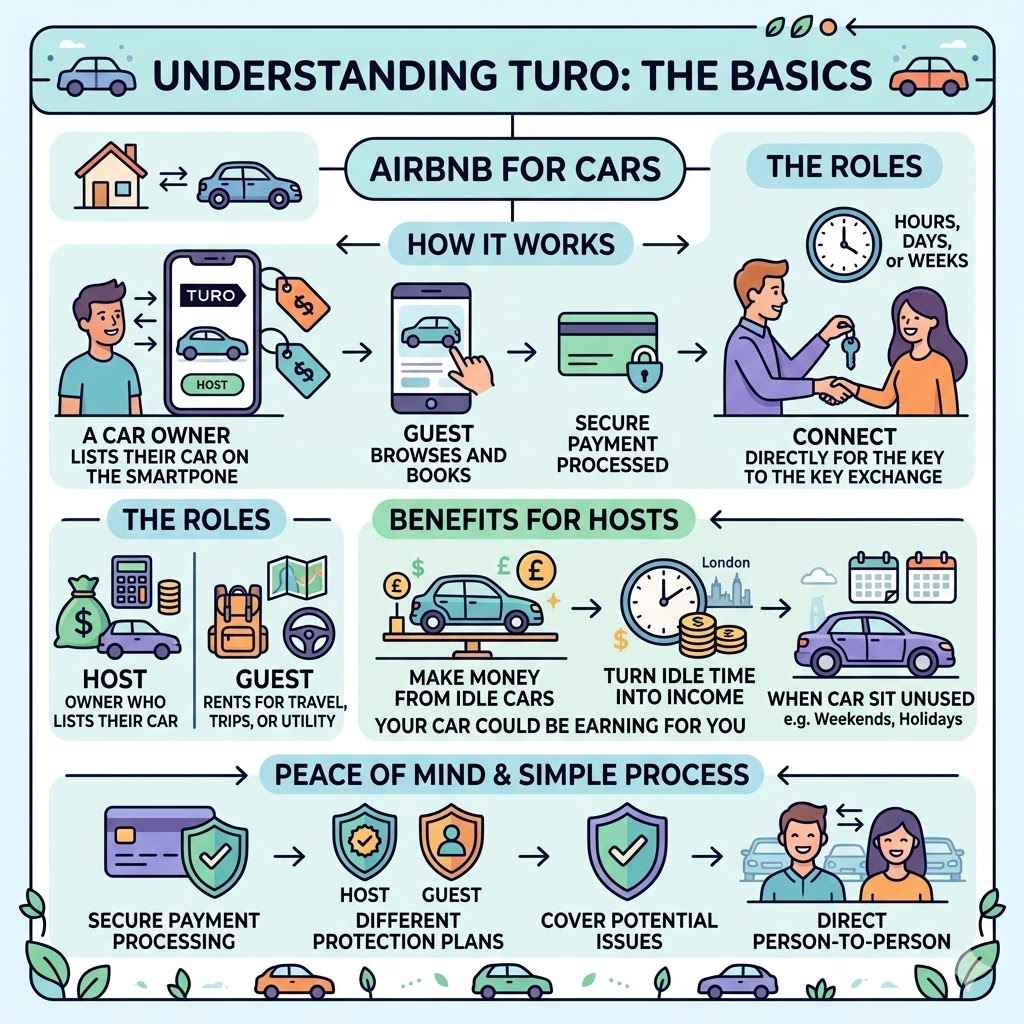
Understanding Turo: The Basics
Turo is often called the “Airbnb for cars.” It connects people who own cars with people who need to rent one. You list your car on their website or app. People who want a car can then book it from you.
This happens for a few hours, days, or even weeks. You become a host. The person renting your car is a guest.
It’s a way to make money from a car that sits idle. Many cars in London don’t get used every day. Think about weekends.
Or times when you’re on holiday. That car could be earning money for you. Turo aims to make this process simple.
They handle many of the tricky parts.
This includes secure payment processing. They also offer different levels of protection plans. These plans cover potential issues.
It’s designed to give both the host and the guest peace of mind. You’re not dealing with a big rental company. You’re dealing directly with another person.
How Turo Works for Hosts in London
Becoming a host on Turo is a straightforward process. It starts with signing up. You’ll need to provide some details about yourself.
You also need details about your car. This includes its make, model, year, and features. Turo uses this information to check if your car is eligible.
Not all cars are accepted. Turo has rules about car age and condition. They want to ensure a good experience for guests. For hosts in the US, our complete Turo host guide covers US-specific vehicle requirements and earnings plans in detail.
Your car must be in good working order. It also needs to be clean. Think about what you’d want to rent.
That’s the standard to aim for.
Once your car is approved, you list it. You can choose your daily price. You can also set rules.
For example, you can decide on the mileage limits. You can also pick where the car is picked up. Many hosts in London choose to meet guests at their home or a train station.
Others use Turo’s remote check-in tools. This makes it easier if you can’t be there in person.
Listing Your Car: What You Need
To list your car, you’ll need to upload photos. Good photos are very important. They help people see your car.
Make sure the car is clean in the pictures. Show the exterior from different angles. Also, show the interior.
Highlight any special features. This could be a sunroof, a great sound system, or good legroom.
You’ll also write a description. Be honest and clear. Mention the car’s fuel type.
Note its passenger capacity. Point out any unique selling points. Is it good on fuel?
Is it stylish? Is it perfect for city driving? These details help guests choose your car over others.
Turo provides tools to help you set your price. They consider factors like your car’s value. They also look at demand in your area.
London is a high-demand area. This can mean higher earning potential. You can adjust your prices.
You can also offer discounts for longer rentals. This can help attract more bookings.
Pricing Your Car on Turo
Setting the right price is key. You want to earn money, but you also want your car to be rented often. Turo offers pricing recommendations.
They look at similar cars in your area. They also consider the car’s features. A newer, more luxurious car will command a higher price.
You can also set dynamic pricing. This means your price can change. It can go up during peak times.
It can go down during slower periods. This helps maximize your earnings. Think about events in London.
If there’s a major festival or conference, demand might spike. You can adjust your price then.
Consider your running costs. You need to factor in fuel. You also need to think about wear and tear.
Turo allows you to set a maximum daily mileage. If guests go over this, they pay a fee. This fee is set by you.
It helps cover extra wear on your car. It also covers potential extra fuel costs.
Some hosts offer extras. These could be things like a child car seat. Or a cooler for beach trips.
Or even a bike rack. You can charge a small fee for these extras. This adds to your earnings.
It also makes your car more appealing to a wider range of guests.
Understanding Turo’s Fee Structure
Turo takes a percentage of your earnings. This is their host service fee. The exact percentage can vary.
It often depends on the protection plan you choose. Generally, hosts earn between 70% and 85% of the trip price. This fee covers their platform costs.
It also covers customer support and marketing.
It’s important to understand this fee. When you set your price, you need to account for it. If you want to net £50 for a day, you’ll need to price it higher.
The guest pays the total price, including Turo’s guest fee. This fee is separate from the host fee.
Insurance and Protection Plans
This is a big concern for many car owners. What happens if your car is damaged? Turo offers protection plans.
These are designed to cover you. You choose a plan when you list your car. Each plan has different levels of coverage.
The plans include liability insurance. This covers you if the guest causes an accident. They also offer physical damage protection.
This can cover repairs to your car. There are different deductibles. A deductible is the amount you pay before insurance kicks in.
Higher deductibles often mean a lower host fee. Lower deductibles mean a higher host fee.
It’s crucial to read the details of each protection plan. Understand what is covered. And what is not covered.
Turo’s plans cover your car up to a certain value. There are also limits on age and mileage for eligibility. Make sure your car meets these requirements.
What about wear and tear? Turo considers normal wear and tear different from damage. For instance, a few more miles on the odometer are expected.
A small scratch from a shopping cart might be considered normal wear. Major damage, like a dent from a collision, is covered by the protection plan.
For hosts in London, it’s good to know about the insurance backed by reputable providers. Turo works with insurance companies to offer these plans. This adds a layer of trust.
You’re not just relying on Turo’s word. You’re covered by actual insurance policies. Always check the latest terms and conditions from Turo.
Quick Scan: What Protection Covers
- Accidents: Covers damage from collisions.
- Theft: Covers the car if it’s stolen during a rental.
- Vandalism: Covers damage caused by intentional destruction.
- Liability: Covers injuries to others if the guest is at fault.
The Rental Process: From Booking to Return
When a guest wants to rent your car, they send a request. You get a notification. You can review the guest’s profile.
Turo verifies guests. They check their driver’s license and driving record. You can approve or decline the request.
Most hosts approve requests from verified guests.
Once approved, the booking is confirmed. You’ll arrange the pickup. This is where you meet the guest.
You’ll both inspect the car together. You take photos of its condition before the rental starts. This is very important.
It’s your proof of the car’s state. The guest also confirms the condition.
The guest then drives the car. You can track the rental through the Turo app. It shows GPS location.
It also shows mileage. This is part of Turo’s safety features. Most rentals go smoothly.
When the rental ends, the guest returns the car. You meet them again. You inspect the car together.
You compare its condition to when it was picked up. You both confirm the return. You take more photos.
This is your record after the rental.
Turo handles the payment. The guest pays upfront. You get paid after the rental is completed.
Payments are usually processed within a few days. Turo holds the funds until the trip ends successfully.
Contrast: Pre-Rental vs. Post-Rental Checks
Pre-Rental:
- Goal: Document the car’s pristine condition.
- Action: Thorough walk-around with guest. Take many clear photos. Check for existing scratches or dents. Record fuel level and mileage.
Post-Rental:
- Goal: Identify any new damage or issues.
- Action: Repeat walk-around with guest. Compare photos from pick-up. Check for new scratches, dents, or interior stains. Record fuel level and mileage again.
Personal Experience: My First Turo Rental in London
I remember my first Turo listing. It was my trusty little hatchback. It sat parked on a side street in Shoreditch most weekdays.
I’d heard about Turo. I thought, “Why not try it?” I took some photos. I wrote a description.
I set a price. It felt a bit weird putting my car out there.
Within a week, I got my first booking request. A young woman wanted it for a weekend trip out of the city. My heart did a little flip.
“What if she crashes it?” I thought. I checked her profile. Turo had verified her.
She had good reviews. I approved the request.
The pick-up day was sunny. I met her near my flat. We walked around my car.
I pointed out a tiny scratch on the bumper I’d forgotten about. She noted it down. I showed her how the radio worked.
She seemed nice. She drove off. I felt a strange mix of freedom and a bit of worry.
The weekend passed slowly. I kept checking the app. The GPS showed my car driving around the countryside.
It looked like a pleasant trip. On Sunday evening, she returned the car. We did the same check.
Everything looked fine. The fuel was a little lower. She topped it up before returning it.
She thanked me. I felt a huge wave of relief. And then, a little buzz.
I’d made money from my car.
That first rental taught me a lot. It showed me Turo was real. It showed me people generally take care of cars they rent.
It also showed me how important those pre and post-rental checks are. My anxiety faded. It was replaced by a sense of opportunity.
Tips for Maximizing Your Earnings in London
London is a massive market for car rentals. This means great potential for hosts. To make the most of it, consider these tips:
Keep your car clean: This sounds obvious. But a sparkling clean car gets more bookings. Guests expect a clean interior and exterior.
Vacuum the floors. Wipe down surfaces. Remove any personal items.
A clean car feels more trustworthy.
Maintain your car: Ensure your car is in good mechanical condition. Regular servicing is key. Check tire pressure.
Make sure all lights work. A well-maintained car reduces the risk of breakdowns. Breakdowns cause headaches for everyone.
They can lead to cancelled bookings.
Be responsive: Answer guest inquiries quickly. When a guest requests your car, respond promptly. This shows you’re an engaged host.
It also helps secure bookings before someone else does.
Offer flexibility: If possible, be flexible with pick-up and drop-off times. This makes it easier for guests. Especially those arriving at airports or train stations.
If you can’t be there, consider using Turo’s remote check-in options.
Add extras: As mentioned before, think about useful add-ons. Child seats are a big one in London. Maybe a sat-nav if your car doesn’t have one.
Or even an umbrella for those rainy days!
Set competitive prices: Research what other similar cars are charging on Turo in London. Use Turo’s pricing tools. Adjust your prices for demand.
Higher prices during major events or holidays can boost your income significantly.
Understand your protection plan: Know what your chosen plan covers. This helps you set expectations and manage risk.
Host Tips: Quick Reference
- Cleanliness: Always spotless inside and out.
- Maintenance: Regular checks prevent problems.
- Speed: Respond to guests fast.
- Flexibility: Accommodate pickup times if possible.
- Extras: Offer useful add-ons for extra cash.
- Pricing: Stay competitive and adjust for demand.
Real-World Context: London and Car Sharing
London is a unique environment for car sharing. The city has a huge population. Many people rely on public transport.
However, there’s still a demand for cars. This demand comes from various groups.
Tourists visiting London often need cars. They might want to explore outside the city. Or they need a car for a short business trip.
People who don’t own cars might rent one for a weekend outing. They might need to move large items. Or visit family outside the M25.
Parking in London can be a challenge. And expensive. This is why many people don’t own cars.
But they still need access to one sometimes. Turo fills this gap. It offers a convenient way to get a car when needed.
Without the commitment of ownership.
The types of cars popular in London might differ. Smaller, fuel-efficient cars are often preferred. They are easier to navigate through narrow streets.
And they are cheaper to run. Electric vehicles (EVs) are also growing in popularity. If you have an EV, this could be a big selling point.
Consider the ULEZ (Ultra Low Emission Zone) charges. If your car is not compliant, guests will have to pay these fees. It’s important to mention this in your listing.
Be transparent about any additional costs. Guests will appreciate knowing upfront.
London’s Car Sharing Landscape
Demand Sources:
- Tourists needing day trips.
- Residents needing occasional car access.
- Business travelers.
Popular Car Types:
- Small, fuel-efficient cars.
- Electric vehicles (EVs).
- Cars suitable for city driving.
Key Considerations for Hosts:
- ULEZ compliance and associated costs.
- Parking availability at pickup/dropoff points.
- Navigating busy London traffic.
What This Means For You: When It’s Normal and When to Worry
Renting out your car on Turo can be a great experience. Most rentals are smooth. Guests are usually respectful.
And they take good care of your vehicle.
Normal Scenarios:
- A guest asking questions about the car.
- The car returning with slightly more miles than expected.
- A guest needing to extend their rental.
- Minor scuffs or dirt from normal use.
These are all part of the process. Turo’s systems and protection plans are there to handle these.
When to Worry (and What to Do):
- Sudden loss of contact: If a guest stops responding. And the car is overdue. This is a red flag. Contact Turo support immediately.
- Major damage: If you discover significant damage after a rental. Document it with photos. Report it to Turo through the app. Follow their claims process.
- Suspicious behavior: If a guest seems evasive or dishonest during pickup/dropoff. Trust your gut. Note anything unusual.
- Car not returned: This is the most serious. Do not try to recover the car yourself. Report it to Turo and the police immediately.
Turo has a dedicated support team. They are there to help with issues. They guide you through claims.
They can assist with disputes. It’s always best to communicate through the Turo platform. This keeps a record of all your interactions.
Before you start, make sure you understand Turo’s terms. Know your responsibilities as a host. And know what Turo guarantees.
This knowledge helps you feel more secure.
Quick Fixes and Tips for Hosts
Here are some practical tips to make your hosting smoother:
Pre-approval checklist: Before each rental, run through a quick mental checklist. Is the car clean? Is the fuel level adequate?
Are there any new, obvious issues? Are all personal items removed?
Fuel policy clarity: Be very clear about the fuel policy. Most hosts require the car returned with the same amount of fuel. Or a higher level.
State this clearly. And check it upon return. If a guest returns it with less fuel, you can charge for it.
Turo Go: If available in your area, look into Turo Go. This is their contactless pickup and dropoff system. It uses remote access technology.
It makes hosting much easier. Especially if you have a busy schedule.
Documentation is key: I cannot stress this enough. Take lots of clear, well-lit photos and videos. Before and after every trip.
This is your best defense against disputes. It protects you and your car.
Understand the Protection Plans: Don’t just pick one. Read the details for each. Understand the deductibles.
Know what kind of damage is covered. This prevents surprises.
Customer service mindset: Treat your guests well. A friendly interaction can lead to great reviews. Good reviews attract more bookings.
Think of yourself as providing a service, not just renting a car.
Top 5 Host Actions for Success
1. Document Everything: Photos, photos, photos! Before and after.
2. Stay Clean: A clean car equals happy guests.
3. Be Responsive: Quick replies lead to quick bookings.
4. Know Your Plan: Understand your insurance protection.
5. Friendly Service: Good guest experiences lead to good reviews.

Frequent Questions About Turo in London
What are the main requirements to list my car on Turo in London?
Your car must be less than 12 years old. It must have fewer than 120,000 miles. It must have a clean title.
It also needs to be in good working condition. Turo has specific checks for eligibility. Ensure your car meets these criteria.
How much can I earn renting my car on Turo?
Earnings vary widely. They depend on your car’s value, type, and location. London is a high-demand market.
You can earn between £20 to £100+ per day. This depends on your car and how often it’s booked. Turo’s pricing tools can help estimate potential earnings.
What happens if my car is damaged by a guest?
Turo’s protection plans cover most damage. You choose a plan when listing your car. You’ll need to file a claim through Turo.
They will assess the damage. If it’s covered, they will pay for repairs. You may have a deductible to pay, depending on your plan.
Can I rent out my electric vehicle (EV) on Turo?
Yes, Turo welcomes electric vehicles. Many guests in London are looking for EVs. They are environmentally friendly and cheaper to run.
Ensure your EV is well-maintained. And clearly list its charging capabilities and range in your description.
Do I need to worry about London’s ULEZ charges?
Yes, it’s important. If your car doesn’t meet ULEZ standards, guests will have to pay the daily charge. You must clearly state this in your car’s listing.
Be upfront about any associated costs for guests. This avoids confusion and negative reviews.
What if a guest gets a speeding ticket or parking fine?
The guest is responsible for all fines and tickets incurred during their rental. Turo will forward these to the guest. They will be charged via the payment method they used for the rental.
It’s important to have this clearly stated in your rental agreement and Turo’s terms.
Conclusion: Renting Your Car in London with Turo
Renting your car on Turo in London can be a smart move. It’s a way to earn extra income. It helps busy Londoners access cars when they need them.
By understanding the process, choosing the right protection plan, and keeping your car in top shape, you can have a positive experience. Remember to be clear in your listings. Be responsive to guests.
And always document everything. Turo offers a platform that simplifies car sharing. It can open up a new revenue stream for you.
Products related to this article
Sponsored / affiliate links. As an Amazon Associate I earn from qualifying purchases. I may earn additional commission from eligible campaigns.