Is It Safe to Leave Car Battery Charging Overnight: Risks & Tips
Is your car battery losing its charge faster than expected, leaving you frustrated? You might be considering leaving it to charge overnight for a quick fix.
But is it safe? This common question has left many car owners in a dilemma. While it seems like a convenient solution, the implications can be surprising. If you’ve ever found yourself wondering whether an overnight charge could harm your battery or even pose a risk to your safety, you’re not alone.
We’ll unravel the truth behind this practice, helping you make informed decisions for both your car and your peace of mind. Stay with us as we delve into the details that could save you from potential mishaps and ensure your car’s battery remains in top condition.
Credit: www.hella-bulbs.com
Car Battery Charging Basics
Chargers come in different types. Smart chargersare popular. They stop charging when done. Regular chargers are simpler. They charge until unplugged. Fast chargers work quickly. But they may heat up. Trickle chargerscharge slowly. They are safe for long times.
Charging time depends on the charger type. Smart chargers know when to stop. Most take about 4 to 6 hours to charge fully. Fast chargers work in 2 hours or less. Trickle chargers take much longer. Sometimes all night. It’s important to follow the charger’s instructionsfor safety.

Credit: www.large.net
Potential Risks Of Overnight Charging
Overcharging can be a big problem for car batteries. The battery might get too hot. This can lead to damage. Over time, the battery life can get shorter. Overcharging can also make the battery leak. This is not good for the car or the environment.
Leaving a battery to charge overnight can be risky. Batteries can catch fire if they get too hot. This can happen if the charger is faulty. Fire can hurt people and damage things. Always ensure the charger is safe and working well.
Charging too long can harm the battery. It can become swollen. This makes it less efficient. The battery might not hold a charge well. Over time, it may stop working. It’s important to use a reliable charger.
Safety Tips For Overnight Charging
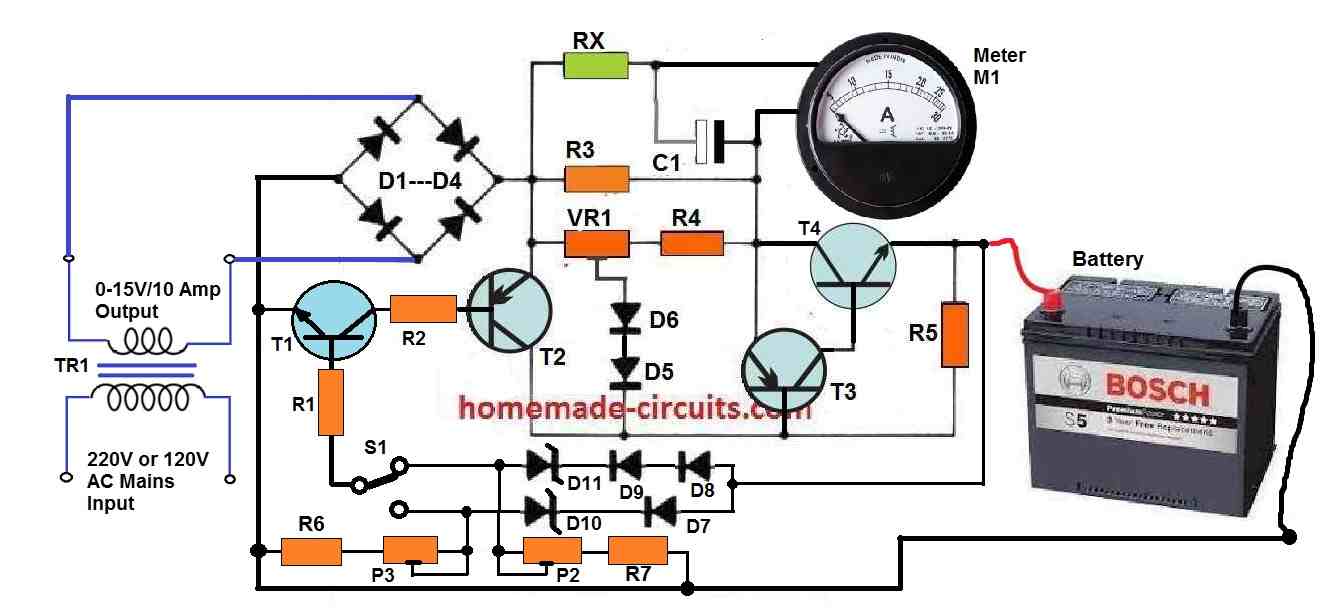
Choosing the right charger is very important. Smart chargers are safe. They stop charging when the battery is full. Old chargers may not have this feature. Read the charger instructions carefully. Check the voltage and amperage. The wrong charger can damage the battery.
Smart chargers know when to stop. They protect the battery from overcharging. These chargers adjust power flow. This keeps your battery safe. Smart technology is good for long-term battery health. It also saves energy.
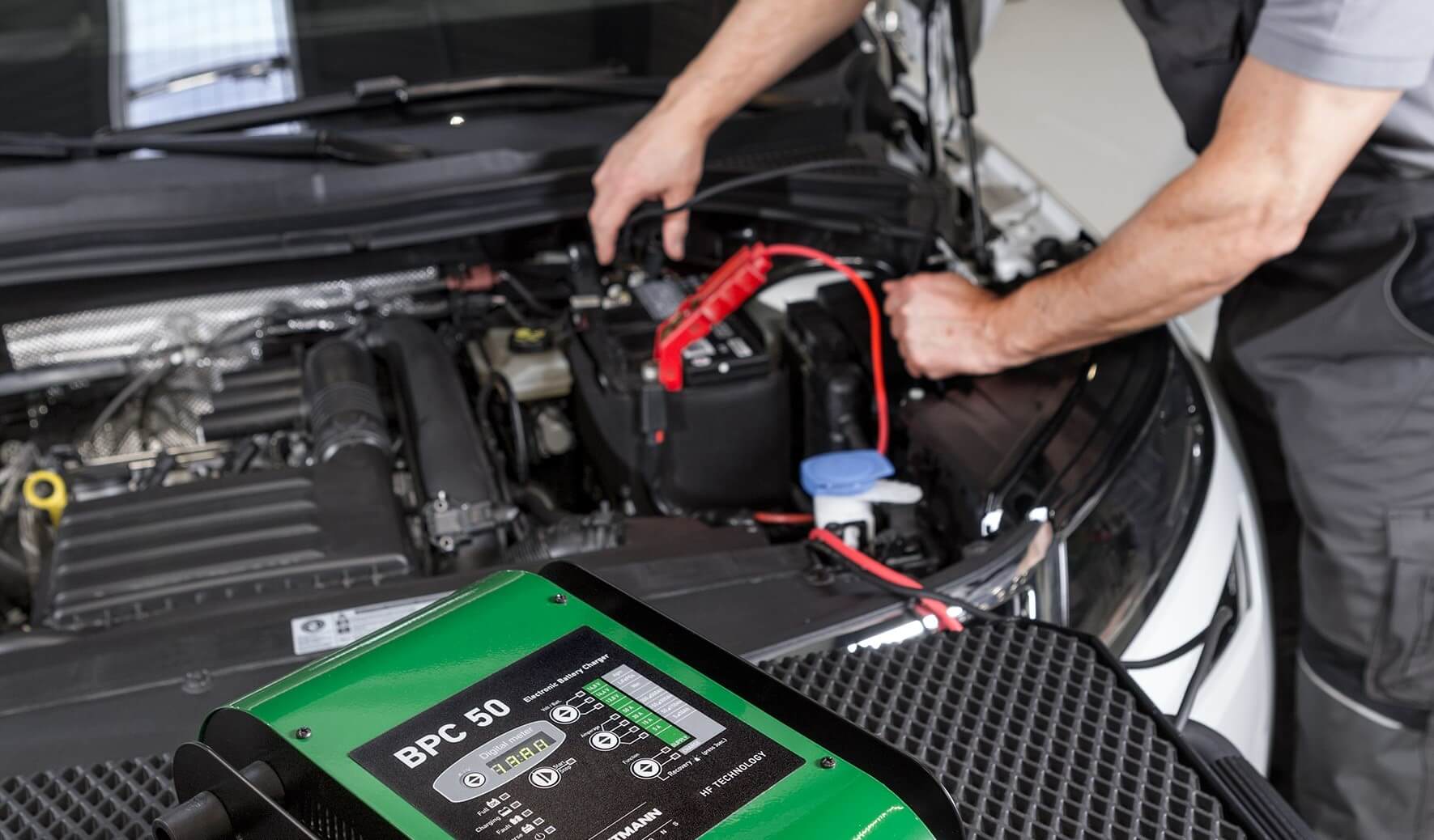
Always check charging progress. Look for warning lights or messages. Some chargers show progress on a screen. This helps you know when charging is done. Unplug the charger when finished. Leaving it connected can harm the battery.
Credit: www.homemade-circuits.com
Signs Of Battery Issues
Car battery charging overnight can be risky. Overcharging might lead to overheating and damage. Monitor the battery’s condition to avoid potential hazards.
Identifying Overcharging Symptoms
Car battery should not feel hot. Overcharging makes it overheat. Bulging or swelling in the battery case is a bad sign. The smell of rotten eggs means trouble. This smell is from leaking gas. Dim lights can mean the battery is overcharged. Flickering dashboard lights are not normal. The battery might be overloaded. Corrosion on the terminals is another sign. White powder or crusty buildup is not good. It means leakage or overcharging. Slow engine start can be a symptom too. Clicking noises when turning the key are bad. These signs mean the battery needs checking.
Detecting Battery Malfunctions
Car battery can show warning signs. Engine struggles to start can be a clue. Dashboard warning lights may flash. Buzzing sounds can be a hint. Battery fluid level dropping means something’s wrong. Cracked battery case is a serious issue. Dim headlights can signal malfunction. Frequent jump starts are not normal. Battery dies unexpectedly, this is a clear sign. Slow charging might be a problem. Unusual noises from the battery should not be ignored. Battery struggles to hold charge means it’s faulty.
Alternatives To Overnight Charging
Daytime chargingis a safer option. You can watch the process. This method avoids risks at night. Try to charge when the sun is up. This way, you avoid surprises. It’s also good for your car’s health.
Professional charging services offer a safe choice. Experts handle the process. They know the best ways to charge your battery. They check everything. Your battery stays healthy. It’s the best way to avoid damage. You can trust their skills. They ensure your battery is safe.
Maintaining Battery Health
Regular Battery Maintenanceis key to a healthy car battery. Check battery terminals for dirt. Clean them with a cloth. Look for any leaks. Replace battery if it leaks. Keep your battery dry. Wet batteries can get damaged. Keep your battery cool. Heat can harm batteries. Test your battery often. A weak battery might need replacement.
Optimal Charging Practiceshelp keep your battery strong. Charge your battery in a safe place. Avoid very hot or cold places. Use the right charger for your battery. Wrong chargers can harm batteries. Set a timer for charging. Avoid leaving it overnight. Overcharging can damage batteries. Check the battery level often. Stop charging when full. This keeps the battery safe.
Frequently Asked Questions
Is It Okay To Leave Car Battery Chargers Plugged In All The Time?
Leaving a car battery charger plugged in continuously can be risky. Smart chargers can be left plugged in, but traditional chargers might overcharge, causing battery damage. Always check the manufacturer’s instructions for safety. Regular monitoring is essential for optimal battery health and to prevent hazards.
Will A Car Battery Charger Stop Charging When Full?
Yes, most modern car battery chargers stop charging automatically when the battery is full. This feature prevents overcharging and potential damage. Always check your charger’s instructions for specific details.
What Happens If You Leave A Car Battery Charging Too Long?
Overcharging a car battery can cause overheating, reducing its lifespan. It may lead to acid leakage and potential damage. Always use a smart charger to prevent overcharging. Regularly check the battery’s status to ensure optimal performance and safety.
Can Charging Overnight Damage The Car Battery?
Charging overnight is generally safe if using a smart charger. These chargers stop charging when the battery is full. This prevents overcharging, which can damage the battery. Always ensure your charger is functioning properly for optimal safety.
Conclusion
Leaving a car battery charging overnight can be safe. But, there are precautions. Choose a smart charger to prevent overcharging. Ensure proper ventilation to avoid heat buildup. Regularly check the battery for damage. Consider the battery type and charger settings.
Safety measures can prevent risks. Understand your battery’s needs. Some batteries require careful handling. A little knowledge can save trouble. Monitor the charging process. Stay informed and protect your car’s battery. With care, overnight charging can be safe. Stay proactive to ensure battery health.