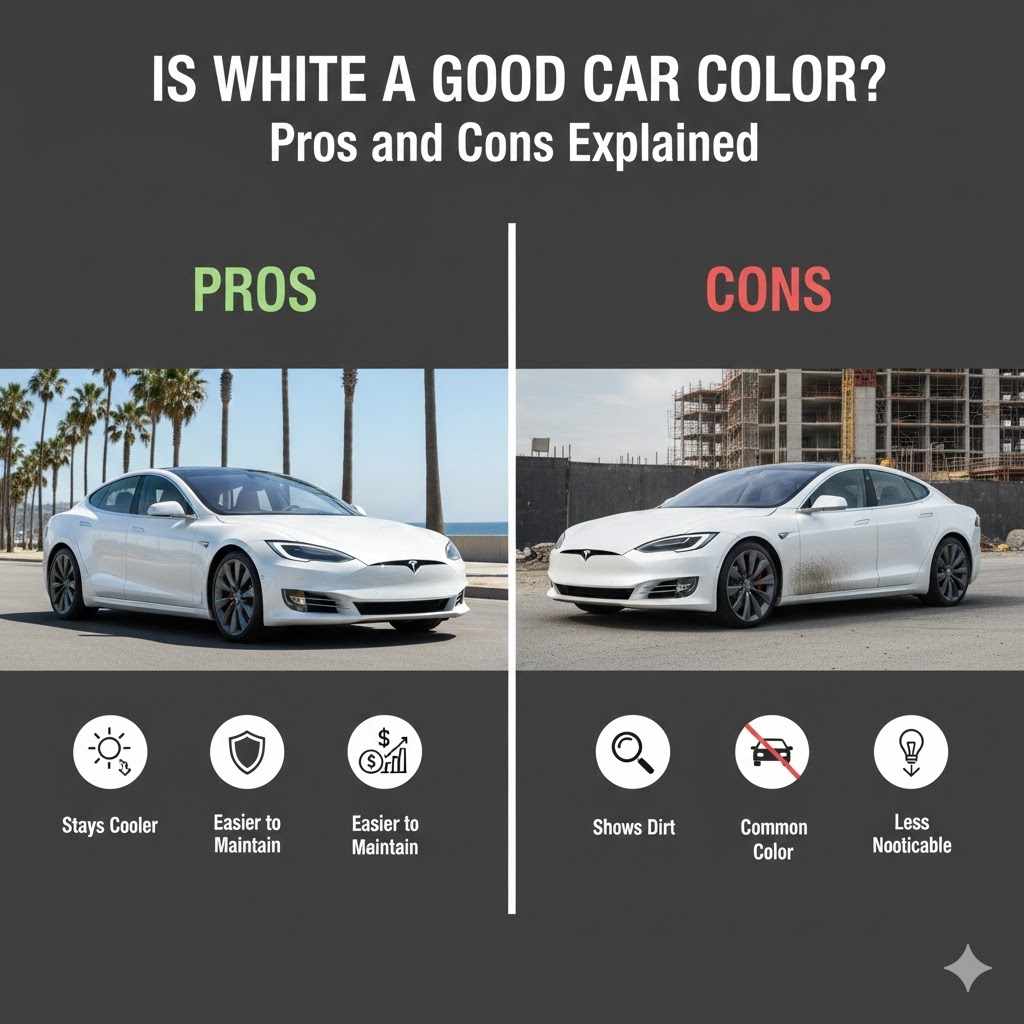
Is White a Good Car Color? Pros and Cons Explained
Choosing a car color can feel tricky, especially if you’re just starting. You might wonder, Is White a Good Car Color? Pros & Cons. It’s a common question! This post simplifies the topic, making it easy to see the good and the not-so-good sides of white cars. We’ll explore everything step-by-step, so you can decide if a white car is the right choice for you. Get ready to explore the details!
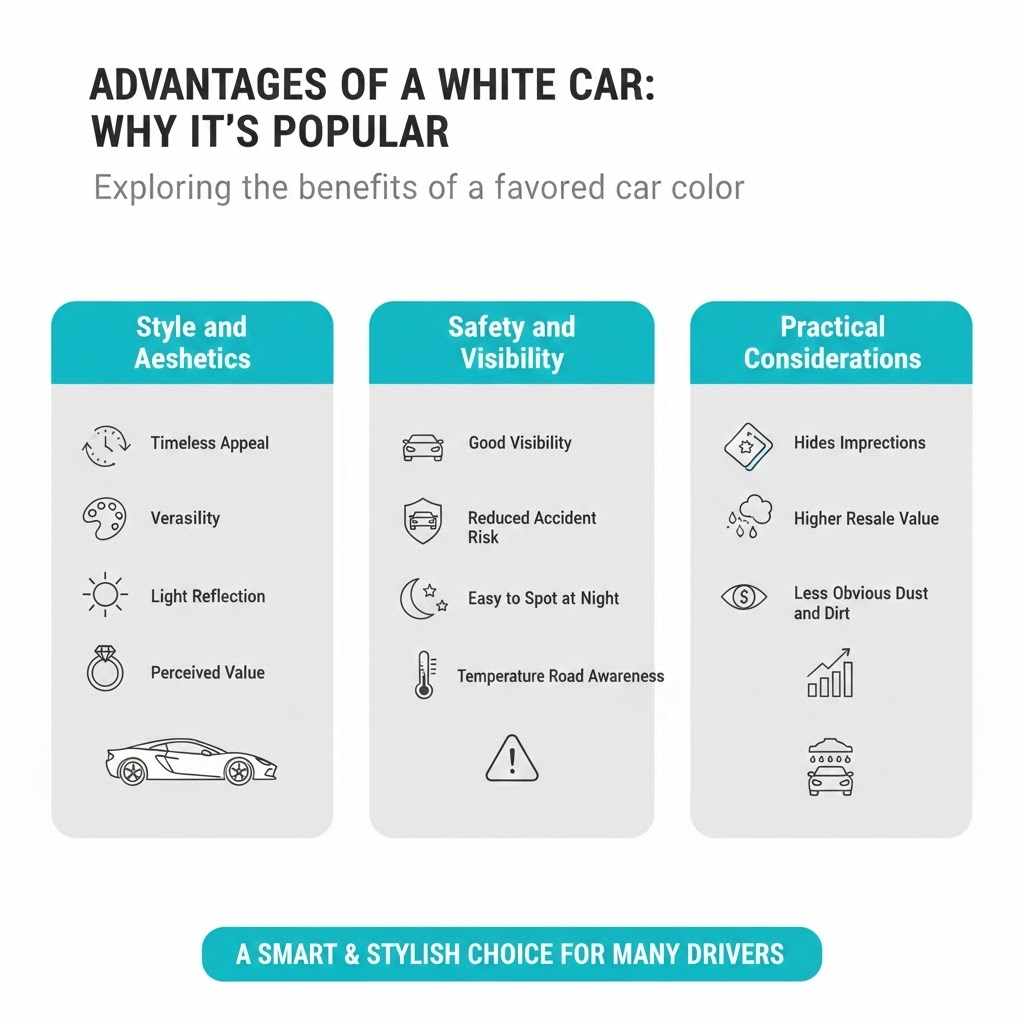
Advantages of a White Car: Why It’s Popular
White cars are a popular choice for good reasons. They offer certain benefits that make them attractive to many people. Thinking about a white car can make you consider many things that you normally would not. From style to practical aspects, there’s more than meets the eye when it comes to a white car. Let’s explore what makes white a favored color among car buyers.
Style and Aesthetics
White cars have a clean and modern look. They often appear elegant and sophisticated. Many people find them to be visually appealing, and white complements various car designs well. A white car can stand out in a crowd because of its simplicity. Some car enthusiasts appreciate the minimalist aesthetic that white offers. It provides a simple, classy appearance, regardless of car model.
- Timeless Appeal: White is a classic color that doesn’t go out of style. Unlike some trendy colors, white cars remain stylish through the years.
- Versatility: White cars work well with any accessories, such as tinted windows or different wheel designs. They act as a blank canvas for customization.
- Light Reflection: White reflects sunlight, giving a bright and airy look. This can be especially nice on sunny days and in photographs.
- Perceived Value: White cars often seem luxurious and expensive. This can boost your car’s perceived value.
White cars’ understated charm is a big part of why they’re popular. They don’t draw too much attention, but they still look sleek and modern. This versatility makes them a great option for various tastes and styles.
Safety and Visibility
White cars have a safety advantage. They are highly visible, which can help prevent accidents. This is more of a benefit for drivers who do a lot of driving. The color can be seen easily in various weather conditions, which contributes to safety. You’ll also find that white cars stand out well in the dark, and can be seen from further distances, reducing the risk of collisions.
- Good Visibility: White offers great visibility, especially during dawn, dusk, and in foggy weather. Other drivers can easily spot a white car.
- Reduced Accident Risk: Research shows that lighter-colored cars, including white, tend to be involved in fewer accidents compared to darker-colored cars.
- Easy to Spot at Night: White cars stand out against the darkness, making them easier to see at night. This is a real benefit for road safety.
- Enhanced Road Awareness: White cars help drivers stay aware of their surroundings. This can prevent accidents and improve overall road safety.
White’s high visibility makes it a practical choice for safety. This is an important consideration for many drivers who value safety. Many people consider the visibility factor to be one of the best reasons to choose a white car.
Practical Considerations: Maintenance and Value
White cars are often easier to maintain than darker colors. White tends to hide minor scratches and imperfections better. They may also stay cooler in the sun. This has practical benefits for car owners. Resale value is a factor to consider, and white cars often hold their value well over time. The car’s color will influence how well the car maintains its value.
- Hides Imperfections: White can help conceal scratches, dents, and swirl marks better than darker colors. This can save money and effort.
- Temperature Regulation: White cars don’t absorb heat as much as darker colors. This helps keep the car cooler in hot weather, improving comfort and fuel efficiency.
- Higher Resale Value: White is a popular color. This often leads to a higher resale value compared to some less common colors.
- Less Obvious Dust and Dirt: Dust and dirt are less noticeable on white cars. This means you might need to wash your car less often.
Maintenance and value are important when choosing a car color. White cars offer benefits that make them appealing to many buyers. The ease of maintenance and the potential for a higher resale value are good reasons to consider white. White is a smart choice for long-term ownership.
Disadvantages of White Cars: What to Consider
While white cars have benefits, they also have potential drawbacks. There are several things to consider before deciding on a white car. These are areas where white cars might not be the ideal choice for everyone. It’s helpful to be aware of the disadvantages before making a decision. These disadvantages can affect maintenance, appearance, and personal preference.
Susceptibility to Staining and Discoloration
White cars are prone to staining and yellowing over time. This can affect how the car looks. Things like dirt, chemicals, and the sun can cause the paint to discolor. Regular care is needed to prevent or minimize these issues. This is especially true for older cars or cars exposed to harsh conditions.
- Yellowing Over Time: The sun’s UV rays can break down the paint. This results in the white color turning yellow. This is more noticeable on older cars.
- Staining from Contaminants: Things like tree sap, bird droppings, and industrial fallout can stain white paint. These stains can be hard to remove.
- Difficulty Matching Paint: If you need to repair scratches or dents, matching white paint can be tricky. Even a small difference in color can be very obvious.
- Water Spotting: White paint can show water spots and streaks if the car isn’t dried properly after washing. This means extra effort in car care.
The risk of staining and yellowing is a key factor to think about. It’s important to understand the maintenance needed. Regular washing and waxing can help to protect the paint. You can keep the car looking its best.
Maintenance Challenges and Costs
Maintaining a white car can bring its own challenges. While white hides some issues, it can require specific care to keep it looking great. Maintaining a white car properly might cost more. This includes using quality products and potentially needing professional detailing from time to time.
- Specialized Cleaning: White cars may need special cleaners to remove stains and maintain their brightness. You may need to buy specific products for car care.
- Waxing and Protection: Frequent waxing is needed to protect the paint from UV rays and contaminants. This adds to the time and cost of ownership.
- Repair Difficulty: Matching white paint during repairs can be difficult. This might lead to more costly and complicated repairs, with noticeable differences.
- Detailing Costs: For keeping your car in top shape, you may need professional detailing services. This adds an additional expense, especially for white cars.
The overall cost of maintaining a white car can be slightly higher than other colors. The extra care and products needed can add up. It’s important to think about these potential expenses. Proper maintenance is needed for long-term enjoyment of a white car.
Common Misconceptions about White Cars
There are some common misconceptions about white cars. Separating fact from fiction helps in making an informed decision. One myth is that white cars are always the easiest to maintain. However, you will find that regular and proper care is crucial for any car color. Knowing the truth helps you better prepare to own a white car.
- Myth: White Cars Are Always Low-Maintenance: While white hides some imperfections, they still need regular washing. They also require waxing.
- Myth: White Doesn’t Show Dirt: Though white may hide some dirt, it can still look dirty. It will show certain types of grime and streaks.
- Myth: All Whites Are the Same: There are various shades of white. Some shades might require more care than others.
- Myth: White Always Stays Bright: Over time, white can turn yellow or look dull. Proper protection and care is needed.
Being aware of these misconceptions helps set realistic expectations. By knowing the truth, you can make the best decision for your needs. You can choose a car color with a clear idea of what to expect in terms of care and appearance.
Real-Life Examples and Scenarios
Practical examples and situations demonstrate the impact of choosing a white car. Learning from real-world experiences gives you a clearer idea of what to expect. You’ll find stories that highlight the advantages and disadvantages. These will help you better understand the reality of owning a white car.
- Case Study 1: The Long-Term Owner: A driver who bought a white car several years ago experienced the effects of weather on paint. Despite regular washing, the roof and hood showed signs of yellowing. The owner now strongly recommends a high-quality sealant and regular waxing.
- Case Study 2: The City Driver: A city dweller found that their white car was often covered in dirt. They faced the challenges of city driving and the need for frequent cleaning. They learned that white cars might need more frequent washes in urban environments.
These real-world examples give insights into owning a white car. The experiences show what to expect in terms of maintenance and appearance. It’s helpful to see how other drivers handle these challenges. Practical examples can help you to make a more informed choice.
- Scenario 1: The New Car Buyer: You are shopping for your first car and like the look of white. Consider the local weather conditions. If you live in a sunny area, prioritize a paint sealant and regular waxing. If in a dusty area, then decide on a regular washing plan.
- Scenario 2: The Used Car Buyer: You are thinking of buying a used white car. Look carefully for any yellowing, stains, or damage. Ask about the car’s maintenance history. Consider the cost of professional detailing.
Analyzing different scenarios can assist you with realistic expectations. These examples give valuable advice. You can then make a car-buying decision.
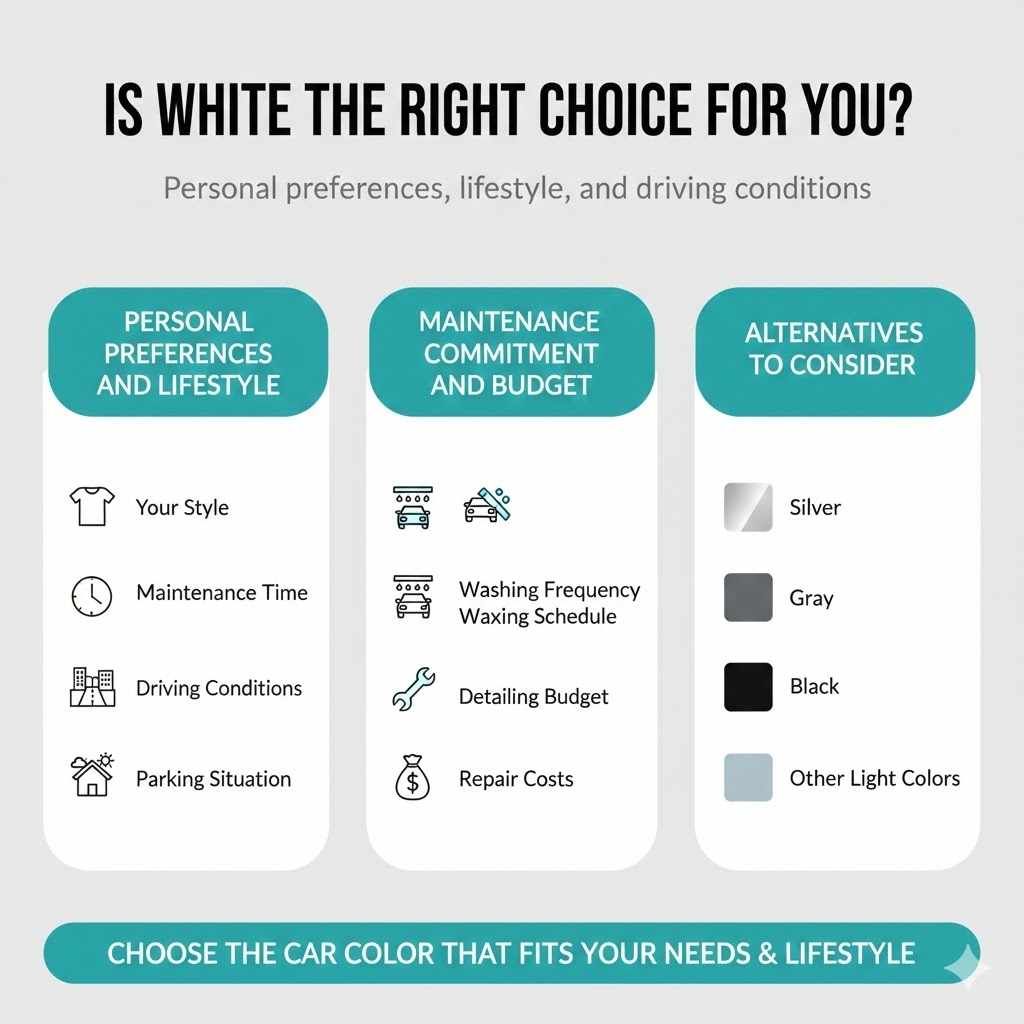
Is White the Right Choice For You?
Determining whether a white car is right for you involves several key factors. Your personal preferences, lifestyle, and driving conditions all play a role. Carefully weigh the pros and cons to see if white aligns with your needs and priorities. The choice depends on a good evaluation of your circumstances.
Personal Preferences and Lifestyle
Your personal style and daily life affect your car color choice. Consider if the clean look of white matches your taste. Think about how much time you want to spend on car care. Consider your driving environment and how it impacts the car’s appearance.
- Your Style: Do you like the simple, modern look of white? If so, a white car might match your personal preferences.
- Maintenance Time: Are you willing to wash and wax your car regularly? If you aren’t, white might not be the best choice.
- Driving Conditions: Do you live in a city or a rural area? City driving often means more dirt and grime.
- Parking Situation: If you park outside, consider the impact of sun and weather. White can be affected by the sun.
The choice is all about your personal tastes and habits. White cars offer aesthetic benefits and require certain care. You should think about whether white aligns with your personal style. You should see if white fits your lifestyle.
Maintenance Commitment and Budget
You should consider your commitment to maintenance when selecting a car color. Think about the time and money you can commit to car care. This includes washing, waxing, and potentially professional detailing. Your budget and commitment to maintenance influence the long-term appearance of your car.
- Washing Frequency: Are you ready to wash your car regularly? This prevents dirt buildup.
- Waxing Schedule: Plan to wax the car several times a year. This will protect the paint.
- Detailing Budget: Consider whether you can afford professional detailing if needed. This improves appearance.
- Repair Costs: Factor in potential costs for paint repairs. Matching white paint can be more difficult.
Your commitment to car care is key to keeping a white car looking its best. The right choice depends on your availability and your budget. Thinking about maintenance is crucial before deciding on a color.
Alternatives to Consider
Explore other colors as an alternative to white to get the perfect car color. Each color has its own set of advantages and disadvantages. Looking at alternatives expands your options. This will help you make a decision that matches your needs and style. You should think about shades, finishes, and the unique characteristics of each color.
- Silver: Silver is a popular choice. It hides dirt well and has a modern appearance.
- Gray: Gray cars offer a sleek look with good durability. They don’t show dirt as easily as black.
- Black: Black cars look luxurious and stylish. However, they show dirt and scratches easily.
- Other Light Colors: Consider light blues or beige colors. They offer the benefits of visibility and style.
Checking out other colors helps you see your options. Each color has a different look and maintenance needs. You can consider what is most important for you. The perfect color will match your preferences and needs.
Frequently Asked Questions
Question: Does white paint fade faster than other colors?
Answer: White paint can fade, but it’s often more noticeable because of the contrast with dirt and yellowing. Proper care like waxing and garage parking helps.
Question: Are white cars safer?
Answer: Yes, white cars are highly visible. This can help other drivers see your car in different conditions and reduce the risk of accidents.
Question: Is it hard to match white paint?
Answer: It can be. The exact shade of white varies. This makes it difficult to match the paint. If you need repairs, this can be an issue.
Question: Do white cars cost more to maintain?
Answer: Yes and no. White cars need regular care to prevent stains. This may require special cleaners and waxing. The costs are not always higher, but you should commit to maintenance.
Question: Does white show scratches easily?
Answer: White hides small scratches better than dark colors. Deep scratches and dents still stand out. A white car looks good in many conditions.
Final Thoughts
Choosing a car color is a big deal, and now you have the facts. We’ve explored the world of white cars, looking at why they are popular. We’ve also addressed the maintenance aspect to give you a clear picture. The goal was to give you the information needed to make the right decision for your needs. Remember, a white car has its pluses and minuses.
Think about how the color fits your lifestyle. Assess how much time you can spend on care. You should also think about your environment and budget. Understanding these factors will guide you toward a well-informed choice. If you love the look and are ready to care for it, a white car could be perfect for you. Now, you can pick a color with confidence!