Will Brake Cleaner Stop Brakes From Squeaking? Find Out
Brake squeaking. It’s that high-pitched whine that can make your stomach drop. You tap the brakes, and it happens.
It’s annoying. It can also be worrying. Does brake cleaner stop brakes from squeaking?
That’s a great question. Many people hope for a quick fix. Let’s dive into what really makes brakes squeak.
We’ll see if brake cleaner is the magic bullet or just part of the puzzle.
Brake cleaner is not a guaranteed fix for brake squeaking. While it can remove contaminants that cause noise, the squeaking often comes from other issues like worn parts, improper installation, or warped rotors. Using brake cleaner might help temporarily if dirt is the cause, but it won’t solve deeper mechanical problems.
What is Brake Squeaking?
Brake squeaking is a common sound. It’s a high-pitched noise. It usually happens when you press the brake pedal.
This sound can start suddenly. It can also develop over time. Many drivers hear this and immediately think something is seriously wrong.
That worry is understandable. Brakes are critical for safety. Any change in their performance can feel like a big deal.
The sound itself is often caused by vibrations. These vibrations happen within the brake system. It’s not always about metal on metal grinding.
Often, it’s a harmonic vibration. Think of a violin string. When you pluck it, it vibrates at a certain pitch.
Brake parts can do something similar. Tiny vibrations create that high-pitched squeal. These vibrations happen very fast.
Understanding the source of these vibrations is key. Is it just dirt? Is it a worn part?
Is it something else entirely? The answer to whether brake cleaner helps depends on this. If the noise is from simple dirt or grime, cleaner might work.
If it’s from a deeper issue, cleaner won’t be enough. It’s like putting a bandage on a broken bone. It covers the problem but doesn’t fix it.
Why Do Brakes Squeak?
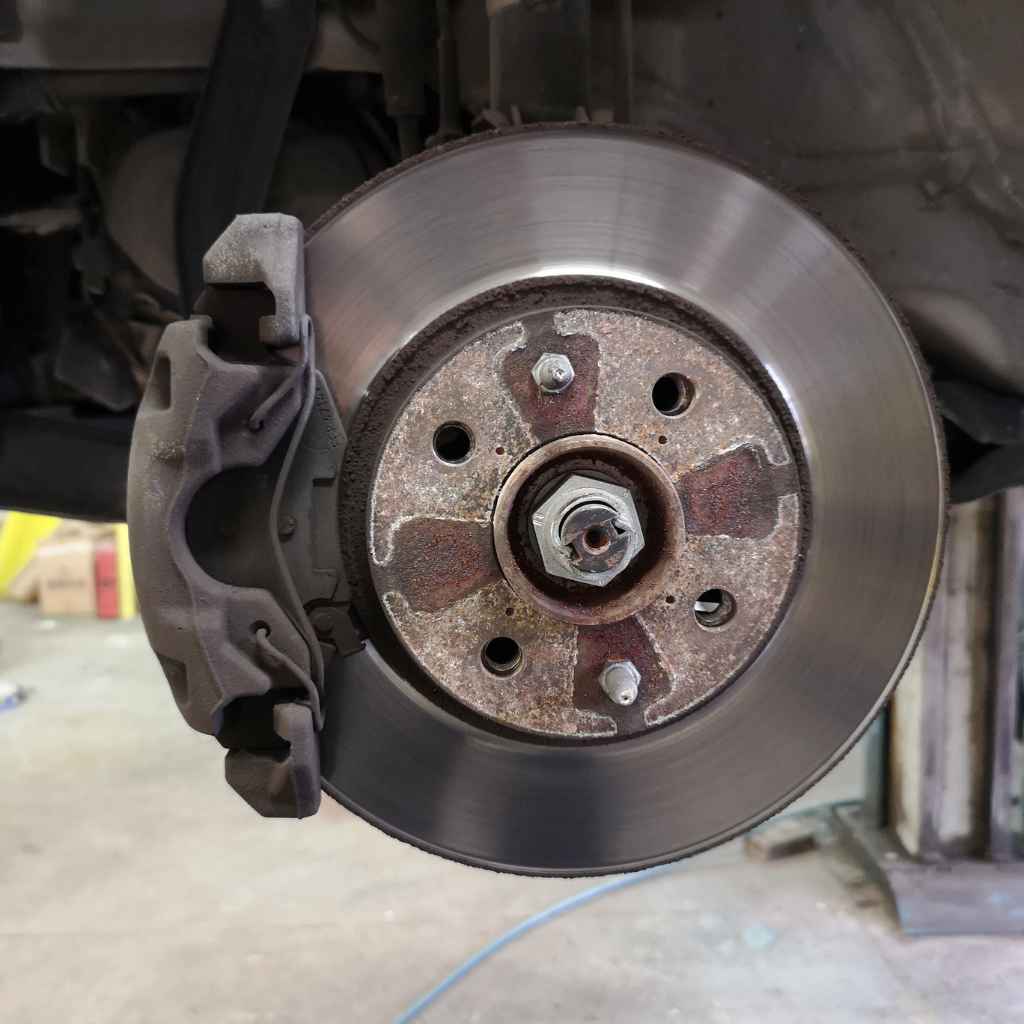
Several things can make your brakes squeak. One common reason is friction. This friction happens between the brake pads and the rotor.
The brake pads are made of different materials. Some are softer. Some are harder.
The rotor is the metal disc your wheels spin with. When you brake, the pads clamp down on the rotor.
This clamping action creates friction. Friction generates heat. It also creates tiny vibrations.
If these vibrations are the right frequency, you hear a squeal. This is especially true for certain types of brake pads. High-performance pads are often more prone to squeaking.
They are designed for stopping power. Sometimes, that comes with a little more noise.
Another cause is contamination. Dust from the road gets everywhere. Brake dust itself is a mix of metal shavings and brake pad material.
This dust can get between the pad and the rotor. It can also get into the caliper. The caliper is the part that holds the brake pads.
When this grit is present, it can cause uneven contact. This uneven contact leads to vibration and squeaking.
Worn brake pads are also a big culprit. Brake pads have a metal backing plate. They also have a friction material layer.
This layer wears down over time. When it gets very thin, a small metal tab might start to scrape against the rotor. This tab is called a wear indicator.
Its job is to make a noise when the pads are low. It’s a warning signal.
Sometimes, the squeak isn’t from the pads themselves. It could be from the rotors. Rotors can get warped or damaged.
If a rotor isn’t perfectly flat, the brake pads won’t make full contact. This uneven contact causes vibrations. It can lead to a pulsing brake pedal too.
Warped rotors need to be replaced or resurfaced. This is a more serious issue.
Improper installation can also cause squeaking. If brake pads aren’t seated correctly, they can vibrate. Sometimes, mechanics forget to use lubricant on certain parts.
This lubricant helps stop squeaking. It goes on the back of the pads and other contact points. Without it, metal-on-metal contact can cause noise.
My Own Brake Squeaking Nightmare
I remember a time when my car started making this awful squealing sound. It wasn’t constant. But it was loud.
It happened most when I was driving slowly. Like when I was pulling into my driveway. Or when I was in a parking lot.
It was so embarrassing. I felt like everyone was staring at my sputtering car.
At first, I ignored it. I told myself it was just the wind. Or maybe something loose under the car.
But the noise got worse. It started happening more often. Even at slightly higher speeds.
I was starting to get really worried. Was it my brakes? Were they about to fail?
I pictured myself stranded on the side of the road.
I’d heard that brake cleaner could help. So, I bought a can. I figured it was worth a shot.
It was cheap and easy to try. I parked my car. I found a safe spot.
I popped the hood. Or rather, I popped the wheel off. I needed to get to the brakes.
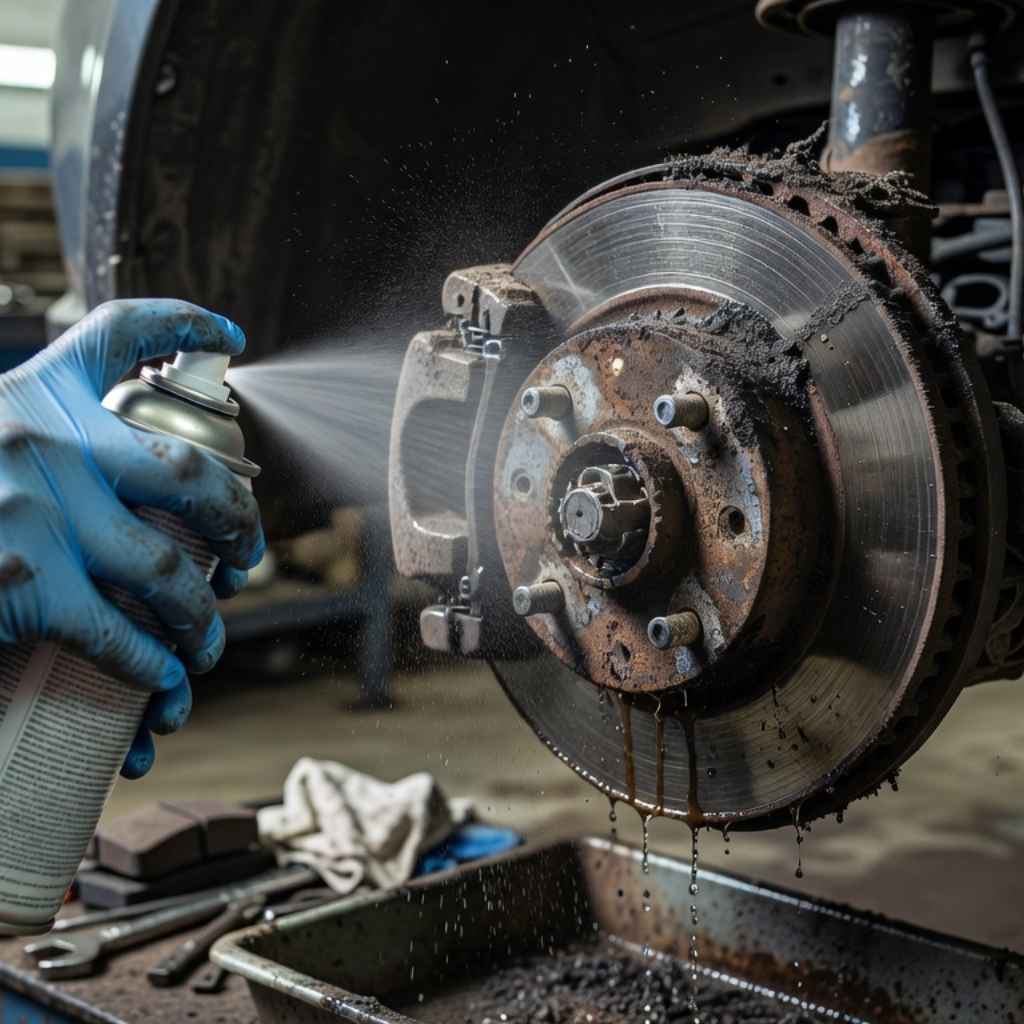
I sprayed that stuff all over the caliper and rotor. It smelled really strong. Like a chemical factory.
I put the wheel back on. I started the car. I drove around the block slowly.
I gently pressed the brake pedal. Silence! Oh, I was so happy.
I thought I had fixed it. I drove around for a few days. The squeaking was gone.
I felt like a genius. I had saved myself a trip to the mechanic. I had used my own skills.
Then, about a week later, the squeaking came back. It was even louder than before. It was constant now.
Every time I tapped the brake, it shrieked. I was so frustrated. And now, I was really scared.
I had ignored the problem for too long. The brake cleaner had only masked the issue. It didn’t fix the real problem.
That’s when I finally took it to a trusted mechanic. He showed me that my brake pads were almost completely worn out. The wear indicators were scraping the rotors.
The cleaner had just removed some surface dirt. It did nothing for the worn-out parts. It was a hard lesson learned.
Sometimes, a quick fix isn’t a fix at all.
How Brake Cleaner Works
Brake cleaner is a solvent. Its main job is to dissolve grease, oil, and brake dust. It’s a very powerful cleaner.
When you spray it on brake parts, it works fast. It breaks down sticky or grimy substances. Then, it evaporates quickly.
This leaves the parts looking clean. It doesn’t leave much residue behind.
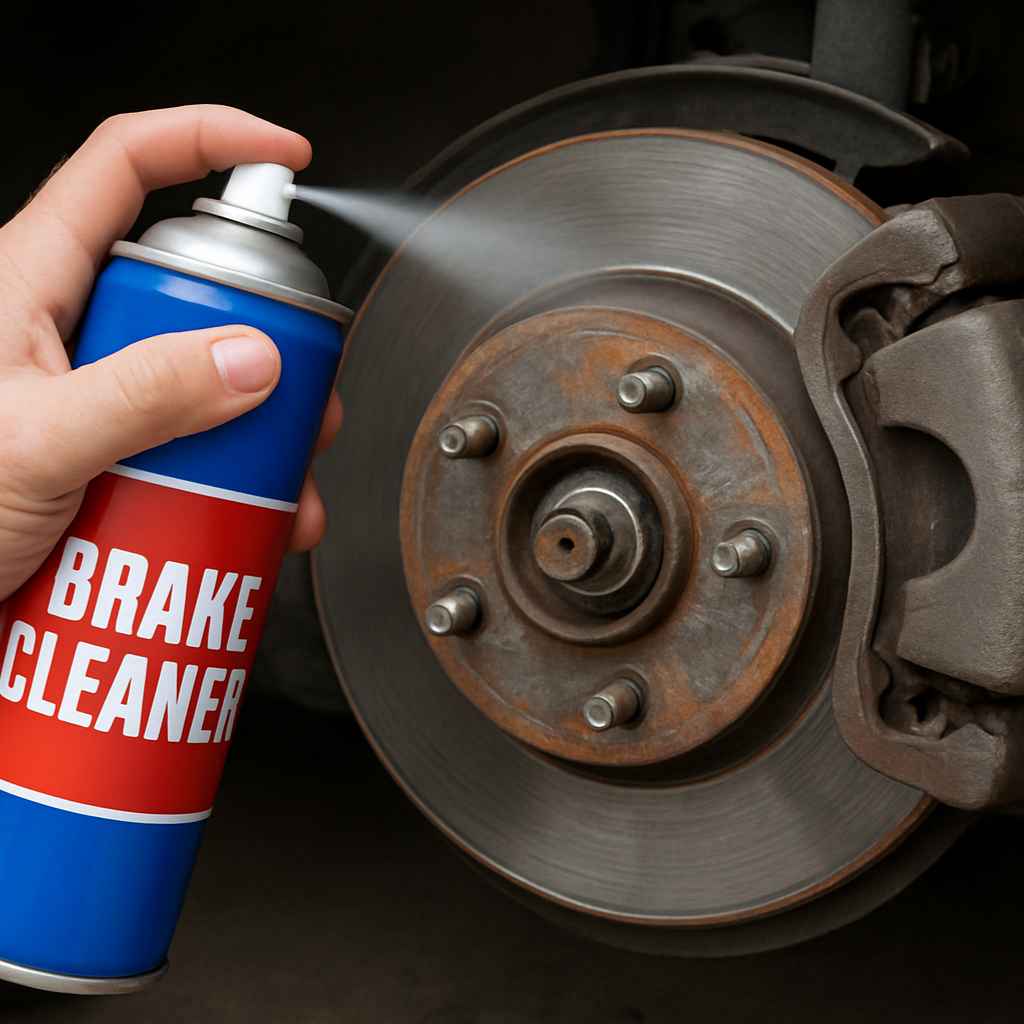
Its purpose is to clean brake components. This includes the brake pads, rotors, and calipers. It’s often used during brake repairs.
Mechanics use it to ensure all surfaces are clean. A clean surface is important. It helps new brake pads and rotors work correctly.
It also helps prevent noise from contamination.
Think of it like this: if your brakes are squeaking because there’s a sticky layer of road grime or old grease on them, brake cleaner can remove that layer. This removal can stop the vibration that causes the squeak. So, in that specific situation, brake cleaner can stop brakes from squeaking.
It addresses the contaminant itself.
However, brake cleaner has limitations. It does not repair worn parts. It cannot fix warped rotors.
It won’t re-seat a loose brake pad. It cannot magically add friction material back to a worn pad. Its action is purely on the surface.
It cleans what’s there. It doesn’t change the condition of the parts themselves.
Many brake cleaners contain chemicals like heptane or acetone. These are strong solvents. They are designed to be effective.
They also dry very quickly. This is a good thing. You don’t want wet brake parts.
But it’s important to use them in a well-ventilated area. The fumes can be strong. Also, some cleaners can damage certain plastics or painted surfaces.
So, be careful where you spray.
The key takeaway is that brake cleaner is a tool for cleaning. It’s not a repair product for the underlying causes of most brake squeaks. It’s like washing your hands when they’re dirty.
It cleans them, but it doesn’t fix a cut you might have.
When Brake Cleaner Might Help
Situations where brake cleaner can make a difference:
- Fresh Contamination: If you recently drove through mud or splashed through a puddle, and the squeaking started right after, cleaner might remove the grit.
- Minor Grime: General road dust and light oil film can cause noise. Cleaner can remove this.
- Pre-Installation Cleaning: Using brake cleaner to ensure new pads and rotors are free of factory oils or handling grease. This prevents noise from the start.
- Post-Washing Squeaks: Sometimes, water and soap residue can cause temporary squeaks. Cleaner can help dry and clean these areas.
Understanding the Causes: A Deeper Look
Let’s get a bit more detailed about why those brake noises happen. It’s rarely just one thing. It’s usually a combination of factors related to how your brakes work and what they encounter.
Pad Material and Rotor Surface: The very material your brake pads are made from plays a huge role. Ceramic pads are often quieter but may have less initial bite. Metallic pads offer great stopping power but can be noisier.
Semi-metallic pads try to balance these. The condition of the rotor surface is also vital. A perfectly smooth rotor is rare.
Tiny imperfections, or glazing from heat, can create a surface that interacts with the pad in a way that causes vibration.
Glazed Pads or Rotors: Overheating is a common issue. When brakes get very hot, the surface of the pad material can change. It can become hard and smooth, like glass.
This is called glazing. Glazed pads don’t grip as well. They also tend to vibrate and squeak.
Rotors can also glaze. This happens when heat causes a molecular change on the surface. It’s like the metal gets hardened and polished to a point where it’s too slick.
Loose Components: If any part of the brake system isn’t snug, it can move and vibrate. This includes brake pads shifting in the caliper, loose caliper bolts, or even loose suspension parts that affect brake alignment. A vibration that starts elsewhere can be amplified by the brake system.
Brake Dust Buildup: Brake pads wear down. They produce fine dust. This dust is abrasive.
It gets everywhere. It can build up in the caliper, on the rotor surface, and around the piston. This buildup can interfere with the smooth operation of the brake pads.
It can create high spots and uneven pressure, leading to noise.
Rust and Corrosion: In wet or humid climates, brake rotors can develop a light layer of rust, especially after sitting for a while. This rust can cause a temporary squeak when you first apply the brakes. It usually wears off quickly.
However, severe rust or corrosion on the rotor surface can create an uneven texture that leads to persistent squeaking.
Brake Hardware Issues: Modern brakes have several small parts. These include shims, clips, and springs. These are designed to hold the pads in place and absorb vibration.
If these parts are missing, bent, corroded, or not installed correctly, they can’t do their job. This often leads to squeaking.
When is Squeaking Normal?
It’s important to know that not all brake squeaking is a sign of trouble. Sometimes, a little noise is normal. Especially with certain types of vehicles or brake systems.
After Sitting: If your car has been parked for a few days, especially in damp weather, you might hear a light squeak when you first apply the brakes. This is usually just surface rust on the rotors. It should disappear after a few stops as the rust is scraped away.
Certain Brake Pad Types: Some brake pads are designed for high performance. They offer great stopping power. However, they can be more prone to squeaking.
This is a trade-off for that performance. If you have performance brakes, a little squeak might just be normal operation.
Cold Weather: In very cold temperatures, brake components can contract. This slight change can sometimes lead to minor squeaks until the brakes warm up from use. This is usually a very light, intermittent noise.
First Use After Washing: If you’ve just washed your car, water and soap residue can sometimes cause temporary brake noises. This should go away as you drive and the brakes dry out.
Wear Indicators: As mentioned before, the small metal tabs designed to warn you about worn brake pads will make a distinct squealing sound. This is a good noise to hear, as it tells you it’s time for maintenance. It’s a warning, not a problem that needs immediate panic.
Normal vs. Concerning Brake Noises
| Normal Squeak | Concerning Noise |
| Light, intermittent squeak after rain or car wash. | Loud, constant squealing every time brakes are applied. |
| Brief noise when brakes are cold, disappears after use. | Grinding, scraping, or knocking sounds. |
| Slight squeak from performance brakes during hard stops. | Squeaking that changes with steering or turning. |
| Noise from wear indicators (distinct metallic squeal). | Squeaking accompanied by a pulsing brake pedal. |
| No change in braking performance. | Reduced braking ability or longer stopping distances. |
When to Worry About Brake Squeaks
While some squeaks are normal, others are definite warning signs. You should pay close attention to the type of noise and when it occurs. If you notice any of the following, it’s time to get your brakes checked by a professional.
Loud, Constant Squealing: If the squeak is very loud and happens every single time you brake, it’s not normal. This often means the brake pads are worn down to their metal backing. This can damage your rotors, making the repair more expensive.
Grinding or Scraping Sounds: This is a serious sign. It means metal is grinding against metal. This is usually happening because the brake pads are completely gone.
You are damaging the rotor. Your stopping power is also severely reduced. Stop driving and get it checked immediately.
Squeaking with Pulsing Pedal: If you feel a vibration or pulsing in the brake pedal when you brake, and it’s accompanied by a squeak, this often indicates warped brake rotors. The uneven surface of the rotor is causing the pads to grab and release unevenly.
Squeaking That Changes Direction: If the squeak only happens when you turn a corner and brake, it might mean there’s a problem with a brake component on one side of the car. Or it could be a suspension issue that’s affecting the brake. Either way, it needs to be investigated.
Reduced Braking Performance: The most critical sign is if your car doesn’t stop as well as it used to. If you have to push the brake pedal harder, or if the stopping distance is longer, this is a major safety concern. Don’t delay in getting your brakes inspected.
New or Different Sounds: If you suddenly hear a new noise from your brakes that you haven’t heard before, it’s worth getting it checked. Your ears are a great diagnostic tool. If it sounds alarming, it might be.
Your Quick Brake Squeak Checklist
Ask yourself these questions:
- What does it sound like? (Squeak, grind, scrape, click?)
- When does it happen? (Only when cold? All the time? When turning? When braking hard?)
- How loud is it? (Faint chirp or loud shriek?)
- Does it affect my braking? (Do I feel less stopping power? Does the pedal pulsate?)
If you answer “yes” to any concerning noise or performance issue, seek professional help.
Can You Use Brake Cleaner to Fix Squeaks?
Let’s circle back to the main question. Will brake cleaner stop brakes from squeaking? The honest answer is: sometimes, but not usually for long, and not for the real reasons.
Brake cleaner is a solvent. It’s good at removing grease, oil, and dirt. If your brakes are squeaking because of something sticky on the pad or rotor surface, brake cleaner can remove that contaminant.
When the surface is clean, the vibration might stop. This can lead to temporary silence.
However, most brake squeaks are not caused by simple surface dirt. They are caused by issues like worn brake pads, warped rotors, or problems with the brake hardware. Brake cleaner cannot fix these issues.
It cannot add material back to worn pads. It cannot flatten a warped rotor. It cannot tighten loose parts.
So, if you spray brake cleaner and the noise stops, it’s likely a temporary fix. The underlying problem is still there. This means the squeaking will probably return.
And it might come back worse than before.
Using brake cleaner as a primary solution for squeaks can also be risky. If your brakes are squeaking because of worn pads, spraying cleaner might just mask the problem. You might continue driving, thinking the issue is resolved.
Meanwhile, your brake pads are wearing down further. This could lead to rotor damage. Rotor replacement is much more expensive than new brake pads.
Think of it this way: If your car’s engine light comes on, and you spray cleaner into the exhaust pipe, the light might go off for a bit. But the engine problem is still there, potentially getting worse. Brake cleaner is similar.
It’s a surface treatment, not a fundamental repair.
Therefore, while you can use brake cleaner, and it might temporarily silence a squeak caused by dirt, it’s not a reliable solution for most brake noise problems. It’s like using a temporary patch on a leaky pipe instead of fixing the actual leak.
Brake Cleaner: The Short Answer
Use Brake Cleaner For:
- Cleaning brake components during installation to remove oils.
- Removing light surface grime that might be causing a minor squeak.
- Preparing surfaces for new brake parts.
Do NOT Rely on Brake Cleaner For:
- Fixing worn-out brake pads or rotors.
- Repairing warped brake discs.
- Solving noises caused by loose or damaged brake hardware.
- Long-term silencing of persistent brake squeaks.
The Best Ways to Stop Brake Squeaks
If brake cleaner isn’t the magic fix, what is? The best approach is to identify the real cause of the squeak and address it directly. This usually involves a few key steps.
1. Inspect Your Brake Pads: This is the first and most common cause. Your brake pads have a friction material layer.
This layer wears down over time. If it’s getting thin, it needs to be replaced. Most brake pads have a small metal tab called a wear indicator.
When the pad gets thin, this tab touches the rotor and makes a loud squeal. If you see this, get new pads.
2. Check Your Rotors: Rotors can become worn, grooved, or warped. Warped rotors feel like a pulsation in the brake pedal when you stop.
Grooves or uneven wear can also cause noise. Rotors can sometimes be resurfaced if they aren’t too damaged. But often, they need to be replaced.
3. Clean and Lubricate: Even if pads and rotors are good, proper maintenance is key. Mechanics often clean the caliper and its sliding pins.
They also apply a special high-temperature lubricant to the back of the brake pads and the caliper hardware. This lubricant prevents vibrations and ensures smooth movement. This is a critical step that brake cleaner alone doesn’t do.
4. Inspect Brake Hardware: Brake pads sit in a caliper. There are clips, shims, and sometimes springs that hold them in place.
These parts can get dirty, corroded, or bent. If they aren’t in good condition, they can’t keep the pads seated properly. This allows for vibration and noise.
Replacing these small, inexpensive parts can often solve squeaks.
5. Resurface or
6. Consider Pad Shims: Many brake pads come with shims. These are thin layers that attach to the back of the pad.
They act as an insulator and vibration dampener. Ensure they are installed correctly. Sometimes, aftermarket shims can offer extra quiet operation.
7. Professional Diagnosis: If you’re not comfortable inspecting your brakes yourself, or if you can’t find the source of the noise, take your car to a trusted mechanic. They have the tools and experience to diagnose the problem correctly.
They can tell you exactly what needs to be done.
Fixing Squeaks: The Right Way
Steps for a Quieter Drive:
- Visual Inspection: Look at the thickness of your brake pads.
- Rotor Check: Feel for smoothness and check for grooves or warping.
- Lubrication: Ensure moving parts in the caliper are lubricated.
- Hardware: Verify all clips and springs are in place and in good condition.
- Replacement: Install new pads and, if necessary, resurface or replace rotors.
What This Means for You
If you’re hearing squeaks, the first thing to remember is not to panic. Many squeaks are minor. But it’s also important not to ignore them.
Ignoring a small noise can lead to bigger, more expensive problems down the road.
For the everyday driver: Pay attention to your car. If a new noise appears, try to note when it happens. Is it constant?
Does it change with speed? Does it affect how your car stops? This information is super helpful if you decide to take it to a mechanic.
If you’re a DIYer: You can certainly try cleaning your brakes with brake cleaner. But treat it as a diagnostic step, not a final repair. If the noise stops, be aware it might come back.
If the noise persists, or if you’re unsure, it’s better to get a professional opinion.
For safety: Your brakes are your car’s most important safety feature. If there’s any doubt about their condition, get them checked. It’s better to spend a little money on an inspection than to risk an accident.
Remember, the goal is to stop safely and reliably.
Long-term care: Regular brake checks are part of routine car maintenance. Most car manufacturers recommend a brake inspection with every oil change. This allows mechanics to spot wear and tear early.
It can prevent small issues from becoming big headaches.
The experience lesson: My own experience taught me that quick fixes are often just that – quick. They don’t last. For brake squeaks, the best approach is always to understand the root cause and fix it properly.
This ensures your safety and your car’s reliability.
Quick Tips for Quieter Brakes
Here are some simple things you can do or keep in mind:
Choose Quality Parts: When it’s time for new brake pads or rotors, don’t always go for the cheapest option. Quality parts are often designed to be quieter and last longer. Read reviews or ask your mechanic for recommendations.
Proper Bedding-In: After installing new brake pads and rotors, they need to be “bedded in.” This is a process of a few brake applications to transfer a thin, even layer of pad material onto the rotor surface. This helps them work efficiently and quietly. Follow the manufacturer’s instructions for bedding-in.
Regular Cleaning: While you shouldn’t rely on brake cleaner for repairs, keeping your wheels clean can help. Less brake dust accumulation means less grit to cause potential issues.
Listen to Your Car: Get familiar with the normal sounds your car makes. This way, you’ll be more likely to notice any new or unusual noises, like a brake squeak, sooner.
Seasonal Checks: Especially in areas with harsh winters or salty roads, have your brakes checked more frequently. Salt and moisture can accelerate corrosion and wear.
Frequent Questions About Brake Squeaks
Can brake cleaner damage my brakes if I use it too much?
Yes, using brake cleaner excessively or on the wrong parts could potentially cause issues. While designed for brake components, it’s a strong solvent. Overuse might dry out rubber seals or certain plastic parts in the brake system.
It can also strip away necessary lubrication if not used carefully. Always ensure parts are properly lubricated after cleaning and reassembly.
How often should brake pads be replaced?
Brake pad replacement frequency varies greatly. It depends on your driving habits, the type of pads, and the vehicle. As a general rule, most drivers need new front brake pads every 30,000 to 50,000 miles.
Rear pads often last longer. The best way to know is by checking them during routine maintenance or when you hear a squeal from the wear indicators.
Is it safe to drive with squeaking brakes?
Driving with a light, intermittent squeak that you know is from a normal cause, like surface rust, is generally safe for a short period. However, if the squeak is loud, constant, or if you hear grinding or scraping, it is NOT safe to drive. These noises often indicate worn-out pads or damaged rotors, which severely impact your car’s ability to stop.
Get it checked immediately.
Will new brake pads always stop squeaking?
New brake pads usually solve squeaking issues if the old pads were the cause. However, if the squeaking was due to warped rotors, damaged hardware, or caliper problems, new pads alone might not stop the noise. It’s important to diagnose the full issue.
Proper installation and bedding-in of new pads are also crucial for quiet operation.
What’s the difference between brake cleaner and degreaser?
Brake cleaner is specifically formulated to quickly dissolve brake dust, grease, oil, and other brake fluid residue while evaporating very quickly. General degreasers might work, but they may not evaporate as cleanly or as fast, leaving behind residues that could compromise brake performance or cause noise. Brake cleaner is the specialized tool for the job.
Can I just spray brake cleaner on the outside of my wheel to clean the brakes?
No, this is not effective. Brake cleaner needs to be applied directly to the brake components themselves—the rotor, caliper, and pads. Spraying it on the outside of the wheel will not reach these parts to clean away the contaminants causing the squeak.
You typically need to remove the wheel to access the brakes properly.
Conclusion
So, to answer the big question: Will brake cleaner stop brakes from squeaking? In very specific, minor cases of contamination, it might offer a temporary fix. But for most brake squeaks, it’s not a solution. It’s a cleaner, not a repair.
Addressing worn pads, damaged rotors, or hardware issues is the true path to silent, safe braking.
Products related to this article
Sponsored / affiliate links. As an Amazon Associate I earn from qualifying purchases. I may earn additional commission from eligible campaigns.