Simple Car Maintenance Tips for Busy Drivers
Many drivers think car upkeep is tough or confusing. This is especially true if you’re always on the go and don’t have much free time. It can feel overwhelming to even start thinking about it.
But keeping your car in good shape doesn’t have to be a big chore. We’ll share easy, step-by-step ways to handle essential tasks. These are the Simple Car Maintenance Tips for Busy Drivers you’ve been looking for.
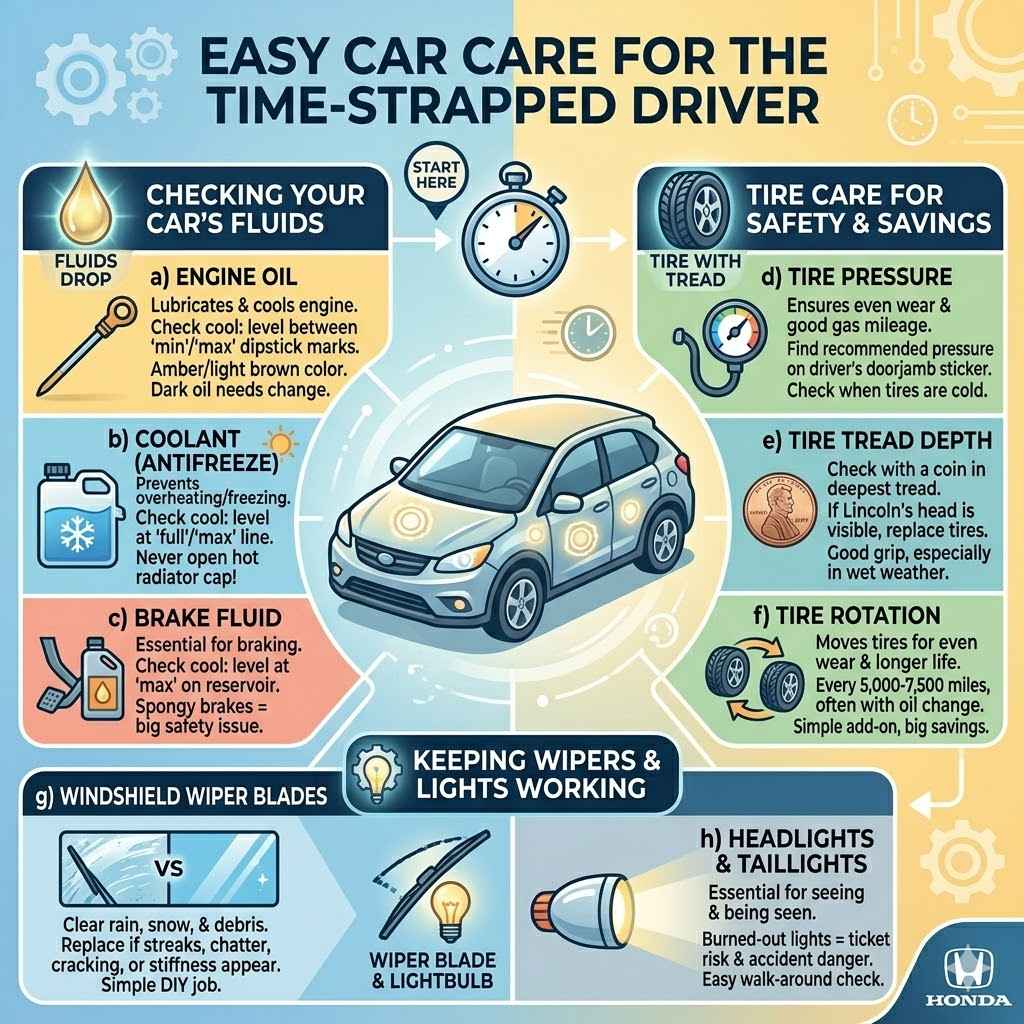
Easy Car Care for the Time-Strapped Driver
This section focuses on the most important, easy-to-do maintenance tasks that busy drivers can fit into their schedules. It covers the basics that prevent bigger issues down the road, saving time and money. Think of these as quick wins for your vehicle’s health.
We’ll explore how these small checks make a big difference.
Checking Your Car’s Fluids
Fluids are like your car’s blood. They keep everything running smoothly. Low fluid levels or dirty fluids can cause serious damage.
It’s important to check them regularly, even if you’re busy. This is one of the most basic but vital maintenance steps.
Engine OilEngine oil lubricates your engine’s moving parts. This stops them from grinding against each other and causing wear. It also helps to cool the engine and keep it clean by carrying away debris.
Without enough clean oil, your engine can overheat and seize up, which is a very expensive repair.
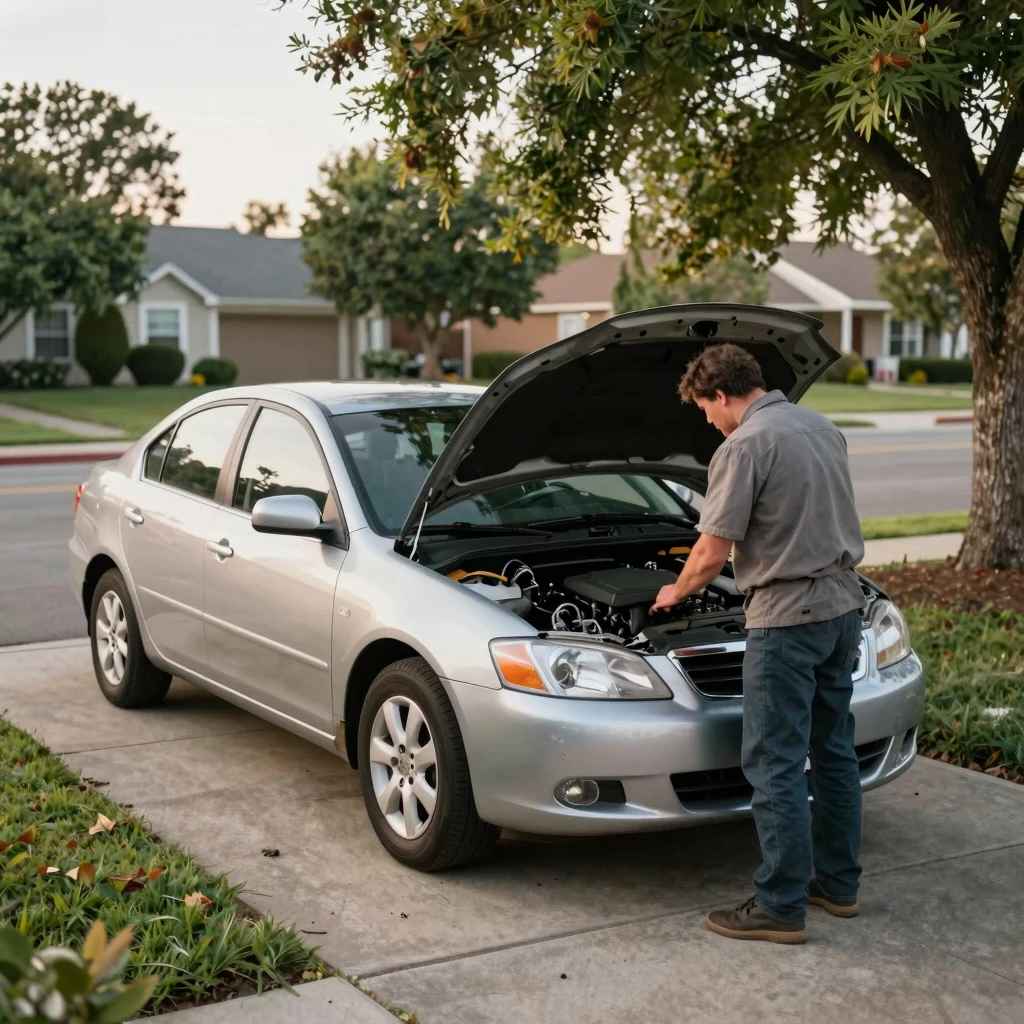
Check your oil when the engine is cool. Pull out the dipstick, wipe it clean, and put it back in. Then pull it out again to see the oil level.
It should be between the ‘min’ and ‘max’ marks. If it’s low, add the correct type of oil. Also, look at the oil’s color.
It should be amber or light brown. Dark, thick oil means it’s time for an oil change.
CoolantCoolant, also called antifreeze, keeps your engine from overheating in hot weather and freezing in cold weather. It circulates through the engine and radiator. If your coolant is low, your engine can overheat quickly.
This can lead to serious damage like a blown head gasket.
Check the coolant reservoir when the engine is cool. It’s usually a translucent plastic tank. The level should be at the ‘full’ or ‘max’ line.
Never open the radiator cap when the engine is hot; the pressurized hot liquid can cause severe burns. If the level is low, add a 50/50 mix of coolant and distilled water.
Brake FluidBrake fluid is essential for your car’s braking system to work. It transmits the force from your foot on the brake pedal to the brakes themselves. If your brake fluid is low, your brakes may feel spongy or stop working altogether.
This is a major safety concern.
Find the brake fluid reservoir under the hood. It’s usually a small, white or clear plastic container with a warning symbol on it. The fluid level should be visible and near the ‘max’ line.
If it’s consistently low, it might mean there’s a leak in the brake system, which needs immediate attention from a mechanic.
Tire Care for Safety and Savings
Your tires are your car’s only contact with the road. Keeping them in good condition is vital for safety, fuel efficiency, and a smooth ride. For busy drivers, simple tire checks can prevent dangerous blowouts and costly replacements.
Tire PressureProper tire pressure ensures your tires wear evenly and improves gas mileage. Underinflated tires can lead to poor handling, reduced fuel economy, and a greater risk of blowouts. Overinflated tires can cause a harsher ride and also wear unevenly.
You can find the recommended tire pressure for your car on a sticker usually located on the driver’s side doorjamb or in the owner’s manual. It’s best to check tire pressure when the tires are cold, meaning the car hasn’t been driven for at least three hours. Use a reliable tire pressure gauge.
It’s a quick check that makes a big difference.
Tire Tread DepthTread is the pattern on the tire surface that provides grip. Worn-out tread means less grip, especially in wet conditions, which can increase stopping distances and the risk of skidding. It’s also illegal in many places to drive on tires with insufficient tread.
You can check tread depth using a coin. Insert a penny into the deepest part of the tread with Lincoln’s head facing you. If you can see the top of Lincoln’s head, your tread is too low and it’s time to
Tire RotationTires often wear unevenly due to differences in weight distribution and steering. Rotating your tires means moving them from one position to another on the car. This helps them wear down more evenly, extending their lifespan.
Most manufacturers recommend rotating tires every 5,000 to 7,500 miles. For busy drivers, this can often be done during an oil change. Ask your mechanic to include tire rotation in your regular service appointments.
It’s a simple addition that saves you money in the long run by making your tires last longer.
Keeping Your Windshield Wipers and Lights Working
These components might seem minor, but they are critical for your safety and the safety of others on the road. Ensuring they are in good working order is a quick and easy maintenance task.
Windshield Wiper BladesWiper blades clear rain, snow, and debris from your windshield. Worn-out blades can leave streaks or simply fail to clear the glass effectively. This severely impairs visibility, especially during bad weather, creating a dangerous driving situation.
Check your wiper blades for signs of wear like cracking, tearing, or stiffness. If they leave streaks or chatter across the glass, it’s time for new ones. Replacing wiper blades is usually a straightforward DIY job that takes only a few minutes.
You can also ask your mechanic to check them during an oil change.
Headlights and TaillightsFunctional headlights and taillights are essential for seeing the road at night or in poor visibility and for being seen by other drivers. A burned-out headlight or taillight can lead to tickets and, more importantly, accidents.
It’s easy to check your lights. Turn on your headlights, taillights, brake lights, and turn signals. Walk around your car to ensure all are working.
If you notice a bulb is out, it’s often a simple replacement task. Many auto parts stores can help you find the correct bulb for your car.
Understanding Your Car’s Warning Lights
Your car’s dashboard is designed to communicate with you. The warning lights are its way of telling you something might be wrong. For busy drivers, knowing what these lights mean can help you address problems early before they become serious.
Dashboard warning lights are indicators that signal a potential issue with your vehicle. These lights can range from minor alerts to urgent warnings that require immediate attention. Ignoring them can lead to more significant and expensive repairs, or even dangerous driving conditions.
Understanding these symbols is a key part of simple car maintenance for busy drivers.
Common Dashboard Warning Lights Explained
Familiarizing yourself with the most common warning lights can save you a lot of worry and potential trouble. Don’t let them intimidate you; they are there to help.
Check Engine LightThis is probably the most common and often the most mysterious warning light. It can illuminate for a wide variety of reasons, from a loose gas cap to a serious engine problem. The light usually looks like an engine silhouette.
If the check engine light comes on, don’t panic immediately. If it’s flashing, it indicates a severe problem that requires immediate attention. If it’s solid, you have a little more time.
First, check if your gas cap is loose and tighten it. If the light stays on after tightening the cap, you should have your car checked by a mechanic. Many auto parts stores can also read the diagnostic codes for free, giving you an idea of the problem.
Oil Pressure Warning LightThis light looks like an old-fashioned oil can. If it comes on, it means your engine is not getting enough oil pressure. This is a serious issue that can quickly damage your engine.
If this light appears, pull over to a safe location as soon as possible and turn off the engine. Check your oil level. If it’s low, add oil.
If the light stays on even after adding oil, or if the oil level is fine, do not drive the car. You need to have it towed to a mechanic immediately.
Battery Warning LightThis light often looks like a battery symbol. It indicates a problem with your car’s charging system. This could mean the battery itself is failing, or there’s an issue with the alternator, which charges the battery while the engine is running.
If this light comes on, it means your car is running on battery power alone. You may notice your headlights dimming or other electrical systems acting strangely. It’s best to get this checked soon.
If you can, drive directly to a mechanic or auto parts store. They can test your battery and alternator.
Brake System Warning LightThis light often looks like a circle with an exclamation mark inside, or the word ‘BRAKE’. It can indicate several things, including that your parking brake is engaged, or that there’s a problem with your brake fluid level or the brake system itself.
First, ensure your parking brake is fully released. If the light remains on, it could mean your brake fluid is low, which is a critical safety issue as it affects your braking performance. You should have your brake system inspected immediately by a qualified mechanic.
Quick Cleaning and Interior Care
A clean car is a more pleasant car, and a little bit of regular cleaning can also help you spot potential issues early. For busy drivers, focusing on quick wins in the interior and exterior can make a big difference without demanding a lot of time.
Maintaining a clean car isn’t just about looks; it contributes to its longevity and your driving experience. Simple cleaning habits can help you spot issues like leaks or wear before they become major problems. These tasks are easy to fit into a busy schedule.
Exterior Quick Checks and Washes
A quick wash can do wonders for your car’s appearance and helps you notice things you might otherwise miss. It also protects the paint.
Regular Car WashesWashing your car removes dirt, grime, salt, and other contaminants that can damage the paint and body over time. Road salt in winter, bird droppings, and tree sap can all eat away at your car’s finish.
Even a quick wash every month or two can help protect your car’s exterior. If you don’t have time for a full wash, consider using a waterless car wash spray for a quick detail. Focus on rinsing off any obvious grime.
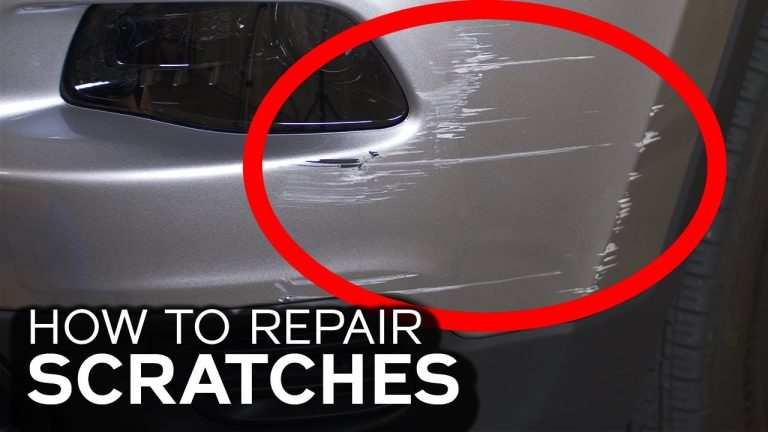
Checking for Dents and ScratchesWhile washing your car, take a moment to look for any new dents or scratches. Small scratches can be touched up to prevent rust. Larger dents can sometimes be addressed with paintless dent repair, which is often faster and cheaper than traditional bodywork.
Keep an eye out for rust spots, especially around wheel wells and door edges. Early intervention can prevent them from spreading and causing more significant damage.
Interior Tidy-Up for a Better Drive
A clean and organized interior makes every drive more enjoyable and can help you find things quickly.
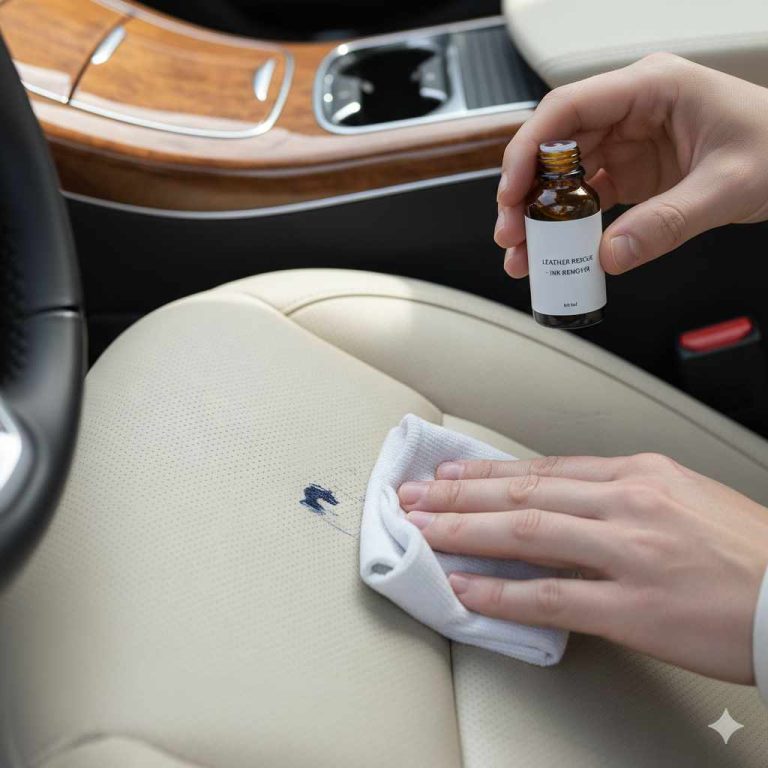
Vacuuming and Wiping Down SurfacesRegularly vacuuming your car’s floors and seats can prevent dirt and debris from building up. Wiping down the dashboard and door panels with an interior cleaner removes dust and smudges.
This doesn’t need to take a long time. A quick 10-minute vacuum and wipe-down once a month can make a big difference in how your car feels. Keeping your interior clean also helps you spot any spills or potential damage early on.
Organizing Your Glove Compartment and Center ConsoleA cluttered glove compartment or console can be frustrating. Keep essential items like your owner’s manual, registration, insurance card, and a pen organized.
Take a few minutes to sort through these areas. Remove old papers, receipts, and anything unnecessary. A well-organized space makes it easier to find important documents and less likely you’ll lose track of things.
The Importance of Regular Professional Check-ups
Even with the best do-it-yourself efforts, some maintenance tasks require professional tools and expertise. For busy drivers, scheduling regular check-ups is a way to ensure comprehensive care without taking up too much of your personal time. It’s an investment in your car’s longevity and your safety.
While these simple car maintenance tips for busy drivers are invaluable, there are times when professional help is essential. Regular check-ups by a qualified mechanic can catch issues that you might miss. They have the specialized knowledge and equipment to perform more complex diagnostics and repairs.
Think of it as preventative medicine for your car.
What to Expect During a Routine Service
Routine service appointments, often called “tune-ups” or “scheduled maintenance,” are designed to keep your car running at its best. Mechanics follow a checklist based on your car’s make, model, and mileage.
Oil and Filter ChangeThis is a standard part of most routine services. Fresh oil and a new filter ensure your engine is properly lubricated and protected from contaminants.
The frequency of oil changes depends on your car’s make and model, but generally, it’s recommended every 5,000 to 10,000 miles, or once a year, whichever comes first.
Inspection of Key ComponentsMechanics will typically inspect brakes, tires, suspension, exhaust system, belts, hoses, and lights. They check for wear and tear, leaks, or any potential problems.
This visual inspection is crucial. A mechanic can spot a worn brake pad or a leaky hose that you might not notice until it causes a problem.
Fluid Top-offs and ChecksDuring a service, technicians will check and top off essential fluids like coolant, brake fluid, power steering fluid, and windshield washer fluid. They will also check for any leaks in these systems.
This ensures all your car’s vital systems have the correct levels of necessary fluids for optimal operation.
When to Seek Immediate Professional Help
Some car issues are more serious and require immediate attention from a professional. Knowing the signs can prevent accidents or major damage.
Unusual NoisesGrinding, squealing, clunking, or knocking sounds coming from your car should not be ignored. These noises often indicate a problem with the brakes, engine, transmission, or suspension.
For example, a loud grinding noise when you brake is a clear sign that your brake pads are severely worn and need immediate replacement to avoid damage to the rotors.
Strange SmellsA burning smell could indicate an oil leak or a problem with your brakes or transmission. A sweet smell might mean your car is leaking coolant. A sulfur or rotten egg smell can indicate a problem with your catalytic converter.
These smells are your car’s way of telling you something is wrong. Don’t delay in getting them checked.
Sudden Changes in PerformanceIf your car suddenly loses power, hesitates when accelerating, or has trouble starting, it needs immediate attention. These symptoms can point to issues with the fuel system, ignition system, or transmission.
A scenario where your car stalls unexpectedly while driving on the highway is a critical example. This is dangerous and requires immediate roadside assistance and a mechanic’s inspection.
Real-Life Examples and Scenarios
Let’s look at how applying these simple car maintenance tips for busy drivers can make a real difference.
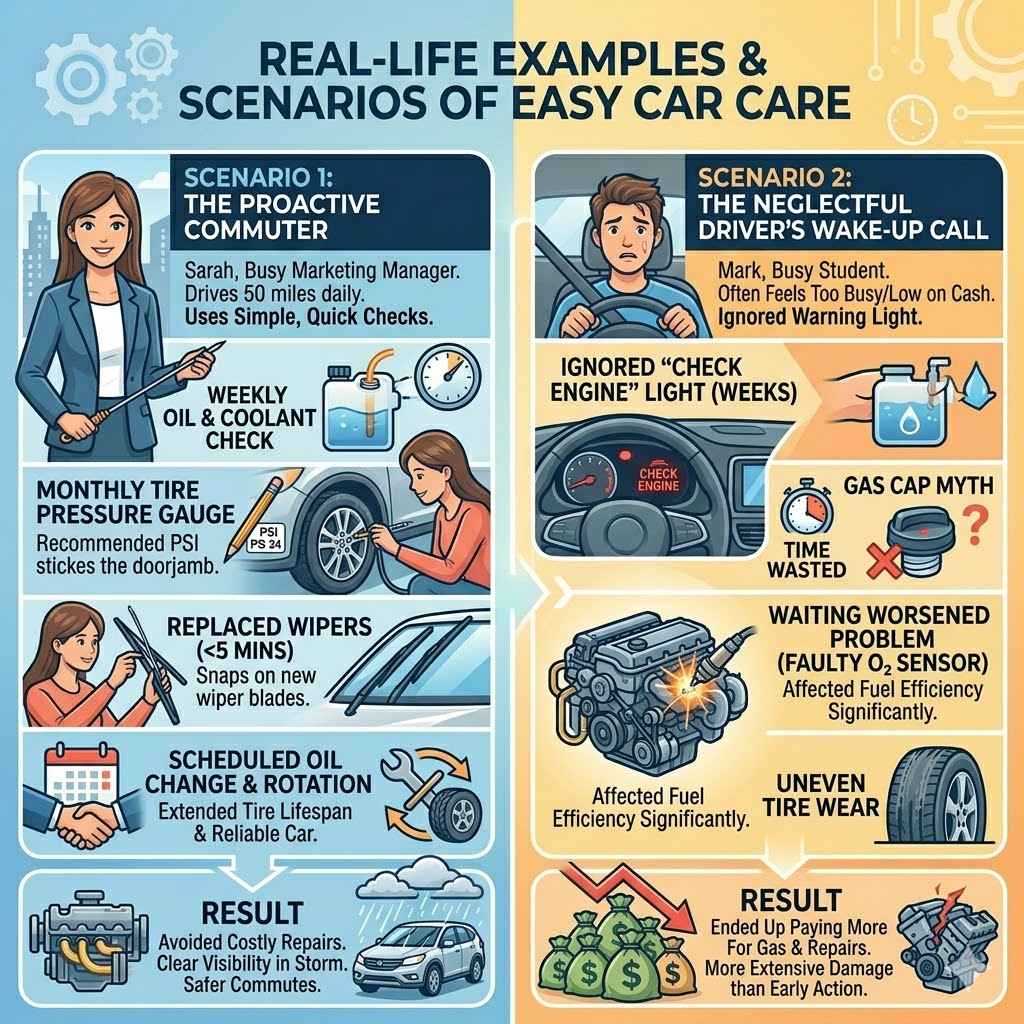
Scenario 1: The Proactive Commuter
Sarah is a busy marketing manager who drives 50 miles to work every day. She used to ignore her car until something went wrong.
Every few months, she started checking her oil and coolant levels during her weekly car wash.
She also made sure her tire pressure was correct by checking it once a month with a simple gauge.
When she noticed her wipers were streaking during a rainy commute, she replaced them herself in under 5 minutes.
She scheduled her oil changes at a local shop and asked them to include a tire rotation.
Result: Sarah avoided a costly engine repair when her oil was low, her tires lasted longer, and she had clear visibility during a bad storm, preventing a potential accident. Her car felt more reliable, and she spent less time and money on unexpected repairs.
Scenario 2: The Neglectful Driver’s Wake-Up Call
Mark is a student who often feels too busy or short on cash for car maintenance. He noticed his “check engine” light came on but ignored it for weeks.
The light stayed on for two weeks before he finally decided to get it checked, hoping it was just a loose gas cap.
It turned out to be a faulty oxygen sensor. Because he waited, the problem worsened, affecting his car’s fuel efficiency significantly.
The repair shop also found that his tires were significantly underinflated due to the issue and had started to wear unevenly.
Result: Mark ended up paying more for gas and for more extensive repairs than if he had addressed the check engine light immediately. He also had to buy new tires sooner than expected, costing him more money and hassle.
Frequently Asked Questions
Question: How often should I check my car’s tire pressure?
Answer: It’s best to check your tire pressure at least once a month, and before long trips. Checking when the tires are cold is most accurate.
Question: Can I add different types of oil to my car?
Answer: No, you should always use the type of oil recommended in your car’s owner’s manual. Using the wrong type can damage your engine.
Question: What if my “check engine” light is flashing?
Answer: A flashing check engine light usually means there’s a severe problem that could damage your engine if you continue driving. Pull over safely and get it checked immediately.
Question: How do I know if my wiper blades need replacing?
Answer: If your wipers leave streaks, chatter, or don’t clear the windshield effectively, it’s time to replace them. Usually, this is when they start to cause visibility issues.
Question: Is it okay to drive with a warning light on?
Answer: It depends on the light. Some are less urgent than others, but it’s always best to get them checked by a mechanic as soon as possible, especially if it’s a serious warning like oil pressure or brake system.
Wrap Up
Keeping your car in good shape doesn’t require a lot of time or expert knowledge. By following these Simple Car Maintenance Tips for Busy Drivers, you can easily check fluids, tires, and lights. Pay attention to your dashboard warning lights and keep your car clean.
Regular professional check-ups are also key. These steps help ensure your car runs smoothly, stays safe, and saves you money on repairs.