
Sperry Car Door Edge Guard Review: Is It Worth It?
The Sperry car door edge guard is worth considering if your main problem is light contact at the painted edge, not full-door impacts. It can help with paint chips and scuffs from minor edge contact, but it is not a reliable fix for preventing dents from parking-lot hits. If you need broader coverage, a full car door protector is the better match.
Verdict on Sperry car door edge guard

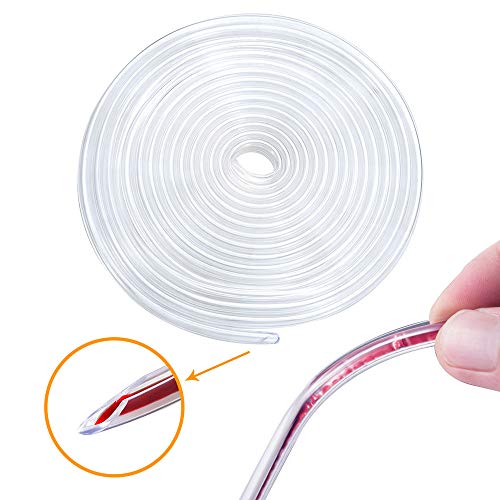

The Sperry car door edge guard makes sense for drivers who want narrow-edge protection and know exactly what problem they are trying to solve. It is a trim-level accessory for the painted door edge, where chips and scratches are most likely when the edge meets a hard or abrasive surface. It is not the right choice if your goal is to stop door dings and dents.
That difference matters. A door edge guard protects the edge itself. A car door protector covers more of the door and is intended for broader parking-contact protection. If your daily routine includes light garage-wall contact or an occasional brush against another car door, a simple edge guard can be useful. If your parking is tight enough for repeated side impacts, buy more coverage.
The bottom line: choose the Sperry guard if you want a narrow, simpler product for chip and scratch control on the edge only. Skip it if you are expecting it to work like a full car door protector.
Best use case
Use it for narrow-edge contact, not for major parking-lot protection. The narrow diameter of a car door edge makes it more likely to pick up paint chips, and a guard can help by creating a barrier that absorbs impact energy. That is a focused job, and it is the job this product type is built to do.
Main limitation
It does not fully prevent car door dings and dents. Some people buy a door edge guard expecting it to solve every contact problem, but a narrow edge strip cannot cover that much area. Hard hits still transfer force into the door skin, which is why wider door protectors exist.
What does it protect?
A door edge guard protects the painted door edge from chips and scratches. It is meant for the high-wear strip that can get nicked when the door touches a wall, another car door, or a similar hard surface. It is a contact buffer, not a full-panel shield.
That also means the protection is local. If the edge is the only part of the door that gets close to surfaces in your parking setup, the guard can be a practical fit. If the impact point is the middle of the door or the door skin near the handle, edge-only coverage leaves too much exposed.
Where edge guards fall short
Edge guards do not fully prevent door dings and dents. They do a better job with edge scuffs, minor chips, and abrasion from brief contact than with deeper impacts. That is why a full car door protector is the better way to prevent dings and dents.
Suppose you back into a garage and the door edge grazes the wall trim once a week. A guard can reduce the chance of paint damage at that contact point. Suppose the same car is parked in a crowded lot where another driver swings open next to you. The guard alone will not cover enough area to stop the dent risk.
Why door dings need more coverage
Door dings happen when the impact spreads beyond the edge. A wider protector gives the door more surface coverage, which is why it fits parking-lot and tight-space scenarios better than a narrow strip. If the problem is repeated side contact, the accessory needs to cover more than the edge.
Pros and cons
Pros
- Helps guard the car door edge from chips and scratches.
- Useful where the door edge meets a wall or another car door.
- Simple enough for buyers who only need narrow-edge protection.
- Available in stick-on and removable styles in the broader category.
Cons
- Does not fully prevent dings and dents.
- Can be the wrong choice if your parking risk is broad-panel contact.
- Poor fit or poor prep can leave edge wear or lifting.
- Needs regular cleaning to reduce scratching risk.
Who should buy it?
The Sperry car door edge guard is a better fit for daily drivers whose main issue is narrow-edge contact, not repeated side impacts. It suits drivers who park close to a garage wall, pull into a narrow space, or want a basic barrier against edge chips and scuffs. It is less suited to people who want visible protection across a larger part of the door.
Who it suits
Buy it if your door edge is the part that gets nicked. That includes drivers who see occasional contact with a concrete wall, a painted pillar, or the edge of a neighboring door in a tight garage. In those cases, a simple edge guard can address the exact wear point without adding full-door bulk.
Who should choose a fuller protector instead?
Choose a full car door protector if you are trying to block door dings and dents in parking lots. A removable magnetic car door protector is the fuller protection option in that category. It is better when the contact area is wider or when you need more coverage during parked-car protection.
Common first-timer mistake
A common first-timer mistake is buying a narrow edge strip for a parking situation that really needs panel coverage. If the door is likely to be hit at the middle of the panel, the edge guard will look like protection but will not match the impact pattern.
Edge guard fit check
Use this table to match the accessory to the parking problem before you buy. The key question is whether you need edge-only chip control or wider contact coverage for dents and dings.
| Parking environment | Expected contact type | Needed protection level | Install difficulty | Best match |
|---|---|---|---|---|
| Single-car garage with close wall clearance | Light edge brushing against a wall | Low to moderate edge protection | Low if surfaces are cleaned first | Simple door edge guard |
| Driveway or wide open parking | Rare contact, mostly curb-side edge wear | Low edge-only protection | Low | Simple door edge guard |
| Apartment lot with tight spaces | Door-to-door contact and close passes | Wider protection against dings and dents | Moderate | Full car door protector |
| Frequent crowded parking | Repeated side impacts from neighboring cars | Higher coverage across more of the door | Moderate | Full car door protector |
| Occasional garage contact with a narrow edge | Paint chips and scuffs at the edge | Moderate edge defense | Low if alignment is careful | Simple door edge guard |
How does installation work?
Installation is straightforward in concept, but prep and alignment matter. Clean the surface before installation, place the guard where the edge actually contacts, and make sure the material sits flat. A poor install can leave gaps, lifting edges, or misalignment that reduces protection and can create new wear points.
Stick-on versions are the common consumer option. They rely on adhesion, so the paint must be clean and dry before application. Removable magnetic car door protectors are a non-permanent option for fuller coverage, but they are a different category and are usually used when the goal is broader parked-car protection.
- Wash the door edge and dry it completely.
- Remove dirt, wax residue, and road film from the contact area.
- Check the fit along the edge before pressing it into place.
- Apply the guard evenly so the edges do not lift.
- After installation, inspect the contact line after a few uses.
- Clean the guard and the door regularly.
Stick-on fit and alignment
With a stick-on type guard, alignment is the main challenge. If it sits crooked, the exposed edge can wear faster, and a lifted corner can rub against paint. That does not mean adhesive guards are bad; it means they need careful placement and a clean surface.
Removable magnetic setup
A removable magnetic car door protector is easier to reposition, but it is aimed at a different job. It is better for broader parked-car protection than for narrow edge defense. Use it when you need a larger shield for tight spaces, not when you only want to guard the painted lip of the door.
Maintenance after installation
Best results come from regularly cleaning the guard surfaces and the car door. Dirt trapped at the edge can act like grit and increase scratching risk. If the guard starts to lift, collect debris, or shift out of alignment, remove it, clean both surfaces, and reinstall it before more wear occurs.
Door edge guard vs full door protector
A door edge guard is for narrow-edge protection. A full car door protector is for parking-lot door protection. That difference is the whole buying decision in a lot of cases, because the right choice depends on where the contact happens and how much of the door needs coverage.
If the door only brushes a wall at the very edge, the simpler product is usually enough. If the problem is other cars, crowded lots, or frequent side impacts, more coverage is worth the extra bulk. Door edge guards help with chips and scratches on the edge; full-door protectors are better for dings and dents.
When to choose more coverage
Choose more coverage if your parking pattern includes repeated close passes, tight lot spacing, or frequent door-to-door risk. A simple edge guard cannot cover enough of the panel to stop those broader impacts. In that case, the accessory should match the risk, not the price tag.
Frequently asked questions
Are door edge guards worth it car?
Yes, if your main risk is edge contact. Door edge guards are worth it for drivers who want to reduce paint chips and scratches from walls, pillars, or nearby doors. They are less worthwhile if you need protection from deeper impacts, because they do not fully prevent door dings and dents.
What does a Sperry car door edge guard actually protect against?
It protects the painted edge of the door from chips and scratches caused by contact with a hard or abrasive surface. That includes brief brushing against a wall or another car door. It is designed for edge damage, not for broad-panel impact or full dent prevention.
Will a door edge guard prevent scratches and paint chips?
It can help reduce both when the contact is at the edge. The guard creates a barrier that absorbs impact energy, which is useful for narrow-edge wear. It will not stop every scratch, and it is not a guarantee against damage if the install is poor or the hit is hard.
Do car door edge guards stop door dings too, or only edge damage?
They mainly address edge damage. Door dings and dents happen across a larger area and need more coverage than a narrow strip provides. If that is your main concern, a full car door protector is the better option.
What should I clean or maintain on a door edge guard after installation?
Clean both the guard surface and the door regularly. Dirt, grit, and road film can increase scratching risk if they sit under the edge or at the seam. Check for lifting, misalignment, or edge wear after use, and reset the guard if it starts to shift.
Products related to this article
Sponsored / affiliate links. As an Amazon Associate I earn from qualifying purchases. I may earn additional commission from eligible campaigns.