What Controls Heat In A Car? Full Breakdown Here
It’s a real bummer when your car’s heat decides to take a vacation, especially when the weather outside is less than friendly. You’re driving along, maybe heading to work or picking up the kids, and suddenly that cozy warmth is gone. All you feel is the cold air creeping in.
It’s not just uncomfortable; it can make your drive feel so much longer and a lot more stressful. You just want to feel that nice, warm air blowing, but it’s not happening.
You might be wondering what’s going on behind the scenes. What magical parts actually work together to make your car warm? Understanding this system can feel a bit like decoding a secret language, but it’s actually quite logical once you break it down.
This guide will walk you through exactly what controls the heat in your car. We’ll cover all the main parts and how they work.
The heat in your car is controlled by a system that uses engine coolant. This heated coolant flows through a small radiator called a heater core. A fan then blows air across the heater core, warming the air before it enters your car’s cabin. You control this process using your car’s dashboard settings, which adjust the fan speed, temperature, and airflow direction.
How Your Car’s Heater Works: The Inside Story
Your car’s heating system is pretty neat. It cleverly uses the heat your engine already makes. Engines get really hot when they run.
Instead of just letting all that heat escape, your car captures some of it. This captured heat is then used to warm up the air that blows into your car’s cabin.
Think of it like this: your engine is working hard, and it produces a lot of warmth. Your car’s heating system is designed to borrow some of that warmth. It’s a smart way to use energy that would otherwise go to waste.
This makes your car cozy without using extra fuel just for heating.
The Heater Core: A Tiny Radiator
At the heart of your car’s heating system is a part called the heater core. This is like a mini-radiator. It’s usually located behind your dashboard, out of sight.
Engine coolant, which is a mix of antifreeze and water, flows through the heater core. This coolant gets hot from the engine’s operation.
As the hot coolant travels through the thin tubes of the heater core, it releases its heat. The heater core has fins, much like a regular radiator, to help spread this heat out. It’s designed to maximize the surface area so that air passing over it can pick up as much warmth as possible.
The Blower Motor: Moving the Air
You need air to get warm, right? That’s where the blower motor comes in. This is essentially a fan.
It’s usually found in the same area as the heater core, often within the HVAC (Heating, Ventilation, and Air Conditioning) unit. When you turn on your car’s fan or adjust the speed on your dashboard, you’re controlling this blower motor.
The blower motor sucks air from outside your car or from inside (if you have the recirculate option on). It then pushes this air. It forces it through the heater core to get warmed up.
The speed of the blower motor determines how much air blows out of your vents and how quickly your car heats up.
Ductwork and Vents: Guiding the Warmth
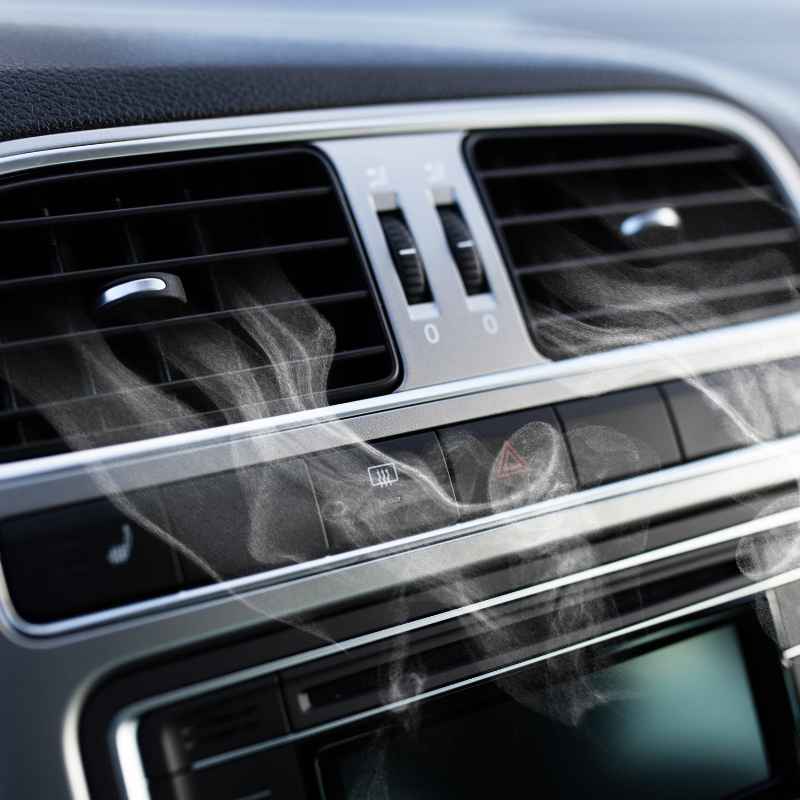
Once the air is heated by the heater core and pushed by the blower motor, it needs a way to get to you. This is done through a network of ducts. These are like tubes or channels.
They run behind your dashboard and connect to the various vents you see on your dashboard, floor, and sometimes even the sides.
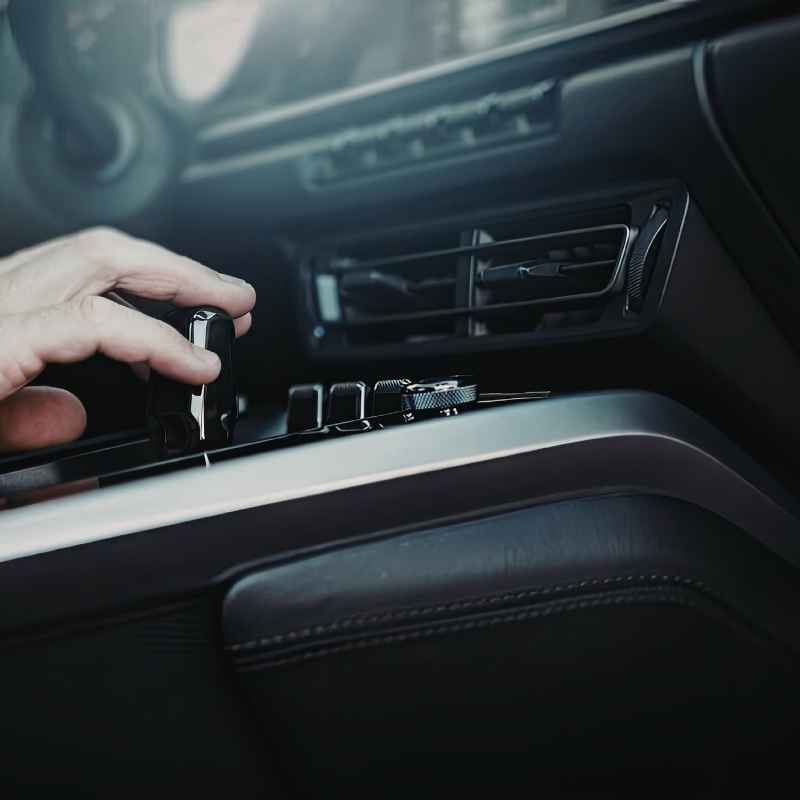
You control where this warm air goes using the different vent settings on your climate control panel. You can direct it to your feet, your face, or the windshield to defog it. The ductwork ensures that the warm air is delivered effectively to the areas you want it to be.
My Own Heater Nightmare
I remember this one brutally cold winter morning a few years back. I had a really old car then. I started it up, and the engine sounded okay.
I turned on the heat, expecting that blast of warm air to start making the frost melt off the inside of my windows. But nothing happened. It was just cold air, like the engine wasn’t even running.
I started to panic a little. I had a long drive to an important meeting.
I fiddled with the knobs, cranked the fan speed all the way up, and tried every vent setting. Still nothing but icy air. My hands were getting so cold on the steering wheel.
I could see my breath inside the car. It was a really miserable 30-minute drive. I pulled over once just to check if maybe a hose had fallen off, but I didn’t know enough about car mechanics to really tell.
It turned out to be a small but critical part failure. That experience really made me appreciate a working car heater!
The Journey of Heat: A Quick Look
Engine Heat: Your car’s engine runs, gets hot. Some of this heat is useful!
Coolant’s Role: Special fluid (coolant) absorbs engine heat.
Heater Core: Hot coolant flows into this mini-radiator behind the dash.
Blower Fan: A fan pushes cabin air over the hot heater core.
Warm Air Output: Heated air travels through ducts to your car’s vents.
Temperature Control: The Blend Doors
So, how does your car know if you want it to be hot or just a little warm? This is where blend doors come into play. These are flaps or doors inside your car’s HVAC system.
They help mix the hot air from the heater core with cooler outside air. Your dashboard controls tell these blend doors how to position themselves.
When you turn the temperature dial to full hot, the blend doors are set to push almost all the air through the heater core. If you want a milder temperature, the doors move. They allow some cooler air to mix with the hot air.
This gives you a wide range of temperatures. It lets you fine-tune the comfort level inside your car.
Manual vs. Automatic Climate Control
Some cars have manual climate control. You turn knobs and push buttons yourself. Other cars have automatic climate control.
You set a target temperature, like 72 degrees. The car’s computer then figures out how to manage the blend doors, blower motor, and air direction to maintain that temperature.
Automatic systems are quite smart. They use sensors to check the cabin temperature and outside temperature. They then adjust the blend doors and fan speed automatically.
This means you don’t have to keep fiddling with the controls to stay comfortable. It’s a more set-it-and-forget-it approach.
Blend Door Action: What It Does
Full Cold: Blend doors block air from the heater core. Mostly outside air is used.
Warm Setting: Blend doors allow some air to pass through the heater core.
Full Hot: Blend doors direct all air through the heater core. Maximum heat is delivered.
Airflow Direction: Where Does the Heat Go?
You also have control over where the warm air comes out. Your car has different vents for different purposes. You can usually choose to have the air blow on your face, on your feet, or towards the windshield.
These are controlled by other doors inside the HVAC system, often called mode doors or air-distribution doors.
These doors are directed by your dashboard settings. If you select “defrost,” the doors will direct air to the windshield vents. If you select “floor heat,” they will send it to the vents near your feet.
This ensures the heat is used most effectively for the situation.
Defrost and Demisting
The ability to direct air to the windshield is crucial. In cold weather, your windows can fog up from the inside due to moisture. Warm, dry air blown onto the windshield helps to evaporate this moisture.
This clears your view. In icy conditions, warm air can also help to melt ice from the outside.
The system uses air that is either heated or cooled, depending on your setting. For defrosting in winter, you typically want warm air. For demisting in humid weather, cooler, drier air can sometimes be more effective at removing moisture.
The system is designed to handle various weather challenges.
Vent Settings Explained
Face/Dash Vents: Air blows out at head level.
Floor Vents: Air blows out near your feet. Good for general warming.
Defrost Vents: Air blows towards the windshield for clearing. Often at the top of the dash.
Bi-Level: A mix of face and floor airflow.
Common Problems That Stop the Heat
When your car’s heat isn’t working right, it’s usually one of a few common issues. These parts are key to the system, so if they fail, you’ll notice it quickly.
Low Coolant Level
This is often the first thing to check. If your engine coolant is low, there isn’t enough fluid to circulate through the heater core. This means the heater core can’t get hot.
Low coolant can be caused by leaks. It’s important to find and fix any leaks to prevent engine damage.
Sometimes, you might just need to add coolant. But always check your car’s manual. It will tell you the correct type of coolant to use.
Never mix different types. If you’re not sure, a mechanic can help. Low coolant is a serious issue that affects more than just your heat.
Faulty Thermostat
The thermostat in your car controls the engine’s temperature. It opens and closes to let coolant flow to the radiator. If the thermostat gets stuck open, the engine might not get hot enough, even after driving for a while.
This means the coolant won’t be warm enough to heat the heater core effectively.
A stuck-open thermostat is less common than other issues, but it happens. You might notice your car taking a very long time to reach normal operating temperature. Or it might never quite get there.
If your car isn’t heating up properly, this is a possibility.
Clogged Heater Core
Over time, the heater core can get clogged with rust and debris from the coolant. This blockage prevents hot coolant from flowing through it properly. If the coolant can’t get through, it can’t transfer its heat to the air.
This results in little to no heat coming out of the vents.
Sometimes, a clogged heater core can be flushed out. This involves running cleaning solutions through it. However, if it’s severely blocked, replacement might be necessary.
A clogged heater core is a common cause of no heat, especially in older cars.
Blower Motor Issues
If you have no air coming out of your vents at all, or if the fan only works on certain speeds, the blower motor might be the culprit. The blower motor can wear out. Its resistor (which controls the speeds) can also fail.
If the motor isn’t working, air won’t be pushed through the heater core.
You might hear clicking or grinding noises if the blower motor is failing. If it just stops working completely, you’ll get no airflow. Replacing a blower motor or resistor is usually a straightforward repair for a mechanic.
Blend Door Actuator Problems
If you’re getting air, but the temperature is stuck on cold or stuck on hot, it could be the blend door actuator. This is a small electric motor that moves the blend doors. If the actuator fails, the doors get stuck in one position.
They can’t mix hot and cold air anymore.
This can be very frustrating. You might have air blowing, but it’s always too cold or too hot. Diagnosing a faulty blend door actuator often involves listening for clicking sounds or checking for movement of the doors.
These actuators are small but vital for temperature control.
Quick Troubleshooting Flow
No Airflow: Check blower motor fuse, then blower motor itself.
Cold Air Only: Check coolant level, thermostat, and heater core for blockages.
Air Too Cold/Hot: Investigate blend door actuators and temperature control settings.
Air Always on Defrost: Check mode door actuators.
Real-World Scenarios and What They Mean
Let’s look at a few everyday situations and see what they tell us about your car’s heating system.
Scenario 1: It’s Freezing Out, and I Get Lukewarm Air
This often points to a couple of things. One, your coolant level might be a bit low. There’s enough to get some heat, but not full blast.
Two, your thermostat might be stuck slightly open. The engine is warming up, but not as hot as it should be.
Another possibility is a partially clogged heater core. The coolant is flowing, but not as freely as it should. This restricts heat transfer.
In any of these cases, you’re getting some heat, but it’s not enough to keep you truly warm. It’s a sign that something isn’t working at its peak.
Scenario 2: Heat Works Fine on the Highway, but Not in Town
This is a classic symptom of a low coolant level or a thermostat that’s not closing properly. When you’re driving fast on the highway, the engine runs hotter. This means the coolant gets hotter, and you get good heat.
But when you slow down or idle in town, the engine temperature drops.
The cooling fan might also be running more in town, cooling the engine down further. If the thermostat isn’t sealing completely, cooler air can bypass the engine block, keeping the coolant from getting hot enough. This is why the heat suffers at lower speeds.
Scenario 3: Air Only Blows When I Accelerate
This is a strong indicator of a problem with the blower motor or its resistor. The blower motor might be weak. It can only move enough air when the engine is revving higher, which sometimes slightly increases electrical current or vacuum.
Or, the blower motor resistor might be failing.
The resistor controls the fan speed. If it’s failing, it might only allow the fan to work at its highest setting, which is often linked to higher engine RPMs or just the “max fan” setting. This is a common issue where the fan works on some speeds but not others.
Scenario 4: I Hear Weird Noises When I Turn on the Heat
Noises are never a good sign! A hissing or dripping sound could mean a coolant leak, possibly from the heater core itself or a hose. A rattling or grinding noise might point to a failing blower motor bearing.
A squealing sound could be a worn blower motor or even a belt issue related to the engine.
It’s important to pay attention to these sounds. They are often early warnings of a bigger problem. Ignoring them can lead to more expensive repairs down the road.
Get any unusual noises checked out by a mechanic.
Heat Performance Check
Full Heat, Fast: Great! System is working well.
Lukewarm Heat: Possible low coolant, thermostat issue, or slight heater core clog.
No Heat: Likely major coolant loss, severely clogged heater core, or blower motor failure.
Intermittent Heat: Could be electrical issues, fluctuating engine temp, or loose connections.
What This Means For You: When to Worry
Most of the time, your car’s heater is a reliable part of your driving experience. But when it stops working, it can be more than just an annoyance. It can be a safety issue.
When It’s Normal (or Less Concerning)
It’s normal for a car heater to take a few minutes to warm up after starting the engine. The engine needs time to reach its operating temperature. So, don’t expect instant heat on a cold morning.
It’s also normal for the heat output to vary slightly depending on how hard the engine is working.
If you notice the heat is a little less strong on a very cold day when idling for a long time, that’s usually normal behavior. The system is designed to provide enough heat for comfortable driving, but extreme conditions might show slight variations. The key is consistency.
When to Worry and Get It Checked
You should definitely get your car’s heater checked if:
- You have absolutely no heat, even after driving for 15-20 minutes.
- You smell a sweet, sticky odor inside your car, which could indicate a coolant leak from the heater core.
- Your car’s temperature gauge is running too hot or too cold.
- You see steam or smoke coming from under the hood when the heat is on.
- There are unusual noises coming from the dashboard when you adjust the climate controls.
- Your windshield fogs up from the inside and the defroster doesn’t clear it effectively.
These are all signs that something more serious might be wrong. Ignoring them can lead to bigger problems, like engine overheating or expensive damage to your HVAC system.
Simple Checks You Can Do
Before calling a mechanic, there are a few simple things you can check yourself:
- Coolant Level: Check your coolant reservoir. Make sure it’s between the MIN and MAX lines when the engine is cool.
- Cabin Air Filter: A dirty cabin air filter can restrict airflow, making your heat feel weaker. Check your owner’s manual for its location and how to replace it.
- Vents and Controls: Ensure your dashboard controls are set correctly. Sometimes, accidentally bumping a knob can change the settings.
These simple checks can often solve minor issues or at least give you a better idea of what might be wrong before you visit a professional.
Quick Fixes and Tips for Better Heat
While major repairs need a mechanic, here are some things you can do to help keep your car’s heating system working well.
Keep Up with Coolant
Regularly check your coolant level and condition. Use the correct type of coolant recommended in your owner’s manual. Flush and replace your coolant according to the manufacturer’s schedule.
This prevents corrosion and buildup that can clog the heater core and other cooling system parts.
Replace Cabin Air Filters
Your cabin air filter cleans the air that comes into your car. If it’s clogged with dirt, leaves, and debris, it significantly reduces airflow from your vents. This means less warm air reaches you.
Check and replace this filter at least once a year, or more often if you drive in dusty conditions.
Use Your Defrost Setting Smartly
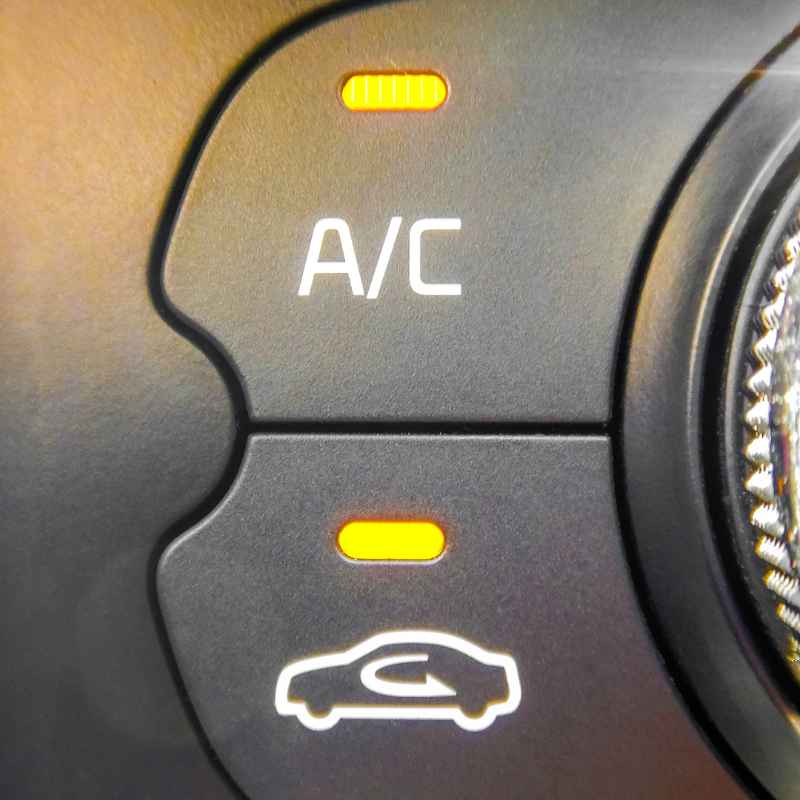
The defrost setting is designed to clear your windshield quickly. It often directs air to the defroster vents and may use a combination of hot and A/C air to dehumidify. Use it when you need to clear fog or frost, but switch back to normal vent settings once visibility is restored.
Understand Your Car’s Warm-Up Cycle
Allow your engine a few minutes to warm up before expecting full heat. This is especially true in very cold weather. Running the A/C briefly when you first turn on the heat can sometimes help dehumidify the air faster, making it feel warmer quicker, though this is debated.
Focus on letting the engine do its job first.
Listen for Changes
Pay attention to any new sounds or smells from your car’s climate system. Early detection of a problem can save you money and hassle. A small leak or a weak blower motor is much easier and cheaper to fix before it causes a larger failure.
Heat Maintenance Checklist
Regularly: Check coolant level.
Annually (or per manual): Replace cabin air filter and flush coolant.
When Needed: Address any unusual noises or smells promptly.
Always: Use the correct type and amount of coolant.
Frequently Asked Questions
Why is my car blowing cold air even though the engine is hot?
This often means there’s a problem with the coolant flow. Your heater core might be clogged, preventing hot coolant from reaching it. Another cause is a faulty thermostat that’s stuck open, not letting the engine reach a high enough temperature.
Low coolant levels are also a common reason.
How long should it take for my car’s heat to start working?
It usually takes about 5 to 15 minutes of driving for the engine to warm up enough for the heater to blow warm air. This time can vary depending on the outside temperature and how long the engine idles. On very cold days, it might take a bit longer.
What is a heater core and what does it do?
The heater core is a small radiator located inside your car’s dashboard. It’s part of the engine’s cooling system. Hot engine coolant flows through it, and a fan blows air across it.
This transfers the heat from the coolant to the air, which then warms your car’s cabin.
Can I drive my car if the heat is not working?
Yes, you can usually drive your car if the heat isn’t working, as long as the engine temperature is normal. However, in very cold weather, a lack of heat can make driving uncomfortable and potentially unsafe if windows fog up excessively. It’s best to get it fixed as soon as possible.
What is a blend door actuator, and why is it important?
A blend door actuator is a small motor that moves a flap (blend door) inside your car’s HVAC system. This door mixes hot air from the heater core with cool outside air to regulate the temperature you feel. If it fails, your car might be stuck with only hot or only cold air.
What should I do if I smell a sweet smell when my car heater is on?
A sweet smell often indicates a coolant leak. The heater core is a common place for leaks within the cabin. If you smell this, it’s important to have your car checked by a mechanic right away to find and fix the leak before it causes major engine damage or contaminates your cabin air.
Is it bad to run the heat on full blast all the time?
Generally, running the heat on full blast isn’t bad for the system itself. It just means the blower motor is working at its highest speed and the blend doors are set for maximum heat. It might use slightly more energy to run the blower motor at high speed, but it won’t damage your car.
It’s more about personal comfort.
Conclusion: Staying Warm on the Road
Understanding what controls the heat in your car can make a big difference. It’s a system that relies on your engine’s cooling. Parts like the heater core, blower motor, and blend doors work together.
This keeps you comfortable in any weather. By knowing the basics and what to look for, you can spot problems early. This helps ensure you stay warm and safe on your drives.
Don’t let a faulty heater ruin your commute. A little knowledge goes a long way. Keep up with basic maintenance, and listen to your car.
You’ll likely enjoy cozy drives all winter long.
Products related to this article
Sponsored / affiliate links. As an Amazon Associate I earn from qualifying purchases. I may earn additional commission from eligible campaigns.