What To Do When Clear Coat Is Peeling Off Your Car
It’s a tough sight. You look at your car, maybe the one you’ve loved for years, and you see it. Patches of the shiny top layer, the clear coat, are lifting away.
It looks like a sunburned snake shedding its skin. This can feel like a disaster. But before you panic, know this: it’s a common issue.
And there are ways to deal with it. We’ll walk through why this happens. We’ll also cover what you can do next.
You’ll learn how to fix it or stop it from getting worse. Let’s figure this out together.
When your car’s clear coat starts peeling, it means the protective outer layer is failing. This usually happens due to sun damage over time, poor application, or exposure to harsh chemicals. While it looks bad, addressing it early can prevent further damage to the paint underneath.
Understanding Clear Coat Peeling
Your car’s paint job has layers. The bottom layer is the primer. It helps paint stick.
Then comes the color coat, which is the actual paint color you see. On top of that is the clear coat. This is the shield.
It protects the color coat from UV rays, rain, dirt, and scratches. It also gives your car that deep, glossy shine. Think of it like sunscreen for your car’s paint.
When this clear coat starts to peel, it’s a sign that this protective shield is breaking down. It’s not just an eyesore. It also leaves the color coat vulnerable.
The color coat can then fade or get damaged. This makes the problem even more serious. Peeling often starts in areas that get the most sun.
These are usually the hood, roof, and trunk.
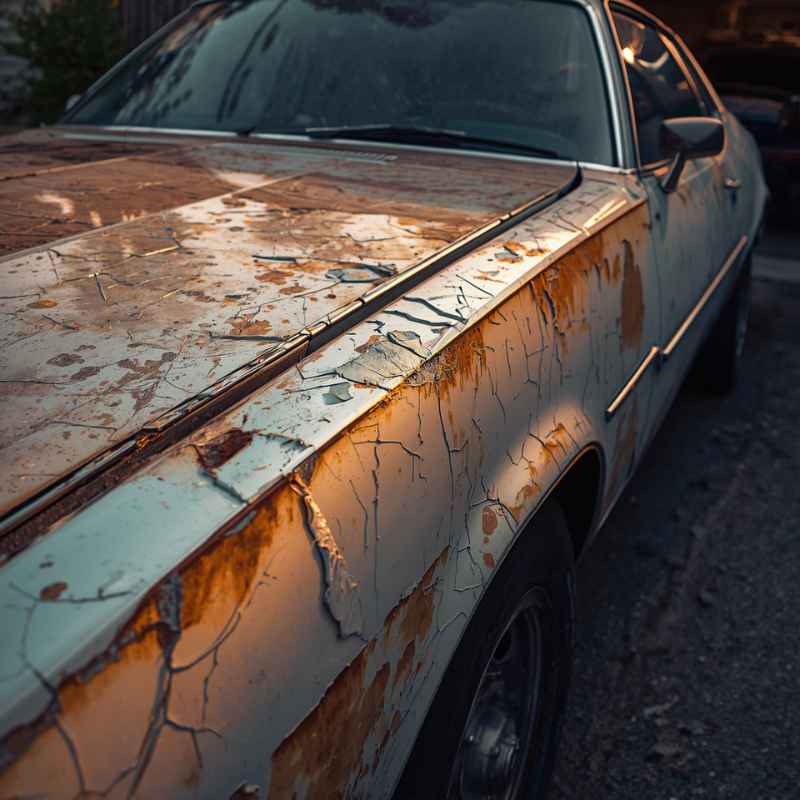
The peeling looks like flakes or bubbles. Sometimes it’s a cloudy haze. Other times, it’s rough to the touch.
It’s the plastic resin in the clear coat failing. Heat, moisture, and chemicals can all weaken this resin. Over many years, this wear and tear causes the coat to separate from the color layer.
It’s like old glue losing its stickiness.
This peeling is a common problem for older cars. But it can happen sooner if the car is not cared for properly. Or if it’s exposed to harsh conditions.
It’s important to understand why it’s happening. This helps you decide on the best way to handle it. It’s not a quick fix for most people.
But knowing the steps makes it less scary.
Why Does Clear Coat Peel Off Cars?
Several things can make your car’s clear coat start to peel. The most common culprit is the sun. Specifically, the ultraviolet (UV) rays from the sun are very powerful.
They can break down the clear coat over time. This is like how your skin gets damaged by too much sun.
Cars that spend their lives parked outside are at higher risk. Even if the car is new, constant sun exposure will take its toll. The heat from the sun also plays a role.
It bakes the clear coat. This makes it brittle and prone to cracking and peeling.
Poor quality paint jobs are another big reason. If the clear coat wasn’t applied evenly or correctly in the first place, it won’t last. Sometimes, there are contaminants in the paint.
Or the layers aren’t bonded properly. This can lead to early failure. It might look good for a while.
But it won’t hold up to the elements.
Harsh chemicals can also damage clear coat. Think about strong car wash soaps. Or even some bug and tar removers.
If used too often or not rinsed off well, they can eat away at the clear coat. Bird droppings and tree sap are also acidic. They can etch the clear coat.
If left for too long, they contribute to damage.
Age is a factor too. No material lasts forever. Clear coat is designed to protect.
But eventually, it wears out. The protective chemicals in it degrade. This makes it lose its ability to shield the paint.
It’s a natural process. But it can be sped up by other factors.
Physical damage, like scratches and chips, can let moisture seep in. This can create pockets of delamination. Water can get under the clear coat.
It freezes and thaws. This expands and pushes the coat away. So, even small dings can become bigger problems.
Improper repair work can also cause peeling. If a car was repainted and the job wasn’t done right, issues can arise later. The layers might not adhere well.
This leads to peeling in those repaired areas. Or even spreading from them.
I remember one time, my neighbor was so proud of his new used car. It was a bright red convertible. He loved driving with the top down.
He lived in Florida. He would leave it parked outside all day, every day. Within two years, the roof and hood looked terrible.
The clear coat was flaking off like crazy. He had no idea why. He thought maybe he’d washed it wrong.
But really, it was just the constant, intense sun. It was a harsh lesson for him about car care in a sunny climate.
Common Causes of Clear Coat Failure
Sun Exposure: Prolonged UV rays break down the clear coat’s structure.
Heat: High temperatures cause the clear coat to expand and contract, leading to cracks.
Chemicals: Harsh car wash soaps, industrial fallout, and acidic bird droppings etch the surface.
Poor Application: Uneven coats, improper curing, or contamination during painting weaken the bond.
Age: Natural degradation occurs over time, making the coat brittle.
Physical Damage: Scratches and chips allow moisture to penetrate.
The Impact of Clear Coat Peeling
When you see clear coat peeling, it’s more than just a looks problem. It affects your car’s value. A car with peeling paint looks neglected.
This can make potential buyers shy away. Or it can lead them to offer much lower prices. It suggests a lack of care.
It also hints at potential underlying paint damage.
The compromised paint is also more vulnerable. The color coat, now exposed, can fade. It can become dull.
It can even start to oxidize. This is where the paint starts to break down at a molecular level. This damage is often irreversible.
It’s hard to get that factory shine back once oxidation sets in.
Water and dirt can get trapped in the peeling areas. This can lead to rust. Especially if the damage goes deeper than the clear coat.
Rust is a serious issue. It weakens the metal panels of your car. And it’s very difficult and expensive to fix properly.
The underlying paint can also lose its protective qualities. The clear coat acts as a barrier. Without it, the color coat can’t do its job as well.
This can lead to other paint issues. It’s a domino effect. One problem leads to another.
It can also be a safety concern in a small way. If paint chips off in large pieces, it could potentially fly off. While rare, it’s not impossible.
More likely, the rough edges of the peeling paint can snag on things. This could cause more damage.
It’s important to act when you notice peeling. The longer you wait, the worse the damage will become. And the more expensive the repairs will be.
It’s like ignoring a small leak in your roof. It starts small, but it can cause major structural damage over time.
Can You Stop Clear Coat Peeling?
Stopping clear coat from peeling is mostly about prevention. Once it starts, it’s hard to stop completely without repair. But you can slow down the process significantly.
And prevent it from happening to a new car.
The best thing you can do is protect your car from the sun. If possible, park it in a garage or under a carport. If you have to park outside, try to park in the shade.
Use a car cover. This creates a physical barrier against UV rays. Make sure the cover is breathable.
You don’t want to trap moisture.
Regular washing is important. Use a good quality car shampoo. Avoid harsh detergents.
Always rinse thoroughly. Washing removes damaging contaminants like bird droppings and tree sap. Do this often.
Don’t let them sit on the paint.
Waxing your car provides a protective layer. A good coat of wax can shield the clear coat from UV rays and other elements. Aim to wax your car at least twice a year.
More often if you live in a harsh climate or park outside a lot.
A paint sealant is another option. Sealants often last longer than waxes. They offer strong protection against environmental hazards.
Ceramic coatings are even more durable. They form a hard, protective shell. These are more expensive.
But they offer superior protection for many years.
Be careful when using car washes. Automatic car washes with rough brushes can scratch the paint. They can also strip away wax.
Hand washing is always the gentlest option. If you use an automatic wash, choose a touchless one.
Address minor paint damage promptly. If you get a chip or a scratch, get it repaired. These can be entry points for moisture.
They can start the peeling process. Small repairs now can prevent big problems later.
When you apply wax or sealant, do it in a cool, shaded area. Applying it in direct sunlight can cause it to dry too quickly. This can leave streaks or dull spots.
It also doesn’t bond as well.
Preventing Clear Coat Damage
- Park Smart: Garage or shaded spots are best.
- Use a Cover: A breathable car cover protects from sun and elements.
- Wash Often: Use mild soap. Rinse away dirt and contaminants.
- Wax Regularly: Apply wax every 3-6 months for a protective layer.
- Seal or Coat: Consider paint sealants or ceramic coatings for long-term protection.
- Fix Chips: Repair paint chips and scratches promptly.
What to Do When Clear Coat Is Peeling
Seeing clear coat peeling is frustrating. But don’t despair. There are steps you can take.
The best action depends on how bad the peeling is. And what you want to achieve.
First, assess the damage. How widespread is the peeling? Is it just a few small spots?
Or is it large areas on the hood, roof, or trunk? Is the paint underneath faded or damaged? Gently touch the peeling areas.
Does it feel rough and flaky? Or is it smooth but cloudy?
For very minor peeling, you might be able to smooth it down. You can try carefully sanding the edges of the peeling spots. Use very fine grit sandpaper.
Like 2000 or 3000 grit. The goal is to feather the edges. This makes them less noticeable.
After sanding, you can try polishing. A good rubbing compound might help blend the edges. Then, follow up with a wax or sealant.
This method works best for very small, isolated spots. It’s not a permanent fix. It just makes it look a bit better.
It won’t stop the underlying problem. The clear coat is already failing there. It will likely continue to peel.
If the peeling is more significant, sanding and polishing won’t be enough. You’ll need to remove the loose, peeling clear coat. You can do this by sanding.
Start with a coarser grit sandpaper. Like 400 or 600 grit. Slowly work your way up to finer grits.
Sand until all the loose clear coat is gone. You want to expose the color coat. Be very careful not to sand through the color coat.
This can create a different, harder-to-fix problem.
Once all the peeling clear coat is removed, you’ll have a dull surface. This is the color coat. It might look faded or patchy.
At this point, you have a few options. You could try to repaint just those areas. This is called spot painting.
However, it’s very difficult to match the original paint perfectly. Especially on older cars. The old paint has faded.
The new paint will look different. It might be noticeable.
A better option for larger areas is to repaint the entire panel. For example, repaint the entire hood. Or the entire roof.
This usually gives a more uniform result. You’ll still need to sand the panel down to the color coat. Then, you’ll need to apply primer, base coat (color), and clear coat.
This is a complex process. Many people choose to have this done by a professional body shop.
For widespread peeling, the most effective solution is a full repaint. This involves stripping the car down to the metal. Then, applying new primer, base coat, and clear coat.
This is the most expensive option. But it’s the only way to get a like-new finish. It restores the car’s appearance and protects it.
This is often done by professional auto body shops.
If the damage is very bad, or the car is old and not worth a lot of money, you might decide not to fix it. You can just keep it clean. And maybe apply a good wax.
This won’t stop the peeling. But it can protect the underlying paint from further damage. It might help keep it from getting worse too quickly.
I had a friend with an old pickup truck. It was his workhorse. The clear coat on the roof was completely gone.
It looked like a big, dull grey patch. He didn’t have the money to repaint it. He just kept washing it.
And he’d put a cheap wax on it every few months. It didn’t look great. But the paint underneath didn’t get much worse.
He just accepted it. It was a practical approach for his situation. He valued function over perfect looks.
Assessing and Addressing Peeling Clear Coat
- Minor Spots: Gently sand edges, polish, and wax.
- Moderate Peeling: Sand off loose clear coat. Consider repainting the panel.
- Severe Peeling: Full repaint by a professional is usually required.
- Cost vs. Value: Decide if the repair cost is worth the car’s value.
- Professional Help: Body shops offer solutions from spot repair to full repaints.
DIY vs. Professional Repair
Deciding whether to tackle clear coat peeling yourself or hire a pro is a big choice. It depends on your skill level, budget, and the extent of the damage.
DIY: For very small spots, you might be able to do some light sanding and polishing. This is for minor imperfections. If the peeling is widespread, DIY becomes much harder.
Sanding off all the loose clear coat takes time and patience. You need the right tools and materials. Sanding too aggressively can ruin the paint underneath.
Applying new clear coat evenly is also tricky. It requires a clean environment. And good technique.
Mistakes can be costly. They might require professional help anyway.
Professional Repair: This is the best option for most significant clear coat peeling. A professional auto body shop has the experience. They have the right equipment.
They can properly assess the damage. They can choose the best repair method. This could be spot repair, panel repainting, or a full vehicle repaint.
Professionals can guarantee their work. They can ensure a good color match. They can apply the clear coat smoothly.
This results in a durable, high-quality finish.
The cost is the main reason people consider DIY. However, if you make a mistake, you could end up paying more for a professional to fix your DIY attempt. For example, if you sand through the paint, a simple repaint becomes a much more complex job.
For widespread peeling, a full repaint is often the most satisfying solution. It makes the car look new again. It adds value.
It’s an investment in your vehicle. While expensive, the results can be stunning.
Think about your comfort level. Are you handy with tools? Do you have a good eye for detail?
If you’re not confident, it’s best to leave it to the experts. They have seen it all. They know how to get the job done right.
It gives you peace of mind.
Understanding Repainting Options
When clear coat peeling is extensive, repainting becomes the main solution. There are different levels of repainting. Each has its own cost and outcome.
Spot Repair: This is for very small areas. A technician might sand down the affected spot. Then repaint just that small section.
They will try to blend the new paint with the old. This can be challenging. It’s hard to get a perfect match.
Especially if the original paint has faded. This is the cheapest repainting option. But it may not look seamless.
Panel Repaint: This involves repainting an entire panel of the car. For example, the hood, a door, or the roof. This allows for a more uniform finish.
The whole panel is treated. This helps avoid noticeable color differences. It’s more expensive than spot repair.
But the results are usually much better.
Full Repaint: This is the most comprehensive option. The entire car is stripped down. All old paint is removed.
The body is inspected for rust or damage. Then, new primer, base coat (color), and clear coat are applied. This is the most expensive option.
But it offers the best and most durable finish. It can make an old car look brand new. It’s a significant investment.
When choosing a body shop, ask for recommendations. Look at their past work. Get quotes from a few different places.
Make sure they explain their process. And what kind of paint they use. Quality paint and skilled application make a big difference.
Repainting Levels Explained
Spot Repair: Focuses on small damaged areas. Least expensive. Match can be difficult.
Panel Repaint: Covers an entire section (e.g., hood, door). Better color match. Moderate cost.
Full Repaint: Complete strip and repaint of the entire car. Most expensive. Best result and protection.
Real-World Scenarios of Clear Coat Peeling
Let’s look at a few common situations where clear coat peeling becomes a problem. These examples might sound familiar.
Scenario 1: The Beach Car
Imagine a car that lives near the coast. The salt in the air is corrosive. It can break down protective layers over time.
Add in the strong sun, and the clear coat starts to fade. Then, it begins to bubble and peel, especially on the horizontal surfaces like the roof and hood. Salt spray is a relentless enemy of car finishes.
Scenario 2: The Gardener’s Truck
This truck often parks under old oak trees. Bird droppings and tree sap are left on the paint for days. These are acidic.
They etch into the clear coat. Even after washing, the damage might remain. Over months and years, these tiny etch marks weaken the clear coat.
Eventually, it starts to peel in those spots. Then it can spread.
Scenario 3: The Budget Car Wash Regular
This car owner opts for the cheapest automatic car wash. These often use harsh chemicals to speed up cleaning. They might also have worn-out brushes that scratch.
These treatments strip away wax. They can damage the clear coat’s integrity. The car looks clean for a bit.
But the finish suffers. Peeling often starts on the most exposed areas.
Scenario 4: The Weekend Project Car (Gone Wrong)
Someone decided to repaint their old car themselves. They watched a few videos online. They bought some spray cans.
They didn’t prep the surface perfectly. They might have had dust or moisture present. Or applied the coats too thick.
The paint looked okay at first. But within a year, the clear coat starts lifting. This is due to poor adhesion from the start.
I remember seeing a classic Mustang at a car show. It had a stunning, deep black paint job. The owner told me he had it professionally repainted.
He’d spent a fortune. He’d chosen a high-end shop. He said the key was the meticulous prep work.
They sanded everything down. They applied multiple coats of primer. Then the color.
Finally, several thick coats of a durable clear coat. He stressed that without that careful prep, even the best paint would fail. His car looked perfect, with no hint of peeling.
Common Car Paint Scenarios
Coastal Cars: Salt and sun damage clear coat quickly.
Tree-Shaded Cars: Acidic sap and droppings etch the paint.
Budget Wash Cars: Harsh chemicals and brushes degrade the finish.
DIY Paint Jobs: Improper prep leads to early peeling.
High-Heat Areas: Constant sun and heat accelerate clear coat breakdown.
What This Means for Your Car’s Value
Clear coat peeling has a direct impact on your car’s resale value. Think about it from a buyer’s perspective. If you see a car with peeling paint, what comes to mind?
First, you might think the car is old. Or that it hasn’t been taken care of. This suggests neglect.
Buyers often assume that if the paint looks bad, other parts of the car might also be neglected. This makes them wary.
Second, you know that fixing peeling paint is expensive. Buyers will factor this cost into their offer. They might deduct the estimated repair cost from the car’s market value.
Sometimes, they might even deduct a bit more. This is to cover the hassle of dealing with the repair themselves.
Third, peeling clear coat can hide other issues. As we mentioned, it can lead to rust. Or damage to the color coat.
A buyer might worry about these hidden problems. They might walk away completely rather than risk buying a car with unknown, costly issues.
On the flip side, a car with a good paint job holds its value much better. A shiny, well-maintained finish makes a car look more appealing. It suggests pride of ownership.
It makes buyers feel more confident in their purchase.
If you plan to sell your car with peeling clear coat, you have a few options. You can sell it as-is for a lower price. You can try to do some minor touch-ups yourself to improve the appearance.
Or you can invest in a professional repair. If you do a full repaint, you might even be able to sell it for more than you spent on the repair. This is especially true for desirable or classic cars.
It’s a trade-off. You have to weigh the cost of repair against the potential increase in selling price. And the likelihood of selling the car at all.
When Is Clear Coat Peeling Not a Big Deal?
While clear coat peeling is generally a negative thing, there are times when it’s less of a concern. This usually comes down to the car’s age and its intended use.
Older, High-Mileage Vehicles: If your car is quite old, has high mileage, and isn’t a collector’s item, some clear coat failure might be expected. For a daily driver that’s seen many years and miles, a bit of peeling might not significantly affect its usability or its already low market value. The focus here is often on mechanical reliability.
“Workhorse” Vehicles: If you own a truck or van used purely for work. Its appearance might be secondary to its function. A bit of peeling paint on the roof or hood might be an acceptable cosmetic flaw.
As long as the underlying structure and mechanicals are sound.
Cars Kept Mostly Indoors: If your car is primarily stored in a garage. And only driven occasionally. The exposure to harsh elements is minimal.
Even if some peeling has started, it might progress very slowly. In this case, the cosmetic issue might not be a priority.
Collector Cars (with caveats): For certain classic or collector cars, originality can be more important than a perfect finish. Some owners might prefer to keep the original paint, even with minor peeling, to maintain the car’s historical authenticity. However, this is a niche situation.
And collectors usually have the funds for meticulous, period-correct restoration if needed.
Even in these less critical situations, it’s still wise to monitor the peeling. Ensure it doesn’t lead to rust or deeper paint damage. A light coat of wax can still offer some protection.
The key is to assess the overall condition of the car. And what you realistically expect from it. If it’s a utilitarian vehicle, you might accept a less-than-perfect paint job.
If it’s a prized possession, you’ll want to address it.
Quick Checks You Can Do
You don’t need to be a car expert to spot potential problems. Here are some simple checks you can do yourself:
Visual Inspection: Walk around your car. Look at the paint in good light. Look for dull spots, cloudy areas, or flaky patches.
Pay special attention to the hood, roof, and trunk. These areas get the most sun.
Touch Test: Gently run your hand over the peeling areas. Does it feel rough? Does the clear coat flake off easily?
If it feels very rough, it’s a sign of significant damage.
Edge Check: Look at the edges of the peeling spots. Are they sharp and defined? Or do they feather out smoothly?
Sharp edges often mean the damage is spreading.
Underneath the Peel: If a piece of clear coat is lifting significantly, see if you can carefully lift it a bit more. What does the color coat look like underneath? Is it dull, faded, or discolored?
This tells you how much damage has already occurred.
Rust Watch: Check for any signs of rust, especially around edges, chips, or in areas where the paint is damaged. Small spots of surface rust can sometimes be treated. Deeper rust requires more serious repair.
Water Test: After washing, see how the water beads on the paint. If it sheets off in large patches instead of beading nicely, it indicates the paint’s surface is compromised.
These simple checks can help you understand the extent of the clear coat peeling. And help you decide on the best course of action.
Frequently Asked Questions About Peeling Clear Coat
Is peeling clear coat covered by a car’s warranty?
Typically, standard new car warranties do not cover clear coat peeling. This is usually considered normal wear and tear, especially on older vehicles. Some manufacturers may offer a limited paint warranty, but this is often for defects in materials or workmanship that occur within a specific timeframe (e.g., 3-5 years).
It’s best to check your specific warranty documents.
Can I use a clear coat repair pen?
Clear coat repair pens are generally for very minor scratches, not peeling. They apply a clear liquid that hardens. For peeling, you need to remove the loose material first.
A pen would not address the underlying issue. It might make the area look temporarily smoother, but the peeling will likely continue.
How long does it take for clear coat to start peeling?
This varies greatly. With poor paint quality and harsh conditions, it could start within 5-7 years. For cars with high-quality paint and good care, it might take 10-15 years or even longer.
Factors like climate, parking, and washing habits play a huge role.
Will clear coat peeling affect my car’s performance?
No, peeling clear coat does not directly affect your car’s mechanical performance. It’s purely an aesthetic issue. However, if left untreated, it can lead to rust or deeper paint damage, which could eventually weaken the car’s body panels.
But this is a long-term, indirect effect.
What is the difference between clear coat peeling and fading?
Fading happens when the UV rays break down the pigments in the color coat. This makes the paint look dull and less vibrant. Peeling is when the top protective layer, the clear coat, separates from the color coat.
You can have faded paint with intact clear coat, or peeling clear coat on vibrant paint. Sometimes, fading occurs after the clear coat has peeled away.
Can I just ignore clear coat peeling?
You can choose to ignore it, but it’s not recommended. Ignoring peeling clear coat allows the damage to worsen. The unprotected paint can fade, oxidize, and eventually lead to rust.
This makes future repairs more extensive and costly. It also significantly lowers the car’s resale value.
Conclusion
Seeing clear coat peel from your car is a common, yet frustrating, problem. It’s a sign that your car’s protective layer is failing. This is usually due to sun damage, poor paint quality, or environmental factors.
While it looks bad and lowers your car’s value, it’s not the end of the world. Understanding the causes helps you prevent it on future vehicles. For current damage, assess the extent.
For minor spots, sanding and polishing might help temporarily. For widespread peeling, professional repainting is often the best solution. Investing in your car’s paint can protect its value and keep it looking great for years to come.
Take action, and you can restore your car’s shine.
Products related to this article
Sponsored / affiliate links. As an Amazon Associate I earn from qualifying purchases. I may earn additional commission from eligible campaigns.