What is the Life of a Car Engine: Ultimate Guide to Longevity
Have you ever wondered how long your car’s engine can really last? Understanding the life of a car engine is key to keeping your vehicle running smoothly and avoiding costly repairs.
Your engine is the heart of your car—it works hard every day to get you where you need to go. But how long can it keep beating strong? You’ll discover what affects your engine’s lifespan, simple steps you can take to extend it, and signs that your engine might be reaching the end of its road.
Keep reading to protect your investment and keep your car running like new for years to come.
Engine Lifespan Basics
The life of a car engine depends on many things. Understanding engine lifespan basics helps you know what to expect. It also guides you on how to care for your engine. Engines can last a long time with proper attention and use.
Average Mileage Expectations
Most car engines last between 150,000 and 300,000 miles. Some engines go beyond 300,000 miles with good care. The exact number depends on the engine type and brand. Regular maintenance helps reach the higher end of this range.
Factors Influencing Engine Life
How you drive affects engine life a lot. Gentle starts and stops reduce engine stress. Regular oil changes keep engine parts moving smoothly. Using the right fuel and fluids matters. Extreme weather can also wear out an engine faster. Neglecting repairs can shorten engine life quickly.
Signs Of Engine Wear
Watch for rough idling or unusual noises from the engine. Smoke from the exhaust signals problems. Decreased fuel efficiency means the engine is working harder. Engine warning lights should never be ignored. These signs suggest it is time for a check-up.
Maintenance Practices
Proper maintenance keeps a car engine running smoothly for years. It prevents damage and costly repairs. Simple care steps help the engine last longer and work better.
Regular Oil Changes
Oil lubricates engine parts and reduces friction. Dirty oil can cause wear and overheating. Change oil every 3,000 to 5,000 miles or as the manual says. Use the right oil type for your car.
Coolant System Care
The coolant system stops the engine from overheating. Check coolant levels regularly. Replace old coolant every two years or 30,000 miles. Look for leaks or damaged hoses to avoid engine damage.
Air Filter Replacement
The air filter stops dust and dirt from entering the engine. A dirty filter reduces engine power and fuel efficiency. Change the air filter every 15,000 to 30,000 miles or more often if driving in dusty areas.
Timing Belt And Chain
The timing belt or chain keeps engine parts working in sync. A broken belt causes serious engine damage. Replace the timing belt every 60,000 to 100,000 miles based on the car manual. Chains usually last longer but need inspection.
Spark Plug Maintenance
Spark plugs ignite the fuel in the engine. Worn plugs cause poor starting and low power. Replace spark plugs every 30,000 to 50,000 miles. Clean or replace them to keep the engine running well.
Driving Habits And Engine Health
Driving habits play a big role in the life of a car engine. How you drive affects engine health and its long-term performance. Good habits can help your engine last longer and work better. Bad habits can cause damage and reduce engine life.
Impact Of Aggressive Driving
Aggressive driving strains the engine. Rapid acceleration and hard braking cause extra wear. This puts pressure on engine parts and the fuel system. Over time, aggressive driving can lead to overheating and faster engine breakdowns. Smooth and steady driving helps keep the engine safe.
Warm-up And Cool-down Routines
Starting your engine and driving away immediately can harm it. Letting the engine warm up for a few minutes improves oil flow. This protects engine parts from friction. After driving, especially long trips, allow the engine to cool down. This prevents damage to the turbocharger and other parts.
Short Trips Vs Long Drives
Short trips can be hard on engines. The engine does not reach optimal temperature. This causes fuel and oil to mix, creating sludge. Long drives heat the engine fully and burn off deposits. Regular long drives help maintain engine cleanliness and efficiency.
Common Engine Problems
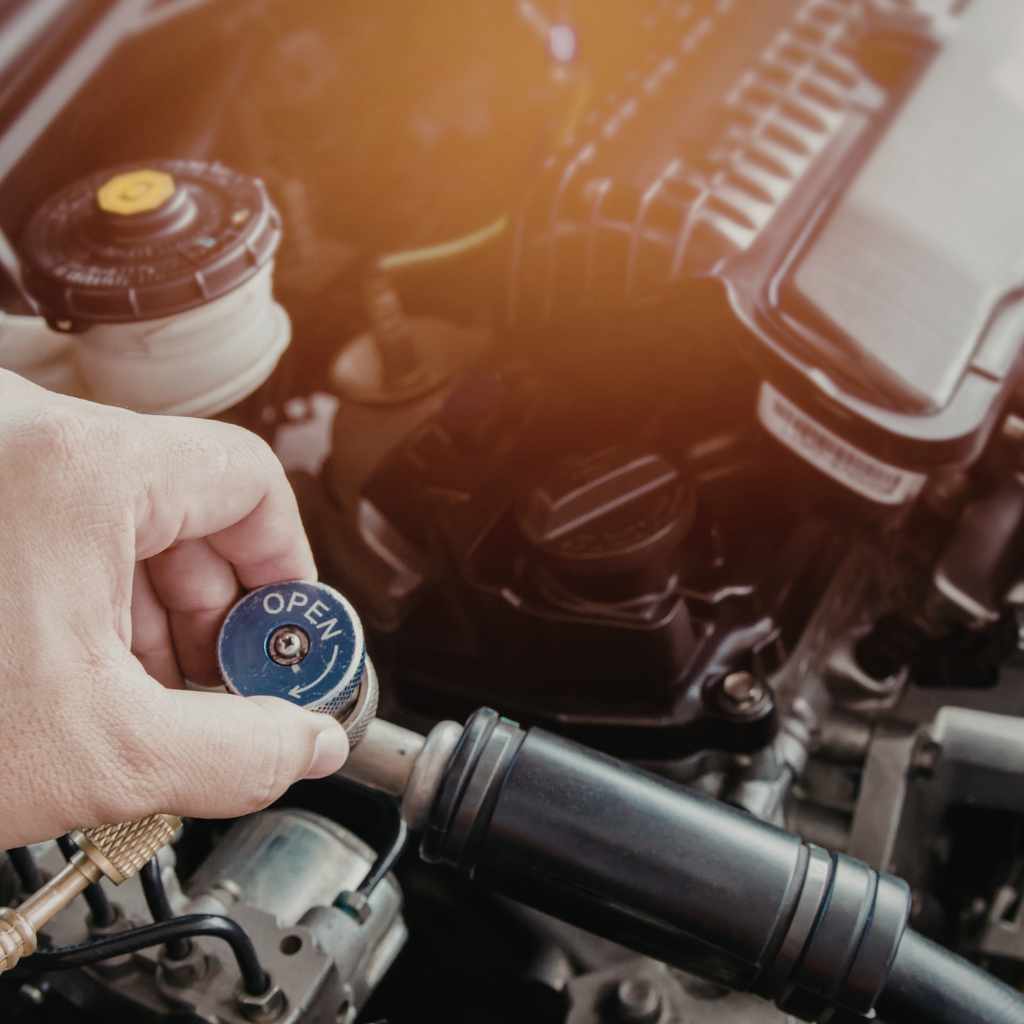
Engines face many problems during their life. These issues can reduce engine performance or cause breakdowns. Knowing common engine problems helps you maintain your car better. It also helps spot trouble early and avoid costly repairs.
Overheating Issues
Overheating happens when the engine gets too hot. It can cause serious damage to engine parts. Coolant leaks, broken thermostats, or radiator problems often cause overheating. Running the engine hot reduces its life and may lead to failure.
Oil Leaks And Consumption
Oil leaks waste engine oil and cause low oil levels. Low oil makes engine parts wear out faster. High oil consumption means the engine uses more oil than usual. Both issues can cause engine damage if ignored.
Knocking And Pinging Sounds
Knocking sounds come from uneven combustion inside the engine. Pinging is a similar noise caused by fuel burning too early. These sounds indicate engine stress and can lead to damage. Using the right fuel and maintenance helps reduce knocking.
Loss Of Power
Loss of power means the engine does not run as strong as before. It can happen due to clogged filters, fuel problems, or worn-out parts. Reduced power affects car performance and fuel efficiency. Regular checks keep the engine running smoothly.
Engine Upgrades And Modifications
Engine upgrades and modifications can change how a car engine performs and lasts. Many car owners choose to improve their engines for better power, speed, or fuel efficiency. These changes affect the engine’s life, so understanding their impact is important. Careful upgrades can help the engine run stronger and longer. Poor choices might cause damage or reduce engine life.
Performance Enhancements
Performance enhancements boost an engine’s power and speed. Common upgrades include turbochargers, improved air intakes, and exhaust systems. These parts help the engine breathe better and produce more power. Increasing engine performance stresses parts more, which can shorten engine life if not managed well. Proper maintenance and quality parts can balance power and durability.
Aftermarket Parts Impact
Aftermarket parts replace or add to original engine components. These parts can improve performance or offer new features. Quality varies widely among aftermarket options. Low-quality parts may fail early and harm the engine. Choosing well-made parts helps keep the engine safe and reliable. Always check reviews and compatibility before buying aftermarket parts.
Tuning For Longevity
Engine tuning adjusts how the engine runs for better results. Tuning can improve fuel use, power, and engine smoothness. Some tunings focus on making the engine last longer. They reduce stress on engine parts and keep temperatures lower. Proper tuning requires knowledge and good equipment. Regular checks after tuning help maintain engine health and extend its life.
When To Replace Or Rebuild
Knowing when to replace or rebuild a car engine is key to keeping your vehicle running well. Engines wear out over time. Some problems show early, others come later. Deciding the right time can save money and avoid breakdowns.
Signs Replacement Is Needed
Loud knocking or tapping sounds from the engine signal trouble. Excessive smoke from the exhaust, especially blue or white, is a bad sign. Poor fuel economy and loss of power can mean serious engine wear. Frequent overheating also points to engine problems. Metal shavings in the oil suggest internal damage. These signs mean the engine may need replacement soon.
Rebuild Vs New Engine
A rebuild means fixing worn parts inside the engine. It can restore performance but takes time and skill. A new engine offers fresh parts and longer life. Rebuilds cost less but might not last as long. New engines cost more but provide better reliability. Choose rebuild for moderate damage and new engine for severe wear.
Cost Considerations
Replacing an engine can cost thousands of dollars. Rebuilding usually costs less but varies with parts and labor. Think about your car’s value before spending a lot. Sometimes, rebuilding extends engine life enough to be worth it. Other times, a new engine is a better investment. Always get a clear estimate before deciding.
Frequently Asked Questions
How Long Does A Typical Car Engine Last?
A typical car engine lasts between 150,000 to 300,000 miles. Proper maintenance can extend its life. Regular oil changes and timely repairs are key to longevity.
What Factors Affect Car Engine Lifespan?
Engine lifespan depends on maintenance, driving habits, and engine type. Frequent oil changes, smooth driving, and quality fuel boost engine durability significantly.
Can Regular Maintenance Improve Engine Life?
Yes, regular maintenance greatly improves engine life. Changing oil, filters, and checking fluids prevent wear. Timely repairs avoid costly engine damage.
When Should You Rebuild Or Replace An Engine?
Rebuild or replace an engine when performance drops or repairs exceed 50% of engine value. Signs include low compression, excessive smoke, and frequent breakdowns.
Conclusion
A car engine’s life depends on care and use. Regular oil changes keep it running smooth. Avoid harsh driving to prevent early wear. Good maintenance helps the engine last longer. Engines can work well for many years. Understanding engine life helps you plan repairs.
Taking simple steps saves money and time. Keep your engine healthy for a safer drive. Remember, small efforts make a big difference. Your car engine deserves proper attention every day.