What Is The Mark Up On A New Car: Essential Guide
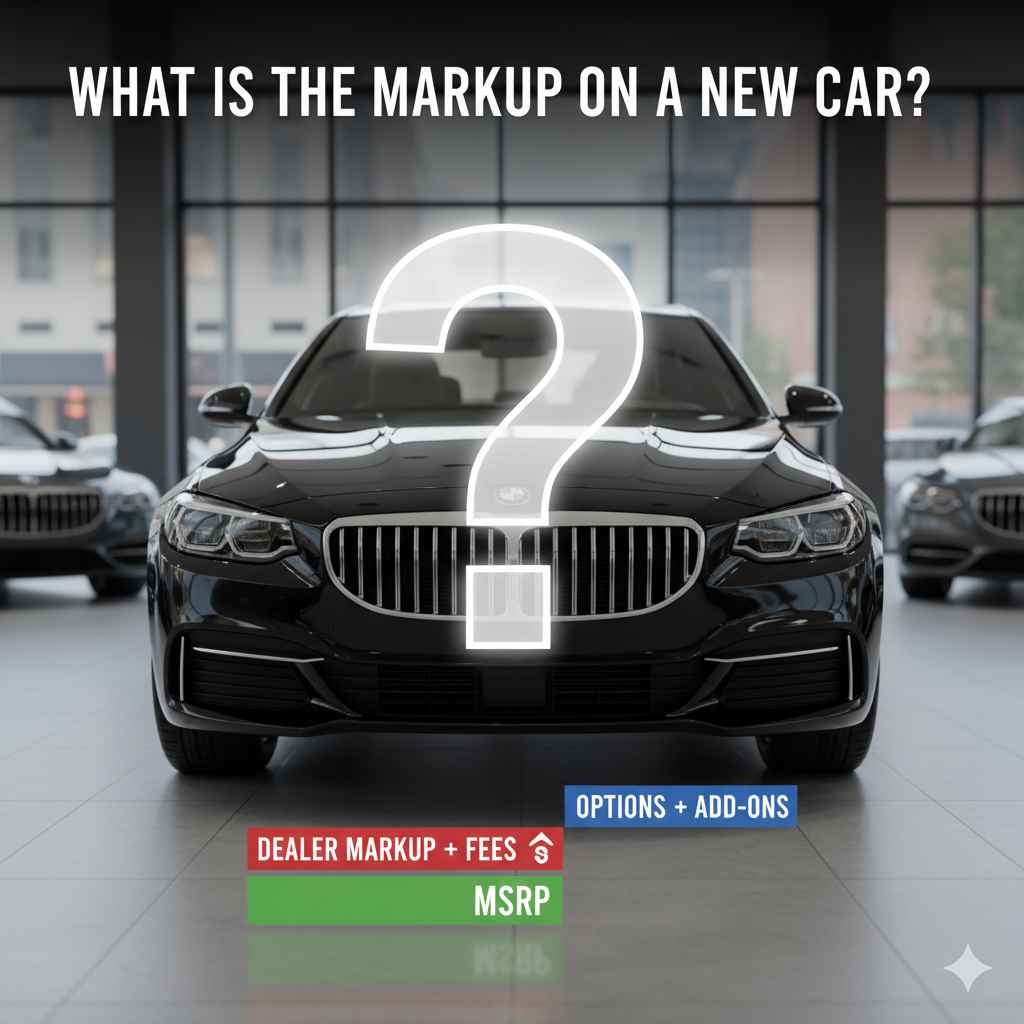
The markup on a new car is the difference between what the dealership pays for the vehicle (its invoice price) and the price they sell it to you for (its MSRP or sticker price and beyond). This difference covers the dealer’s costs and profit. Typically, this markup ranges from 3% to 10% of the MSRP.
Buying a new car is exciting! But sometimes, figuring out the price can feel a bit confusing. You see a sticker price, but is that the final number? What does the car dealership actually pay for the car? Understanding the “markup” is key to feeling confident and getting a great deal. Don’t worry, it’s simpler than it sounds, and I’m here to walk you through it step-by-step. We’ll break down what goes into that price tag and how you can use this knowledge to your advantage.
Understanding the New Car Markup: Your Essential Guide
As Md Meraj, your friendly automotive guide, I know that car shopping can sometimes feel like navigating a maze. One of the biggest puzzles for many drivers is understanding the price of a new car. What exactly are you paying for, and how much profit is the dealership making? This is where the concept of “markup” comes in. Knowing what it is and how it works can save you a significant amount of money and give you the confidence to negotiate effectively. Let’s demystify the markup, step by step.
What Exactly is the Markup on a New Car?
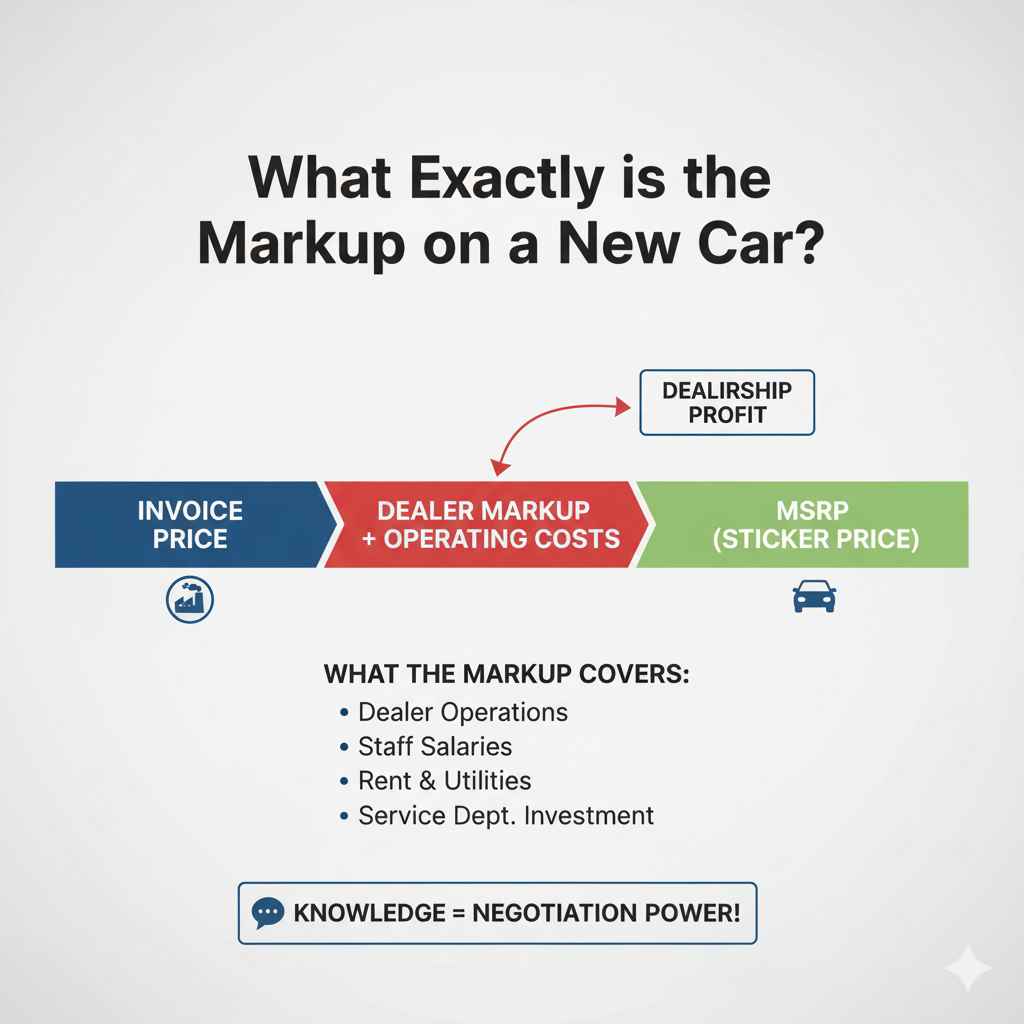
Simply put, the markup on a new car is the amount added to the car’s invoice price by the dealership, before it gets marked up further to the Manufacturer’s Suggested Retail Price (MSRP), also known as the sticker price. Think of the invoice price as roughly what the manufacturer charges the dealership for the car. The MSRP is the suggested price the dealer should sell it for. The difference between these two, plus any additional negotiation, is the territory where the markup lies.
This markup isn’t just pure profit. It’s what allows dealerships to operate, pay their staff, cover overhead like rent and utilities, and invest in their service departments. However, understanding its components helps you see where there might be room for negotiation and what a fair price truly is.
The Two Main Price Points: Invoice vs. MSRP
To truly grasp the markup, you need to know the two key figures:
Invoice Price: This is a crucial number. It’s the price the manufacturer bills the dealership for the vehicle. It’s not the absolute lowest price the dealer paid, as they often get rebates and incentives from the manufacturer that further reduce their actual cost. However, it’s a much better starting point for negotiation than the MSRP.
MSRP (Manufacturer’s Suggested Retail Price): This is the “sticker price” you see on the car. It’s a recommendation from the manufacturer and often includes a significant profit margin for the dealership. While some popular, high-demand vehicles might sell at or above MSRP, most cars have room for negotiation below this price.
The difference between the invoice price and the MSRP is the initial potential markup. Dealerships aim to sell cars somewhere between these two numbers, or even higher in certain market conditions.
Where Does the “Real” Dealer Cost Come From?
It’s important to remember that the invoice price isn’t always the dealer’s rock-bottom cost. Manufacturers often offer incentives and holdbacks that reduce the dealership’s actual out-of-pocket expense for a vehicle.
Volume Rebates: Manufacturers often offer bonuses or rebates to dealerships that sell a certain number of vehicles within a period. This can lower the effective cost of each car if the dealer hits their targets.
Holdback: This is a percentage of the MSRP (or invoice, depending on the manufacturer) that the manufacturer “holds back” and pays to the dealer after the car is sold. This is essentially a built-in profit margin for the dealer, regardless of the selling price. It can represent a significant amount, often around 1-3% of the MSRP.
These incentives mean a dealer might have paid significantly less for a car than even the invoice price suggests. This is a key point to remember when negotiating!
Typical New Car Markup Percentages
The actual markup can vary greatly depending on the car model, brand, demand, and current market conditions. However, here are some general ranges you might expect:
General Passenger Cars: Typically, the markup from the dealer’s true cost (after incentives) to the MSRP can range from 6% to 11%.
Luxury and High-Demand Vehicles: For models with high demand or strong brand prestige, the markup can be higher, sometimes 10% to 15% or even more, especially if they are scarce or very popular.
Less Popular or Older Models: Conversely, for vehicles that aren’t selling well, dealers might offer a larger discount, meaning a lower effective markup.
It’s crucial to research the specific vehicle you’re interested in. Websites like Consumer Reports, Edmunds, and Kelley Blue Book (KBB) provide detailed information on invoice prices, MSRPs, and current incentives, helping you gauge the realistic markup.
Factors Influencing the Markup
Several elements can cause the markup on a new car to swing up or down:
Vehicle Demand: High demand means dealers can ask for more. If everyone wants a specific SUV, the markup will likely be higher, and negotiation room smaller.
Brand Prestige: Luxury brands often command higher markups due to their perceived value and market positioning.
Time of Year/Month: Dealerships and manufacturers often have sales targets. Towards the end of the month, quarter, or year, dealers might be more willing to negotiate a lower markup to hit those goals.
Inventory Levels: If a dealer has too many of a certain model on their lot, they’ll be more eager to sell it, potentially reducing the markup.
New Model vs. Old Model: When a brand-new generation of a car is released, initial markups can be high. As the model ages or a successor is announced, dealers may lower prices to clear out existing inventory.
Manufacturer Incentives: As mentioned, dealer cash, holdbacks, and customer rebates all impact the dealer’s true cost and thus the potential markup.
The Dealer’s Profit Centers: Beyond the Vehicle Markup
It’s important to remember that a dealership’s profit doesn’t solely come from the markup on the car itself. They have several other profit centers:
Financing and Insurance (F&I) Department: This is a significant profit area. When you finance a car, the dealership can earn commissions from the lending institution if they offer you financing. They also make money on extended warranties, gap insurance, and other add-on products.
Trade-In Value: While you might think you’re getting a fair price for your trade-in, dealerships often purchase used cars below their market value to repair, recondition, and sell them for a profit.
After-Sales Service and Parts: The service department is a lucrative part of a dealership’s business. Regular maintenance and unexpected repairs performed by the dealership generate ongoing revenue and profit.
Add-Ons and Accessories: Dealerships also profit from selling accessories like floor mats, paint protection, security systems, and specialized coatings, often at inflated prices.
Understanding these other profit streams helps put the vehicle markup into perspective. While you should negotiate the price of the car itself, be aware that the sale isn’t over until you’ve considered these other areas.
Calculating a Negotiating Range
To get a better idea of a fair price, you can use online resources to estimate the dealer’s cost and then work from there.
Step 1: Find the Invoice Price
Use reputable car pricing websites like Edmunds, Kelley Blue Book (KBB), or Consumer Reports. They usually provide both the MSRP and the invoice price for specific models and trims.
Step 2: Estimate Dealer Discounts/Incentives
Research manufacturer rebates, customer cash, and any “dealer cash” or incentives available for the model you’re looking at. This information is often available on the manufacturer’s website or through consumer car sites. This is where the “holdback” comes into play, which is often not published but is factored into dealer cost estimates by pricing guides. For a rough idea, deduct about 1-3% of MSRP for holdback.
Step 3: Calculate a Target Price
Start with the invoice price, add a small percentage for the dealer’s basic profit (e.g., 2-4%), and subtract any applicable manufacturer rebates that the dealer passes on to you.
Here’s a simplified example:
MSRP: $30,000
Invoice Price: $27,000
Estimated Holdback (2% of MSRP): $600
Manufacturer Rebate: $1,000
Dealer’s Estimated True Cost: $27,000 (Invoice) – $600 (Holdback) – $1,000 (Rebate) = $25,400
Potential Target Price for You: $27,000 (Invoice) + 3% ($810) – $1,000 (Rebate) = $26,810. You might aim to negotiate around $26,500-$27,000.
This is a simplified model, but it gives you a solid foundation for negotiation.
How to Negotiate Effectively
Armed with knowledge about the markup, you’re ready to negotiate. Here are some tips to help you get the best possible price:
1. Do Your Homework: This is the most critical step. Know the invoice price, MSRP, incentives, and what other buyers are paying in your area for the same or similar vehicles.
2. Get Quotes from Multiple Dealerships: Contact several dealerships, ideally in different locations, and ask for their “out-the-door” price on the specific car with its VIN (Vehicle Identification Number). This helps you compare true costs and leverage competitive offers.
3. Focus on the “Out-the-Door” Price: Don’t get caught up in monthly payments or trade-in values initially. Insist on negotiating the total price of the car, including all fees, taxes, and extra charges, before discussing financing or your trade-in.
4. Be Polite but Firm: You’re there to buy a car, and so are they. A friendly, informed approach is usually more effective than aggression. State your offer based on your research and be prepared to walk away if the deal isn’t right.
5. Negotiate Your Trade-In Separately: Once you’ve agreed on the price of the new car, then discuss your trade-in. Know its market value beforehand through resources like KBB or Edmunds.
6. Watch Out for Add-Ons: The F&I office is where many add-ons are pushed. Be firm about declining extras you don’t want, such as extended warranties (unless thoroughly researched and valued), paint protection, or VIN etching. The National Highway Traffic Safety Administration (NHTSA) offers great advice on avoiding deceptive sales tactics. Check out NHTSA’s vehicle purchasing resources.
7. Consider the Time: Shopping at the end of the month or quarter can often put you in a stronger negotiating position as dealers push to meet sales quotas.
What to Expect When Shopping for a New Car
When you visit a dealership, you’ll likely encounter sales representatives who are incentivized to sell you a car at the highest possible profit margin. They are trained to use various sales techniques, so being informed is your best defense.
Here’s what a typical pricing discussion might look like, and how you can navigate it:
Initial Offer: The salesperson will usually start with the MSRP or a price slightly below it, but still higher than the invoice.
Your Counter-Offer: Based on your research, you’ll present a lower offer, ideally close to or just above the invoice price, factoring in any incentives you know about.
The Negotiation Dance: Expect back-and-forth. The salesperson might “talk to their manager” multiple times. They might try to steer you towards a different car or a higher trim level.
Focus on Total Price: Constantly bring the conversation back to the “out-the-door” price of the vehicle you want. Don’t get distracted by monthly payments, which can hide the total cost of the vehicle.
Here’s a table of common fees you might see, and whether they are negotiable:
| Fee Type | Description | Negotiability |
|---|---|---|
| MSRP/Sticker Price | Manufacturer’s Suggested Retail Price based on options. | Highly Negotiable (This is where you negotiate down from) |
| Destination Charge | Cost to transport the vehicle from the factory to the dealership. | Generally Non-Negotiable |
| Advertising Fee | Dealer’s contribution to national or regional advertising campaigns. | Sometimes Negotiable (e.g., dealer-specific advertising fees) |
| Dealer Prep Fee | Cost of cleaning and preparing the vehicle for sale. | Often Non-Negotiable, but can sometimes be bundled into price. |
| Documentation Fee (Doc Fee) | Administrative costs for processing paperwork. Varies by state and dealership. | Sometimes Negotiable, or Capped by State Law. (Research your state’s limits!) |
| VIN Etching | Permanent marking of VIN on windows. | Highly Negotiable (Often a pure profit add-on) |
| Market Adjustment Fee | An additional charge added during times of excessive demand. | Highly Negotiable (Especially if demand isn’t as high as advertised) |
The Rise of Online Car Buying
The automotive industry is rapidly evolving, and online car buying platforms offer a different approach. Many online retailers, like Carvana or Vroom, and increasingly, traditional dealerships with online arms, offer “no-haggle” or “one-price” models.
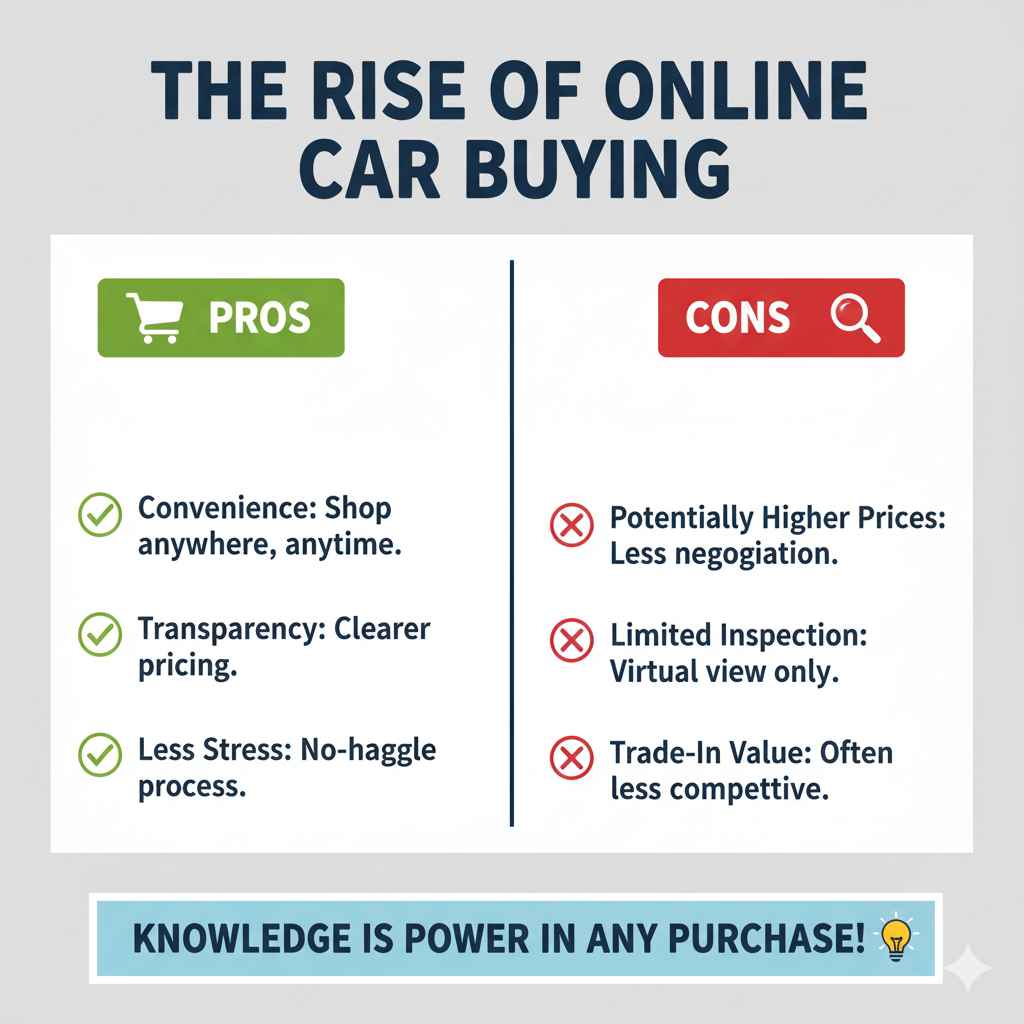
Pros of Online Buying:
Convenience: You can browse, get financing, and even have the car delivered without visiting multiple dealerships.
Transparency: Prices are usually clearly displayed, though they may not always be the absolute lowest.
Less Stress: Avoids the traditional negotiation and pressure tactics.
Cons of Online Buying:
Potentially Higher Prices: “No-haggle” means you’re paying the listed price, which might not be the absolute best deal if you were willing to negotiate.
Limited Inspection: You might not get to thoroughly inspect or test drive the car before purchase, though many offer return periods.
Trade-In Value: Online platforms may offer less competitive prices for your trade-in compared to a dealership willing to negotiate the full package.
Even with online buying, understanding the concept of markup helps you evaluate if the price offered is reasonable.
Frequently Asked Questions About New Car Markup
Q1: What is the average markup on a new car?
A1: The average markup from the dealer’s true cost to the MSRP typically falls between 3% and 10%. However, this can be higher for luxury or high-demand vehicles and lower for less popular models.
Q2: Is the MSRP the price the dealer paid for the car?
A2: No, the MSRP (Manufacturer’s Suggested Retail Price) is the price recommended by the manufacturer for the dealer to sell the car to customers. The dealer pays the manufacturer an “invoice price,” which is lower than the MSRP.
Q3: How can I find out the dealer’s invoice price?
A3: You can find estimated invoice prices on reputable automotive websites such as Edmunds, Kelley Blue Book (KBB), Consumer Reports, and others. These sites compile data to give you a good idea of what the dealer likely paid.
Q4: Are there hidden costs or fees I should watch out for?
A4: Yes, be aware of destination charges, advertising fees, dealer preparation fees, and documentation (doc) fees. Some of these are standard, while others might be negotiable or inflated. Always ask for an “out-the-door” price breakdown.
Q5: Can I negotiate the markup on any car?
A5: You can always attempt to negotiate the price on any new car. However, your ability to negotiate a significant discount (i.e., a lower markup) depends heavily on the vehicle’s demand, the dealer’s existing inventory, and manufacturer incentives.
Q6: Should I worry about manufacturer incentives when negotiating?
A6: Absolutely! Manufacturer incentives, such as rebates or low-interest financing, can significantly reduce your final cost. Make sure you know what incentives are available and if they are being properly applied to your deal. These often come directly from the manufacturer and reduce the dealer’s effective cost.