When Do You Need A New Car Battery? (Clear Warning Signs)
Knowing when your car battery is on its way out is super helpful. It saves you from unexpected breakdowns. It also helps you plan ahead for a replacement.
This guide will walk you through the common and not-so-common signs. You’ll learn what they mean for your car’s health.
We’ll cover everything from how your car starts to little quirks you might have noticed. By the end, you’ll feel more confident. You’ll know exactly when it’s time to get a new car battery before it leaves you stranded.
Let’s dive in.
You likely need a new car battery when you notice slow engine cranking, dimming headlights, frequent jump-starts, strange battery smells, or the battery warning light comes on your dashboard. Old batteries, typically 3-5 years, are also prime candidates for replacement, especially before extreme weather hits.
What Makes a Car Battery Go Bad?
Car batteries don’t last forever. They are like most things in life; they wear out over time. This is a normal part of owning a car.
Several things can speed up this process. They can also cause a battery to fail sooner than expected.
Batteries have a tough job. They provide power to start your engine. They also keep your car’s electronics running.
This includes your radio, lights, and dashboard displays. This constant work puts a strain on the battery’s internal components.
Think of it like a rechargeable phone battery. Over many charges and uses, it doesn’t hold its power as long. Car batteries work similarly.
The chemical reactions inside them degrade over time. This makes them less able to store and deliver electricity.
The Aging Process
Most car batteries have a lifespan of about 3 to 5 years. This can vary a lot, though. Factors like how you drive and the climate you live in play a big role.
A battery in a hot climate might die faster than one in a cooler area. Extreme temperatures are hard on batteries.
Internal corrosion is a major culprit. Sulfuric acid inside the battery can form lead sulfate crystals. These crystals build up on the battery plates.
This buildup makes it harder for the battery to hold a charge. It also reduces its ability to deliver power when needed most.
The plates inside the battery can also degrade. They might corrode or even shed material. This process weakens the battery’s ability to perform.
Eventually, it can no longer meet the demands of your car’s starting system and electronics.
Signs Your Car Battery Needs Replacing
There are several clear signals your car battery is struggling. Some are very obvious. Others might be more subtle.
Paying attention to these signs can save you a lot of trouble. It’s like listening to your body when you feel a little off.
Catching these issues early is key. It lets you schedule a replacement. You can do this on your own terms.
You won’t be left waiting for a tow truck on a dark road.
1. Slow Engine Crank
This is probably the most common sign. When you turn the key to start your car, the engine makes a sound. Normally, it spins the engine over quickly.
If the battery is weak, this sound becomes slow and sluggish. It sounds like the engine is struggling to turn over.
You might hear a “rrr-rrr-rrr” sound that’s slower than usual. It can be unnerving. It feels like the car might not start at all.
This slow crank means the battery doesn’t have enough power. It’s not sending enough juice to the starter motor.
The starter motor needs a lot of electricity to get the engine going. If the battery can’t supply that surge, the crank will be slow. This is your battery saying it’s tired.
It’s a direct indicator that its cranking power is fading.
2. Dim Headlights and Interior Lights
Your car’s lights are a good indicator of its electrical health. If your headlights seem dimmer than usual, especially when the engine is off or at idle, it’s a sign. The same goes for interior lights or dashboard lights that flicker or dim.
These lights draw power from the battery. When the battery is weak, it struggles to supply consistent voltage. This results in reduced brightness.
It’s like a phone screen dimming when the battery gets low. The electrical system isn’t getting the full power it needs.
This can be especially noticeable at night or in low-light conditions. You might feel less safe driving if your headlights aren’t as bright. This symptom is often more pronounced when the engine is not running.
That’s when the battery is the sole power source for accessories.
Battery Power Check: Quick Tips
Dim Lights: Noticed your headlights are less bright? This could be your battery. It means the battery is weak.
Slow Start: Does your engine turn over slowly? That’s a sure sign. Your battery isn’t strong enough.
Warning Light: Dashboard lights are important. If the battery light is on, check it out.
3. Needing Frequent Jump-Starts
If you find yourself needing a jump-start more often, your battery is likely on its last legs. A healthy battery should keep your car running for days or even weeks without needing a boost. If you need one every few days or weekly, it’s a problem.
Needing a jump-start means the battery has lost its charge. It can’t hold enough power on its own. This is often due to the battery not being able to accept or retain a charge properly.
It’s failing to store the electricity it needs.
This is a very direct sign of a failing battery. While other issues can cause a battery to drain (like a faulty alternator or a parasitic draw), repeated jump-starts point strongly to the battery itself being unable to hold a sufficient charge.
4. Strange Battery Smell
This is a serious sign and one you shouldn’t ignore. If you notice a sulfuric smell, like rotten eggs, coming from your car, it could indicate a leaking battery or overheating. This smell is often a sign of internal damage within the battery.
A leaking battery can be dangerous. The sulfuric acid inside is corrosive. It can damage your car’s components and even cause harm if it gets on your skin.
The smell means something is wrong chemically inside the battery. It is reacting poorly.
This smell usually means the battery is overcharging or has an internal short circuit. Both are dangerous conditions. If you detect this smell, it’s best to have your car inspected immediately.
Avoid driving if the smell is strong. Park it safely.
5. The Battery Warning Light
Most modern cars have a battery warning light on the dashboard. This light usually looks like a battery icon. It illuminates when the car’s computer detects an issue with the charging system or the battery itself.
It’s a direct alert from your car’s system.
This light can come on for a few reasons. It could mean the alternator isn’t charging the battery properly. It could also mean the battery isn’t holding a charge.
Whatever the cause, it’s a signal to get it checked out. Don’t ignore this warning.
If this light stays on while you’re driving, it means the system is not working as it should. The battery might be failing, or the charging system that keeps it topped up is. It’s a critical alert that needs prompt attention.
Battery Warning Light Meanings
- Direct Alert: The light is your car’s way of telling you something is wrong.
- Charging System: It often signals a problem with the alternator not charging the battery.
- Battery Health: It can also mean the battery itself is no longer holding a charge well.
- Act Fast: Don’t ignore this light. Get it checked by a mechanic.
6. Older Battery Age
Even if you haven’t noticed any major issues, age is a significant factor. As mentioned, most car batteries last 3 to 5 years. If your battery is approaching or has passed the 5-year mark, it’s wise to consider replacing it proactively.
Especially if you live in an area with extreme weather.
This is a form of preventive maintenance. It’s like getting your oil changed regularly. You do it before there’s a problem to avoid bigger issues down the road.
Replacing an old battery before it dies can save you the hassle and expense of a tow.
Most batteries have a sticker on them indicating the month and year of manufacture or installation. Check this sticker. If it’s over 4 years old, start thinking about a new one.
You can also ask your mechanic to test your battery’s health during routine service.
Experiencing Battery Troubles: A Personal Story
I remember one particularly cold February morning. I had a really early flight to catch. I was already rushing.
I put the key in the ignition, turned it, and heard only a weak click. Nothing more. My heart sank.
The battery was completely dead.
I had noticed the headlights seemed a bit dim the week before. I dismissed it as just being dark outside. Then, the car had sounded a little slower to start a couple of times.
I told myself it was just the cold. I was wrong. I ended up missing my flight.
I had to call a tow truck. It was expensive and took forever. Then I had to find a place to get a new battery installed.
It was a whole morning of stress I could have avoided. If I had just paid attention to those small signs, I could have replaced it a week earlier. It would have been much less of a headache.
Real-World Contexts and Scenarios
Understanding battery failure involves looking at where and how cars are used. This context helps explain why batteries fail when they do. It’s not just about the battery itself.
It’s also about its environment and its job.
Extreme Weather Conditions
Temperature plays a huge role in battery life. Both extreme heat and extreme cold stress a car battery. Hot weather can cause the battery fluid to evaporate faster.
It also speeds up internal corrosion. Cold weather makes it harder for the battery to deliver its full power.
A battery that is already weak will struggle even more in freezing temperatures. The engine oil also thickens in the cold. This makes the engine harder to turn over.
The battery has to work twice as hard. This combination is a perfect storm for battery failure.
In places like Arizona, the constant heat can shorten a battery’s life significantly. In states like Minnesota or Michigan, the bitter cold can cause older batteries to suddenly die. The battery might seem fine in milder weather, but the cold exposes its weakness.
Short Trips vs. Long Drives
How you use your car affects battery health. Frequent short trips can actually be hard on a battery. When you start your car, the battery uses a lot of power.
The alternator then works to recharge it as you drive. If your trips are very short, the alternator may not have enough time to fully recharge the battery.
Over time, this constant draining and incomplete recharging can weaken the battery. It never gets a chance to fully replenish its stored energy. This is common for people who only drive a few miles to work or to run quick errands.
The battery is always slightly depleted.
Conversely, regular long drives are generally good for batteries. They allow the alternator ample time to recharge the battery fully. This keeps the battery in better condition.
If you mostly take short trips, you might need to consider having your battery tested more often.
Driving Habits & Battery Life
Short Trips: Starting the car uses a lot of power. Short trips don’t allow full recharging. This can weaken the battery over time.
Long Drives: Regular long drives are good. They let the alternator fully recharge the battery. This helps maintain battery health.
Extreme Temps: Both heat and cold stress batteries. Heat speeds up decay. Cold makes power delivery harder.
Parasitic Battery Drain
Sometimes, the battery isn’t failing on its own. Something in the car is drawing power from it even when the car is off. This is called a parasitic drain.
It’s like a small leak in a bucket, slowly emptying it.
This drain can be caused by many things. It could be a faulty switch. It could be an aftermarket accessory that wasn’t installed correctly.
Even a light left on inside the car can cause this. Your car’s computer systems also need a small amount of power to stay active.
If a parasitic drain is too high, it can drain the battery completely overnight. This will often lead to a dead battery. If you notice your car battery dies repeatedly without obvious cause, a parasitic drain is a likely suspect.
This needs a mechanic to diagnose.
What This Means for You: When to Worry and When Not To
It’s important to know the difference between a battery that’s just getting old and one that’s failing due to another issue. Most of the time, a battery’s natural aging process is the reason for replacement. But sometimes, it’s a sign of a bigger problem.
When It’s Normal to Replace
If your battery is 3–5 years old, showing signs of slow cranking, or dimming lights, it’s likely just reaching the end of its natural life. This is very normal. Batteries are consumables.
They need to be replaced periodically, just like tires or brake pads.
Replacing an aging battery before it fails completely is a smart move. It’s a planned expense rather than an emergency one. You can shop around for the best price and warranty.
You can schedule the replacement at your convenience.
Consider your driving habits and climate. If you live in a harsh climate or mostly take short trips, you might need to replace your battery sooner. It’s always better to be proactive than reactive when it comes to your car battery.
When to Worry (and Get It Checked)
You should worry if a relatively new battery (under 2 years old) starts showing these signs. This points to a defect or an underlying issue. It could be a faulty alternator, a parasitic drain, or a defective battery.
The battery warning light coming on suddenly is also a cause for concern. If you smell that sulfuric odor, stop driving the car and get it checked immediately. These aren’t normal aging signs.
They indicate a more serious problem that needs expert attention.
Don’t hesitate to take your car to a trusted mechanic if you’re unsure. They can perform a thorough test. They can check the battery, the alternator, and the entire charging system.
This ensures you’re addressing the root cause.
Quick Fixes and Tips for Battery Care
While you can’t stop a battery from aging, you can do things to help it last longer. And some simple checks can help you manage its performance.
- Keep Terminals Clean: Battery terminals can get corroded. This white or blue powdery buildup can block the flow of electricity. Clean them gently with a wire brush and a baking soda/water paste. Wear gloves and eye protection.
- Ensure Secure Connections: Make sure the battery cables are tightly connected to the terminals. Loose connections can cause intermittent power loss or prevent the car from starting.
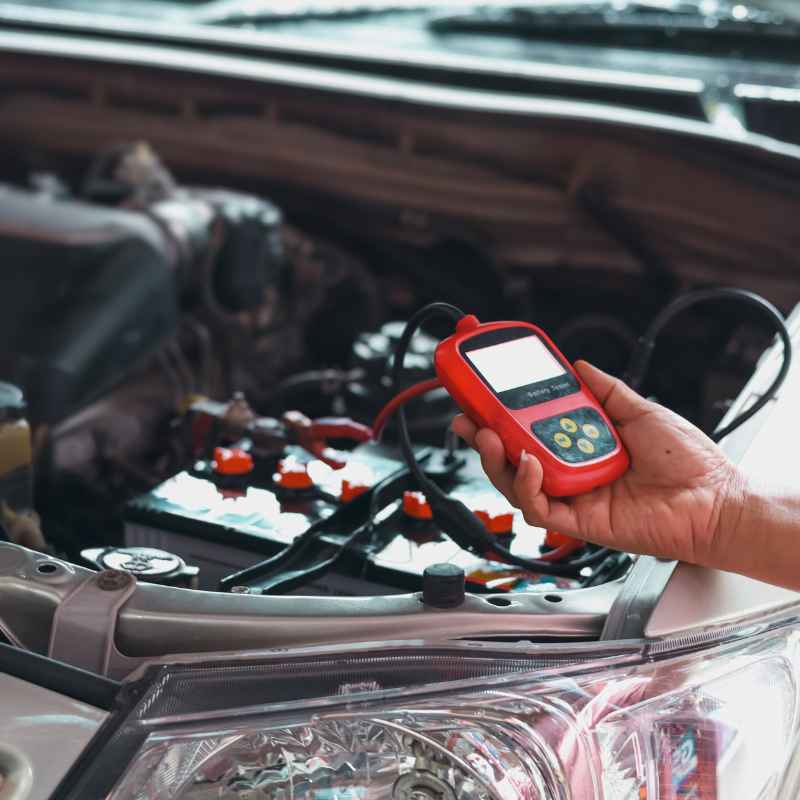
- Test Regularly: Especially as your battery approaches 3 years old, have it tested during routine maintenance. Most auto parts stores offer free battery testing.
- Avoid Deep Discharges: Try not to leave lights or accessories on when the engine is off for extended periods. This drains the battery excessively.
- Drive Regularly: If you don’t drive your car often, try to take it for a longer drive at least once a week. This helps keep the battery fully charged.
- Protect from Extreme Temps: If possible, park your car in a garage during extreme heat or cold. This can help moderate the battery’s temperature.
Battery Care Checklist
Terminals: Keep them clean and free of corrosion.
Connections: Ensure battery cables are tight.
Testing: Get your battery tested annually after 3 years.
Usage: Avoid draining the battery with accessories.
Driving: Drive your car regularly, ideally with longer trips.
Frequently Asked Questions About Car Batteries
How long does a car battery typically last?
Most car batteries last between 3 to 5 years. This can change based on climate, driving habits, and battery quality. Hot weather and frequent short trips can shorten their lifespan.
What does it mean if my car battery warning light comes on?
The battery warning light usually means there’s an issue with your car’s charging system. This could be a problem with the alternator not charging the battery, or the battery itself not holding a charge properly. It requires prompt inspection.
Can I replace my car battery myself?
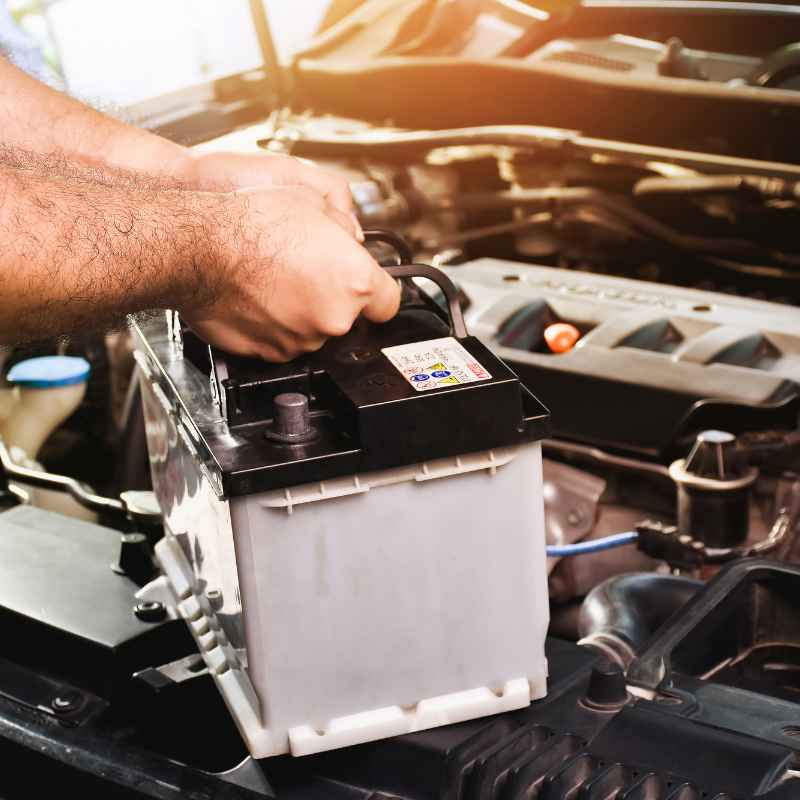
Yes, for many cars, replacing a car battery is a DIY job. You’ll need a wrench to remove the old battery and connect the new one. It’s important to disconnect the negative terminal first, then the positive.
Reconnect in reverse order. Always wear safety glasses and gloves.
Is it okay to drive with a dim headlight?
While you might be able to drive, dim headlights are a sign of a weak battery. It’s best to get your battery tested. Driving with dim lights at night is also a safety hazard.
Your visibility is reduced.
How often should I get my car battery tested?
It’s a good idea to have your battery tested annually, especially after it’s 3 years old. Many auto parts stores offer free battery testing. This can help you catch a failing battery before it leaves you stranded.
What causes a sulfuric smell from my car battery?
A sulfuric or rotten egg smell usually means the battery is overheating or leaking. This can be caused by overcharging from the alternator or an internal battery fault. It’s a serious sign and requires immediate attention to avoid damage or safety risks.
Conclusion: Staying Ahead of Battery Issues
Understanding the signs of a failing car battery is crucial. It empowers you to act before you’re left in a difficult situation. From slow starts to dim lights, these are your car’s signals.
Pay attention to your vehicle. Listen to its sounds. Notice its quirks.
And remember that age and environment play a big part. Being proactive with checks and timely replacements will keep you on the road.
Products related to this article
Sponsored / affiliate links. As an Amazon Associate I earn from qualifying purchases. I may earn additional commission from eligible campaigns.