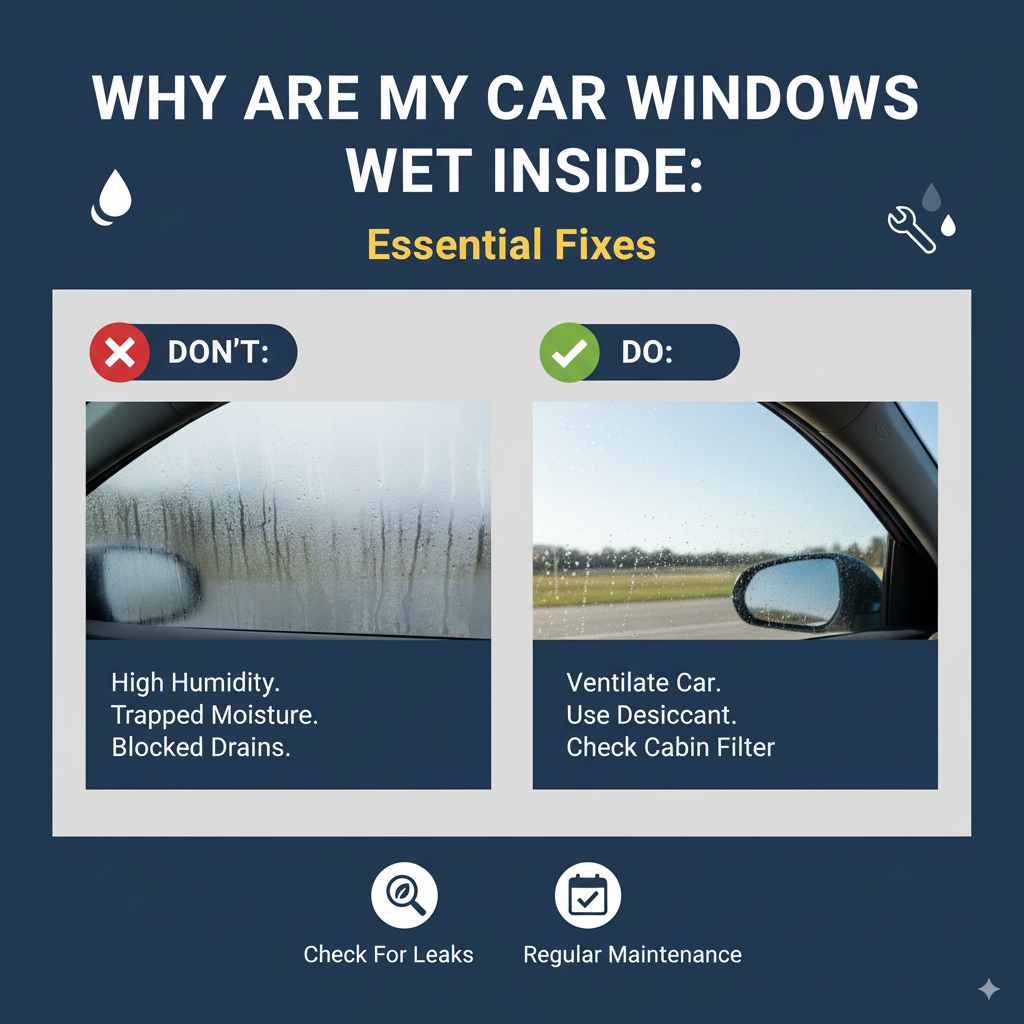
Why Are My Car Windows Wet Inside: Essential Fixes
Your car windows are wet inside due to moisture buildup. This can be caused by leaks, high cabin humidity from passengers or wet items, or issues with your car’s climate control system. Simple fixes usually involve addressing leaks, drying out the interior, and ensuring proper ventilation.
Seeing condensation, fog, or even dampness on the inside of your car windows can be a real head-scratcher, and frankly, a bit annoying. It’s not just unsightly; it can also make driving tricky by reducing visibility. You might wake up to a foggy windshield or notice it happening on rainy days. Don’t worry, this is a common issue many drivers face! Understanding why it happens is the first step to fixing it. We’ll walk through the most common culprits and give you easy, do-it-yourself solutions to get your windows clear and your driving safe again. Let’s get those windows sparkling clear!
Why Are My Car Windows Wet Inside? Common Culprits Explained
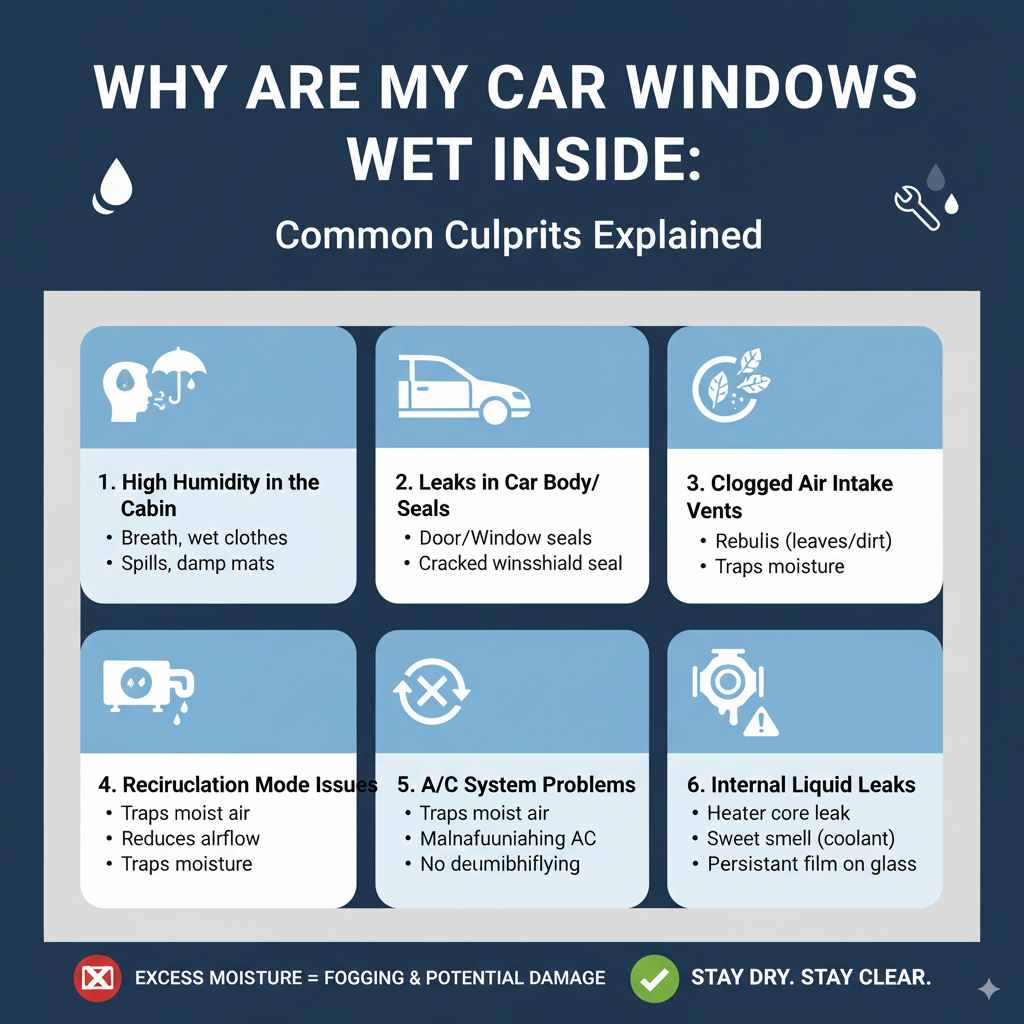
When your car windows are wet inside, it means there’s moisture vapor in the air inside your car condensing onto the cooler window surfaces. Think of it like breathing on a cold mirror – the warm, moist air from your breath hits the cold glass and turns into water droplets. Several things can cause this excess moisture. Let’s break down the most frequent reasons:
1. High Humidity in the Cabin
This is often the most straightforward reason. Everyday activities can pump moisture into your car’s interior:
- Passengers and their Breath: Every person in your car exhales moisture. On a cold day, this is very noticeable.
- Wet Items: Bringing in wet umbrellas, dripping clothes, damp gym bags, or even wet floor mats can significantly increase humidity inside the car.
- Spills: A coffee or water spill that isn’t completely dried out can continue to release moisture into the air.
2. Leaks in the Car Body or Seals
Even a small leak can allow outside moisture to seep in, especially when it rains or you drive through puddles. These leaks are often hidden.
- Door Seals: The rubber seals around your doors keep water out. If they are old, cracked, or damaged, water can get in, especially during heavy rain or car washes.
- Window Seals: Similar to door seals, the seals around your windows can degrade over time, creating gaps.
- Sunroof/Moonroof Drains: If your car has a sunroof, it has small drain tubes to channel water away. If these get clogged with leaves or debris, water can back up and leak into the cabin, often near the headliner or A-pillars.
- Body Seams: Over time, the sealant along various body seams (like where the roof meets the body or around the windshield) can crack, allowing water entry.
- Cracked Windshield/Back Window Seal: The seal around your glass can also fail.
3. Clogged Air Intake Vents
Your car’s ventilation system pulls fresh air from outside through intake vents, usually located near the base of the windshield. If these vents are blocked by leaves, dirt, or debris, it can affect how efficiently your system circulates air and manages moisture.
4. Problems with the Recirculation Mode
The recirculation button on your climate control system tells your car to reuses the air already inside the cabin. While great for quickly cooling or heating, if left on for too long, especially with multiple passengers, it can lead to a significant buildup of moisture because you’re not bringing in drier outside air. Sometimes, the system can also malfunction and get stuck in recirculation mode.
5. Air Conditioning System Issues
Your A/C system is designed to dehumidify the air as it cools it. However, a malfunctioning A/C system, or a blocked A/C drain, can contribute to moisture problems.
- Clogged Evaporator Drain: The A/C system collects condensation on its evaporator coil. This water is normally directed outside your car through a small drain tube. If this tube gets clogged, water can back up and leak into the cabin, often appearing on the passenger side floor.
6. Internal Liquid Leaks
While less common, sometimes leaks can originate from internal vehicle systems:
- Heater Core Leak: The heater core is like a small radiator for your cabin heat. If it develops a leak, you might notice a sweet smell and a persistent fog or film on your windshield, accompanied by dampness on the passenger side floor.
- Coolant Leaks: A leaking heater core is often caused by a coolant leak. Regular coolant is toxic and should not be inhaled.
How to Fix Wet Car Windows: Essential Fixes Made Easy
Now that we know the common reasons, let’s tackle how you can fix them. Most of these are beginner-friendly and can be done with basic tools!
Step 1: Address Humidity Immediately
When you notice wet windows, the first thing to do is reduce the moisture in the air.
- Turn on your Air Conditioning (A/C): Even on a cold day, running the A/C in conjunction with your defroster is remarkably effective. The A/C system removes moisture from the air. Set your climate control to “defrost” or “front defog” and turn the A/C on.
- Use Fresh Air Intake: Make sure your climate control system is set to draw in fresh air from outside, not recirculate cabin air. Look for an icon showing an arrow entering the car. This brings in drier outside air.
- Ventilate: If it’s not raining, crack open your windows a bit to allow moist air to escape and drier air to enter.
- Remove Wet Items: Take out any damp floor mats, umbrellas, or other items contributing to moisture.
- Dry Surfaces: Use a microfiber cloth to wipe down any visibly wet surfaces like seats or carpets. For persistent dampness, you might need to use a wet-dry vacuum or lay down old towels.
Step 2: Check and Clear Air Intake Vents
Blocked vents can hinder your defroster’s ability to work effectively.
- Locate Vents: These are typically found at the base of your windshield, often under a plastic cowl.
- Remove Debris: Carefully remove any visible leaves, twigs, or accumulated dirt. A brush or even your hands can work. Ensure the vents are clear for proper airflow.
Step 3: Inspect Door and Window Seals
Damaged seals are a common entry point for water.
- Visual Inspection: Open your doors and carefully look at the rubber weatherstripping around the edges. Check for any cracks, tears, or areas where the seal looks flattened or detached.
- Feel for Gaps: Close the door on a piece of paper (like a dollar bill). If you can easily pull it out, the seal might be compromised in that area.
- Temporary Fixes: For minor cracks, you might be able to use a rubber seal conditioner or lubricant to keep them supple. However, significantly damaged seals should be replaced. You can find replacement seals online or at auto parts stores. The process varies by car model, so searching for a video tutorial for your specific car Make and Model is a great idea.
Step 4: Check Sunroof Drain Tubes
If you have a sunroof, clogged drains are a frequent culprit for water in the cabin.
- Locate Drain Tubes: At each corner of the sunroof opening, you’ll find small holes. These are the openings for the drain tubes that run down through the car’s body.
- Clear Blockages: You can try to carefully clear these with a thin, flexible wire (like a straightened coat hanger, being very gentle) or by using compressed air. Some people pour a small amount of water down them to see if it drains freely at the car’s lowest points (often near the wheels).
- Professional Help: If you’re uncomfortable with this or can’t clear them, a mechanic can easily address this.
Step 5: Address Carpet and Floor Dampness
Deep-seated moisture in the carpet can continually release humidity.
- Remove Floor Mats: Take them out and dry them thoroughly, ideally in the sun.
- Dry the Carpet: If the carpets are wet, use towels to absorb excess water. For more significant wetness, consider using a wet-dry vacuum. You might need to remove the car’s floor mats to access the carpet underneath and dry it properly.
- Airing Out: Leave doors and windows open on a dry, sunny day to allow the interior to air out completely.
- Dehumidifiers: For persistent issues, you can place car dehumidifier bags or boxes (available at auto stores) in your vehicle. These are designed to absorb moisture. Some people even use a small portable consumer-grade dehumidifier overnight if the car is parked in a safe, secure location (like a garage) with access to power.
Step 6: Inspect for Heater Core or Coolant Leaks
This is a more serious issue that requires attention.
- Check Coolant Level: Regularly check your coolant level in the overflow reservoir. If it’s consistently low, it could indicate a leak.
- Smell Test: A sweet smell inside the cabin, along with a foggy windshield that’s hard to wipe away, strongly suggests a heater core leak.
- Wet Passenger Floor: A leaky heater core often results in a wet passenger-side floor mat and carpet.
- Seek Professional Help: If you suspect a heater core leak, do not attempt to fix it yourself unless you have mechanical experience. This is best left to a qualified mechanic, as it involves draining and refilling the cooling system.
Step 7: Clean Interior Glass Thoroughly
Sometimes, a film left on the glass from residue can make condensation worse and harder to clear.
- Use Automotive Glass Cleaner: Use a cleaner specifically designed for car windows. Avoid household cleaners like Windex, as they can contain ammonia, which is not ideal for tinted windows and can leave streaks or a filmy residue.
- Microfiber Towels: Use clean, high-quality microfiber towels for best results. Use one towel to apply the cleaner and a separate, dry towel to buff the glass dry.
- Clean All Surfaces: Don’t forget the rear window and even the sunroof glass if you have one.
Preventative Measures to Keep Your Car Windows Dry
The best way to deal with wet car windows is to prevent them from happening in the first place.
Maintain Your Climate Control System
Ensure your A/C and heating systems are in good working order. Regularly replace your cabin air filter. A clogged cabin air filter can restrict airflow and affect how well your system dehumidifies and circulates air. You can find your cabin air filter location and replacement guides for most vehicles online. For example, sources like AutoZone’s DIY guides offer helpful visual instructions on replacing this common part.
Use Moisture Absorbers
Keep car dehumidifier bags or silica gel packets in your car. These are inexpensive and can significantly help manage ambient moisture, especially during damp seasons. Place them in areas where moisture tends to collect, like on the dashboard or under seats.
Regularly Check Seals and Drainage
Make it a habit to inspect your door and window seals periodically. Also, pay attention to your sunroof drains if applicable. A quick visual check every few months can catch small issues before they become big problems.
Manage Interior Items
Be mindful of what you bring into your car. Shake off excess water from umbrellas and clothes before entering, and avoid leaving damp items inside longer than necessary. Keep a small, quick-dry towel handy for immediate spills.
Use Climate Control Wisely
Avoid leaving your climate system on recirculation mode for extended periods, especially with multiple passengers. Switching to fresh air intake helps keep interior humidity lower.

Humidity vs. Leaks: Which is it?
It can sometimes be tricky to differentiate between general humidity and actual leaks. Here’s a quick comparison:
| Symptom | Likely Cause | Fix Approach |
|---|---|---|
| Windows fog up quickly, especially with passengers, and clear up when defroster is on high. No standing water. | High cabin humidity (breath, wet items). | Ventilate, use A/C, dry interior items. |
| Persistent dampness on floor mats or carpets, especially after rain or car wash. | Potential leak (seals, drain tubes, body seam) or A/C drain clog. | Inspect seals, drains; pull up carpet to dry thoroughly. |
| A visible film on windows or a sweet smell is present, with or without dampness. | Likely heater core leak. | Professional repair needed for cooling system. |
| Water streaks or drips from the headliner near the sunroof. | Clogged sunroof drain tubes. | Clear drain tubes. |
If you’re experiencing persistent dampness or unexplained moisture, and the simple humidity fixes don’t solve it, it’s always a good idea to investigate potential leaks further. A car’s interior can take a surprisingly long time to dry out once it’s wet, so addressing the source of the water is key. For deeper dives into car maintenance, checking resources like NHTSA’s safety tips can provide valuable context for vehicle upkeep and why timely repairs are important for overall safety.
Frequently Asked Questions About Wet Car Windows
Q1: Why do my car windows get wet inside when it rains?
A1: Rain exacerbates moisture issues. It can be due to occupants exhaling, existing leaks allowing rain in, or the car’s climate system not effectively removing humidity. When the outside temperature drops quickly as it does in rain, the moisture in your car condenses on the cooler window surfaces.
Q2: Is it bad if my car windows are wet inside?
A2: Yes, it can be. Constantly wet interiors can lead to mold and mildew growth, which is unhealthy and causes unpleasant odors. Reduced visibility due to fogging is also a safety hazard. Persistent dampness can also damage car interior materials over time.