Why Do Car Batteries Die: Top Reasons and Solutions
Imagine you’re running late for an important meeting, and as you rush to start your car, the engine refuses to turn over. You try again, but it’s clear—your car battery is dead.
You can feel the frustration settling in, but perhaps even more troubling is the mystery of why it happened. Understanding why car batteries die is crucial not only to prevent future mishaps but also to ensure your vehicle runs smoothly without unexpected interruptions.
We will delve into the common reasons behind a dead car battery and provide practical tips to keep yours charged and ready to go. So, whether you’re a seasoned driver or new to the road, unraveling this mystery could save you from future headaches. Are you ready to uncover the secrets behind your car battery’s lifespan? Let’s dive in!
Credit: www.rmi.org.za
Common Causes Of Battery Failure
Car batteries lose power as they age. Old batteries may not hold charge well. Wear comes from regular use. The more you drive, the more wear your battery gets. Three to five years is a typical lifespan for car batteries. Replace old batteries to avoid issues.
Extreme heat or cold affects battery life. Cold weather can slow the battery’s chemical reactions. Hot weather speeds up wear and tear. Batteries work best in moderate temperatures. Store your car in a garage to protect the battery.
Short drives can hurt your battery. Starting the engine uses lots of power. Driving short distances does not recharge the battery fully. Over time, this weakens the battery. Longer drives help keep the battery charged.
Credit: www.mccarthycollisioncenters.com
Electrical System Issues
A car battery needs a good charging system. If the system fails, the battery will not get charged. Alternators are a key part of this system. They help keep the battery full. Faulty alternators can cause the battery to die. Short drives do not help either. The battery does not get enough time to charge.
Some parts in a car continue to use power. Even when the car is off, they use power. This is known as parasitic drain. Car alarms, clocks, and other electronics can be a problem. Over time, they drain the battery. Old batteries are more vulnerable to this issue. They lose power faster.
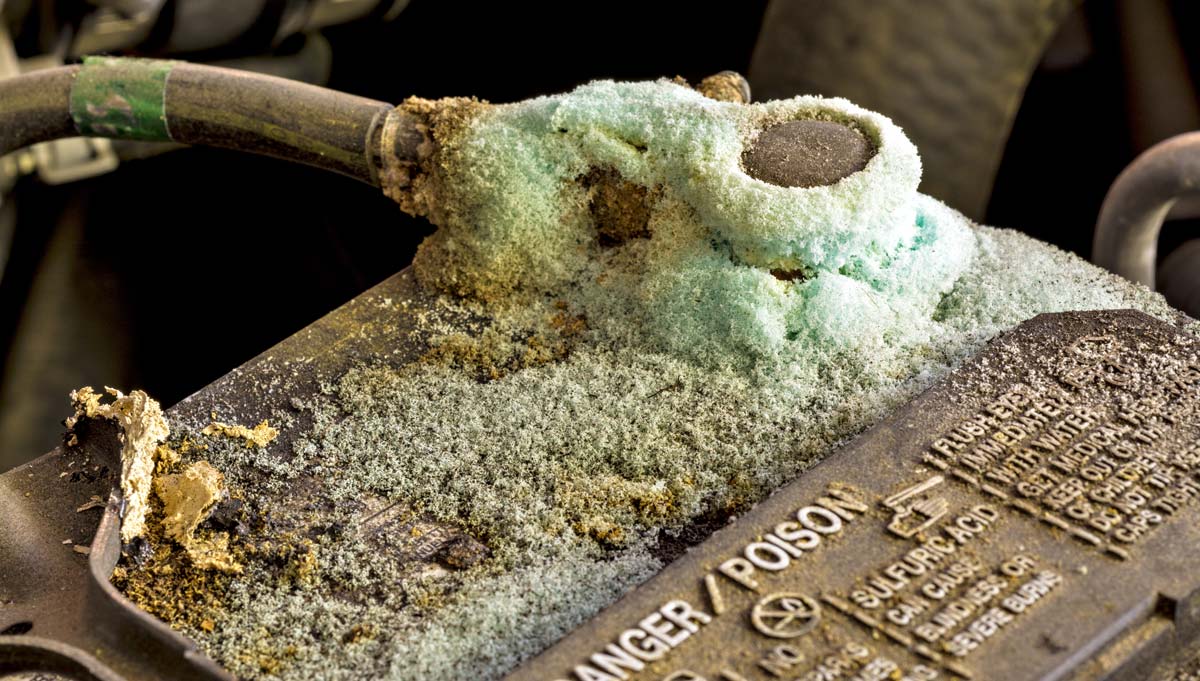
Corrosion can form on battery terminals. This blocks the flow of electricity. Corroded connections make it hard for the battery to work. Cleaning the terminals can solve this issue. Use a brush or cloth to clean off the corrosion. Keep the connections tight and clean.
Human Error Factors
Many people forget to turn off their car lights. Lights on all night can drain the battery. This is a common mistake. It can leave you with a dead battery in the morning. Always check your lights before leaving your car. It helps to save battery life.
Warning signs are important. They tell us something is wrong. Some people ignore them. This can cause the battery to die. Listen to your car. It often makes sounds when there is a problem. Address these signs quickly. It can save you from a big problem later.
Signs Of A Dying Battery
The engine takes longer to start. This is a common sign. It may make a clicking sound. You might need to try a few times. The battery struggles to give power. This means it may be weak or dying.
Lights seem less bright than usual. This happens in headlights and dashboard lights. The battery can’t provide enough power. It is important to notice this change. Dim lights can make driving dangerous.
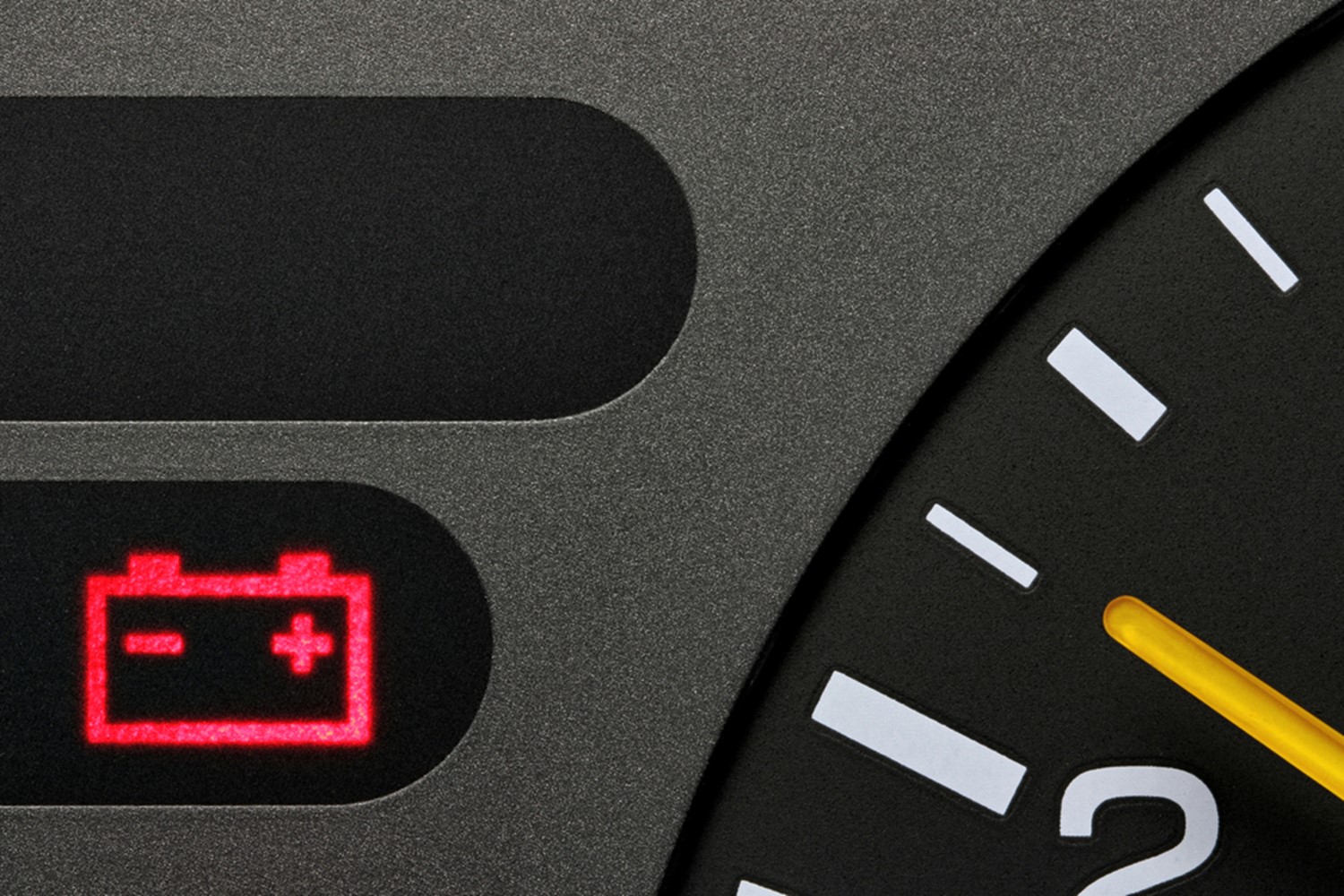
A battery warning light appears on the dashboard. This light tells you there’s a problem. It means the battery or charging system is not working well. Pay attention to this warning. It can help prevent bigger problems.
Preventive Measures
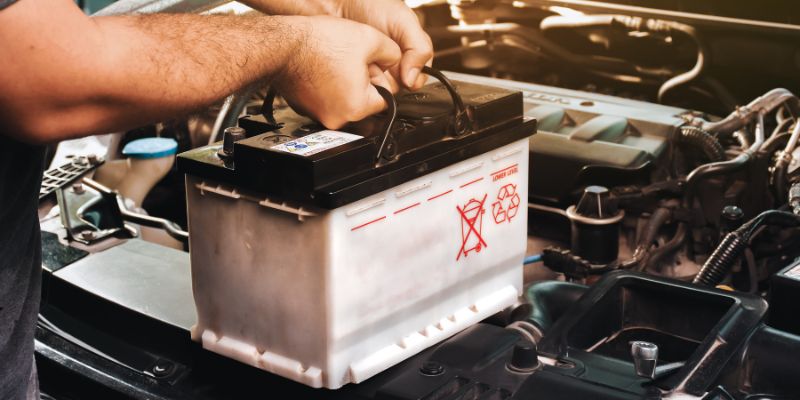
Keeping a car battery in good shape is easy. Check it often for dirt. Clean the battery terminals. Keep them free from corrosion. Use a wire brush to scrub them. This helps the battery last longer. Check the water levels in the battery. Add distilled water if needed. Do this once a month.
Store the car in a safe place. Avoid very hot or very cold spots. Temperature changes can hurt the battery. Use a car cover if parked outside. This keeps the battery safe from bad weather. Disconnect the battery if not using the car for a long time. This saves its charge.
Test the battery regularly. Use a voltmeter for this. It tells if the battery is strong. A strong battery shows more than 12 volts. Weak batteries show less. Get a mechanic to test it if unsure. Replace weak batteries before they die. This keeps the car running well.
Credit: www.lesschwab.com
Solutions To Revive A Dead Battery
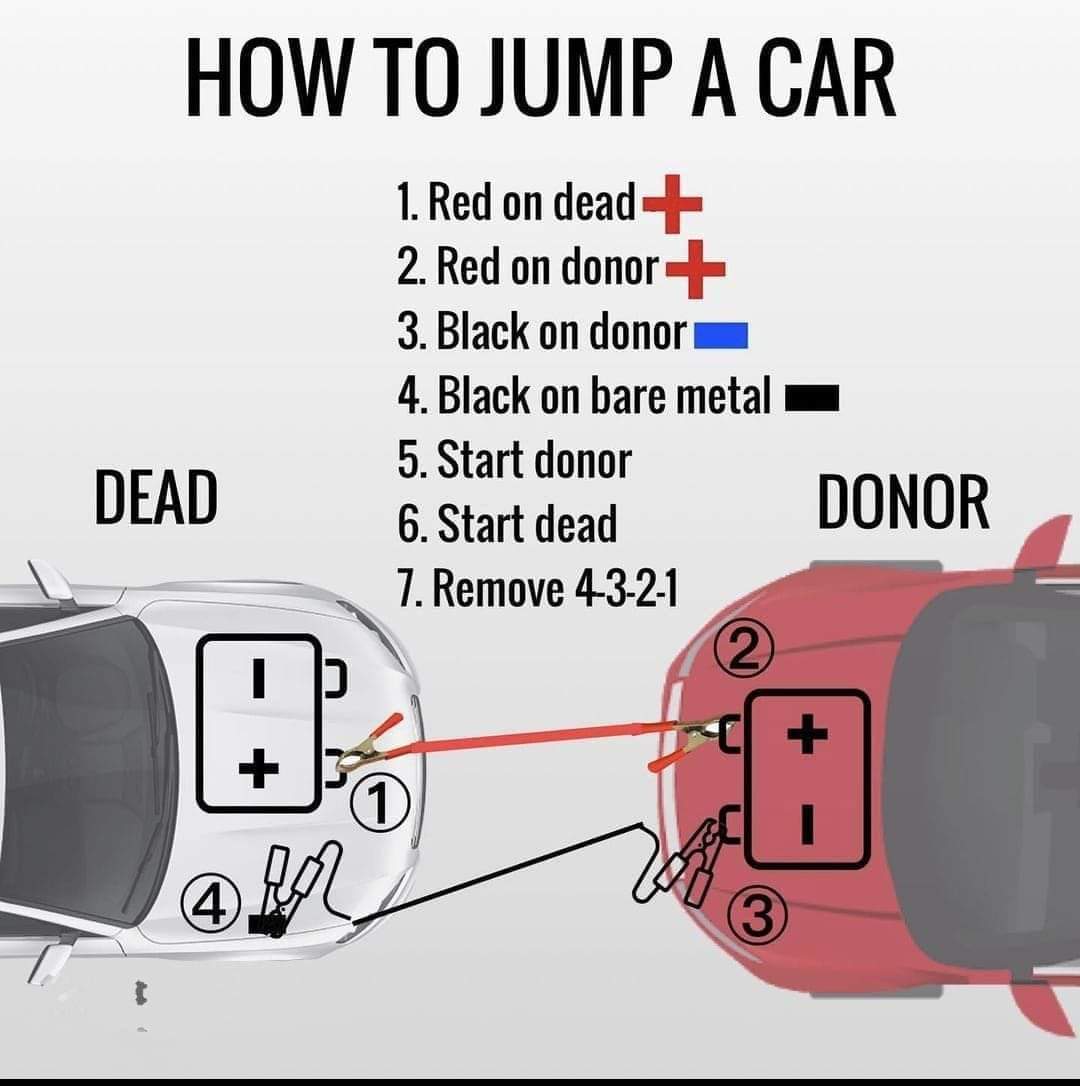
Jump starting is a quick way to revive a dead battery. You need jumper cables and a working car. Connect the cables to both batteries. Start the working car first. Then try starting your car. This process transfers power to your dead battery. Make sure the cables are connected correctly. A wrong connection can cause damage.
Charging a battery is another method. You need a battery charger. Connect the charger to your battery. Follow the instructions on the charger. It will take some time to charge fully. This method can be safer than jump starting. Ensure the charger is suitable for your car battery. A mismatched charger can harm the battery.
Sometimes you need help from a professional. A mechanic can check your battery thoroughly. They have the tools to test the battery’s health. Professionals can replace the battery if necessary. Consult them if you are unsure about the battery’s condition. They can provide expert advice.
Frequently Asked Questions
What Causes Car Batteries To Die Quickly?
Car batteries can die quickly due to extreme temperatures, frequent short trips, or leaving lights on. Corrosion on battery terminals and a failing alternator can also contribute. Regular maintenance and checking for signs of wear can help extend battery life.
How Often Should Car Batteries Be Replaced?
Most car batteries last between three to five years. However, factors like driving habits and climate can affect longevity. It’s advisable to have your battery tested annually after three years. Regular testing ensures optimal performance and prevents unexpected failures.
Can Extreme Weather Affect Car Batteries?
Yes, extreme weather significantly impacts car batteries. Cold temperatures can reduce battery capacity, while excessive heat accelerates chemical reactions, causing internal damage. Proper insulation and maintenance can mitigate these effects and help maintain battery health throughout the year.
What Are Signs Of A Dying Car Battery?
Signs include slow engine crank, dim headlights, and clicking sounds when starting. Additionally, electrical issues and a swollen battery case may indicate problems. Regular checks and maintenance can prevent these issues, ensuring your car starts reliably.
Conclusion
Understanding why car batteries die helps maintain your vehicle better. Regular checks can prevent unexpected battery failure. Clean terminals and tighten connections. Consider replacing old batteries before they fail. Keep your vehicle running smoothly and avoid jump-starts. Remember, extreme temperatures affect battery life.
A little attention goes a long way. Battery care boosts your car’s reliability. Simple habits save time and money. Look after your battery and drive with confidence. With these tips, you can enjoy a stress-free ride. Happy driving and safe travels!