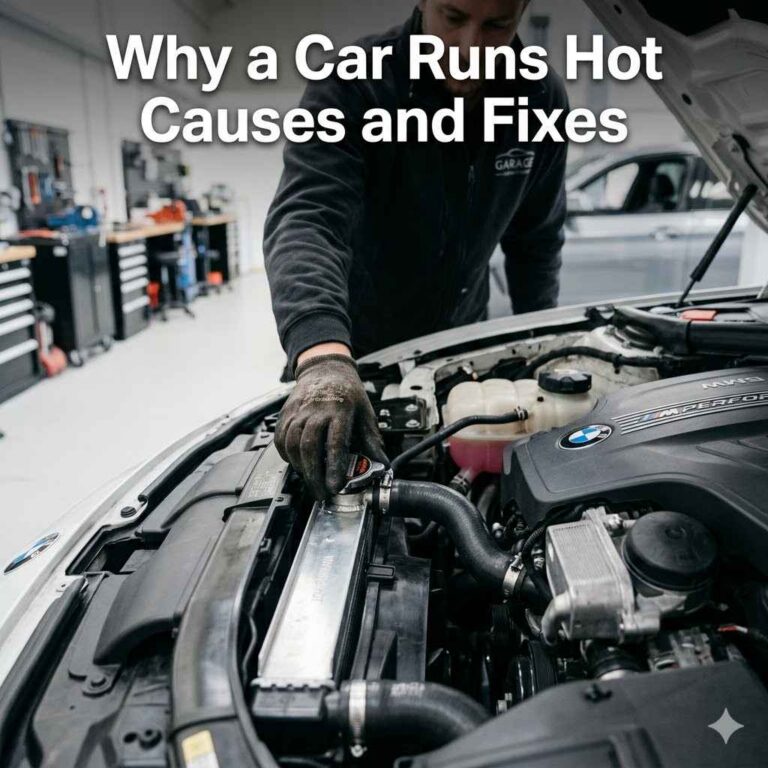
Why Does A Car Run Hot? Common Causes & Easy Fixes
It’s a stressful moment. Your car’s temperature gauge creeps up. Red lights flash.
That sinking feeling in your stomach says, “Oh no, my car is running hot!” You’re not alone. This happens to many drivers, and it can feel confusing and scary. This guide is here to help you understand exactly why this happens.
We’ll break down the most common reasons your car might be overheating. We’ll also cover what you can do about it. Our goal is to make this problem clear and manageable.
A car running hot, or overheating, means its engine temperature has gone above its normal operating range. This can be caused by many things, most often related to the cooling system failing to do its job. Common culprits include low coolant levels, a faulty thermostat, or a blocked radiator.
Ignoring an overheating engine can lead to serious and expensive damage.
What Makes a Car Run Hot?
Think of your car’s engine like a tiny, powerful furnace. It burns fuel to make your car go. This burning creates a lot of heat.
If that heat doesn’t go away, the engine gets too hot. That’s when it can start to break. The car’s cooling system is designed to keep this heat in check.
It uses a special liquid called coolant. This coolant circulates through the engine. It picks up heat.
Then, it goes to the radiator. The radiator releases the heat into the air. A fan helps this process.
This keeps everything at the right temperature. When any part of this system has a problem, the engine can run hot.
The temperature gauge on your dashboard is a key indicator. It tells you how hot your engine is. Most cars operate between 195°F and 220°F (90°C to 104°C).
If the needle goes past the halfway mark and into the red zone, your car is overheating. This is not a minor issue. It needs your attention right away.
Driving a car that’s too hot can cause severe damage.
We will explore the many pieces that work together to keep your engine cool. We’ll look at what happens when these pieces don’t work right. Understanding these parts helps you understand the problem.
It also helps you know what steps to take.
My Car Overheated on the Freeway: A Real Scare
I remember it vividly. I was driving home from visiting my parents, about an hour into my trip. The sun was beating down.
I was listening to a podcast, feeling relaxed. Suddenly, a bright red warning light flashed on my dashboard. Then, the temperature gauge needle shot straight up.
It was in the red! Smoke started to curl out from under the hood. My heart jumped into my throat.
I immediately pulled over to the shoulder. The smell of hot metal and something sweet, like burnt sugar, filled the air. I felt a wave of panic.
What did I do wrong? Was this going to cost me thousands of dollars? I had never dealt with an overheating car before.
It was a scary and isolating experience right there on the busy freeway.
I quickly turned off the engine. I waited. It felt like forever.
I popped the hood (very carefully, knowing how hot everything was). I could see steam still rising. I knew I couldn’t drive it.
I called for a tow truck. While I waited, I started thinking about all the things that could have gone wrong. Was it the coolant?
Had I forgotten to check it? Was it something more serious, like a blown head gasket? The uncertainty was the worst part.
It made me realize how much I rely on my car. It also made me wish I knew more about how it worked, especially when things went wrong.
Understanding the Cooling System’s Key Parts
To fix a problem, you need to know how the system works. Your car’s cooling system is like a circulatory system for heat. It has several main parts.
Each part plays a crucial role. If one part fails, the whole system can struggle. This can lead to your car running hot.
Here are the main players:
- Coolant (Antifreeze): This is the special fluid. It’s a mix of water and chemicals. It flows through the engine. It absorbs heat. It then carries this heat to the radiator. It also prevents the water from freezing in winter. And it stops it from boiling in summer.
- Water Pump: This part acts like the heart of the system. It pushes the coolant through the engine and radiator. It needs to work constantly to keep the coolant moving.
- Thermostat: This is like a temperature-controlled valve. When the engine is cold, it stays closed. This helps the engine warm up faster. Once the engine reaches its proper temperature, it opens. This lets coolant flow to the radiator.
- Radiator: This is a big metal component, usually at the front of your car. It has many small tubes and fins. Hot coolant flows through these tubes. Air passing over the fins cools the coolant down.
- Radiator Fan: This fan helps pull air through the radiator. It’s especially important when the car is moving slowly or stopped. It ensures there’s enough airflow to cool the coolant.
- Radiator Cap: This is more than just a cover. It holds pressure in the cooling system. This raises the boiling point of the coolant. This lets the system run hotter without boiling over.
- Hoses: These are rubber tubes. They connect the different parts of the cooling system. They allow coolant to flow between them.
When any of these parts don’t work right, your car’s temperature can rise. Let’s look at the most common reasons why this happens.
Cooling System Checkpoints
Low Coolant: The most frequent issue. Check the level when the engine is cold.
Faulty Thermostat: Can get stuck closed, blocking coolant flow.
Bad Water Pump: If it fails, coolant stops moving.
Clogged Radiator: Debris can block tubes, stopping heat release.
Leaking Hoses: Cracks or holes let coolant escape.
Radiator Cap Issues: Can’t hold pressure, leading to boiling.
The Big Culprit: Low Coolant Levels
This is by far the most common reason a car runs hot. Coolant is essential. It’s the fluid that does all the heavy lifting in keeping your engine cool.
If you don’t have enough of it, the system simply can’t do its job. Think of it like trying to cool down your house with only half the air conditioner fluid. It won’t work well.
Why does coolant get low? Usually, it’s due to a leak. Coolant doesn’t just disappear on its own.
It has to go somewhere. Leaks can happen in many places. The hoses are a prime suspect.
Over time, rubber hoses can become brittle. They can crack or develop small holes. The water pump can also develop a leak.
The radiator itself can rust and develop holes. Even the radiator cap can fail and allow coolant to escape. Sometimes, a blown head gasket can cause coolant to leak into the engine oil or out of the exhaust.
You can often spot a coolant leak. Look for colorful puddles under your car. Coolant comes in various colors, like green, orange, pink, or yellow.
If you see a puddle of one of these colors, you likely have a leak. The sweet smell is also a giveaway. It’s the smell of the coolant burning off if it hits hot engine parts.
Checking your coolant level is simple. Make sure the engine is completely cool. Open the hood.
Find the coolant reservoir. It’s usually a translucent plastic tank. It will have “Min” and “Max” lines marked on it.
If the level is below the “Min” line, you need to add coolant. Always use the correct type of coolant recommended by your car’s manufacturer. Mixing different types can cause problems.
If you’re adding coolant often, it means you have a leak. You need to find and fix it. Driving with low coolant, even if you keep topping it up, is risky.
It puts extra strain on the system. It means the engine is running hotter than it should, even if it hasn’t fully overheated yet.
Thermostat Troubles: Stuck Closed
The thermostat is a small, often overlooked part. But it’s vital. Its job is to regulate the flow of coolant.
When your engine is cold, the thermostat stays shut. This traps coolant in the engine block. This helps the engine reach its optimal operating temperature quickly.
This is good for efficiency and reducing wear.
Once the engine warms up, the thermostat is supposed to open. This allows hot coolant to flow out of the engine. It then goes to the radiator to be cooled.
After cooling, it flows back into the engine. This cycle keeps the temperature stable.
The problem arises when the thermostat gets stuck closed. If it remains closed, hot coolant can’t get to the radiator. The engine keeps making heat, but the coolant can’t get cooled down.
This is like the valve in a sink being stuck shut when the water is running. The basin will overflow. In this case, the engine will quickly overheat.
The temperature gauge will climb rapidly. You might also notice that the heater in your car stops blowing hot air. This is because the hot coolant isn’t circulating to the heater core.
A stuck thermostat is a common cause of sudden overheating. It’s a relatively inexpensive part to replace. However, it requires draining and refilling the cooling system.
It’s often a job best left to a mechanic unless you’re comfortable working on cars.
When Your Thermostat Acts Up
Stuck Closed: Engine overheats quickly. Heater blows cold air.
Stuck Open: Engine takes a very long time to warm up. May not reach operating temperature. Heater might work, but not very well.
Symptoms of a Bad Thermostat: Temperature gauge fluctuates wildly. Overheating. Poor heater performance.
Engine runs too cool.
The Water Pump’s Role: Pushing the Coolant
The water pump is driven by the engine’s belt system. It’s responsible for circulating the coolant. Imagine the cooling system as a plumbing system.
The water pump is the actual pump that moves the water through all the pipes. If the pump stops working, the water just sits there. It can’t pick up heat from the engine, and it can’t take that heat to the radiator.
Water pumps have a lifespan. They can wear out over time. Seals can fail, leading to leaks.
The impeller inside the pump can get damaged or corroded. This makes it less effective at moving coolant. Sometimes, the drive belt that powers the pump can break.
If the belt breaks, the pump stops immediately. This will cause the engine to overheat very quickly. This is a serious situation.
Signs of a failing water pump can include:
- Leaks: A common sign is coolant leaking from the pump itself. You might see drips or stains near the pump pulley.
- Whining Noise: A worn bearing in the water pump can make a high-pitched whining sound. This sound usually gets louder when you accelerate.
- Overheating: If the pump isn’t moving enough coolant, the engine temperature will rise.
- Corrosion: You might see rust or corrosion around the pump.
Replacing a water pump is a moderately involved job. It often requires removing other engine parts to get to it. It’s usually done by a mechanic.
If you suspect your water pump is failing, get it checked out right away. A complete failure can cause significant engine damage.
Radiator Problems: Clogged or Leaking
The radiator is where the magic of heat exchange happens. Hot coolant flows in. Air flows over the fins.
The heat transfers from the coolant to the air. Then, cooler coolant flows back to the engine. If the radiator isn’t doing its job, the coolant will stay hot.
This leads to overheating.
There are two main ways a radiator can fail:
- Clogging: Over time, sediment and rust can build up inside the radiator’s tubes. This is especially true if the coolant hasn’t been changed regularly or if the wrong type of coolant was used. This buildup blocks the flow of coolant. It also reduces the radiator’s ability to transfer heat. Imagine trying to drink a thick milkshake through a tiny straw. It’s slow and difficult.
- Leaks: Radiators are made of metal, often aluminum or copper with plastic or metal tanks. These materials can corrode over time, especially if the coolant is old or if there’s air in the system. Small holes or cracks can develop, allowing coolant to escape.
External debris can also cause problems. Leaves, bugs, and dirt can get stuck in the radiator fins. This blocks airflow.
Even if the coolant is flowing fine, the air can’t get through to cool it. This is more common in cars driven in dusty or rural areas, or after driving through tall grass.
Signs of radiator issues include:
- Visible Leaks: Puddles of coolant under the car, especially near the front.
- Overheating: Especially noticeable at lower speeds or when stopped.
- Discolored Coolant: If the coolant looks rusty or murky, it can indicate internal buildup.
- Engine running hotter than usual.
Cleaning the exterior fins of the radiator is a simple maintenance task. You can carefully spray them with a hose. If you suspect internal clogging or leaks, the radiator may need to be flushed or replaced.
A severely damaged or clogged radiator often needs to be replaced entirely.
Radiator Health Snapshot
Internal Blockages: Rust, sediment reduce coolant flow.
External Debris: Bugs, leaves block airflow.
Corrosion & Leaks: Metal parts degrade, causing coolant loss.
Maintenance Tip: Keep radiator fins clean. Flush system per manufacturer schedule.
Hoses and Connections: The Unsung Heroes
The hoses are the veins and arteries of your cooling system. They are made of strong rubber. They carry the hot coolant from the engine to the radiator and back.
These hoses are under pressure. They also experience extreme temperature changes. This can cause them to degrade over time.
What happens to old hoses? They can become:
- Cracked: Small cracks can appear on the surface. These can grow larger over time.
- Swollen or Blistered: The rubber can expand and bulge. This means the material is weakening.
- Hard and Brittle: The flexibility is lost. This makes them prone to cracking.
- Soft and Spongy: The internal structure can break down, making them weak.
If a hose fails, coolant will leak out. This can happen suddenly. A burst hose can dump all your coolant onto the road in minutes.
This will cause your car to overheat very quickly. It’s a sudden and dramatic failure. It can leave you stranded.
You can often spot a failing hose by looking at it. Squeeze the hoses when the engine is cool. They should feel firm but slightly flexible.
If they feel mushy, brittle, or you see visible cracks, it’s time to replace them. Pay attention to the hose clamps too. They need to be tight to prevent leaks.
Replacing a hose is usually a straightforward repair. You need to drain some coolant, unclamp the old hose, and install the new one. Make sure to use the correct type of hose for your car.
It needs to withstand the heat and pressure.
The Radiator Cap: More Important Than You Think
It’s easy to overlook the radiator cap. It seems like a simple metal or plastic lid. But it’s a crucial pressure regulator for your cooling system.
The cooling system is designed to operate under pressure. This pressure raises the boiling point of the coolant. Water boils at 212°F (100°C) at sea level.
But a pressurized cooling system can handle much higher temperatures, often up to 265°F (129°C).
The radiator cap has a spring-loaded valve. It’s set to release pressure when it reaches a certain level. This prevents the system from exploding.
It also has a vacuum valve. This allows coolant to return from the overflow tank as the system cools. If the cap’s seal is bad, or the spring is weak, it won’t hold pressure.
This means the coolant can boil at a lower temperature. Boiling coolant is much less effective at cooling the engine. It can also cause coolant to be forced out of the overflow tank.
This leads to low coolant levels.
A faulty radiator cap is a cheap part to
Other Cooling System Issues
While the above are the most common reasons, other factors can contribute to a car running hot. These might be less frequent but can still be serious.
Blocked Airflow to the Radiator
We touched on this with radiator fins. But it’s worth emphasizing. If air can’t get to the radiator, it can’t cool the coolant.
This can happen if you have a damaged or missing grille. Sometimes, aftermarket accessories can block airflow. Even a flimsy piece of plastic stuck under the car can restrict air.
Always ensure the front of your car is clear. This allows air to reach the radiator freely.
Faulty Radiator Fan
The radiator fan is critical, especially when you’re not moving. At highway speeds, the car’s motion forces enough air through the radiator. But in stop-and-go traffic, or when idling, the fan has to do the work.
It pulls air through the radiator. If the fan motor fails, or the sensor that tells it to turn on malfunctions, it won’t engage. This will cause the engine temperature to climb rapidly when you’re not moving fast.
You can usually tell if the fan is working. When your car is idling and the engine gets hot, you should hear the fan kick on. If you don’t, it’s a problem.
Electric fans are common now. Mechanical fans are driven by a belt.
Head Gasket Failure
This is one of the more serious engine problems. The head gasket seals the cylinder head to the engine block. It prevents coolant and oil from mixing.
It also keeps combustion gases out of the cooling system. If the head gasket blows, coolant can leak into the combustion chambers or into the oil. Combustion gases can also get into the cooling system.
This can cause the system to over-pressurize. It can also introduce hot exhaust gases into the coolant. This dramatically increases engine temperature.
Signs of a blown head gasket include:
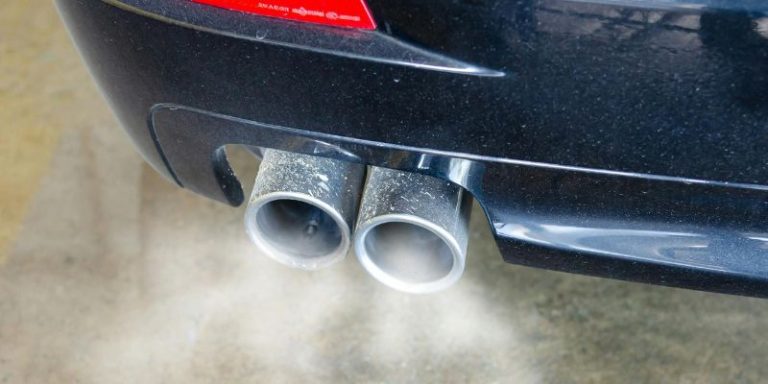
- White smoke from the exhaust: This is coolant burning in the combustion chamber.
- Milky or frothy engine oil: Coolant mixing with oil.
- Coolant disappearing with no visible leak: It’s going into the engine.
- Bubbles in the radiator or coolant reservoir.
- Engine misfires or rough running.
- Overheating.
A blown head gasket is an expensive repair. It requires taking the top part of the engine apart.
Less Common, Still Important:
Blocked Airflow: Debris or damage to the front of the car.
Fan Failure: Electric fan motor or sensor issues.
Head Gasket: Serious internal engine seal failure.
Incorrect Coolant Mix: Using the wrong type or too much water.
Air in the System: Air pockets prevent proper coolant circulation.
What This Means for You: When to Worry
Not every rise in temperature is an emergency. But you should always pay attention to your car’s temperature gauge. Here’s a breakdown of what’s normal and when you should be concerned:
When It’s Probably Normal (Minor Fluctuations)
It’s normal for the temperature gauge to move a little. It might climb slightly when you’re going uphill. It might drop a little when you’re going downhill.
It can also rise a bit when you’re stuck in heavy traffic on a hot day. These small fluctuations are usually within the car’s normal operating range. The thermostat and fan should manage these small changes.
If the needle just creeps up a little past the halfway mark, and then goes back down as you drive, it’s likely okay. But it’s a sign to keep an eye on things. If this happens often, it might be worth getting checked.
When You Should Worry (And Act Fast)
You need to take action if:
- The temperature gauge hits the red zone. This means your engine is overheating.
- A red temperature warning light comes on. This is a serious alert.
- You see steam coming from under the hood. This is a clear sign of overheating.
- You smell a sweet, burning odor. This is often leaking coolant.
- You hear a loud hissing sound from the engine. This could be escaping steam or hot coolant.
If any of these happen, pull over to a safe location as soon as possible. Turn off the engine. Let it cool down completely before attempting any checks.
Never open the radiator cap when the engine is hot. The system is under pressure. You can get severely burned by hot steam and coolant.
Even if the gauge only gets a little into the red, it’s too hot. Prolonged exposure to high temperatures can warp engine parts. It can damage the head gasket.
It can lead to expensive repairs.
Temperature Gauge Guide
Normal: Needle stays steady in the middle range.
Slightly High: Needle moves a bit past the middle. Often temporary.
Overheating: Needle enters the red zone. Stop driving immediately.
Warning Light: A serious indicator. Pull over and turn off the engine.
Simple Checks and Quick Fixes
If your car is running hot, there are a few things you can try yourself. These are simple checks that might help. They could even solve a minor problem.
Always ensure the engine is cool before you touch anything under the hood.
Check the Coolant Level
As we mentioned, this is the first and easiest step. Find the coolant reservoir. It’s usually a translucent plastic tank near the radiator.
Check the level against the markings. If it’s low, add the correct type of coolant or distilled water. Use distilled water only for a temporary fix if you don’t have coolant.
Full coolant mix is best. Never use plain tap water, as minerals can cause buildup.
Turn on the Heater
This sounds strange, but it can help in a pinch. If your car is starting to overheat, and you can’t pull over right away, turn your car’s heater to the highest setting. Turn the fan speed to high.
This uses the heater core (a small radiator inside your dashboard) to help dissipate some of the engine’s heat. It will make the cabin hot, but it might lower the engine temperature enough to get you to a safe place.
Inspect Hoses for Leaks
Visually inspect the radiator hoses. Look for any cracks, bulges, or signs of leakage. If a hose looks worn or damaged, it needs to be replaced.
If you see a leak, you may need to add coolant and drive directly to a mechanic.
Listen for the Fan
If your car is overheating while idling, turn off the AC. Then, let the engine idle for a few minutes. Listen for the radiator fan.
You should hear it come on as the temperature rises. If you don’t hear it, the fan motor or its control system might be faulty.
Don’t Ignore Warning Signs
If you’ve topped up coolant and the problem persists, or if you see significant leaks, don’t keep driving. It’s better to get towed. Continuing to drive an overheating car can turn a small problem into a very expensive one.
The cost of a tow is much less than an engine rebuild.
Emergency Measures:
Add Coolant: If level is low (engine cool!).
Turn Heater On: Max heat, max fan to help cool engine.
Check Hoses: Look for visible damage or leaks.
Listen for Fan: Ensure it operates when needed.
Seek Professional Help: If problem persists or is severe.
When to Call a Professional Mechanic
While some issues are easy to spot and fix, others require specialized knowledge and tools. If you’re not comfortable working on cars, or if the problem seems complex, it’s always best to call a professional. Here are situations where you should definitely see a mechanic:
- Persistent Overheating: If your car continues to overheat after you’ve checked the coolant and basic items, there’s likely a deeper issue.
- Visible Leaks: If you can’t find the source of a leak, or if it’s a significant leak, a mechanic can pressure test the system to find it.
- Strange Noises: Whining from the water pump or other unusual sounds related to the cooling system warrant professional inspection.
- Steam or Smoke: If you see steam or smoke from the engine, it’s a serious sign that needs immediate attention.
- Dashboard Warnings: Any persistent warning lights related to the engine temperature or cooling system should be checked.
- Suspected Head Gasket Failure: This is a major repair that requires expert diagnosis and service.
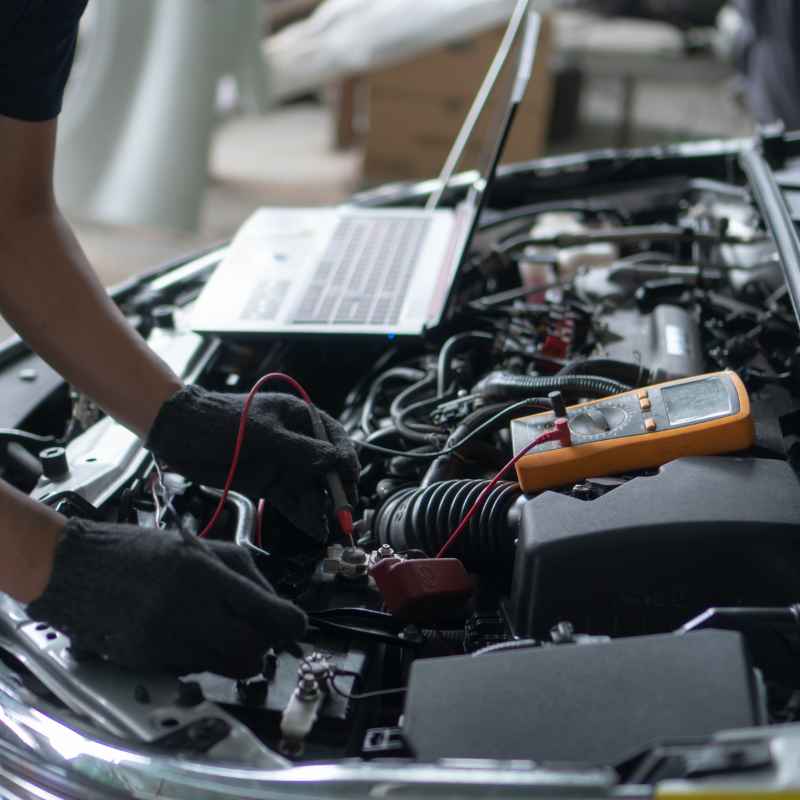
Mechanics have the tools to properly diagnose cooling system problems. They can perform pressure tests. They can use diagnostic scanners.
They can safely drain and refill your cooling system. They also have access to the correct parts and fluids. Don’t risk further damage by trying to fix something beyond your skill level.
Preventing Your Car from Running Hot
The best way to deal with an overheating car is to prevent it from happening in the first place. Regular maintenance is key. Think of it like going to the doctor for check-ups.
It helps catch problems early.
Regular Coolant Checks and Flushes
Check your coolant level regularly, at least once a month. Follow your car manufacturer’s recommendations for coolant flushes. Typically, this is every 30,000 to 60,000 miles.
A coolant flush removes old fluid and any sediment. It
Inspect Belts and Hoses
When you check your oil, take a moment to look at the belts and hoses. Check for cracks, wear, or softness. Replace any suspect hoses or belts.
Belts can become worn and brittle, and a broken belt can stop the water pump.
Keep the Radiator Clean
Periodically clean the exterior of your radiator. Remove leaves, bugs, and dirt that can block airflow. You can usually do this gently with a hose.
Be careful not to bend the delicate fins.
Pay Attention to Your Temperature Gauge
Make it a habit to glance at your temperature gauge. Know what’s normal for your car. If you see it starting to creep up, you can often take action before it becomes a major problem.
For example, turning off the AC or pulling over for a few minutes.
Use the Right Coolant
Always use the type of coolant recommended by your car’s manufacturer. Using the wrong type can cause corrosion or reduce the coolant’s effectiveness. Mixing different types can also create chemical reactions that damage the system.
Preventative Maintenance Schedule:
Monthly: Check coolant level.
Every 6 Months: Visually inspect belts and hoses.
Annually: Clean radiator exterior fins.
As Recommended by Manual: Coolant flush (e.g., every 30-60k miles).
Always: Use the correct coolant type.

Frequent Questions About Cars Running Hot
Why does my car overheat only in stop-and-go traffic?
This often means your cooling system isn’t moving enough air. At highway speeds, the car’s motion pushes air through the radiator. When you’re stopped or moving slowly, the electric radiator fan is supposed to kick in.
If the fan isn’t working, or if the radiator fins are blocked with debris, the coolant won’t cool down properly. This causes the temperature to rise in slow traffic.
Can I drive my car if the temperature gauge is in the red?
No, you should not drive your car if the temperature gauge is in the red zone. This indicates severe overheating. Driving with an overheating engine can cause significant and expensive damage, such as a blown head gasket or warped engine parts.
It’s best to pull over immediately and turn off the engine to let it cool down.
What is the sweet smell coming from my car when it runs hot?
That sweet, syrupy smell is usually caused by leaking engine coolant (antifreeze). When coolant leaks onto hot engine components, it burns off and creates this distinctive odor. It’s a strong indicator that you have a leak somewhere in the cooling system, and you should get it checked out as soon as possible.
How often should I check my car’s coolant level?
It’s recommended to check your car’s coolant level at least once a month. You should also check it before any long road trips. Always make sure the engine is completely cool before opening the hood and checking the coolant reservoir.
Low coolant is one of the most common reasons for overheating.
Is it okay to put just water in my radiator if I’m overheating?
Using plain water can be a temporary emergency fix to get you to a safe place or a repair shop. However, it’s not ideal for long-term use. Water alone doesn’t have the same boiling or freezing protection as coolant.
It also lacks the anti-corrosion additives that protect your cooling system. If you have to use water, it’s best to have the system flushed and refilled with the proper coolant mixture afterward.
What does it mean if my car overheats when I turn on the AC?
This can happen if the AC system is putting too much extra load on the engine, or if there’s an issue with how the cooling fan operates when the AC is on. Some vehicles have fans that run at different speeds or are controlled differently when the AC is engaged. It could also mean the cooling system is already on the edge and the extra heat load from the AC pushes it over the limit.
Conclusion: Keeping Your Engine Cool and Calm
An overheating car can be a worrying experience. But now you know the most common reasons why it happens. From simple low coolant to more complex internal issues, understanding the cooling system is your first step.
Regular checks and maintenance are your best defense. They can catch small problems before they become big, expensive ones. Listen to your car.
Pay attention to the temperature gauge. And when in doubt, call a trusted mechanic. Keeping your engine cool means a happier, healthier car.
Products related to this article
Sponsored / affiliate links. As an Amazon Associate I earn from qualifying purchases. I may earn additional commission from eligible campaigns.